
















Các bài viết liên quan

Cách so sánh các phương pháp thử nghiệm độ nhớt của chất làm đặc trong in vải

Tìm hiểu lý do tại sao không thể so sánh các giá trị độ nhớt của chất làm đặc trong in ấn dệt may nếu không đảm bảo các yếu tố như nồng độ, nhiệt độ, thiết bị, trục quay, tốc độ, phương pháp chuẩn bị và thời gian thử nghiệm đều giống nhau.

Chất làm đặc trong in vải theo loại thuốc nhuộm và quy trình in
Tìm hiểu cách lựa chọn chất làm đặc và quy trình tiền xử lý cho các phương pháp in dệt phản ứng, in phân tán, in sắc tố và in kỹ thuật số, dựa trên các yêu cầu về vải, thuốc nhuộm hoặc mực in, quá trình cố định màu, khả năng rửa trôi và chất lượng in.

CMC so với CMS so với natri alginat so với bột in kỹ thuật số: Hướng dẫn lựa chọn thực tiễn
So sánh CMC, CMS, natri alginat và mực in kỹ thuật số trong in ấn dệt may. Tìm hiểu cách thức từng loại nguyên liệu phù hợp với các quy trình in phản ứng, in phân tán, in sắc tố và in kỹ thuật số, cũng như những yếu tố mà người mua cần xem xét trước khi thử mẫu, đối chiếu chất lượng và mua số lượng lớn.
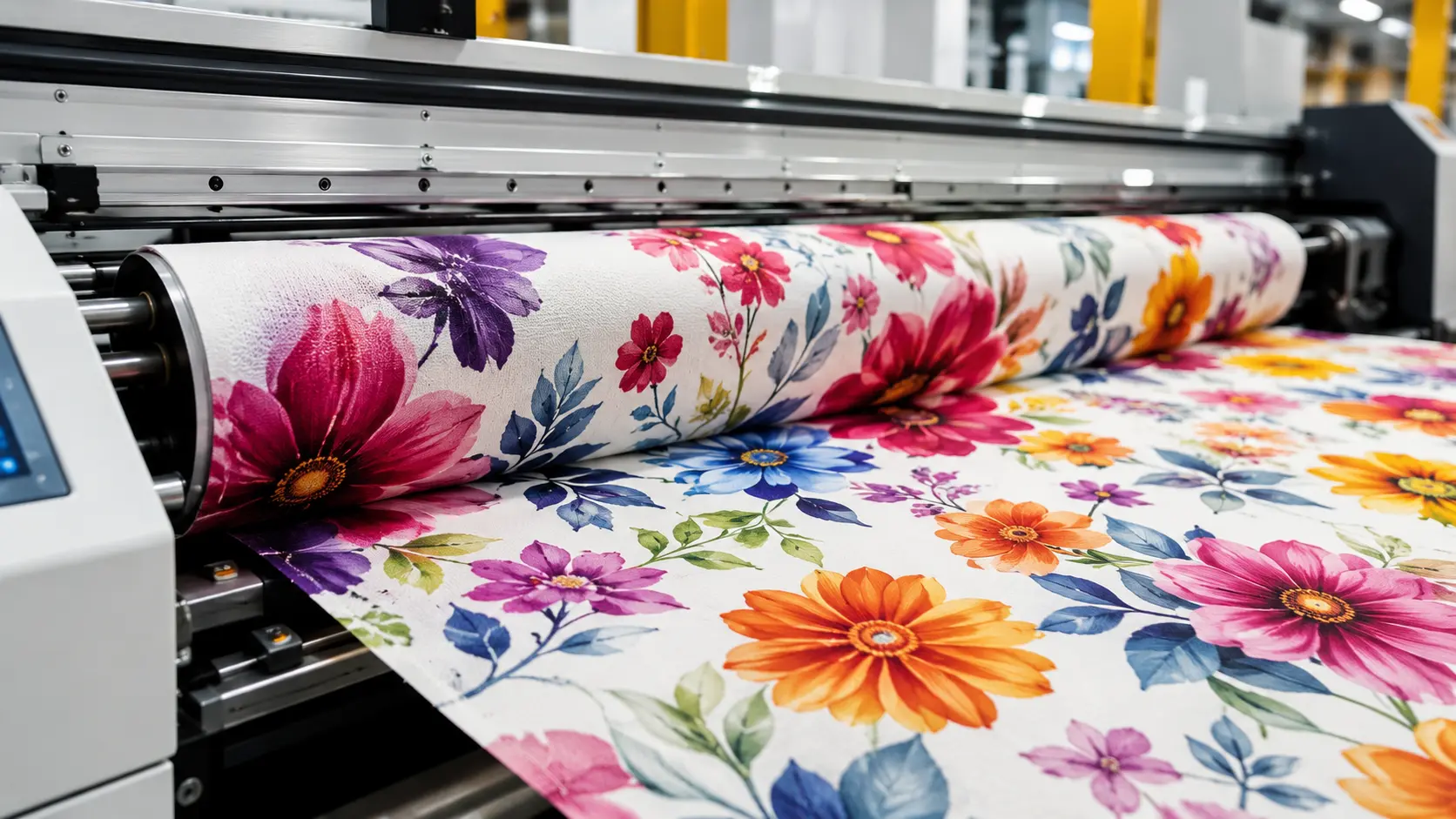
Alginat natri trong in ấn trên polyester: Những hạn chế và việc lựa chọn chất làm đặc
Natri alginat là chất làm đặc tiêu chuẩn dùng trong in nhuộm phản ứng trên vải bông, nhưng không phù hợp để in nhuộm phân tán trên vải polyester. Hướng dẫn này giải thích lý do tại sao, những khác biệt về hóa học của thuốc nhuộm liên quan là gì, cũng như các loại chất làm đặc nào phù hợp cho in nhuộm trên vải polyester và vải pha polyester.
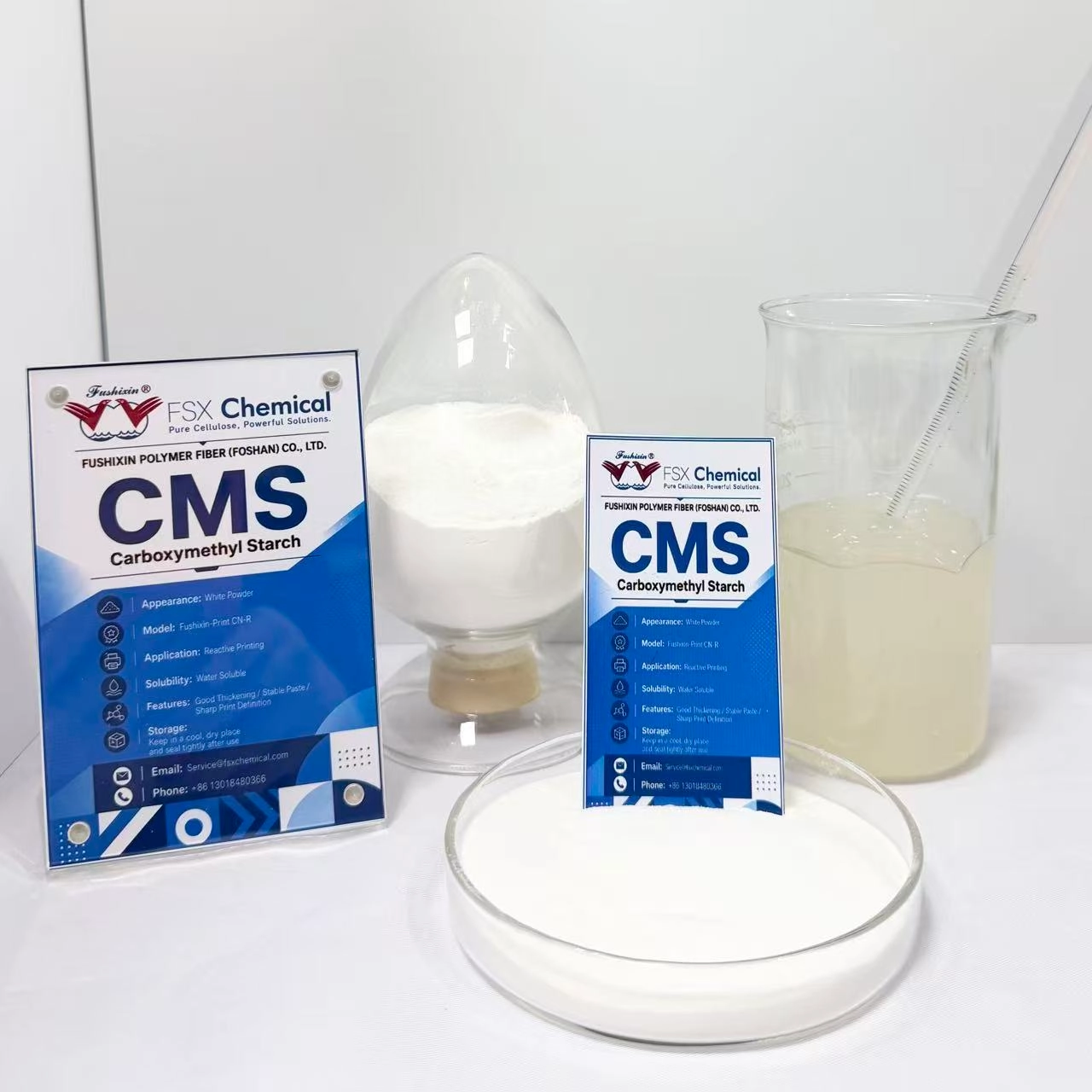
Hệ thống quản lý nội dung (CMS) cho bột in dệt may: Hướng dẫn so sánh cấp độ và kiểm tra mẫu
Chất điều chỉnh độ nhớt (CMS) dành cho mực in dệt may có thể giúp điều chỉnh độ nhớt, cải thiện khả năng thao tác với mực in và đảm bảo hiệu suất ổn định của công thức. Hướng dẫn này giải thích cách người mua có thể đánh giá các loại CMS dựa trên các tiêu chí như độ nhớt, DS, độ hòa tan, pH, độ ẩm và thử nghiệm mẫu trước khi mua số lượng lớn.
Nhà cung cấp nguyên liệu cellulose cho ngành dệt may và in ấn: Những điều người mua cần xác nhận
Nguyên liệu thô có nguồn gốc từ cellulose được sử dụng trong in ấn dệt may, pha chế hỗn hợp in, làm đặc và hỗ trợ công thức. Hướng dẫn này giải thích cách người mua có thể đánh giá các sản phẩm như CMC, CMS, alginat natri, chất làm đặc trong in ấn dệt may và các sản phẩm hỗn hợp in thông qua thông số kỹ thuật, tài liệu kỹ thuật, thử nghiệm mẫu và sự hỗ trợ từ nhà cung cấp.
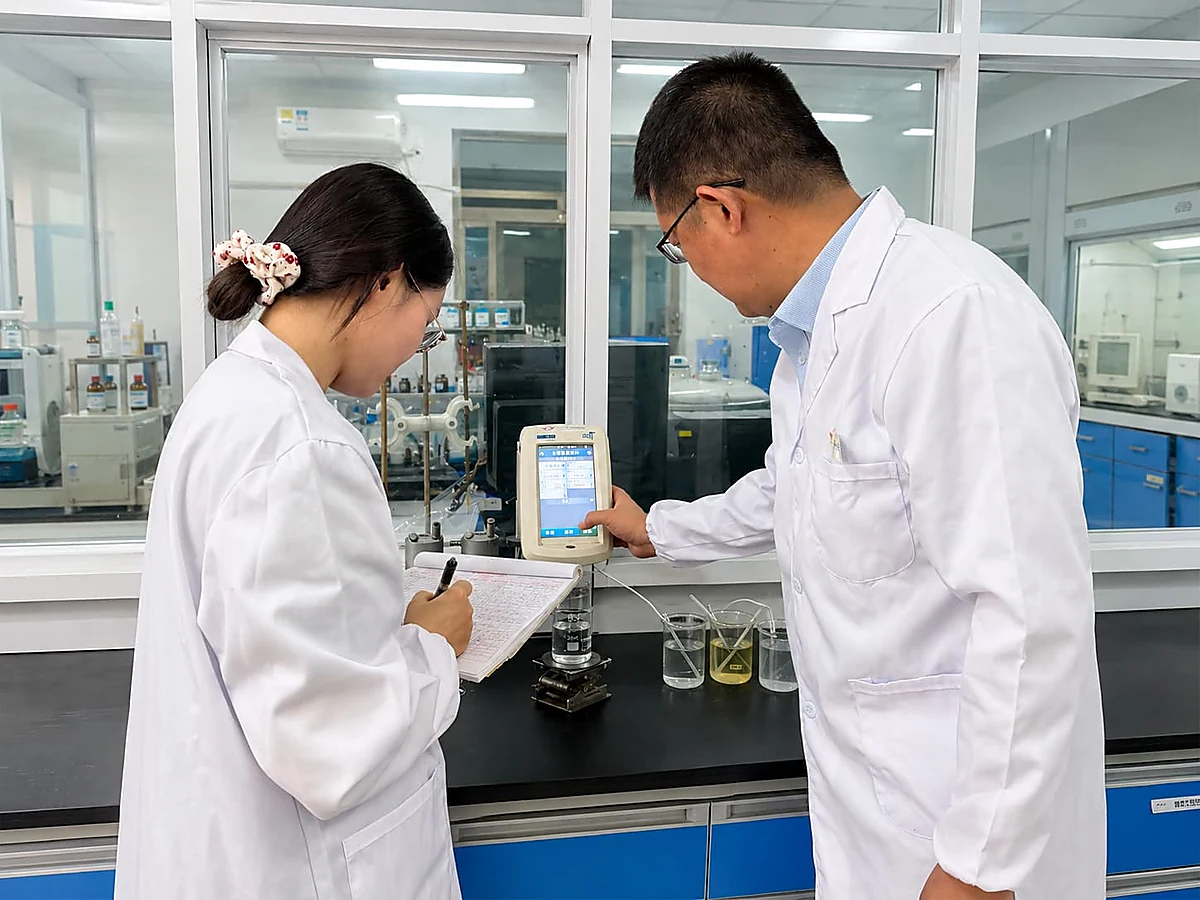
Nhà cung cấp các sản phẩm dẫn xuất từ cellulose cho ngành dệt may và in ấn: Hướng dẫn mua sắm xuất khẩu trọn gói
Các dẫn xuất cellulose được ứng dụng rộng rãi trong in ấn dệt may, pha chế bột in, làm đặc và hỗ trợ công thức. Hướng dẫn này giải thích cách các nhà mua hàng nước ngoài có thể nhập khẩu CMC, CMS, natri alginat, chất làm đặc dùng trong in ấn dệt may và các sản phẩm bột in từ FSX Chemical, kèm theo các dịch vụ hỗ trợ như bảng dữ liệu kỹ thuật (TDS), chứng nhận phân tích (COA), thử nghiệm mẫu, đối chiếu tiêu chuẩn chất lượng và hỗ trợ thủ tục xuất khẩu.
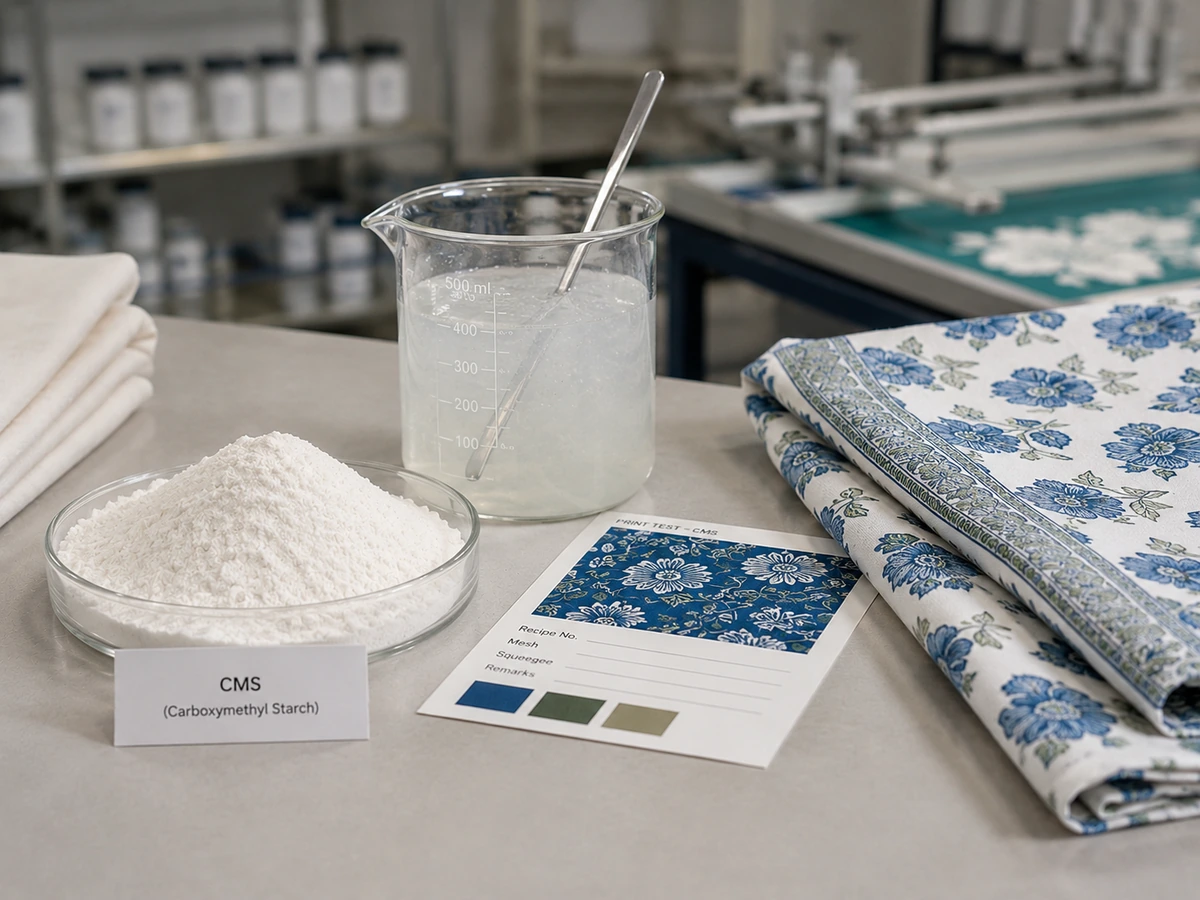
Nhà cung cấp hóa chất cho ngành dệt may: Hướng dẫn lựa chọn sản phẩm dành cho người mua trong lĩnh vực in ấn
Việc lựa chọn hóa chất trong ngành dệt may không chỉ đơn thuần là so sánh tên sản phẩm. Hướng dẫn này giải thích cách người mua hóa chất in dệt may có thể lựa chọn các sản phẩm như CMC, CMS, natri alginat, chất làm đặc trong in dệt may và bột in phù hợp dựa trên ứng dụng, thông số kỹ thuật, TDS, COA, thử nghiệm mẫu và tính đồng nhất giữa các lô sản phẩm.
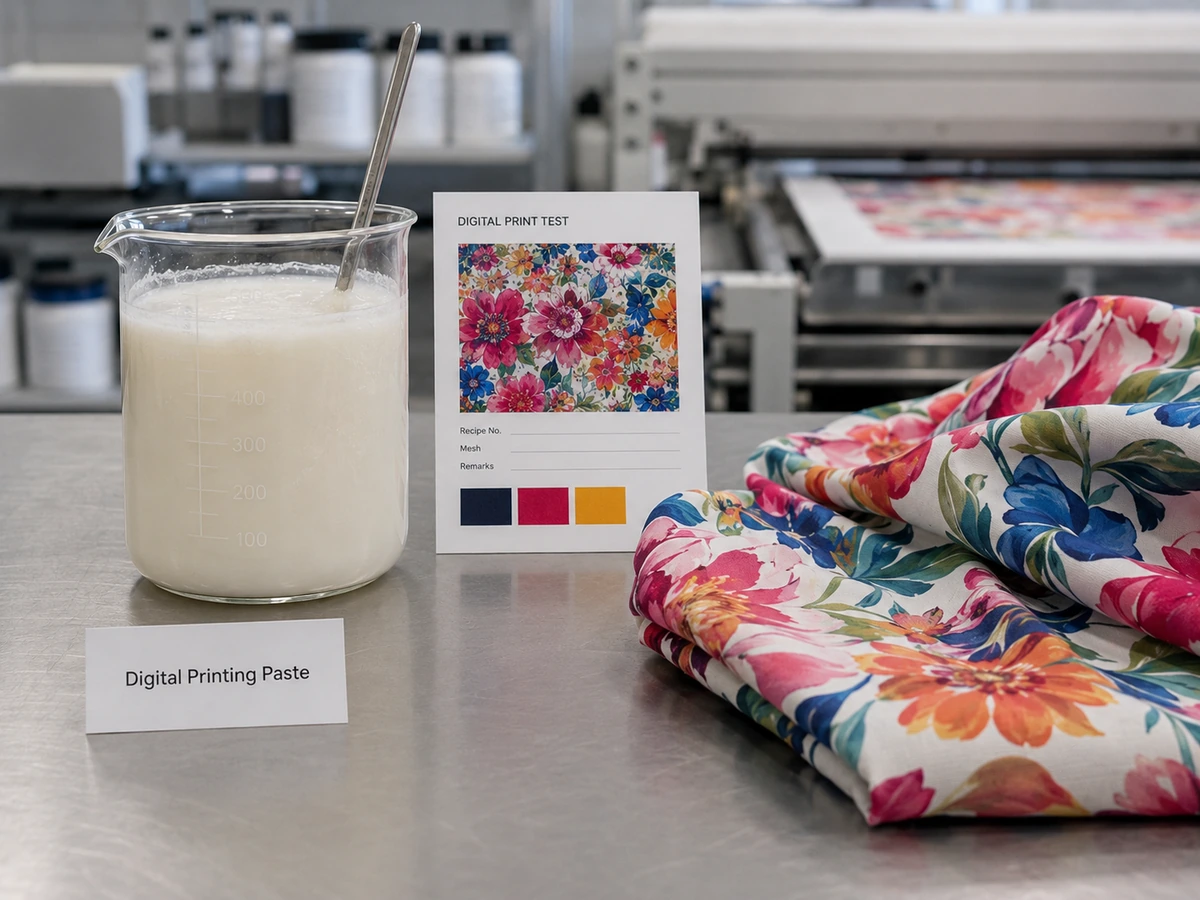
Hỗ trợ xây dựng công thức hóa chất cho ngành dệt may và in ấn: Những thông tin người mua cần cung cấp
Việc hỗ trợ xây dựng công thức hóa chất cho in ấn dệt may cần bắt đầu từ việc cung cấp thông tin ứng dụng rõ ràng. Hướng dẫn này giải thích những thông tin mà người mua cần cung cấp khi yêu cầu đối chiếu sản phẩm, điều chỉnh công thức, thử nghiệm mẫu, TDS, COA, SDS và hỗ trợ kỹ thuật liên quan đến CMC, CMS, natri alginat, chất làm đặc trong in ấn dệt may và các sản phẩm bột in.
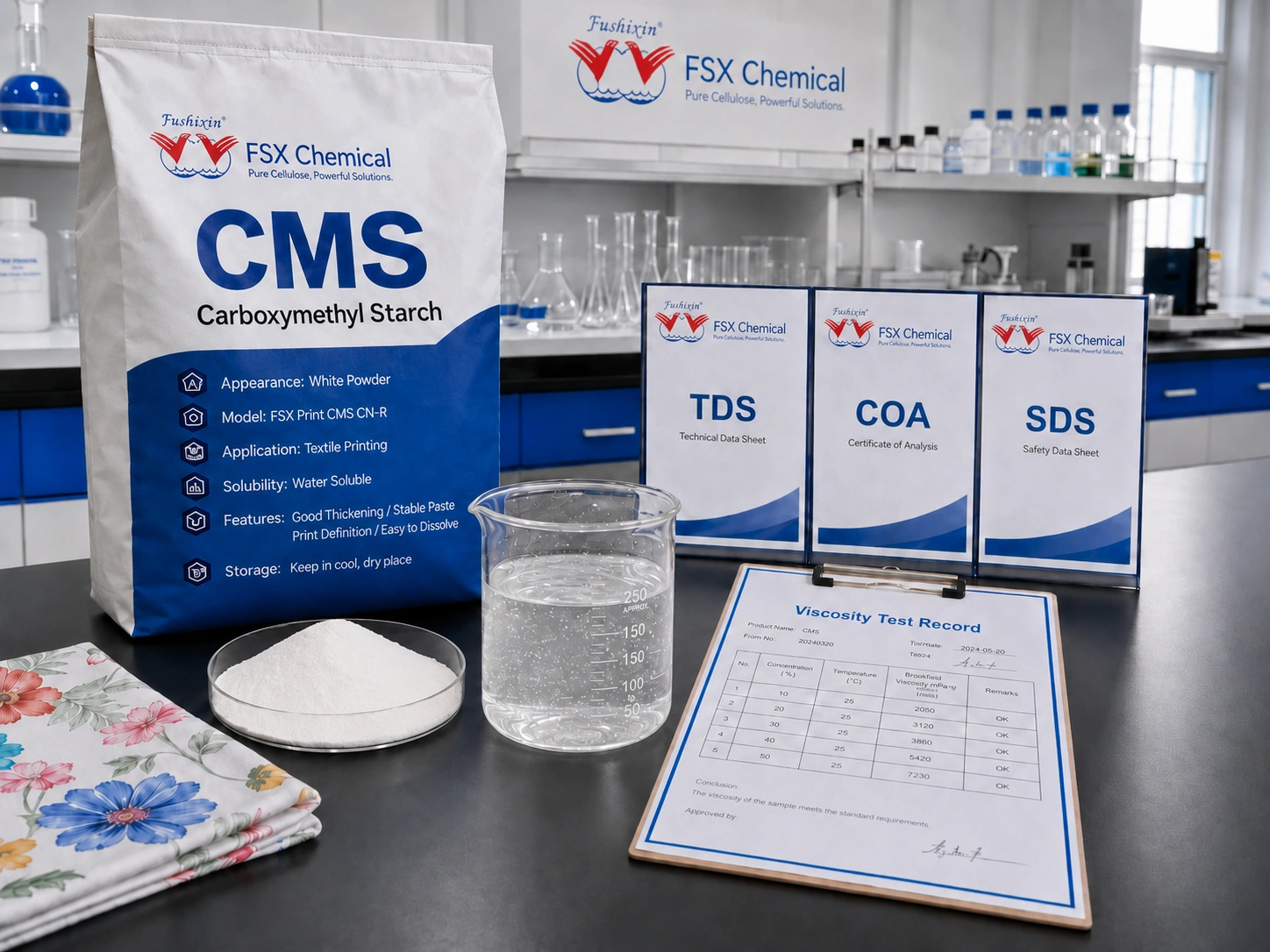
Cách chọn tinh bột carboxymethyl (CMS) để xử lý kích thước vải và in kỹ thuật số
Tinh bột carboxymethyl (CMS) có thể được đánh giá để ứng dụng trong các hệ thống công thức chọn lọc dành cho chất làm cứng vải, bột in và in kỹ thuật số. Hướng dẫn này giải thích cách người mua nên xem xét các yếu tố như cấp độ độ nhớt, tính chất hòa tan, độ pH, độ ẩm, tính chất màng, khả năng tương thích công thức, TDS, COA, SDS, thử nghiệm mẫu và tính nhất quán giữa các lô trước khi mua số lượng lớn.
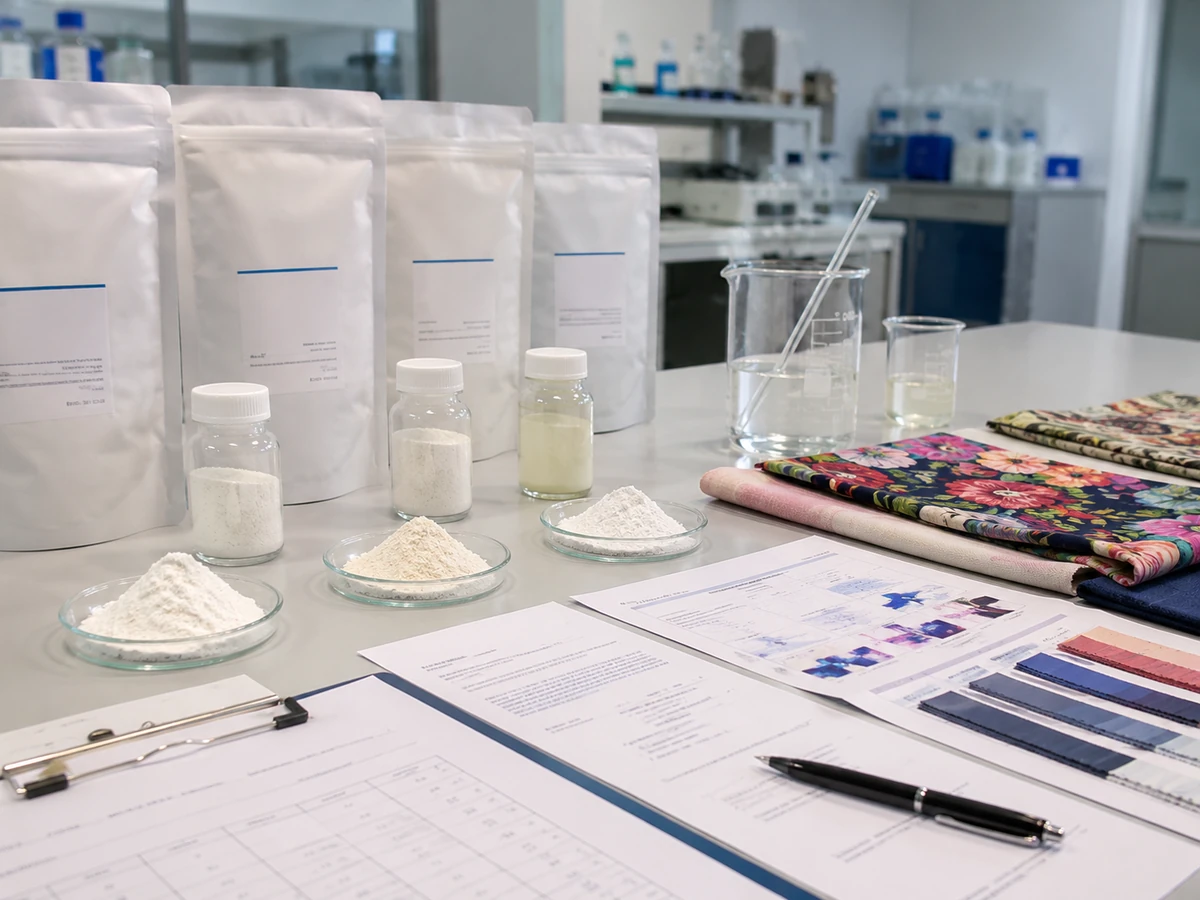
Cách chọn chất làm đặc phù hợp cho quá trình in trên vải
Việc lựa chọn chất làm đặc phù hợp cho in ấn trên vải không chỉ phụ thuộc vào loại vải. Người mua nên lựa chọn chất làm đặc sao cho phù hợp với hệ thống thuốc nhuộm hoặc bột màu, phương pháp in, tính lưu biến mong muốn, yêu cầu về khả năng rửa trôi và các điều kiện thử nghiệm thực tế tại nhà máy.
Hóa chất in trên vải và chức năng của chúng: 10 nhóm chính
Hiệu quả in trên vải phụ thuộc vào một hệ thống hóa học phối hợp nhịp nhàng, chứ không phải chỉ dựa vào một chất phụ gia duy nhất. Cẩm nang này giải thích về mười nhóm hóa chất quan trọng, chức năng của chúng, vị trí ứng dụng cũng như những điều người mua cần kiểm tra trước khi tiến hành thử nghiệm sản xuất.
