
















İlgili yazılar

Tekstil Baskı Kıvamlaştırıcı Viskozite Test Yöntemlerini Karşılaştırma

Konsantrasyon, sıcaklık, ölçüm cihazı, mil, hız, hazırlık yöntemi ve test süresi gibi faktörler eşleştirilmeden tekstil baskı kıvamlaştırıcılarının viskozite değerlerinin neden karşılaştırılamayacağını öğrenin.

Boya ve Baskı Yöntemine Göre Tekstil Baskı Kıvamlaştırıcıları
Kumaş, boya veya mürekkep, fiksaj, yıkamayla uzaklaştırılabilirlik ve baskı kalitesi gereksinimlerine göre reaktif, dispers, pigment ve dijital tekstil baskısı için kıvamlaştırıcı ve ön işlem seçeneklerini nasıl seçeceğinizi öğrenin.

CMC, CMS, Sodyum Aljinat ve Dijital Baskı Patı: Pratik Bir Seçim Kılavuzu
Tekstil baskısı için CMC, CMS, sodyum aljinat ve dijital baskı patını karşılaştırın. Her ürün seçeneğinin reaktif, dispers, pigment ve dijital baskı süreçlerine nasıl uygun olduğunu ve alıcıların numune testi, ürün sınıfı eşleştirme ve toplu satın alma öncesinde neleri incelemesi gerektiğini öğrenin.
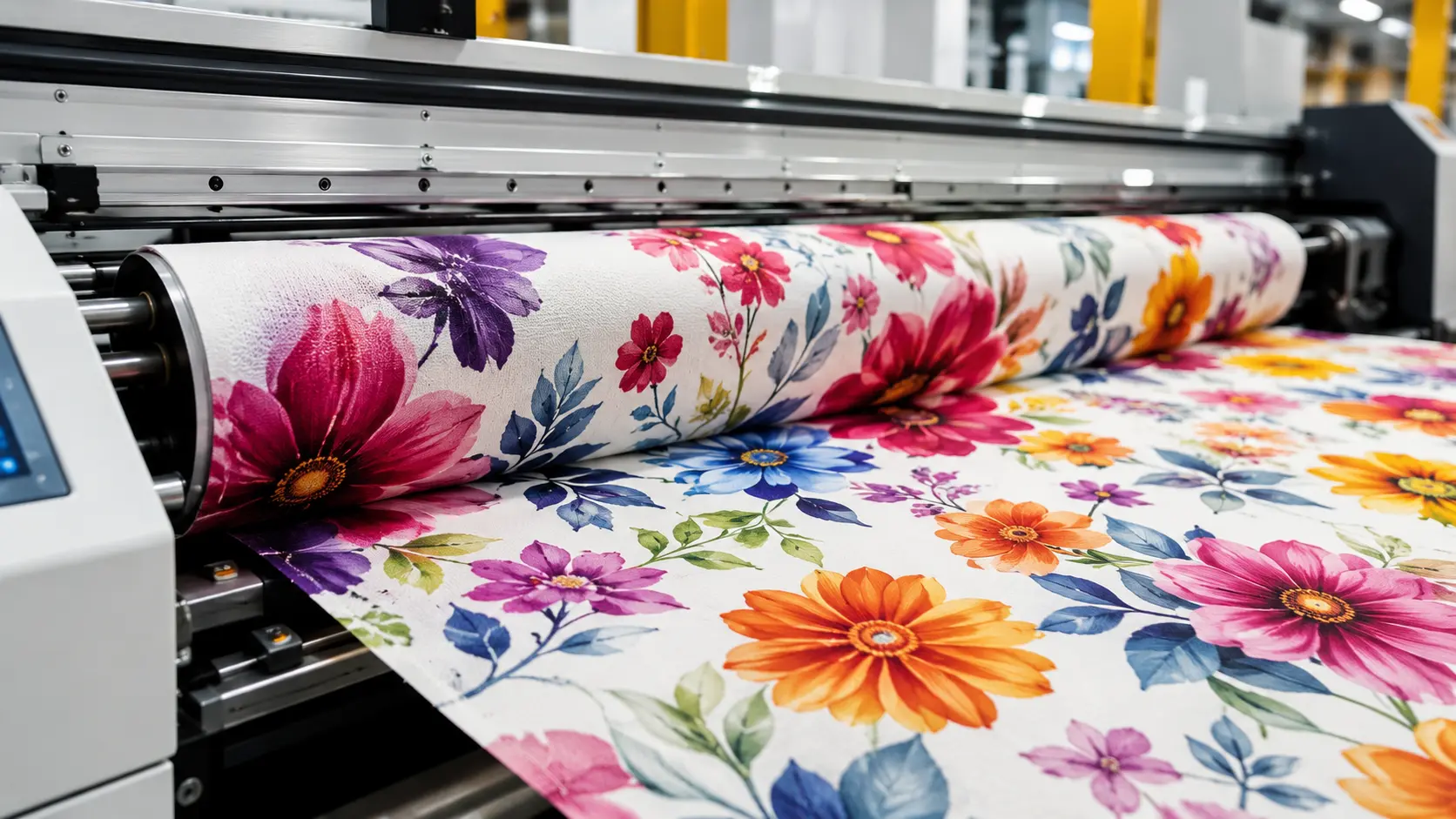
Sodium Alginate for Polyester Printing: Limitations and Thickener Selection
Sodyum aljinat, pamuk üzerine reaktif boya baskısı için standart kıvam arttırıcıdır; ancak polyester üzerine dispers boya baskısı için uygun değildir. Bu kılavuzda, bunun nedeni, boya kimyasında hangi farklılıkların söz konusu olduğu ve polyester ile polyester karışımlı kumaşlara baskı için hangi kıvam arttırıcı türlerinin uygun olduğu açıklanmaktadır.
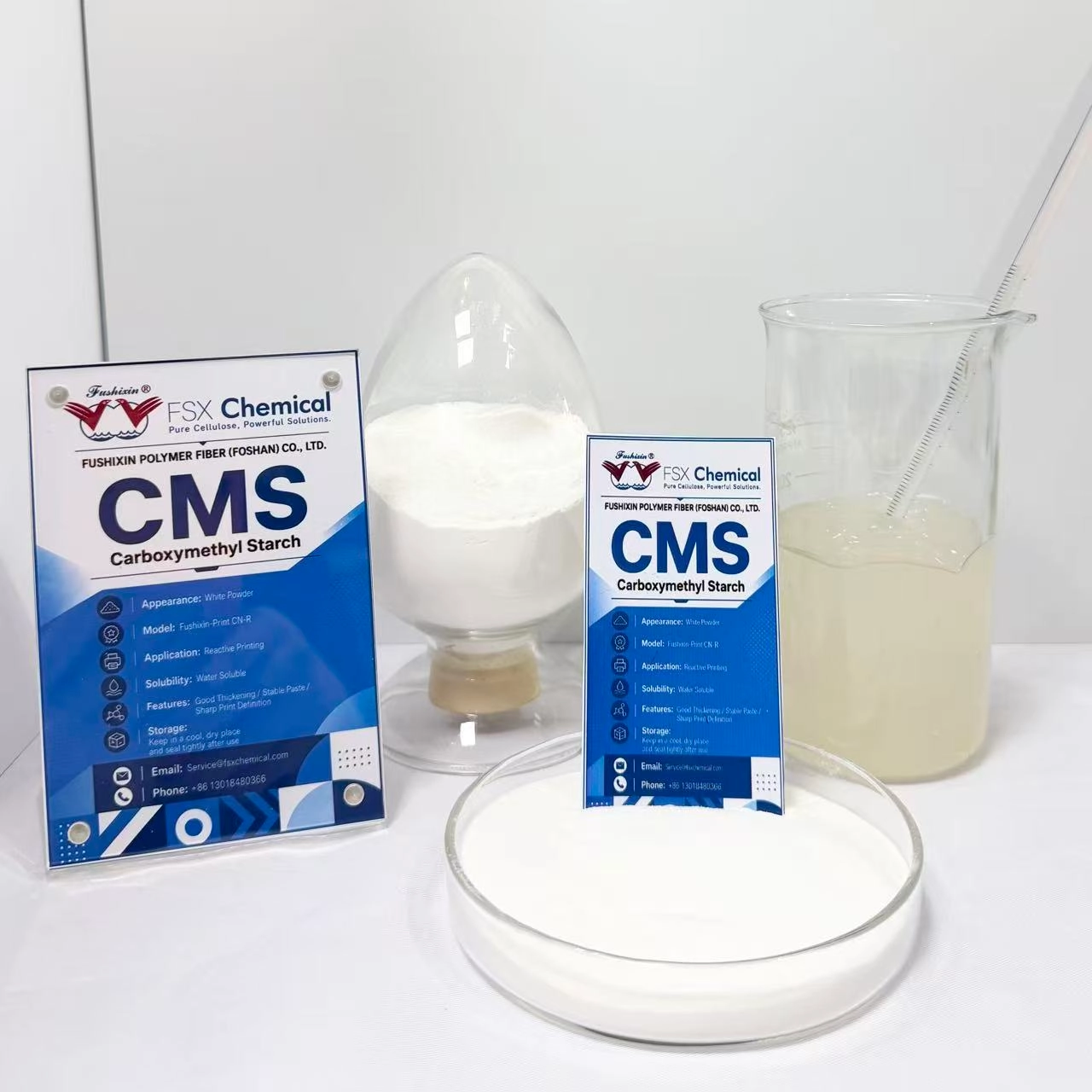
Tekstil Baskı Pastası için CMS: Renk Uyumu ve Numune Test Kılavuzu
Tekstil baskı pastası için kullanılan CMS, viskozitenin ayarlanmasına yardımcı olabilir, pastanın işlenebilirliğini artırabilir ve formülasyonun istikrarlı performansını destekleyebilir. Bu kılavuz, alıcıların toplu satın almadan önce CMS türlerini viskozite, DS, çözünürlük, pH, nem ve numune testleri açısından nasıl değerlendirebileceklerini açıklamaktadır.
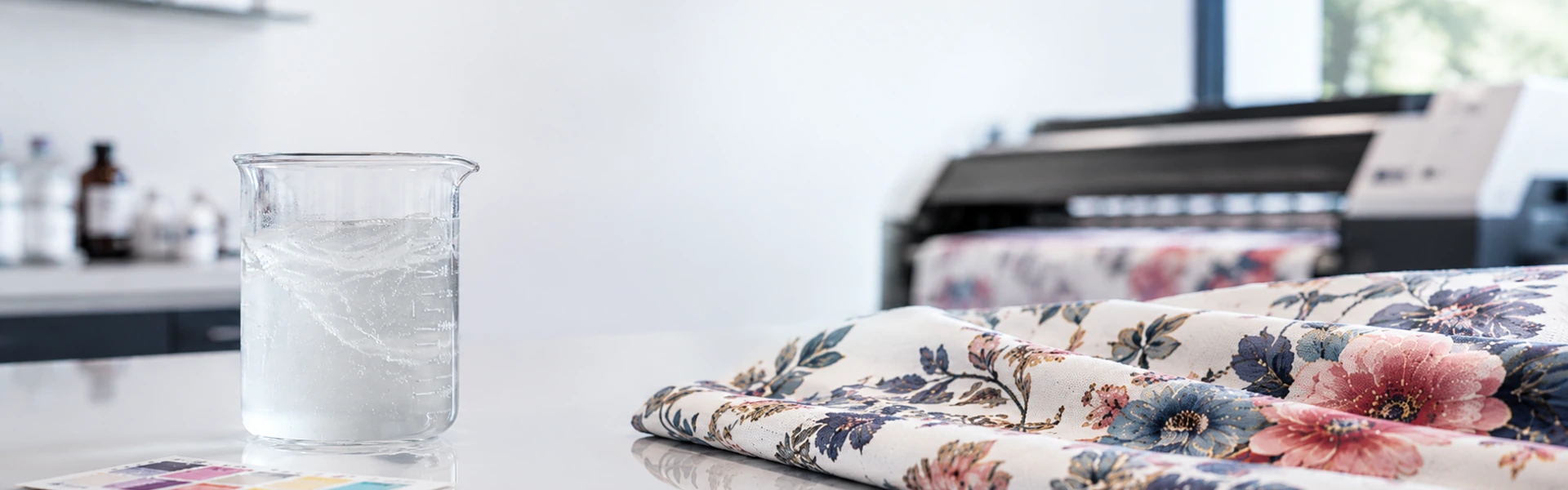
Tekstil ve Baskı Sektörü için Selüloz Hammadde Tedarikçisi: Alıcıların Dikkat Etmesi Gerekenler
Selüloz bazlı hammaddeler, tekstil baskısı, baskı macunu hazırlığı, kıvam artırma ve formülasyon desteği alanlarında kullanılmaktadır. Bu kılavuz, alıcıların CMC, CMS, sodyum aljinat, tekstil baskı kıvam arttırıcıları ve baskı macunu ürünlerini teknik özellikler, belgeler, numune testleri ve tedarikçi desteği açısından nasıl değerlendirebileceklerini açıklamaktadır.
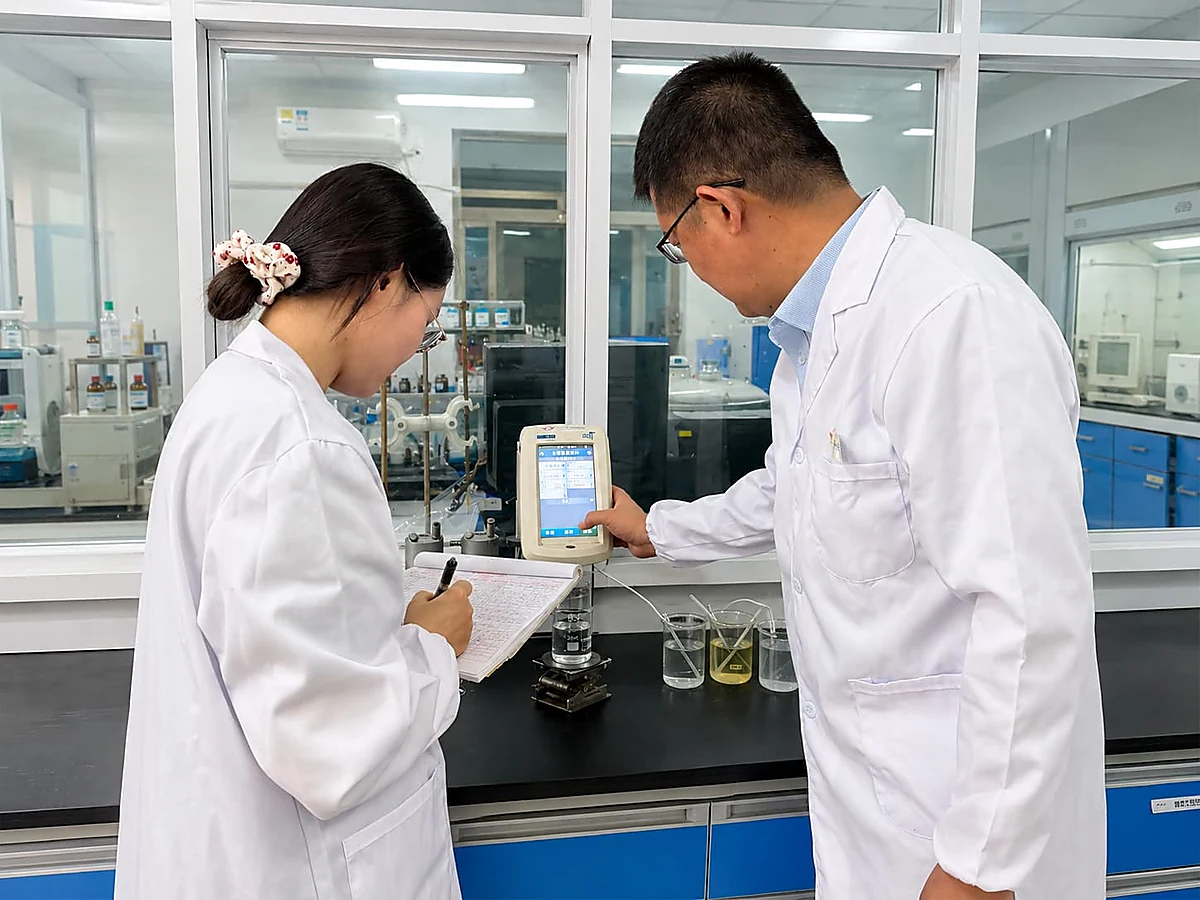
Tekstil ve Baskı Sektörü için Selüloz Türevleri Tedarikçisi: Tek Elinden İhracat Tedarik Rehberi
Selüloz türevleri, tekstil baskısı, baskı macunu hazırlığı, kıvam artırma ve formülasyon desteği alanlarında yaygın olarak kullanılmaktadır. Bu kılavuz, yurtdışı alıcıların FSX Chemical’dan CMC, CMS, sodyum aljinat, tekstil baskı kıvam artırıcıları ve baskı macunu ürünlerini, TDS, COA, numune testi, kalite eşleştirme ve ihracat belgeleri desteği ile nasıl temin edebileceklerini açıklamaktadır.
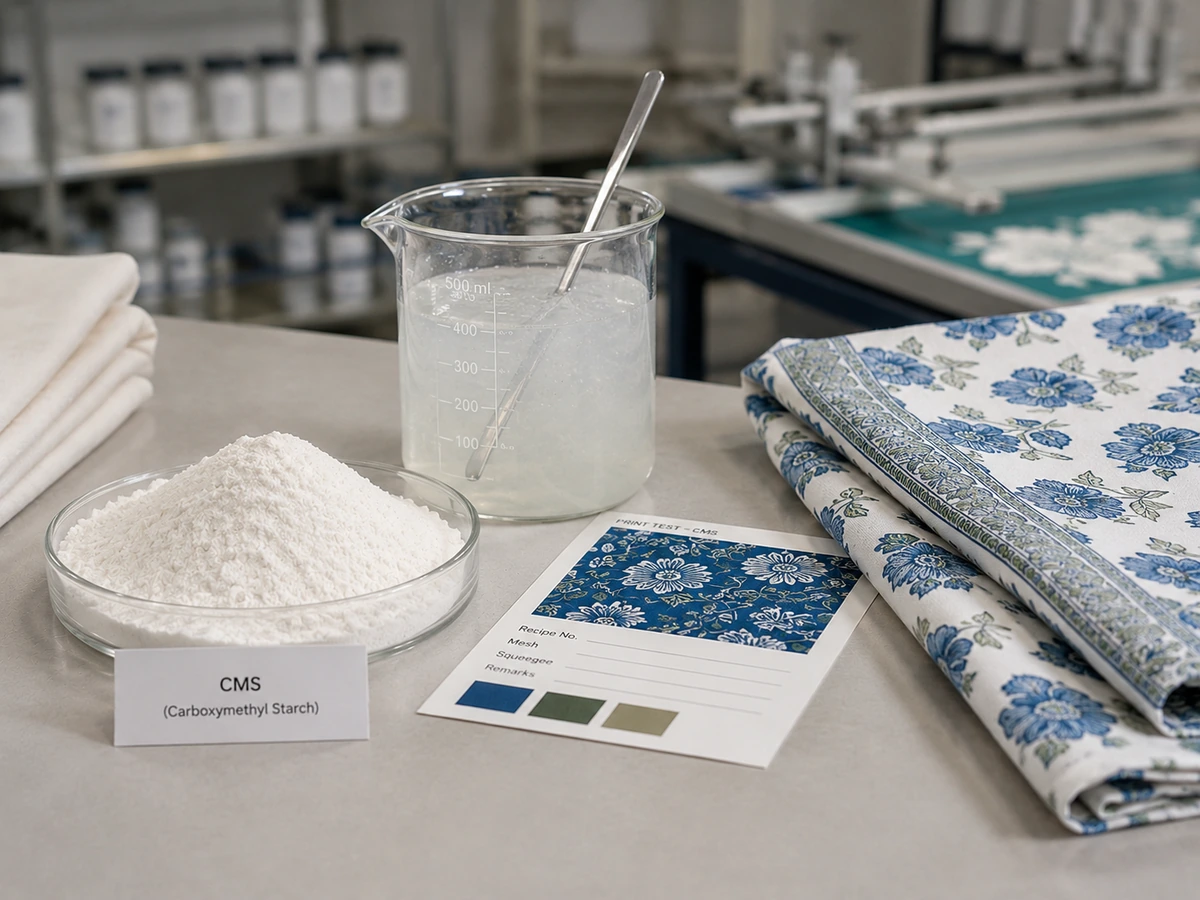
Tekstil Endüstrisi Kimyasalları Tedarikçisi: Baskı Sektöründeki Alıcılar İçin Ürün Eşleştirme Kılavuzu
Tekstil endüstrisi kimyasallarını seçmek, sadece ürün isimlerini karşılaştırmaktan ibaret değildir. Bu kılavuz, tekstil baskı alıcılarının CMC, CMS, sodyum aljinat, tekstil baskı kıvamlandırıcıları ve baskı macunu ürünlerini uygulama alanı, teknik özellikler, TDS, COA, numune testi ve parti tutarlılığı açısından nasıl eşleştirebileceklerini açıklamaktadır.
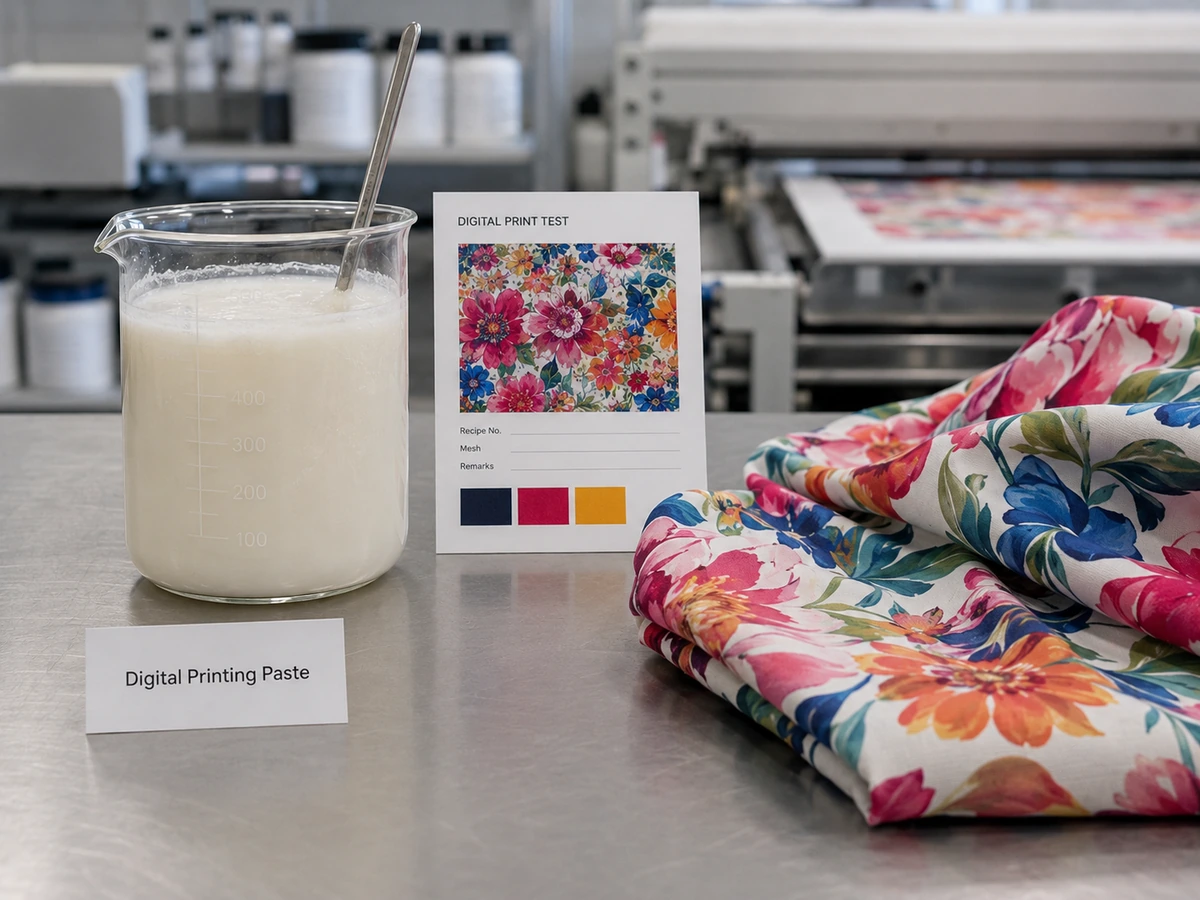
Tekstil ve Baskı Sektörüne Yönelik Kimyasal Formülasyon Desteği: Alıcıların Sağlaması Gerekenler
Tekstil baskısı için kimyasal formülasyon desteği, net uygulama bilgileriyle başlamalıdır. Bu kılavuz, alıcıların CMC, CMS, sodyum aljinat, tekstil baskı kıvamlaştırıcıları ve baskı macunu ürünleri için ürün eşleştirme, formülasyon ayarlaması, numune testi, TDS, COA, SDS ve teknik destek talep ederken neleri sağlamaları gerektiğini açıklamaktadır.
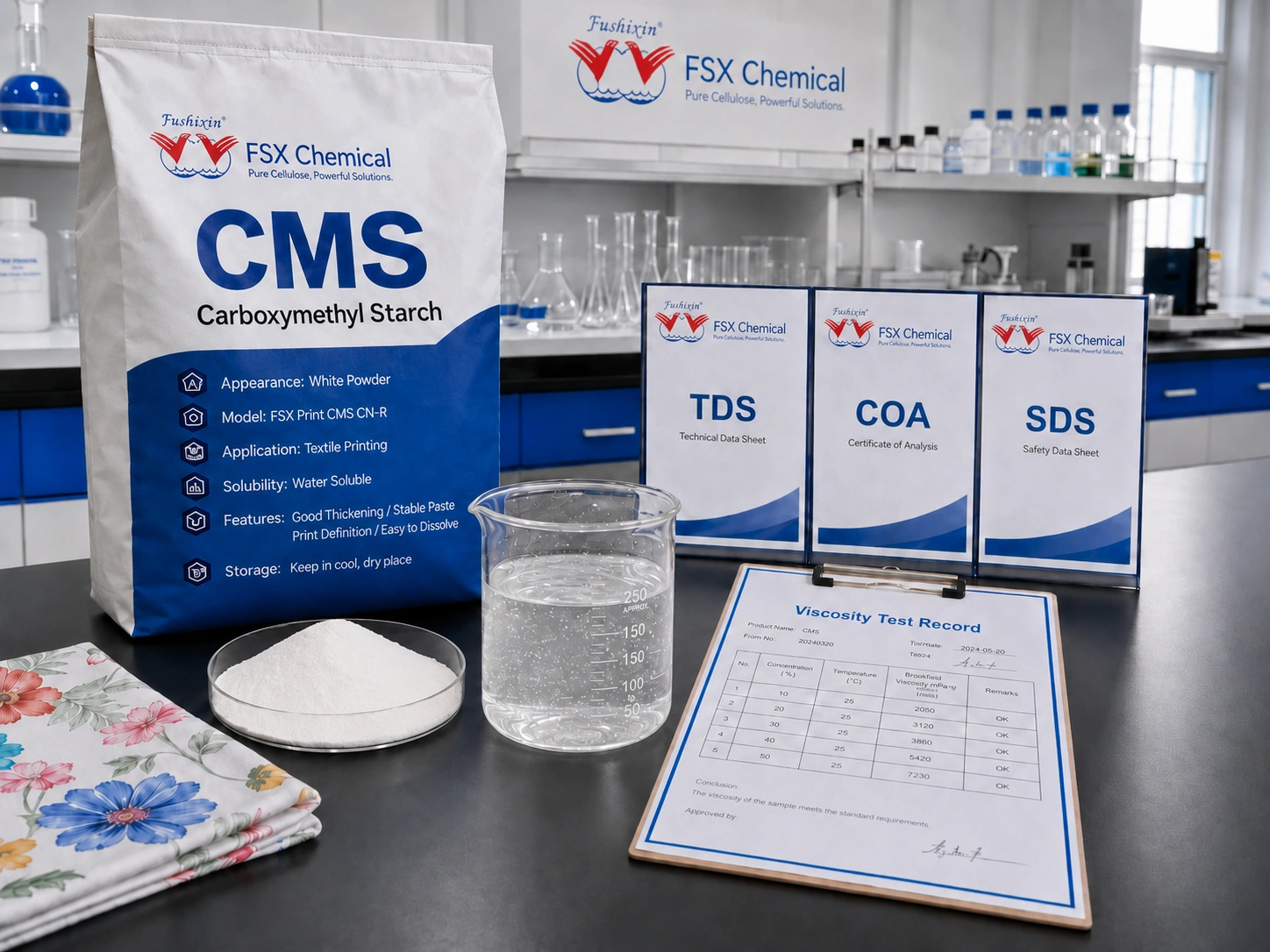
Tekstil Astarlaması ve Dijital Baskı için Karboksimetil Nişasta (CMS) Nasıl Seçilir?
Karboksimetil Nişasta (CMS), belirli tekstil apaylaştırma, baskı macunu ve dijital baskı formülasyon sistemleri için değerlendirilebilir. Bu kılavuz, alıcıların toplu satın alma öncesinde viskozite derecesini, çözünme davranışını, pH değerini, nem oranını, film davranışını, formülasyon uyumluluğunu, TDS, COA, SDS belgelerini, numune testlerini ve parti tutarlılığını nasıl incelemeleri gerektiğini açıklamaktadır.
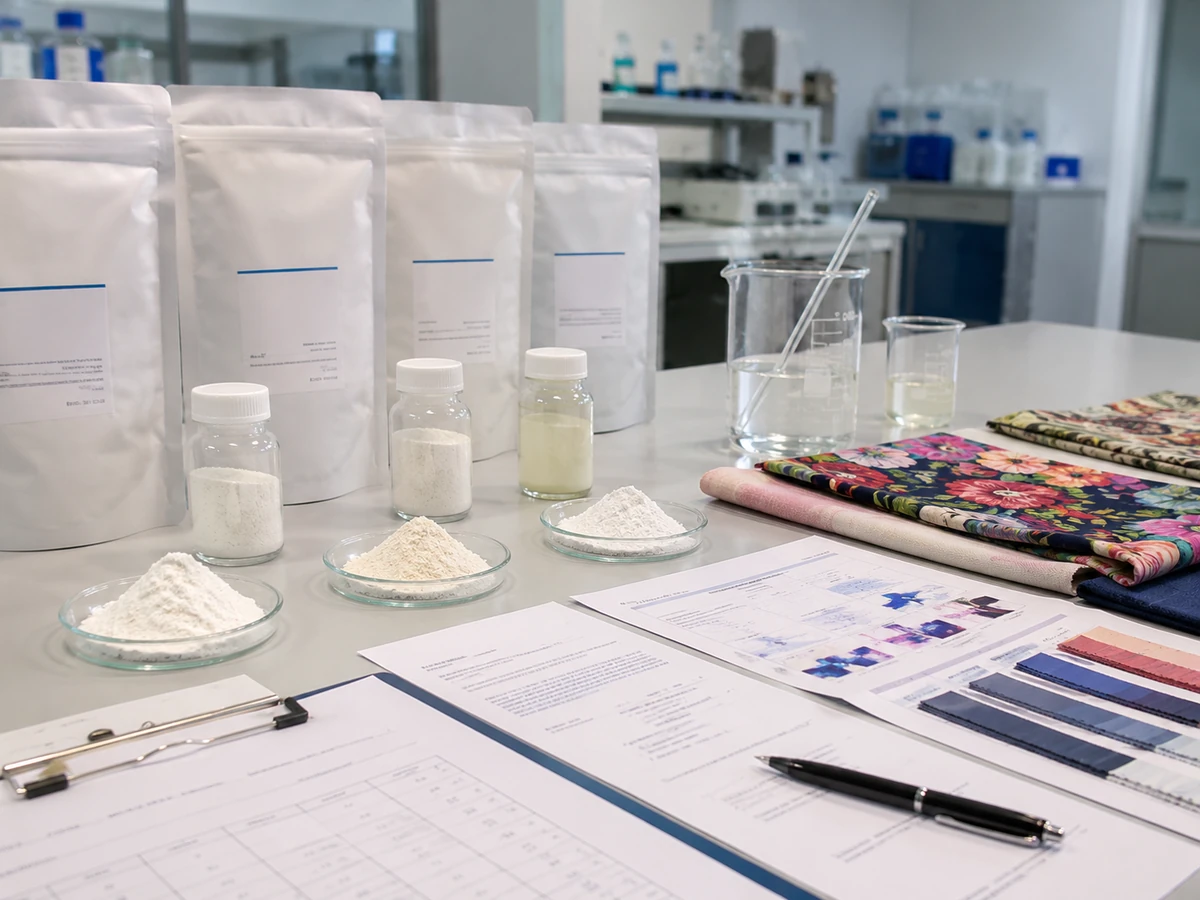
Kumaşınız İçin Doğru Tekstil Baskı Kalınlaştırıcısını Nasıl Seçersiniz?
Uygun tekstil baskı kıvamlaştırıcısının seçimi, sadece kumaş türüne bağlı değildir. Alıcılar, kıvamlaştırıcıyı boya veya pigment sistemine, baskı yöntemine, hedeflenen reolojiye, yıkama dayanıklılığı gereksinimlerine ve fiili fabrika deneme koşullarına uygun olarak seçmelidir.
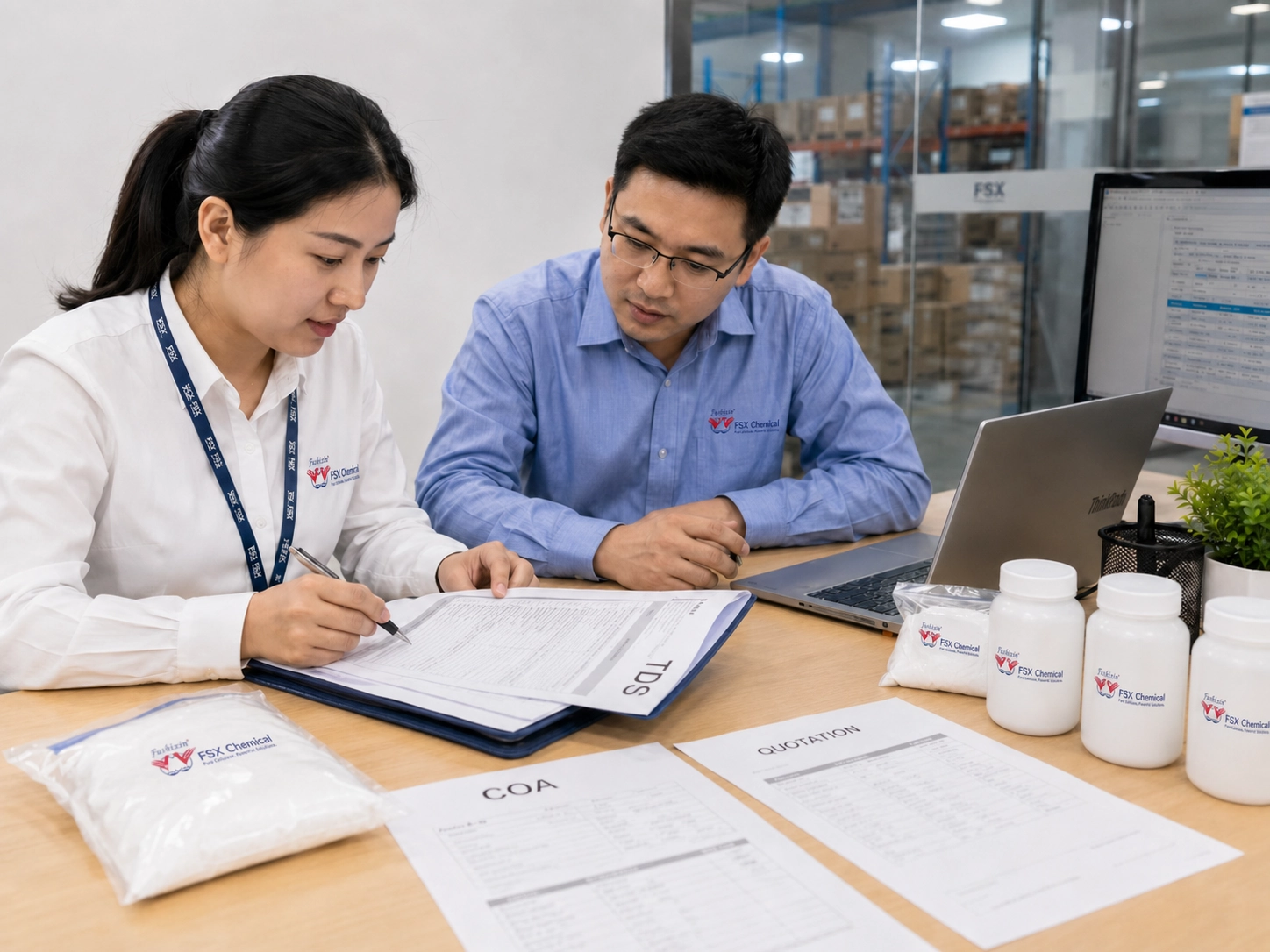
Textile Printing Chemicals and Their Functions: 10 Key Groups
Tekstil baskı performansı, tek bir evrensel katkı maddesine değil, uyumlu bir kimyasal sisteme bağlıdır. Bu kılavuzda, on önemli kimyasal grup, işlevleri, hangi aşamalarda kullanıldıkları ve alıcıların üretim denemelerinden önce neleri doğrulamaları gerektiği açıklanmaktadır.
