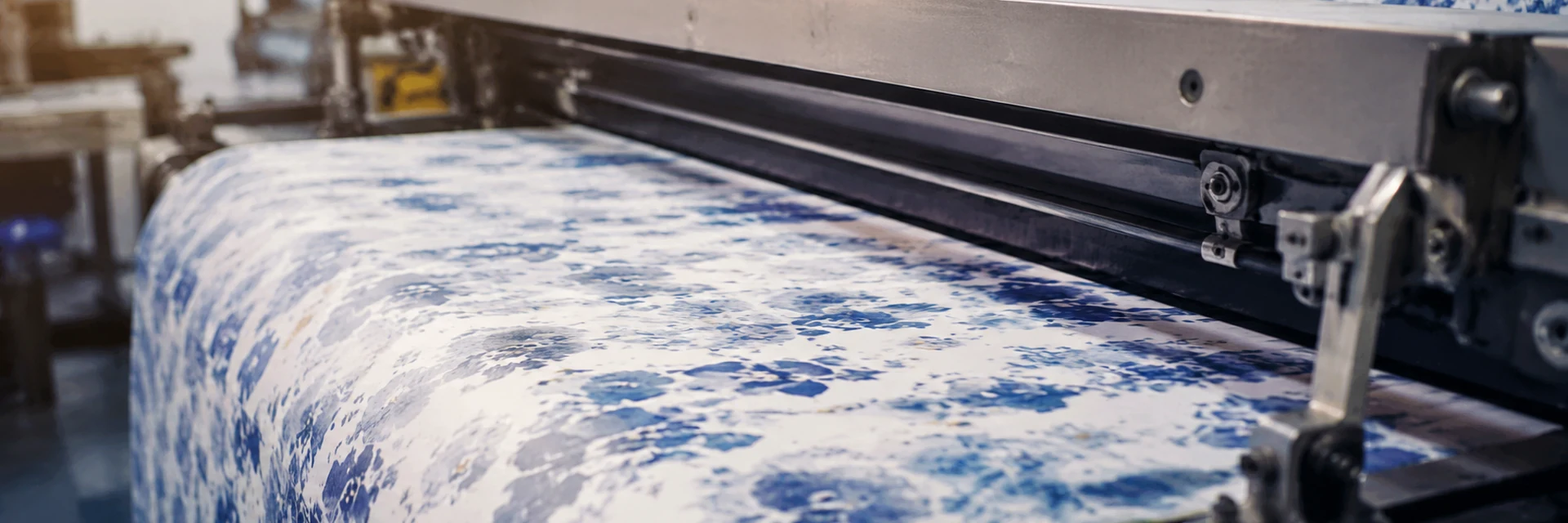
















How CMC Supports Textile Printing Paste
Carboxymethyl cellulose is used as a textile printing thickener, viscosity modifier and paste stabilizer. In a matched formulation, CMC can support paste body, print definition, water retention, process stability and cost control in selected textile printing and industrial applications.
Viscosity Development
Builds practical paste viscosity and body at a controlled dosage, helping mills adjust flow and application stability.
Print Definition
Supports stable paste transfer and cleaner pattern edges when the grade, viscosity and formulation are properly matched.
Controlled Paste Flow
Helps balance flow, penetration and screen release for rotary screen, flat screen and selected coating applications.
Water Retention
Supports moisture retention and working stability during paste preparation, storage and the printing process.
Formulation Compatibility
Can be evaluated with dyes, auxiliaries and existing thickener systems under the customer’s actual formulation conditions.
Cost-Control Route
CMC can support formulation cost adjustment after laboratory matching and controlled production trials.
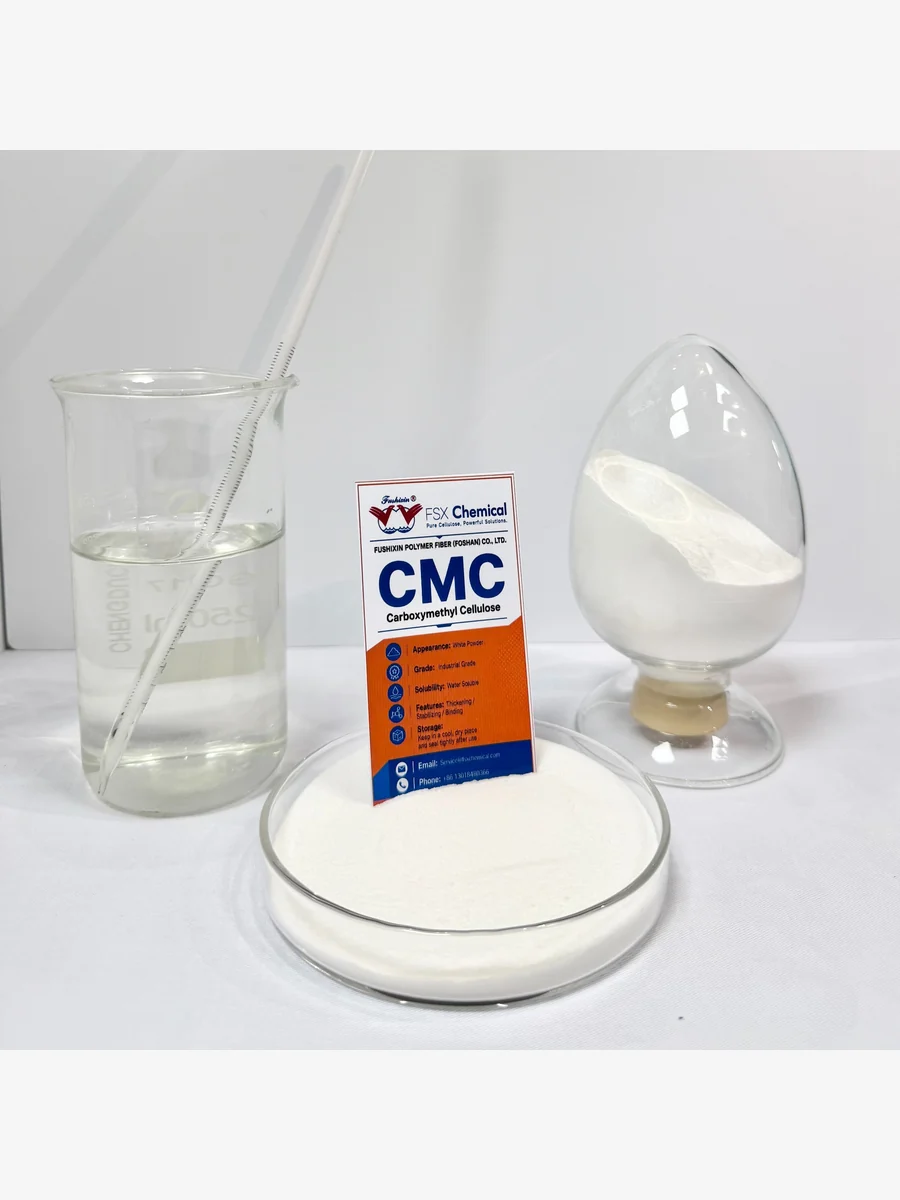
CMC Grade Matching by DS and Function
How to Evaluate CMC Printing Performance
When testing CMC alone or in a blended thickener system, compare paste consistency, print definition, formula compatibility, wash-off, fabric hand feel and trial repeatability under matched production conditions.
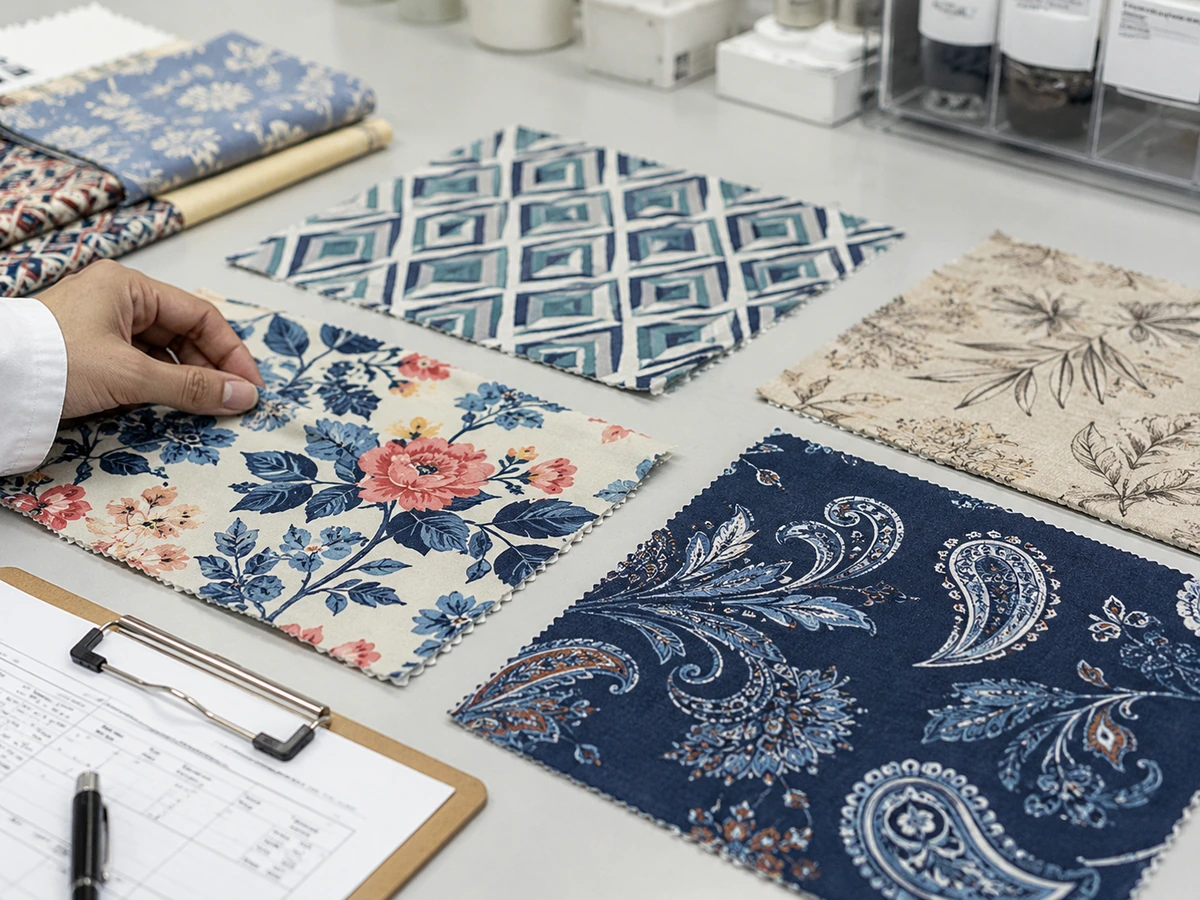
Compare results under the same fabric, colorant, formula and process conditions. Confirm the selected CMC route through laboratory and controlled production trials.
Six Performance Indicators to Compare
Use the same preparation and printing conditions when comparing a CMC grade with the current thickener system.
Paste Consistency
Check whether viscosity and paste body remain stable during preparation, storage and the printing run.
Print Definition
Compare edge sharpness, fine-line reproduction, penetration and pattern accuracy against the target result.
Formula Compatibility
Look for separation, gel particles, uneven hydration or unexpected viscosity changes after mixing.
Wash-Off and Background Clarity
After washing, check the unprinted background for residue, haze, staining or incomplete paste removal.
Fabric Hand Feel
Assess stiffness, surface residue and overall fabric feel after the intended washing and finishing process.
Trial Repeatability
Repeat the same formula and test method to compare viscosity, paste behavior, shade consistency and final print effect.