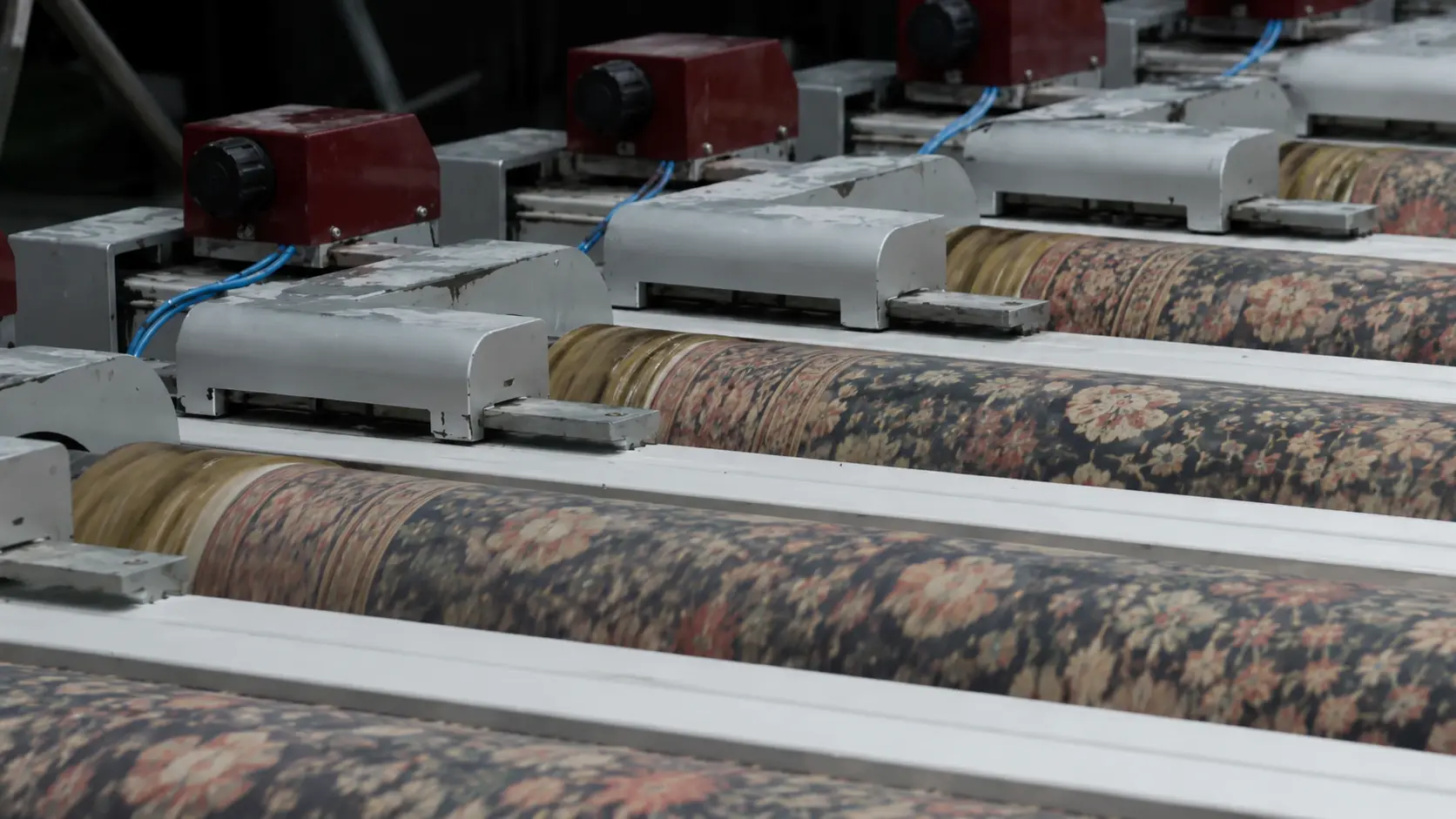
Key Factors Affecting Viscosity in Textile Printing Pastes
Printing-paste viscosity is influenced by thickener chemistry, concentration, hydration, water quality, pH, temperature, mixing, formulation...
Printing-paste viscosity is influenced by thickener chemistry, concentration, hydration, water quality, pH, temperature, mixing, formulation components and storage conditions. This guide explains how textile printers can control these variables and compare thickener grades under repeatable test conditions.
Viscosity is one of the most frequently checked properties in textile printing paste. It affects paste preparation, pumping, screen passage, transfer to the fabric, penetration, outline definition and stability during production.
However, printing-paste viscosity is not controlled by the thickener alone. The measured value can change with concentration, water quality, pH, temperature, mixing conditions, formulation ingredients, resting time and the test method itself.
This means that a viscosity difference does not automatically indicate a defective thickener. Before changing a supplier or rejecting a batch, technical teams should identify which variable changed and repeat the test under controlled conditions.
Why Viscosity Matters in Textile Printing
A printing paste must remain stable before use, move through the printing equipment under shear and recover sufficiently after it is transferred to the fabric. If the paste is too fluid under the relevant conditions, it may spread beyond the intended design or penetrate differently from the approved production standard.
If the paste is too resistant to flow, it may be difficult to mix, filter, pump or transfer through the screen. Excessive resistance can also affect paste release and make machine cleaning more difficult.
Low apparent viscosity may be associated with
Insufficient thickener dosage
অসম্পূর্ণ হাইড্রেশন
Unexpected electrolyte or alkali effects
High sample temperature
অত্যধিক পাতলীকরণ
Prolonged or unsuitable mechanical shear
Incompatible formulation components
Incorrect viscosity-measurement conditions
High apparent viscosity may be associated with
Excessive thickener dosage
Lower-than-normal sample temperature
Longer hydration or resting time
Water-loss or evaporation during storage
An incorrect weighing or concentration calculation
A different thickener grade or batch
Changes in the measurement spindle or rotational speed
These symptoms are useful starting points, but they do not identify the cause by themselves. The complete formulation and testing history should be reviewed before corrective action is taken.
Viscosity Is Not the Same as Complete Rheological Performance
A single viscosity number describes the result measured under one defined condition. It does not fully describe how a printing paste behaves during mixing, pumping, screen passage, transfer and recovery on the fabric.
Many textile printing pastes show non-Newtonian behavior. Their apparent viscosity changes when the applied shear condition changes. A paste may appear thick while standing but flow more easily when it is mixed or forced through a screen.
Shear-thinning behavior
In a shear-thinning system, apparent viscosity decreases as shear increases. This behavior can help a paste move through production equipment while still providing sufficient body under lower-shear conditions.
Two grades can therefore produce a similar reading at one rotational speed but behave differently at another speed or in the printing machine. Comparing only one number may overlook an important application difference.
Structural recovery
After passing through the screen or coating equipment, the paste should recover enough structure to support the intended print outline and penetration. Recovery that is too slow or too limited may contribute to spreading, while excessive structure can affect leveling and transfer.
The preferred rheological profile depends on the printing method, screen, fabric, color system and design. There is no universal viscosity target suitable for every textile printing process.
1. Thickener Chemistry and Grade
Thickener chemistry is one of the main factors determining viscosity, hydration, electrolyte response and flow behavior. Even products in the same chemical family may have different commercial specifications and application characteristics.
সোডিয়াম অ্যালজিনেট
সোডিয়াম অ্যালজিনেট is commonly evaluated as a thickener for reactive dye printing. Different grades can vary in viscosity, solution behavior, filtration performance and suitability for specific paste formulations.
A sodium alginate grade should be selected according to the required application rather than viscosity alone. Dye system, electrolyte level, preparation conditions, screen performance, fixation and wash-off should be considered together.
কার্বক্সিমেথাইল সেলুলোজ
কার্বক্সিমেথাইল সেলুলোজ (CMC) is available in different viscosity, substitution and purity ranges. These differences may influence hydration, solution clarity, salt tolerance and compatibility with other formulation components.
A CMC grade used in one textile process should not automatically be transferred to another process without testing. Printing, sizing and auxiliary formulations may require different grade characteristics.
কার্বক্সিমেথাইল স্টার্চ
কার্বক্সিমেথাইল স্টার্চ (CMS) may be used in selected textile printing and sizing formulations. Its performance depends on the grade, concentration, preparation method and compatibility with the complete chemical system.
Compound thickeners and digital printing pastes
Compound thickeners may combine different materials to create a particular balance of hydration, rheology, filtration and cost in use. The performance of a compound product cannot be predicted from a single viscosity value.
For digital pretreatment applications, a dedicated ডিজিটাল প্রিন্টিং পেষ্ট may need to balance viscosity with filtration, coating uniformity, fabric penetration and compatibility with the selected ink and pretreatment process.
2. Thickener Concentration
Thickener concentration has a direct influence on apparent viscosity, but the relationship is not always linear. A relatively small dosage change can produce a noticeable viscosity difference, especially in concentrated polymer systems.
Use the same concentration basis
Concentration should be reported clearly as weight percentage or another agreed basis. The laboratory should also define whether the calculation is based on the supplied product, dry matter or active content.
Comparing one sample at 2% with another at 2.5% does not provide a like-for-like grade comparison. The reference and candidate should first be tested at the same concentration and under the same preparation conditions.
Check weighing and total batch volume
Incorrect weighing, incomplete transfer from the container or inconsistent final batch weight can change the real concentration. These preparation errors may be mistaken for product inconsistency.
For laboratory comparisons, use calibrated weighing equipment, identical containers and a recorded preparation sheet.
3. Dispersion and Hydration
Powdered thickeners need to disperse and hydrate before their expected viscosity develops. Poor dispersion can create lumps with a hydrated surface and a dry interior, reducing the effective amount of thickener available to build viscosity.
Hydration time
Some grades develop viscosity quickly, while others require a longer mixing or resting period. Measuring one sample immediately and another after complete hydration can create an artificial difference.
The preparation procedure should define mixing time, resting time and the point at which the sample is considered ready for measurement.
Powder-addition rate
Adding powder too quickly can promote lump formation. A controlled addition rate and sufficient liquid movement usually provide a more uniform dispersion.
The suitable method depends on the product form, equipment and batch size. Follow the grade-specific preparation guidance supplied in the TDS or application instructions.
Particle-size effects
Particle size can influence wetting, dusting, dispersion and hydration speed. A faster-hydrating grade may not always be the best choice if the available mixing system cannot disperse it uniformly.
4. Water Quality and Electrolytes
Water is a major part of most textile printing pastes. Changes in hardness, dissolved salts, conductivity or contamination can influence thickener hydration and apparent viscosity.
Hardness and dissolved ions
Calcium, magnesium and other dissolved ions may interact differently with different thickener systems. A grade that performs consistently in laboratory water may behave differently in factory process water.
When unexplained viscosity changes occur, compare the water source, conductivity, hardness and treatment condition used for the approved and affected batches.
Added salts and electrolytes
Reactive printing and other textile formulations may contain salts, alkalis or ionic auxiliaries. These materials can alter polymer-chain interactions and change the apparent viscosity of the final paste.
Salt tolerance should therefore be evaluated in the complete formulation, not only in a thickener-and-water solution.
Use actual process water during approval
Supplier screening can begin with controlled laboratory water, but final grade approval should include the buyer’s actual process water where practical. This reduces the risk of differences between laboratory and production performance.
5. pH, Alkali and Chemical Compatibility
Changes in pH can affect the hydration, stability and flow behavior of some printing-paste systems. Alkali can also influence other ingredients in the formulation, producing an indirect viscosity change.
Record pH at the correct preparation stage
The pH of the thickener stock paste may differ from the pH after dyes, binders, alkalis and auxiliaries are added. For troubleshooting, record both the preparation stage and the time at which the pH was measured.
Avoid assuming that all grades have the same pH tolerance
Different thickener chemistries and grades can respond differently to acidic, neutral or alkaline conditions. Supplier information can be used for initial screening, but the complete production formulation should still be tested.
Check for delayed changes
Some incompatibility problems are not visible immediately after mixing. Measure the paste after the normal factory holding time to identify delayed thinning, thickening, separation or sedimentation.
6. Temperature
Temperature affects both polymer hydration and the viscosity measurement. In many liquid systems, a warmer sample gives a lower apparent viscosity reading than the same sample measured at a cooler temperature.
Control measurement temperature
Supplier and buyer results should not be compared unless the measurement temperatures are known. Even when the same instrument and spindle are used, a temperature difference can produce a different result.
The test method should state the target temperature and the acceptable range before measurement.
Consider preparation temperature
Water temperature can influence wetting and hydration speed. Excessively cold or hot water may produce different preparation behavior from the supplier’s recommended method.
Monitor factory conditions
Seasonal temperature changes, heat generated during high-speed mixing and warm production areas can all affect paste readings. Temperature should be recorded whenever viscosity trends are compared over time.
7. Mixing Speed, Time and Shear
Mixing provides the movement needed to wet, disperse and hydrate a thickener. However, different impellers, vessel shapes, batch sizes and rotational speeds create different shear conditions.
Insufficient mixing
Insufficient mixing may leave dry particles, lumps or nonuniform regions. The measured viscosity may then depend on where the sample is taken from the container.
Excessive mechanical treatment
Prolonged or unnecessarily intense mixing may change the structure or temperature of the paste. The effect depends on the thickener chemistry, formulation and equipment.
A laboratory mixer operating at the same displayed speed as a production mixer does not necessarily produce the same shear environment. Scale-up should therefore be confirmed through a production-relevant trial.
Standardize the mixing procedure
Record mixer type and impeller design
Record rotational speed or equipment setting
Use the same container size for comparative tests
Define mixing and resting times
Monitor sample temperature after mixing
Record the batch size and filling level
8. Order of Addition
The sequence in which water, thickener, dyes, pigments, salts, alkalis, binders and auxiliaries are added can influence dispersion and final viscosity.
Adding an electrolyte before a polymer is fully hydrated may produce a different result from adding the same electrolyte after stock-paste preparation. A binder or auxiliary may also interfere with wetting if it is introduced too early.
Use a written preparation sequence
A reliable formulation should include more than a list of ingredients. It should specify the order of addition, mixing time after each step, temperature and resting period.
When troubleshooting, compare the actual operator procedure with the approved written procedure. Changes made for convenience during production can be an overlooked source of viscosity variation.
9. Dyes, Pigments, Binders and Auxiliaries
A thickener is only one component of a printing paste. Colorants, binders, alkalis, salts, humectants, defoamers, preservatives and other auxiliaries can change viscosity or flow behavior.
Dyes and pigments
Different dye or pigment preparations may introduce salts, dispersing agents, solvents or other components into the paste. Changing the colorant supplier or concentration can therefore affect the final viscosity even when the thickener remains unchanged.
বাইন্ডারসমূহ
Pigment-printing binders can interact with thickeners and other auxiliaries. Compatibility should be evaluated in the complete pigment paste at the intended binder concentration.
Defoamers, wetting agents and other auxiliaries
Some auxiliaries can change surface behavior, dispersion or the measured rheology of the formulation. An auxiliary should not automatically be assumed neutral to viscosity because it is used at a relatively low dosage.
Preservatives and microbial condition
Water-based pastes stored for extended periods may require appropriate microbial control. Contamination can cause odor, gas formation, separation or viscosity loss in susceptible formulations.
Preservative selection and use should follow the applicable product, workplace and regulatory requirements. Do not add or change a preservative without a controlled compatibility review.
10. Resting Time, Storage and Paste Age
Printing-paste viscosity may continue to change after mixing. Some systems need a defined resting period to complete hydration, while others may gradually lose or gain apparent viscosity during storage.
Measure at agreed time points
For meaningful comparison, define when the first reading will be taken. Useful checkpoints may include immediately after preparation, after the standard hydration period and after the normal production holding time.
Control evaporation
An uncovered container can lose water and become more concentrated. Evaporation may be incorrectly interpreted as thickener development or batch variation.
Record storage conditions
Container type and closure
Storage temperature
Preparation date and time
Paste age at measurement
Agitation before sampling
Visible separation, settling or surface skin
Old paste should not be compared directly with newly prepared paste unless ageing is the specific subject of the test.
11. Raw-Material and Batch Variation
Industrial thickeners are supplied according to agreed specifications, but normal batch variation can still exist within those limits. The practical question is whether the variation remains acceptable for the customer’s formulation and process.
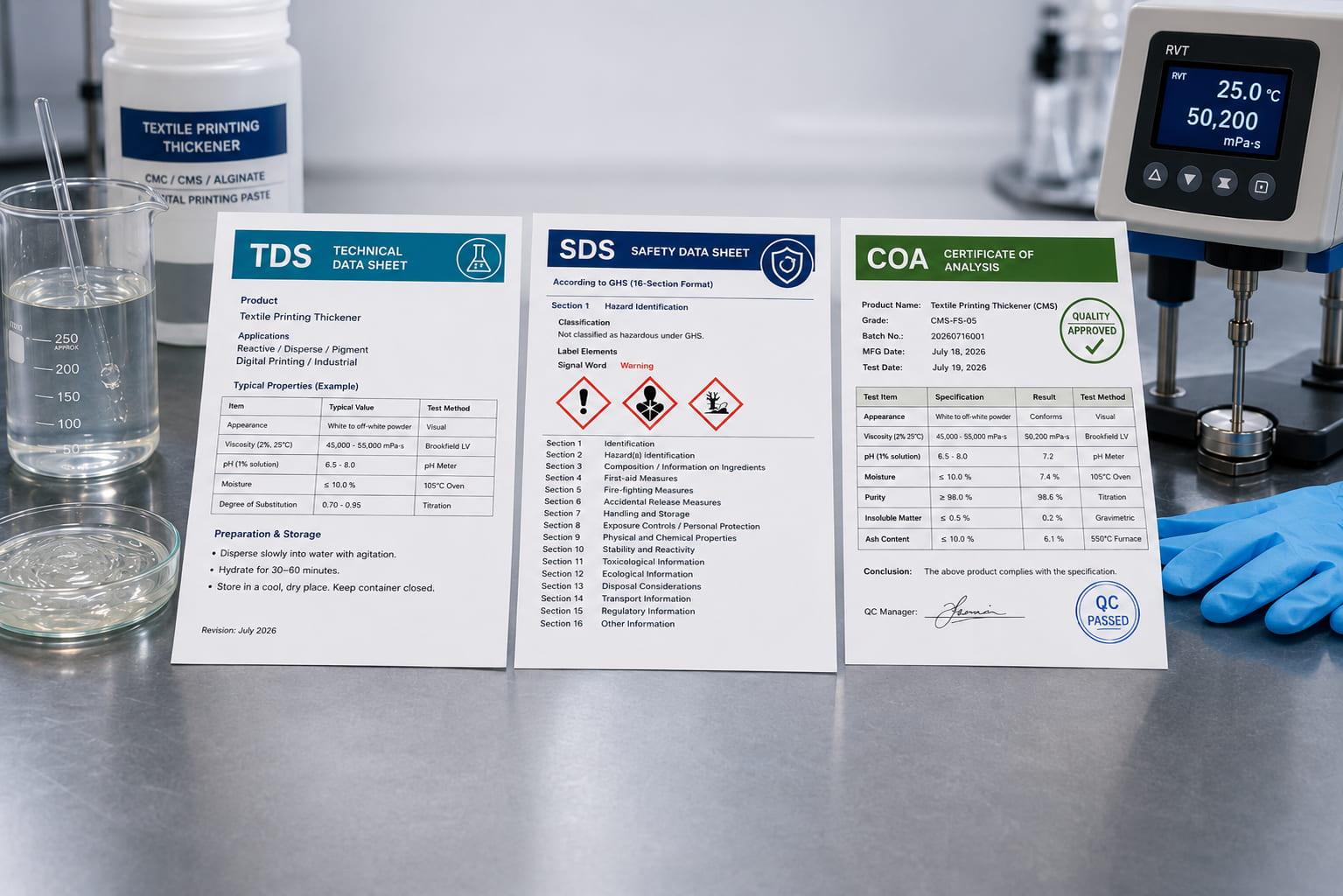
Review the Certificate of Analysis
The batch COA may report selected properties such as viscosity, moisture, pH or other agreed parameters. Buyers should confirm that the reported viscosity method matches the method defined in the specification.
A batch cannot be compared correctly when one COA reports viscosity at one concentration and another document uses a different concentration or instrument condition.
Use incoming inspection
Incoming inspection can include package condition, batch identity, appearance, a standardized viscosity test and, where necessary, a small application test.
High-risk or newly approved grades may require closer monitoring during the first commercial deliveries before the normal inspection frequency is established.
Retain representative samples
Retained samples can help determine whether a later production problem is related to the supplied batch, storage conditions or the customer’s formulation process.
12. Viscosity Measurement Method
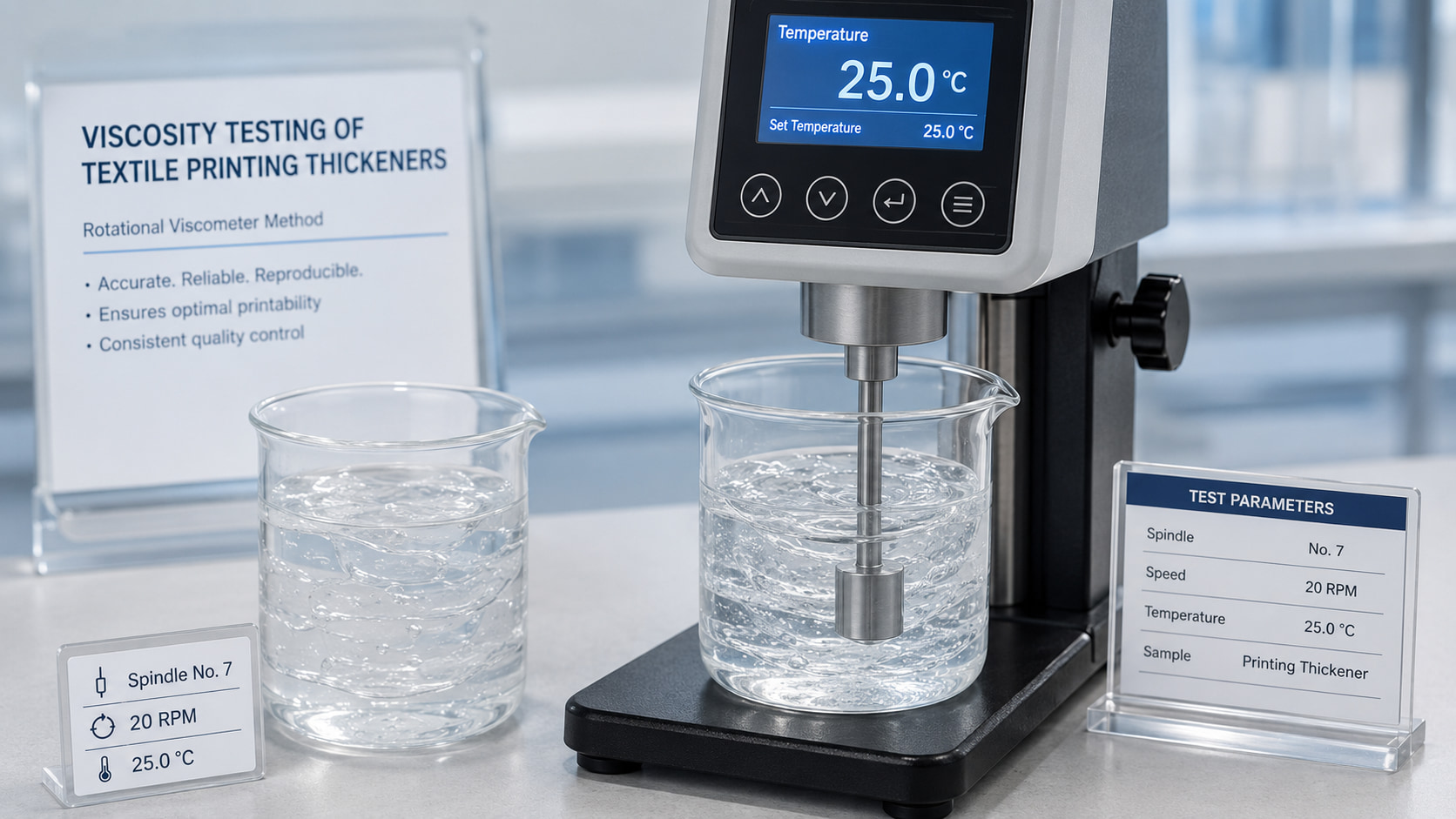
A viscosity value is incomplete unless the test conditions are stated. Concentration, temperature, instrument, spindle, rotational speed, hydration time and reading procedure can all change the reported result.
Information required for a repeatable viscosity test
Product concentration and calculation basis
Water source and water quality
Preparation temperature
Mixer type, speed and mixing time
জলপান বা বিশ্রামের সময়
পরিমাপের তাপমাত্রা
Viscometer model or measurement principle
স্পিন্ডল, রোটর বা জ্যামিতি
Rotational speed or shear condition
Sample container and filling level
Time allowed before recording the reading
প্রতিবেদিত ইউনিট
Do not compare results from different methods directly
A value measured with one instrument, spindle or speed should not be treated as equivalent to a value obtained using another method. Supplier and buyer values may both be correct within their own procedures while still appearing different.
When a dispute occurs, prepare the reference and questioned samples together and test them using one agreed method. This side-by-side procedure is usually more useful than comparing isolated COA numbers.
Sample location matters
A nonuniform or settled paste can give different readings from the top, middle and bottom of the container. Define whether the sample should be mixed before testing and how it should be transferred to the measurement vessel.
How to Troubleshoot Printing-Paste Viscosity
Viscosity troubleshooting should begin with process verification rather than an immediate dosage adjustment. Adding more thickener may temporarily change the reading without correcting the original cause.
Observed Issue
Possible Factors to Check
Recommended First Action
Viscosity is lower than the approved standard
Concentration, incomplete hydration, high temperature, water quality, salts, alkali, excessive dilution or test settings
Reprepare the reference and affected sample using the same water, temperature and test method.
সান্দ্রতা প্রত্যাশার চেয়ে বেশি।
Excess dosage, low temperature, water evaporation, longer resting time or incorrect spindle and speed
Verify weighing records, sample temperature, storage condition and instrument settings.
Compare performance under several test speeds and conduct a production-relevant application trial.
সংরক্ষণের সময় সান্দ্রতা পরিবর্তিত হয়
Continued hydration, evaporation, temperature variation, contamination or delayed incompatibility
Measure at defined time points in closed containers and record the storage conditions.
Supplier and buyer results do not match
Different concentration, instrument, spindle, speed, temperature, hydration time or water source
Exchange the complete test methods and conduct a side-by-side test using one agreed procedure.
Only one color formulation shows abnormal viscosity
Dye, pigment, binder, salt or auxiliary differences
Compare the affected formulation with the standard formula one component at a time.
A practical troubleshooting sequence
Confirm the product name, grade and batch number.
Verify the weighing record and real concentration.
Check the water source, temperature and preparation sequence.
Confirm mixing speed, mixing time and hydration time.
Review pH, salt, alkali and auxiliary additions.
Check sample storage time and container condition.
Confirm the viscometer, spindle, speed and temperature.
Prepare the approved reference and affected sample side by side.
Test the complete formulation rather than water solution alone.
Conduct an application trial before making a supplier decision.
What Buyers Should Check When Selecting a Thickener
Buyers should not select a printing thickener using viscosity and price alone. The grade should be evaluated according to the intended fabric, colorant system, printing equipment, preparation method and final quality requirements.
Technical information to request
Permanent product and grade code
Current Technical Data Sheet
Current Safety Data Sheet
Viscosity range and complete test method
Recommended concentration and preparation method
pH and moisture specification where relevant
Relevant substitution or purity information where applicable
Filtration or residue information where required
Recommended application and known limitations
Representative sample for laboratory evaluation
Application information to provide to the supplier
তন্তু ও সুতোর গঠন
Reactive, pigment, disperse, acid or digital process
রঞ্জক, পিগমেন্ট বা কালি ব্যবস্থা
Printing or coating equipment
Current thickener and dosage
Target viscosity and complete measurement method
Water source and relevant process conditions
বর্তমান উৎপাদন সমস্যা
Required paste holding time
Final print-quality requirements
Compare cost in use
A higher-viscosity grade is not automatically more economical. Buyers should compare the dosage needed for acceptable application performance, hydration time, mixing requirements, filtration, machine behavior, wash-off and production consistency.
The lowest price per kilogram may not provide the lowest total production cost if the product requires a higher dosage or creates additional processing problems.
How FSX Chemical Supports Viscosity Grade Matching
FSX Chemical supplies CMC, CMS, sodium alginate and digital printing paste for different textile printing and formulation requirements. Candidate grades can be reviewed according to the customer’s process, existing product and target viscosity method.
To begin a technical review, buyers can provide the current TDS or product sample together with the fabric, printing method, formulation, dosage, water condition and viscosity test procedure📧 ইমেইল: Service@fsxchemical.com
Available matching support may include
Review of the existing product specification or TDS
Selection of a suitable starting grade
Provision of the relevant TDS and SDS
Representative samples for laboratory testing
Guidance for side-by-side viscosity comparison
Support for reviewing laboratory and application results
Batch documentation for the selected commercial grade
A candidate should be treated as a proposed matching grade rather than an automatically approved replacement. Final approval should be based on the customer’s controlled laboratory and production-relevant tests.
জানুন কেন টেক্সটাইল প্রিন্টিং থিকেনার সান্দ্রতা (ভিসকোসিটি) মানগুলো তুলনা করা যায় না যদি না সেগুলোর ঘনত্ব, তাপমাত্রা, যন্ত্র, স্পিন্ডল, গতি, প্রস্তুতি পদ্ধতি এবং পরীক্ষার সময় মিল থাকে।.
কাপড়, রঞ্জক বা কালি, স্থিরীকরণ, ধুয়ে ফেলার এবং মুদ্রণ-মানের প্রয়োজনীয়তার ভিত্তিতে প্রতিক্রিয়াশীল, বিচ্ছুরিত, পিগমেন্ট এবং ডিজিটাল টেক্সটাইল প্রিন্টিংয়ের জন্য ঘনকারী ও প্রিট্রিটমেন্ট পদ্ধতি কীভাবে নির্বাচন করবেন তা শিখুন।.
TDS, SDS এবং COA ডকুমেন্টের মধ্যে পার্থক্য শিখুন, টেক্সটাইল প্রিন্টিং ক্রেতাদের কী যাচাই করা উচিত এবং স্পেসিফিকেশন, নিরাপত্তা তথ্য, পরীক্ষা পদ্ধতি, ব্যাচ ফলাফল ও ডকুমেন্ট ইস্যুকারী কীভাবে যাচাই করবেন।.
টেক্সটাইল প্রিন্টিংয়ের জন্য CMC, CMS, সোডিয়াম অ্যালজিনেট এবং ডিজিটাল প্রিন্টিং পেষ্টের তুলনা করুন। প্রতিটি পদ্ধতি কীভাবে রিয়্যাক্টিভ, ডিসপার্স, পিগমেন্ট এবং ডিজিটাল প্রক্রিয়ার সঙ্গে খাপ খায় এবং নমুনা পরীক্ষা, গ্রেড মিলान ও বৃহৎ পরিমাণে ক্রয়ের আগে ক্রেতাদের কী কী বিষয় পর্যালোচনা করা উচিত তা শিখুন।.
সোডিয়াম অ্যালজিনেট টেক্সটাইল প্রিন্টিং-এ রিঅ্যাক্টিভ প্রিন্টিং পেষ্টের জন্য একটি স্থিতিশীল ও ধোয়াযোগ্য ঘনকারী হিসেবে ব্যাপকভাবে ব্যবহৃত হয়। কেনার আগে সান্দ্রতা গ্রেড, বিশুদ্ধতা এবং প্রয়োগের উপযোগিতা কীভাবে মূল্যায়ন করবেন এবং FSX কেমিক্যাল কীভাবে প্রযুক্তিগত তথ্য ও নমুনা দিয়ে বিশ্বব্যাপী ক্রেতাদের সহায়তা করে তা জানুন।.
কার্বক্সিমেথাইল সেলুলোজ (CMC) বস্ত্রের মুদ্রণ, সাইজিং এবং রঙ করার প্রক্রিয়ায় ব্যাপকভাবে ব্যবহৃত হয়। এই গাইডে CMC গ্রেডগুলো কীভাবে মূল্যায়ন করবেন, কোন প্যারামিটারগুলো সবচেয়ে গুরুত্বপূর্ণ এবং FSX Chemical কীভাবে ক্রয় সিদ্ধান্তে সহায়তা করতে পারে তা ব্যাখ্যা করা হবে।.
CMC-ভিত্তিক প্রিন্টিং পেষ্ট পিগমেন্ট, রিঅ্যাক্টিভ এবং ডিজিটাল টেক্সটাইল প্রিন্টিংয়ে ব্যবহৃত হয়। এই গাইডে কোন প্যারামিটারগুলো গুরুত্বপূর্ণ, সরবরাহকারীদের কীভাবে তুলনা করবেন এবং বড় অর্ডার দেওয়ার আগে কী জানতে হবে তা ব্যাখ্যা করা হয়েছে।.
টেক্সটাইল প্রিন্টিং-এ ঘনকারী হিসেবে সোডিয়াম অ্যালজিনেট এবং CMC উভয়ই ব্যবহৃত হয়, তবে এগুলো ভিন্ন রঞ্জক ব্যবস্থা ও প্রক্রিয়া শর্তের জন্য উপযুক্ত। এই গাইডে মূল পার্থক্যগুলো এবং কখন কোনটি ব্যবহার করতে হবে তা ব্যাখ্যা করা হয়েছে।.
প্রতিক্রিয়াশীল রঞ্জক টেক্সটাইল প্রিন্টিং-এ গ্রেড নির্বাচনের মতো সঠিক পেস্ট প্রস্তুতিও গুরুত্বপূর্ণ। এই গাইডে সোডিয়াম অ্যালজিনেট দ্রবীভবন পদ্ধতি, প্রয়োগ অনুযায়ী ঘনত্বের পরিসর, সংরক্ষণ শর্তাবলী এবং সাধারণ প্রস্তুতিজনিত সমস্যা সমাধানের উপায়সমূহ অন্তর্ভুক্ত রয়েছে।.
রঙ স্থিরীকরণ হার সরাসরি প্রভাবিত করে রঙের ফলন, ধোয়ার স্থায়িত্ব এবং দূষিত জল নির্গমনের পরিমাণ রিঅ্যাক্টিভ ডাই প্রিন্টিং-এ। এই গাইডে ব্যাখ্যা করা হয়েছে কীভাবে সোডিয়াম অ্যালজিনেট রঙ স্থিরীকরণে সহায়তা করে, কোন পেস্ট পরামিতিগুলো স্থিরীকরণ হারে প্রভাব ফেলে এবং উৎপাদনে কম স্থিরীকরণের সমস্যা কীভাবে সমাধান করতে হয়।.
সোডিয়াম অ্যালজিনেটের কণার আকার (মেস) পাউডার কত দ্রুত দ্রবীভূত হয়, কত সমভাবে হাইড্রেট হয় এবং ফলস্বরূপ তৈরি পেস্ট স্ক্রিন প্রিন্টিংয়ে কীভাবে কাজ করে তা প্রভাবিত করে। এই গাইডে টেক্সটাইল প্রিন্টিং পেস্ট প্রয়োগের জন্য মেস স্পেসিফিকেশনের ব্যবহারিক প্রভাবগুলি ব্যাখ্যা করা হয়েছে।.
প্রতিক্রিয়াশীল রঞ্জক টেক্সটাইল প্রিন্টিং-এ গ্রেড নির্বাচনের মতো সঠিক পেস্ট প্রস্তুতিও গুরুত্বপূর্ণ। এই গাইডে সোডিয়াম অ্যালজিনেট দ্রবীভবন পদ্ধতি, প্রয়োগ অনুযায়ী ঘনত্বের পরিসর, সংরক্ষণ শর্তাবলী এবং সাধারণ প্রস্তুতিজনিত সমস্যা সমাধানের উপায়সমূহ অন্তর্ভুক্ত রয়েছে।.
পণ্যের নাম, ব্যবহার, পরিমাণ, গন্তব্য এবং আপনার কাছে থাকা যেকোনো TDS, নমুনা ছবি বা ডকুমেন্ট শেয়ার করুন। FSX Chemical এই তথ্য পর্যালোচনা করবে এবং কোটেশন, নমুনা মিলানো বা পণ্য নির্বাচনের পরবর্তী ধাপের জন্য পরামর্শ দেবে।.
পণ্যের তথ্যপণ্যের নাম, গ্রেড, মডেল, লেবেলের ছবি বা সরবরাহকারীর রেফারেন্স।.

 BN
BN  EN
EN  ES
ES  TR
TR  FR
FR  ID
ID  RU
RU  AR
AR  UR
UR  VI
VI  TL
TL  HI
HI  UK
UK  KK
KK  KA
KA  UZ
UZ