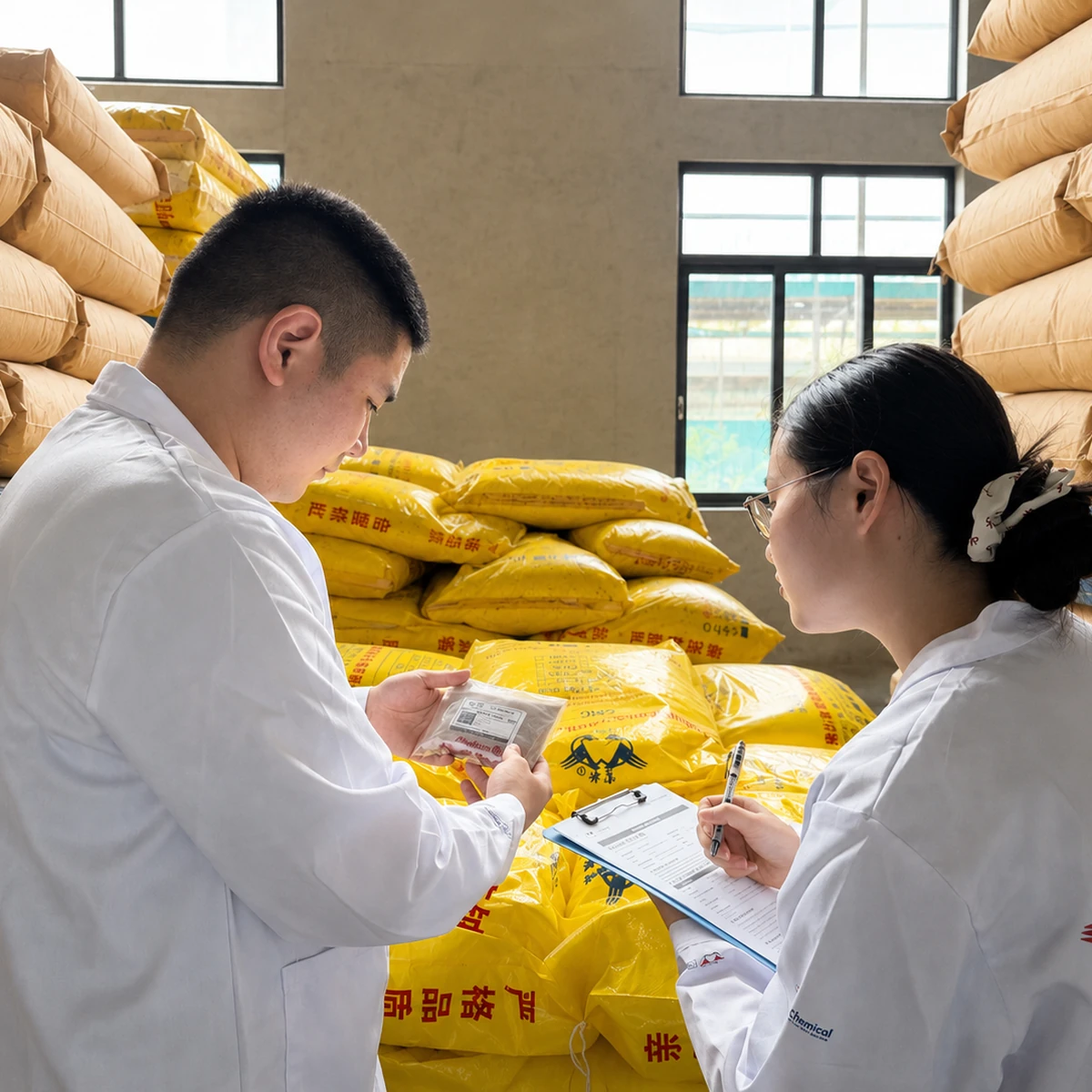
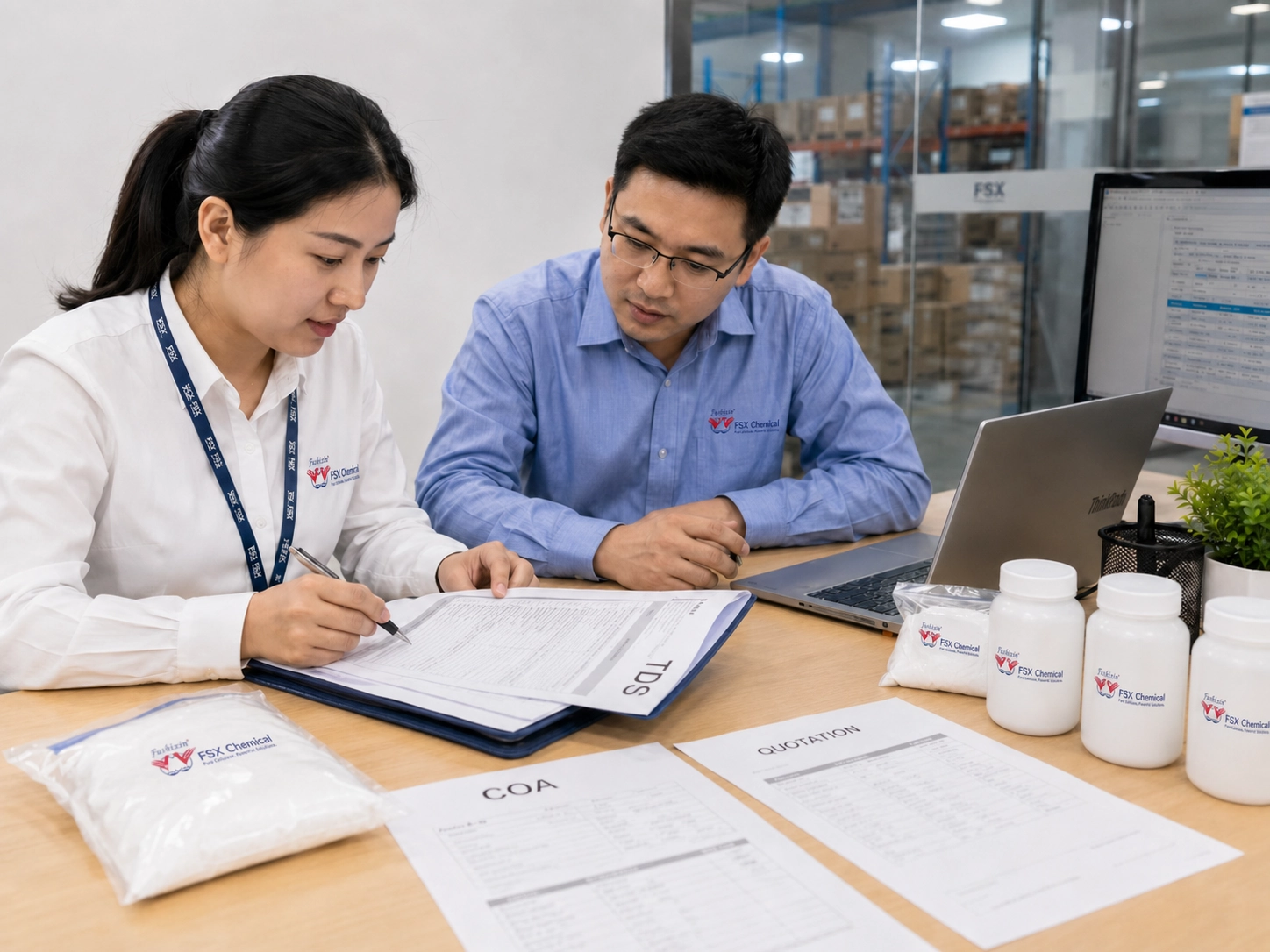
Cinq raisons de s'approvisionner en produits chimiques pour l'impression textile directement auprès des fabricants
Direct manufacturer sourcing can improve technical communication, grade matching, batch documentation and total cost control,...
Sourcing textile printing chemicals involves more than comparing product names and prices. A printing thickener can affect paste preparation, viscosity, screen passage, print definition, fixation, wash-off and the consistency of finished fabric.
For this reason, many textile mills, printing-paste formulators and chemical distributors consider purchasing directly from manufacturers. Direct sourcing can shorten the technical communication route and provide better access to product specifications, samples and batch information.
However, buying directly from a manufacturer does not automatically guarantee the lowest price, the best quality or the shortest delivery time. The value depends on the manufacturer’s technical capability, quality system, export experience and willingness to provide verifiable information.
En bref : Direct sourcing is most useful when the buyer needs application-specific grade matching, stable bulk requirements, technical documents and direct communication about production or quality issues. For small or urgent orders, a qualified local distributor may still be the more efficient option.
What Does Direct Manufacturer Sourcing Mean?
Direct manufacturer sourcing means that the buyer purchases from the company responsible for producing or controlling the product rather than purchasing only through an independent trading company or local distributor.
This distinction is important, but company labels alone are not enough. Some manufacturers use separate export companies, and some distributors provide valuable local inventory, credit, regulatory and technical support.
The buyer should therefore evaluate the actual supply chain. The relevant questions are who manufactures the product, who controls the specification, who issues the COA, who handles quality complaints and which legal entity appears on the contract and invoice.
Supply Route
Typical Strength
Potential Limitation
Direct manufacturer
Technical access, grade matching, bulk planning and batch communication
Higher MOQ, longer international logistics or limited local stock
Local distributor
Smaller quantities, local inventory, local currency and faster domestic delivery
Technical questions may need to pass through another communication layer
Trading company
Multiple products, consolidated shipments and sourcing flexibility
Production and batch traceability may be less direct
Reason 1: Direct Technical Communication
Textile printing chemicals are purchased for a specific function, not only by chemical name. Two products described as CMC, CMS or sodium alginate may have different viscosity methods, substitution levels, solubility, particle size and application behavior.
When the buyer communicates directly with a manufacturer, technical questions can reach the team responsible for product selection, testing or production. This can reduce the risk of important application details being simplified as they pass through multiple commercial intermediaries.
Technical Questions That Require Clear Answers
A manufacturer should be able to discuss more than price and packaging. For a textile printing thickener, the technical discussion may include:
Printing process, such as flat screen, rotary screen or digital inkjet
Fabric type and construction
Reactive, disperse, pigment, vat or discharge system
Target viscosity and complete measurement method
Paste concentration and hydration procedure
pH, electrolyte and water-quality conditions
Screen passage, filtration and print-definition requirements
Fixation, steaming, curing and washing conditions
Current production problem or supplier-replacement objective
The manufacturer does not need to know every detail of the buyer’s proprietary formulation. However, it needs enough process information to recommend a technically reasonable starting grade.
Direct Communication Does Not Replace Testing
Even a technically detailed recommendation remains a starting point. Printing results depend on the complete recipe, equipment, fabric preparation and production conditions.
Buyers should ask the manufacturer to explain why a grade is recommended, then verify the recommendation using a sample and an agreed test method.
Reason 2: Better Grade Matching and Sample Development
Industrial chemicals are often available in multiple grades. A direct manufacturer may be able to compare the buyer’s current TDS, retained sample, target viscosity or application problem before selecting a trial product.
This is particularly useful when replacing an existing supplier. Matching only the chemical name can fail because the current product may have a different viscosity profile, degree of substitution, solids content, particle size or preparation method.
What a Useful Grade-Matching Request Includes
For a more accurate starting recommendation, buyers should provide:
Current product name or grade code
Current TDS and viscosity test method
A retained sample where available
Tissu et système de teinture ou d'encre
Paste recipe and current dosage range
Printing machine and screen conditions
Main performance requirement
Current problem, such as bleeding, residue or unstable viscosity
A manufacturer can use this information to identify a suitable sample route. It should not claim that a product is an exact replacement before comparative testing has been completed.
Custom Grades Require Written Specifications
Direct sourcing may also make it easier to discuss a custom viscosity, particle size or product blend. However, customization should not remain a verbal promise.
The buyer and manufacturer should agree on the grade code, test methods, acceptance ranges, packaging and change-control requirements. The approved specification should be referenced in the purchase order.
Samples Should Represent a Commercially Available Route
Before approving a sample, confirm whether it represents a standard production grade, a laboratory-adjusted sample or a proposed custom product. Buyers should also ask how future commercial batches will be controlled against the approved sample.
A successful sample test is valuable only when the manufacturer can reproduce the agreed specification during bulk production.
Reason 3: Clearer Batch Control and Documentation
Direct access to the manufacturer can make it easier to understand how raw materials, production stages, sampling and finished-product release are controlled. This is important when the chemical affects viscosity, printing behavior and shade consistency.
Factory-direct sourcing does not guarantee consistent batches. It can, however, provide a shorter route for confirming which parameters are tested and how the shipment is connected to the production batch.
TDS and COA Have Different Functions
A Technical Data Sheet describes the product, typical properties, application direction and recommended handling. It is used for initial grade evaluation but normally does not represent the test results of an individual shipment.
A Certificate of Analysis should identify the product and batch and report selected results for that batch. Buyers should check whether the parameters and methods shown on the COA correspond to the agreed purchasing specification.
Important Batch Questions
Which parameters are tested before product release?
Which test methods are used?
How is the batch number assigned?
Is a representative sample retained?
How long is the retained sample stored?
How are nonconforming results handled?
Will the buyer receive a batch-specific COA?
How are significant process or raw-material changes communicated?
Batch Consistency Must Be Defined
“Stable quality” is too general unless the buyer and supplier define acceptable ranges. For a printing thickener, these may include viscosity, pH, moisture, particle size, degree of substitution or filtration performance, depending on the product.
Application tests may also be required for critical grades. The exact control plan should reflect the production risk rather than adding tests that do not affect performance.
Reason 4: More Direct Problem Resolution and Supply Planning
When a printing problem occurs, the buyer may need information from production, quality control and technical personnel. A direct manufacturer relationship can reduce the number of communication steps between the complaint and the people who can investigate the batch.
This does not mean that every complaint will be resolved immediately. Effective investigation still requires batch numbers, retained samples, test records and a clear description of the production conditions.
Information Required for a Quality Investigation
Product name and batch number
COA and bag-label photographs
Date the package was opened
Storage conditions
Paste preparation and viscosity test method
Production water and formulation information
Photographs or retained samples of the powder, paste and printed fabric
Comparison with an approved or previous batch
Without this information, it may be difficult to separate a product issue from changes in water, formulation, mixing, dye, fabric or printing conditions.
Production and Inventory Planning
For regular bulk demand, direct communication may help the buyer discuss forecast quantities, production schedules, packaging and shipment planning. This can be valuable for importers and mills that need repeat orders rather than occasional small purchases.
Lead times should still be confirmed for each order. Production scheduling, packaging availability, holidays, vessel space and customs clearance can all affect the final delivery date.
Packaging and Label Coordination
Direct buyers may need specific bag materials, pallet requirements, shipping marks, private labels or multilingual labels. These requirements should be approved before production.
Custom packaging can increase cost or MOQ. The quotation should state whether pallets, labels, wrapping and special packing are included.
Reason 5: Better Visibility into Total Procurement Cost
Removing one commercial layer may improve price visibility, especially for repeat bulk orders. However, direct factory pricing is not automatically the lowest total cost for every buyer.
A factory quotation may exclude international freight, insurance, customs clearance, import duty, local warehousing and financing. A distributor’s higher unit price may include some of these services.
Compare Landed Cost, Not Only Unit Price
Basic landed-cost calculation: product value plus packaging, inland transport, export charges, international freight, insurance, import duty, taxes, customs clearance, bank charges and local delivery.
Buyers should compare quotations using the same Incoterm, quantity, packaging and payment conditions. An FOB quotation should not be compared directly with a delivered local price.
Include Cost in Use
For printing thickeners, the purchase price is only part of the cost. Different grades may require different dosages and may affect preparation time, filtration, dye consumption, washing and rejected fabric.
Basic material cost per 1,000 kg of paste: thickener dosage multiplied by the delivered price per kilogram.
A complete comparison should also consider:
Required thickener dosage
Temps de mélange et d'hydratation
Filtration loss
Screen cleaning and production downtime
Dye or auxiliary adjustments
Exigences en matière de lavage
Produits à retravailler et tissus rejetés
Inventory and financing costs
Price Stability Should Not Be Assumed
Direct manufacturers are still affected by raw-material prices, energy, exchange rates, packaging and freight. Buyers should clarify quotation validity and the process for future price adjustments.
Long-term pricing arrangements should define the product specification, expected volume, review period and circumstances that allow price changes.
When a Distributor May Be the Better Choice
Direct sourcing is not the correct route for every transaction. A qualified distributor may create more value when the buyer needs local stock, small quantities or domestic technical and regulatory support.
Buyer Situation
Potentially Better Route
Regular container or high-volume orders
Direct manufacturer evaluation
Application-specific grade development
Direct manufacturer or technically authorized distributor
Small or irregular orders
Local distributor
Urgent demand from local stock
Local distributor
Need to consolidate several brands in one shipment
Distributor or trading company
Need domestic credit terms and local currency
Local distributor
Need direct batch investigation
Manufacturer or authorized distributor with factory access
A hybrid purchasing model is also possible. The buyer can qualify the manufacturer technically while purchasing through an authorized local distributor that provides inventory and commercial support.
How to Verify a Genuine Manufacturer
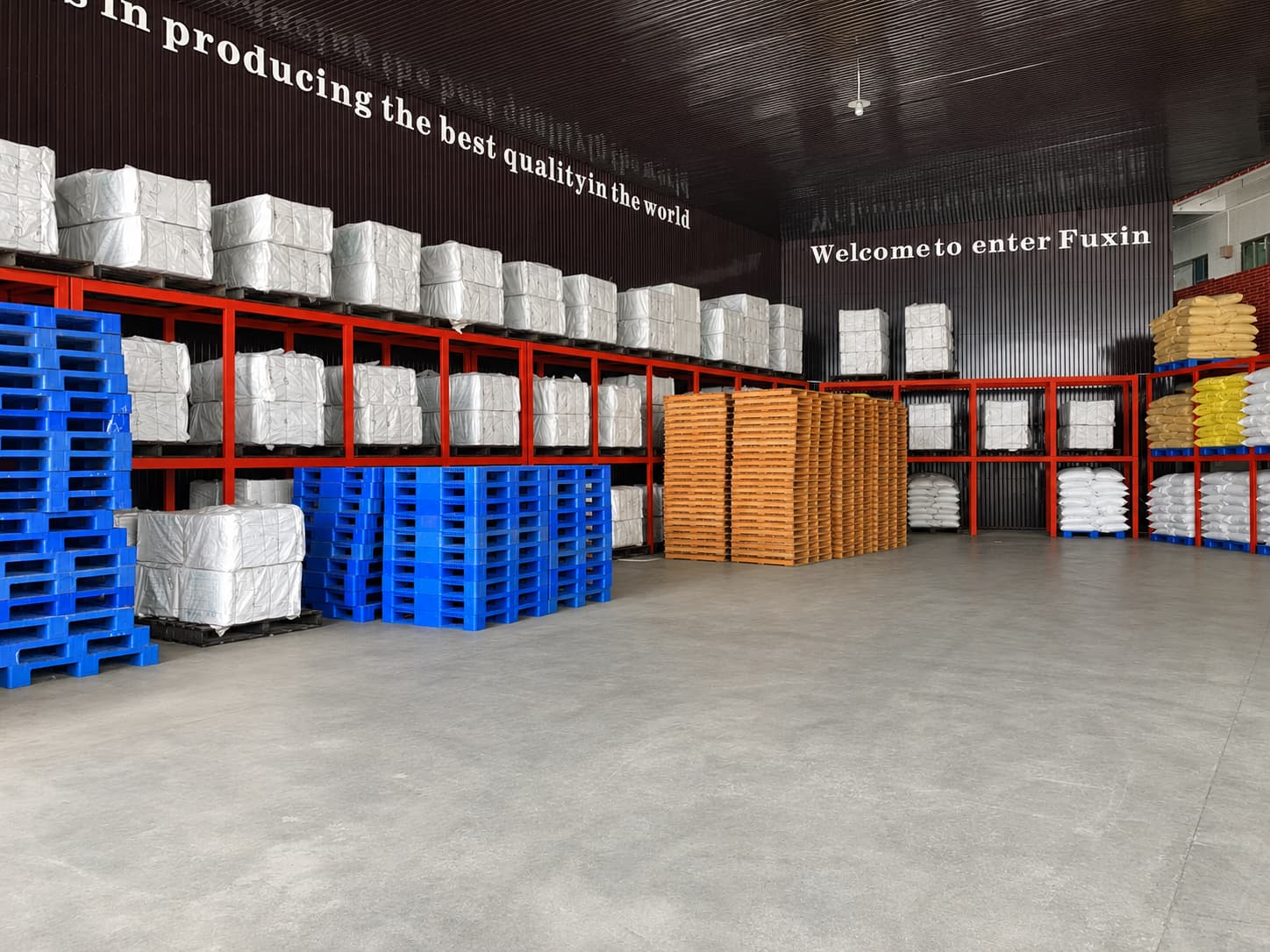
A website containing factory photographs is not enough to prove manufacturing capability. Before approving a supplier, buyers should verify the legal entity, production responsibility and quality-control process.
Company and Contract Verification
Request the legal company name and registration information
Confirm the company named on the quotation and contract
Check whether the bank-account beneficiary matches the contracted entity
Clarify the relationship between the manufacturer and any export company
Verify the factory address and main contact information
Manufacturing Verification
Request a live video review or on-site audit where appropriate
Review the production process relevant to the purchased product
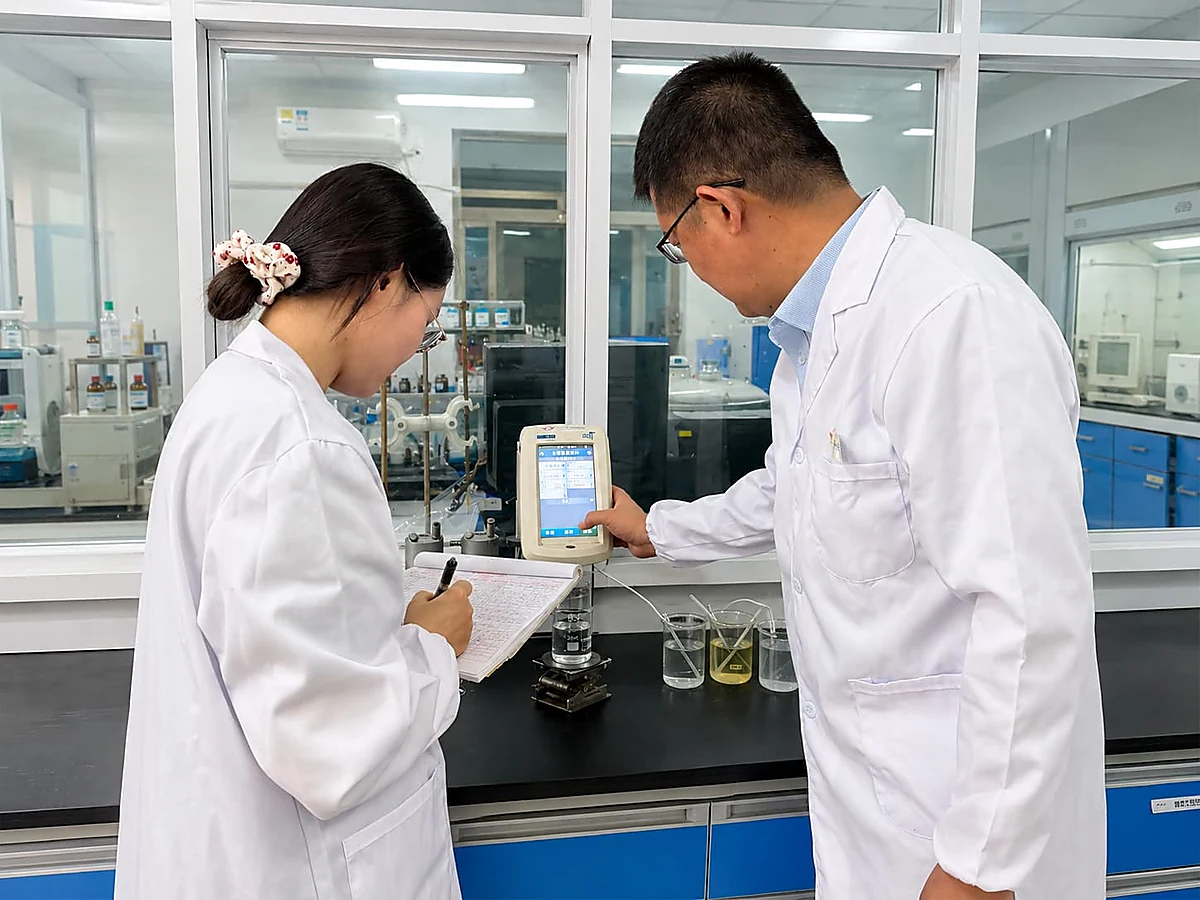
Confirm laboratory equipment and test methods
Review raw-material, batch and finished-product identification
Check packing, warehouse and sample-retention arrangements
Document Verification
If the manufacturer provides a quality-system certificate or compliance document, check the holder, factory address, scope, issuing organization and expiry date. A certificate applying to one product or entity should not be presented as covering every product sold on the website.
Where a compliance requirement is critical, obtain confirmation from the issuing organization or an independent verification service.
Sample-to-Batch Verification
Compare the approved sample, TDS, quotation, bulk-product label and COA. Product names and grade codes should remain consistent throughout the procurement process.
For the first commercial shipment, conduct incoming inspection before releasing the product to full production.
Documents que les acheteurs devraient demander
Before Sample Testing
Product-specific TDS
Current SDS
Recommended preparation and test method
Sample label showing product and grade code
Relevant application information
Before Placing the Purchase Order
Formal quotation with Incoterm and validity period
Cahier des charges convenu
Packaging and label specification
Estimated production lead time
Payment terms and bank information
Required compliance documents
Pre-shipment sample or COA requirement where applicable
Avant l'expédition
Batch-specific COA
Commercial invoice
Packing list
Product and pallet photographs where required
Certificate of origin or other agreed export documents
Transport documents appropriate to the shipment
Document availability can vary by product, destination and order stage. Buyers should list required documents in the purchase order instead of assuming that every document will be supplied automatically.
Recommended Supplier Qualification Workflow
Define the application. Identify the fabric, dye or ink system, printing method, current formulation and production problem.
Screen the manufacturer. Review the legal entity, factory role, product scope, quality process and export capability.
Request technical information. Obtain the proposed grade, TDS, SDS, test method and sample.
Run a controlled laboratory comparison. Compare the sample with the approved product using identical preparation and test conditions.
Conduct a pilot or production trial. Confirm print definition, paste stability, fixation, washing and equipment compatibility.
Approve the purchasing specification. Record the grade code, parameters, test methods, packaging and required documents.
Confirm commercial terms. Compare landed cost, MOQ, Incoterm, payment, production lead time and shipment plan.
Inspect the first commercial batch. Review the label and COA, then conduct incoming tests before full production use.
Monitor ongoing performance. Keep batch records and report significant variation using documented evidence.
Applying Direct Sourcing to Textile Printing Products
Product
Application Discussion
Important Manufacturer Data
Alginate de sodium
Reactive printing on cotton and other cellulosic fabrics
Viscosity method, pH, moisture, particle size, insoluble matter and wash-off
CMC
Selected printing and compound thickener systems
Méthode de la viscosité, degré de substitution, solubilité, tolérance aux sels et compatibilité
CMS
Selected reactive, disperse, vat, discharge or compound systems
Paste stability, screen passage, viscosity, wash-off and cost in use
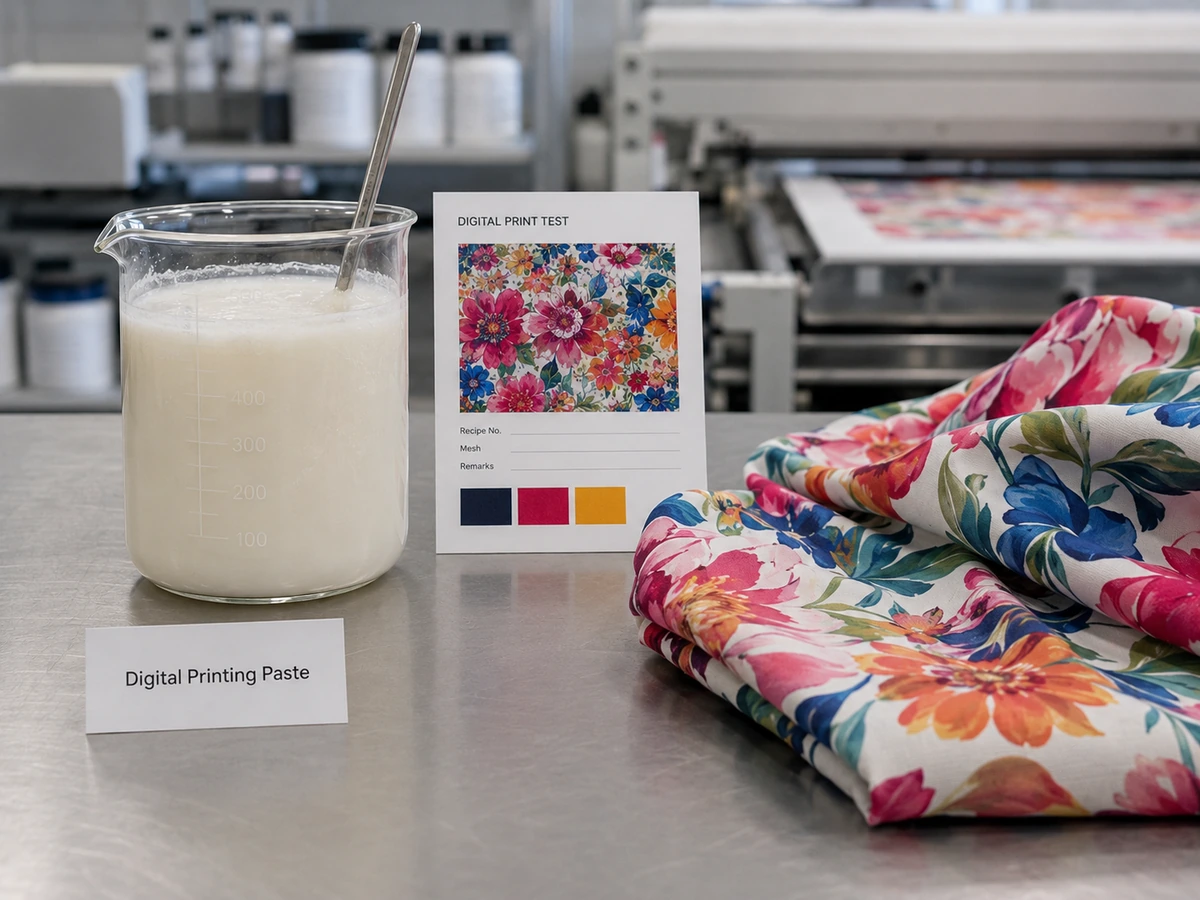
Pâte d'impression numérique
Reactive, disperse or pigment digital routes
Ink and fabric compatibility, filtration, residue, storage and application result
These product names describe broad families rather than complete specifications. The manufacturer should recommend a grade only after the intended printing process is understood.
How FSX Chemical Supports Direct Buyers
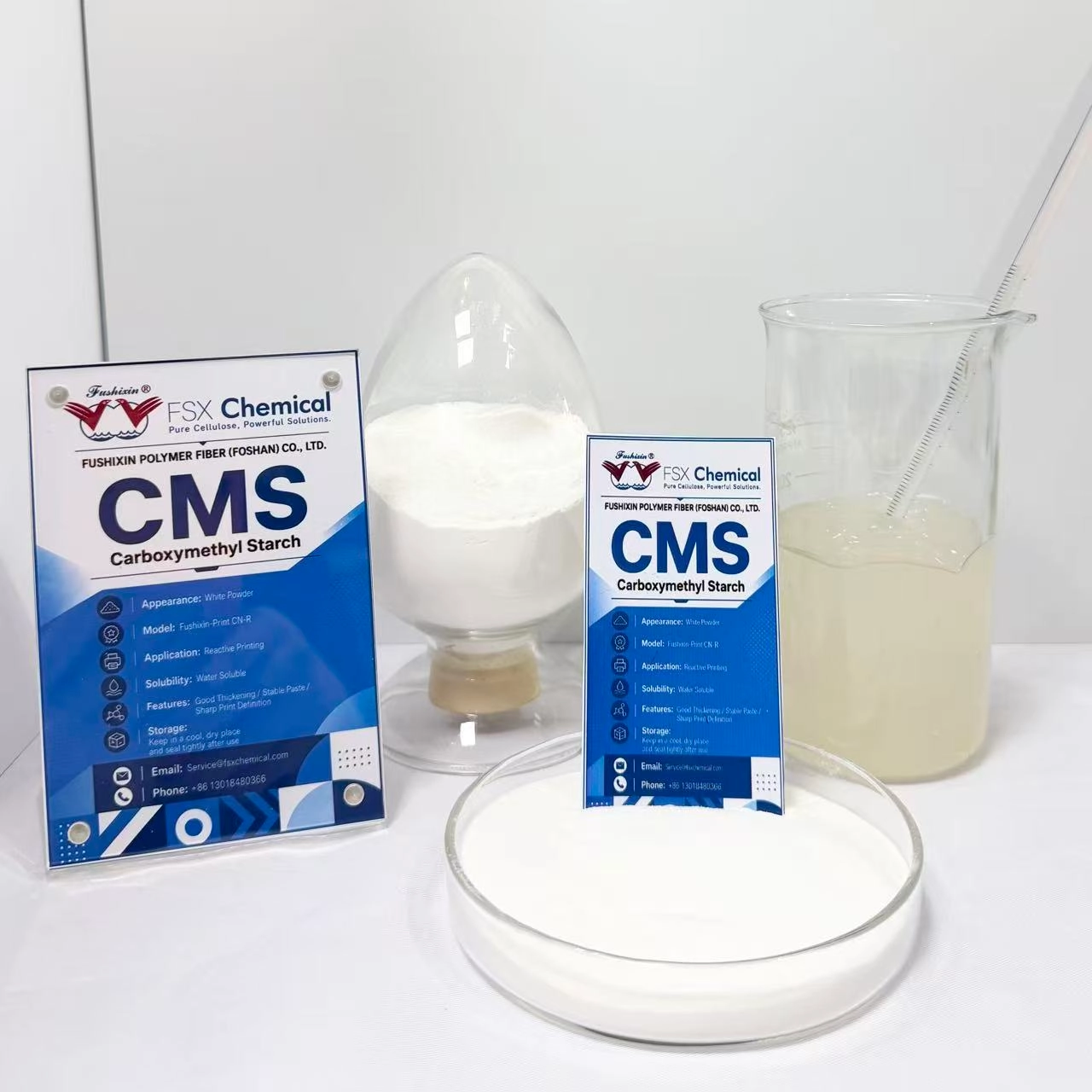
FSX Chemical supplies CMC, CMS, sodium alginate and digital printing paste for textile printing and related industrial applications. Buyers can begin with an existing TDS, retained sample, target viscosity or description of the printing process.
Based on the available information, FSX Chemical can recommend a starting grade for sample testing. Final suitability should be confirmed through the buyer’s own laboratory or production trial.
Product-specific TDS and SDS documents can be requested during evaluation. Batch COA, packaging details and shipment documents should be confirmed for the selected product and commercial order.
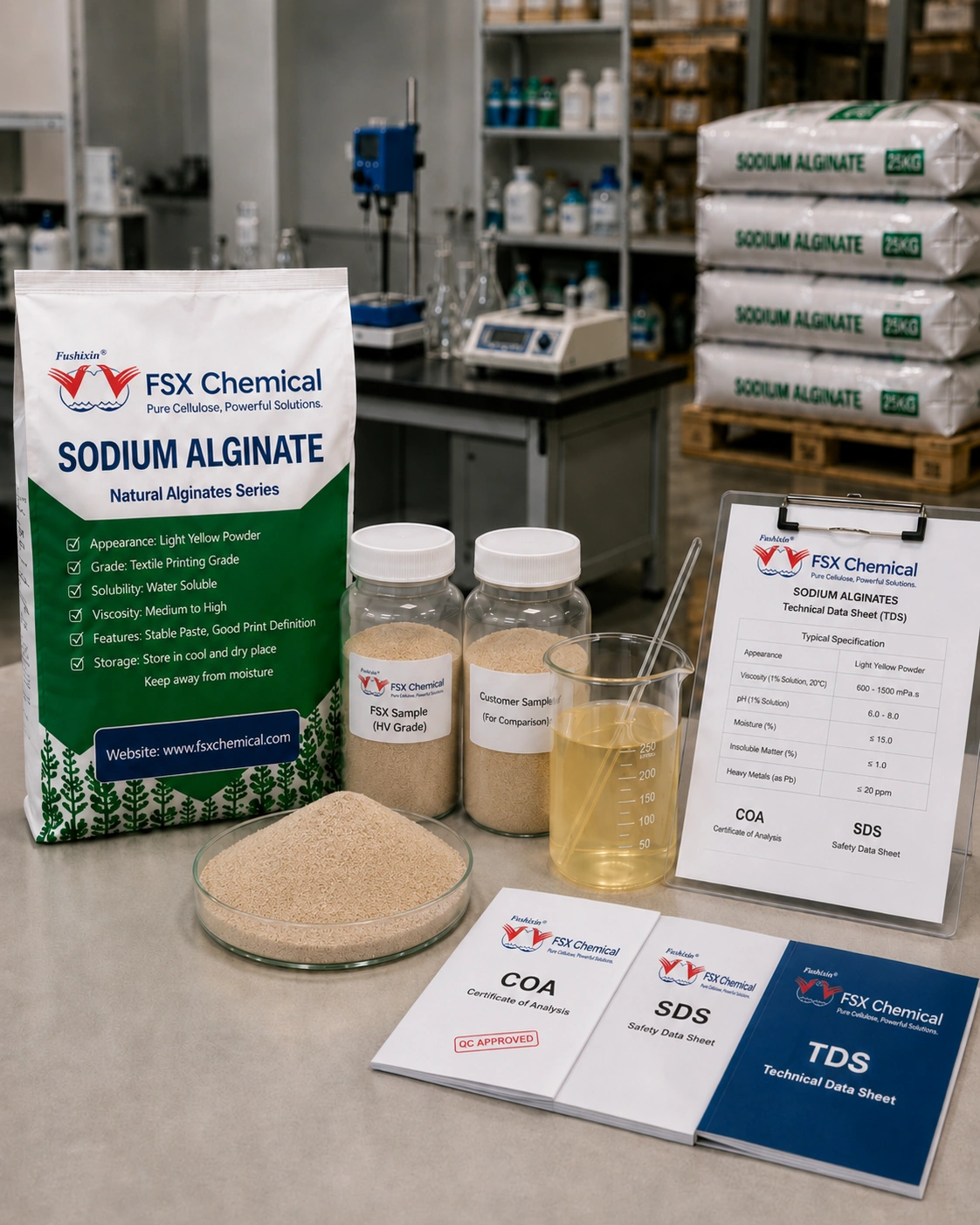
L'alginate de sodium est largement utilisé dans l'impression textile comme épaississant stable et lavable pour les pâtes d'impression réactives. Découvrez comment évaluer le degré de viscosité, la pureté et l'adéquation à l'application avant tout achat, et comment FSX Chemical accompagne les acheteurs du monde entier en leur fournissant des données techniques et des échantillons.
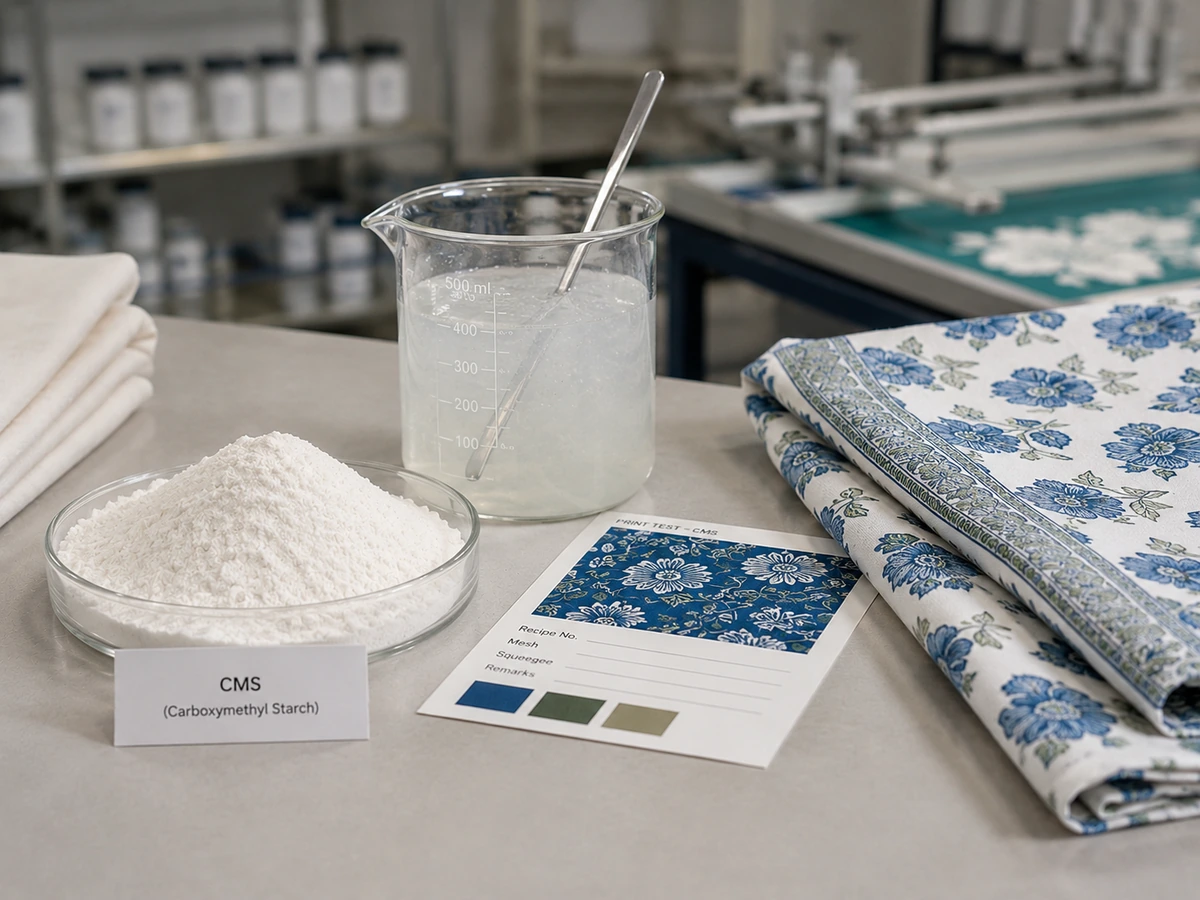
CMS for textile printing paste can help adjust viscosity, improve paste handling, and support stable formulation performance. This guide explains how buyers can evaluate CMS grades by viscosity, DS, solubility, pH, moisture, and sample testing before bulk purchase.
Les matières premières à base de cellulose sont utilisées dans l'impression textile, la préparation des pâtes d'impression, l'épaississement et l'optimisation des formulations. Ce guide explique comment les acheteurs peuvent évaluer le CMC, le CMS, l'alginate de sodium, les épaississants pour l'impression textile et les pâtes d'impression en se basant sur les spécifications, la documentation, les essais d'échantillons et l'assistance fournie par les fournisseurs.
Wholesale sodium alginate purchasing requires more than comparing unit price. This guide explains how textile printing buyers can confirm viscosity, mesh size, purity grade, packaging, COA, sample testing, and batch consistency before placing bulk orders.
Les dérivés de la cellulose sont largement utilisés dans l'impression textile, la préparation des pâtes d'impression, l'épaississement et comme adjuvants de formulation. Ce guide explique comment les acheteurs étrangers peuvent s'approvisionner en CMC, CMS, alginate de sodium, épaississants pour l'impression textile et pâtes d'impression auprès de FSX Chemical, avec à leur disposition des fiches techniques (TDS), des certificats d'analyse (COA), des tests d'échantillons, la mise en correspondance des qualités et une assistance pour les documents d'exportation.
Le choix d'un fournisseur de produits chimiques pour l'impression textile ne se résume pas à une simple comparaison des noms de produits et des prix. Ce guide explique comment les acheteurs peuvent évaluer la gamme de produits, la documentation technique, les tests sur échantillons, l'uniformité des lots, la communication et l'assistance fournie par le fournisseur avant de s'engager dans une collaboration.
Le choix des produits chimiques destinés à l'industrie textile ne se résume pas à une simple comparaison des noms de produits. Ce guide explique comment les acheteurs spécialisés dans l'impression textile peuvent sélectionner les produits CMC, CMS, l'alginate de sodium, les épaississants pour l'impression textile et les pâtes d'impression en fonction de l'application, des spécifications, des fiches techniques (TDS), des certificats d'analyse (COA), des tests sur échantillons et de l'uniformité des lots.
Le choix d'un fournisseur de produits chimiques industriels destinés à l'impression textile ne se limite pas à la simple vérification des noms de produits et des prix. Ce guide explique comment les acheteurs peuvent examiner le champ d'application des certificats ISO, les fiches techniques (TDS), les certificats d'analyse (COA), les fiches de données de sécurité (FDS), les tests sur échantillons, l'uniformité des lots et les documents d'exportation avant de passer des commandes en gros.
L'accompagnement en matière de formulation chimique pour l'impression textile doit commencer par des informations claires sur l'application. Ce guide explique ce que les acheteurs doivent fournir lorsqu'ils sollicitent une mise en adéquation de produits, un ajustement de formulation, des essais d'échantillons, des fiches techniques (TDS), des certificats d'analyse (COA), des fiches de données de sécurité (SDS) et une assistance technique concernant le CMC, le CMS, l'alginate de sodium, les épaississants pour l'impression textile et les pâtes d'impression.
Sodium alginate for textile coating is a vital bio-based option for global textile/printing firms. It solves key issues like poor adhesion (ideal for cotton) and low durability (boosts polyester coating resilience by 30%), while meeting regional rules—EU REACH (biodegradable) and US OEKO-TEX (non-toxic for babywear). This guide covers application tips (digital printing), alternatives comparison (vs acrylic binders), and how to pick global suppliers like fsxchemical.
La mise en correspondance des grades ne se résume pas à trouver un produit présentant une viscosité similaire. Ce guide explique comment les imprimeries textiles peuvent comparer les grades de pâte à imprimer grâce à l'analyse de l'application, à une préparation contrôlée, à des essais d'impression et à une vérification entre l'échantillon et le lot de production.
Les performances de l'impression textile dépendent d'un système chimique coordonné, et non d'un additif universel. Ce guide présente dix groupes chimiques importants, leurs fonctions, leur rôle dans le processus et les éléments que les acheteurs doivent vérifier avant de procéder à des essais de production.
Veuillez nous communiquer le nom du produit, son application, la quantité, la destination, ainsi que toute fiche technique (TDS),
photo ou document dont vous disposez déjà. FSX Chemical examinera ces
informations et vous recommandera la marche à suivre pour obtenir un devis, trouver un échantillon correspondant
ou choisir un produit.
Informations sur le produitNom du produit, référence, modèle, photo de l'étiquette ou référence du fournisseur.
Documents disponiblesFiche technique (TDS), fiche de données de sécurité (SDS), certificat d'analyse (COA), photo d'exemple, liste des produits ou données d'essai.
Détails de la commandeQuantité estimée, conditionnement, pays de destination, port ou conditions commerciales.
Demande ou problèmeProcédé d'impression textile, besoins en matière de formulation, problème actuel ou performances visées.

 FR
FR  EN
EN  BN
BN  ES
ES  TR
TR  ID
ID  RU
RU  AR
AR  UR
UR  VI
VI  TL
TL  HI
HI  UK
UK  KK
KK  KA
KA  UZ
UZ