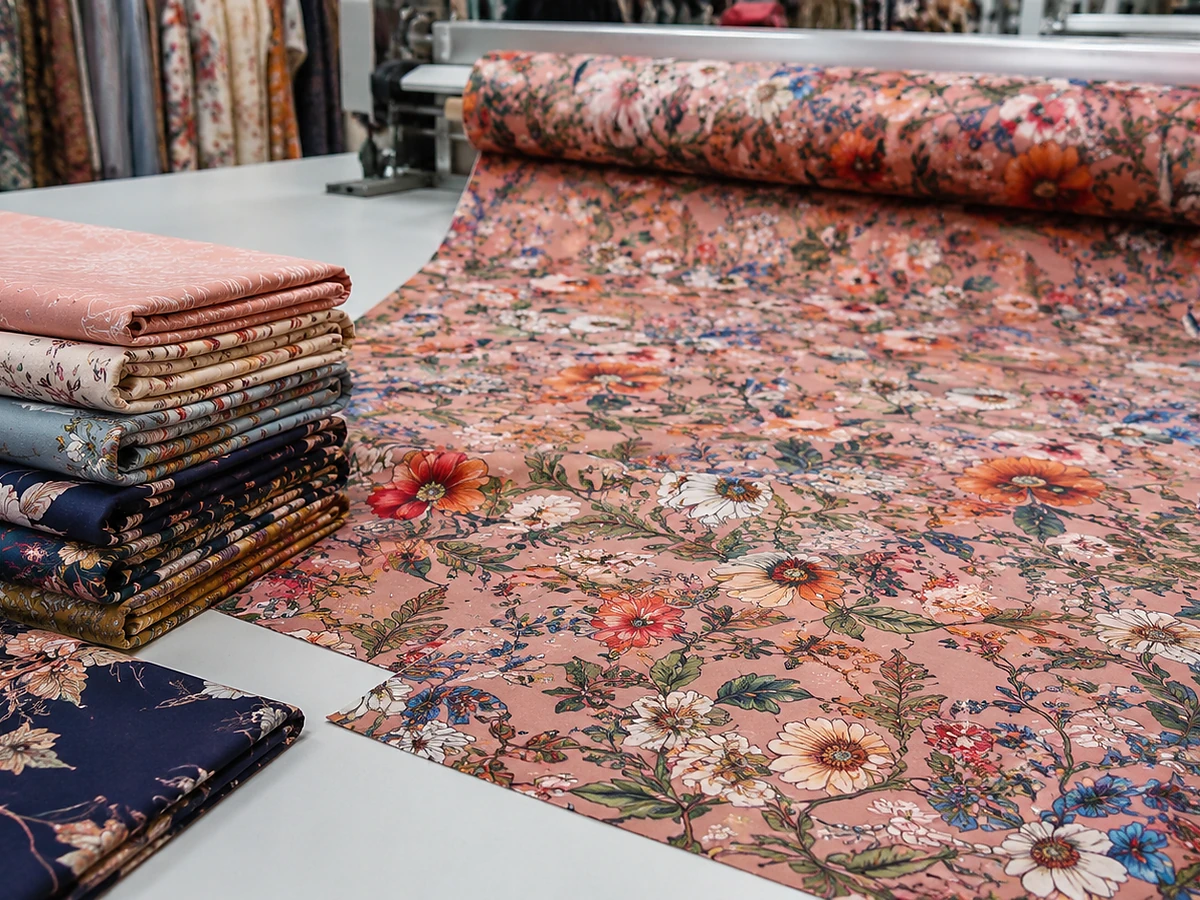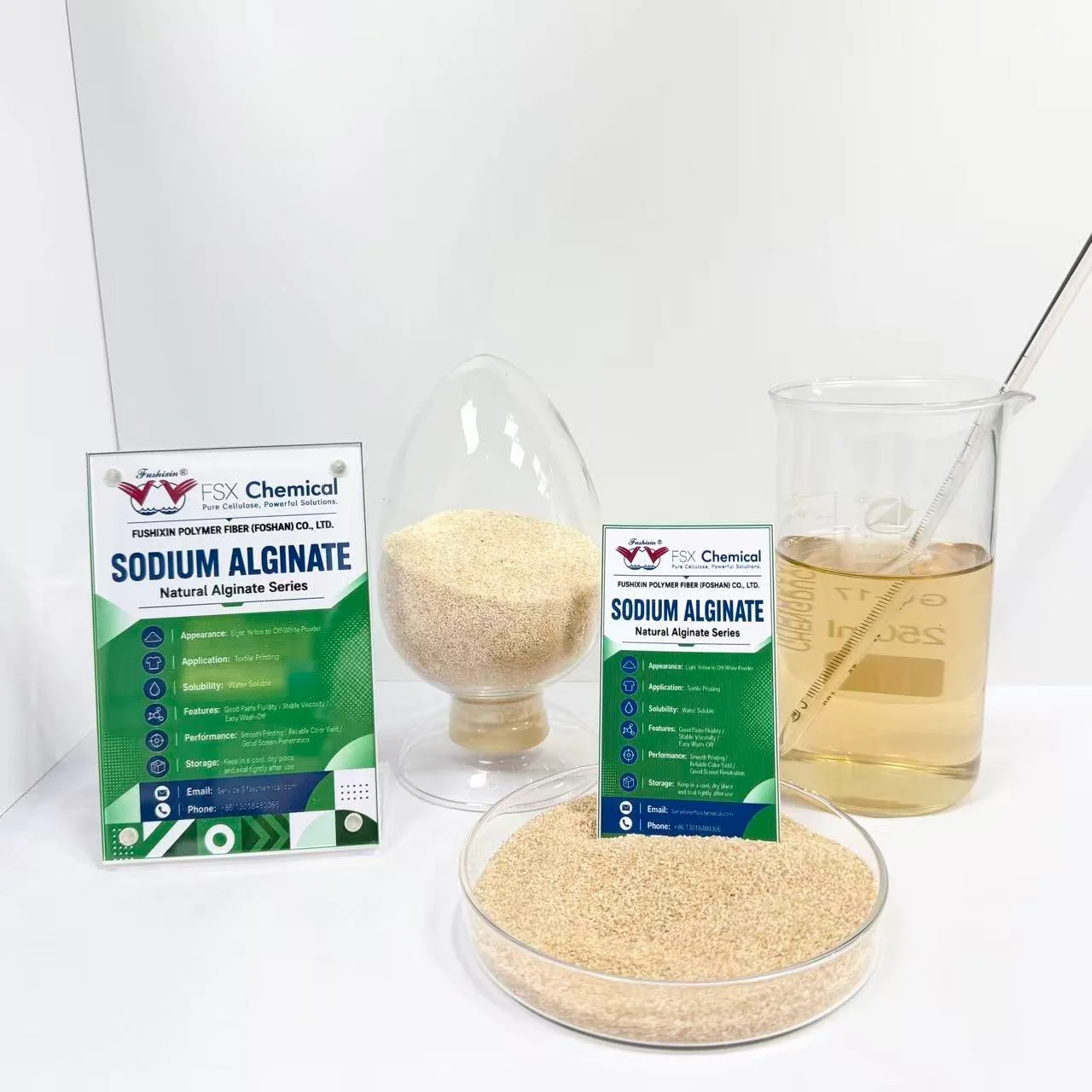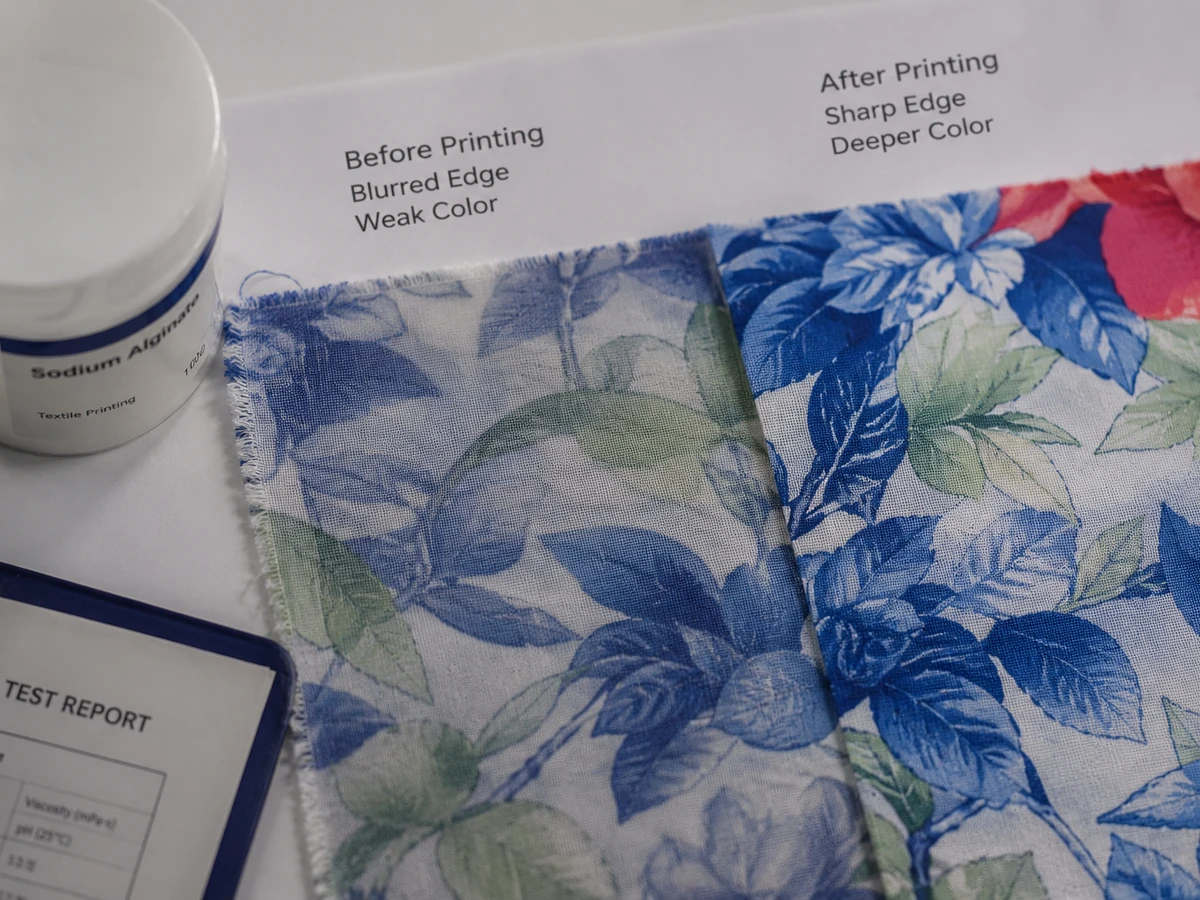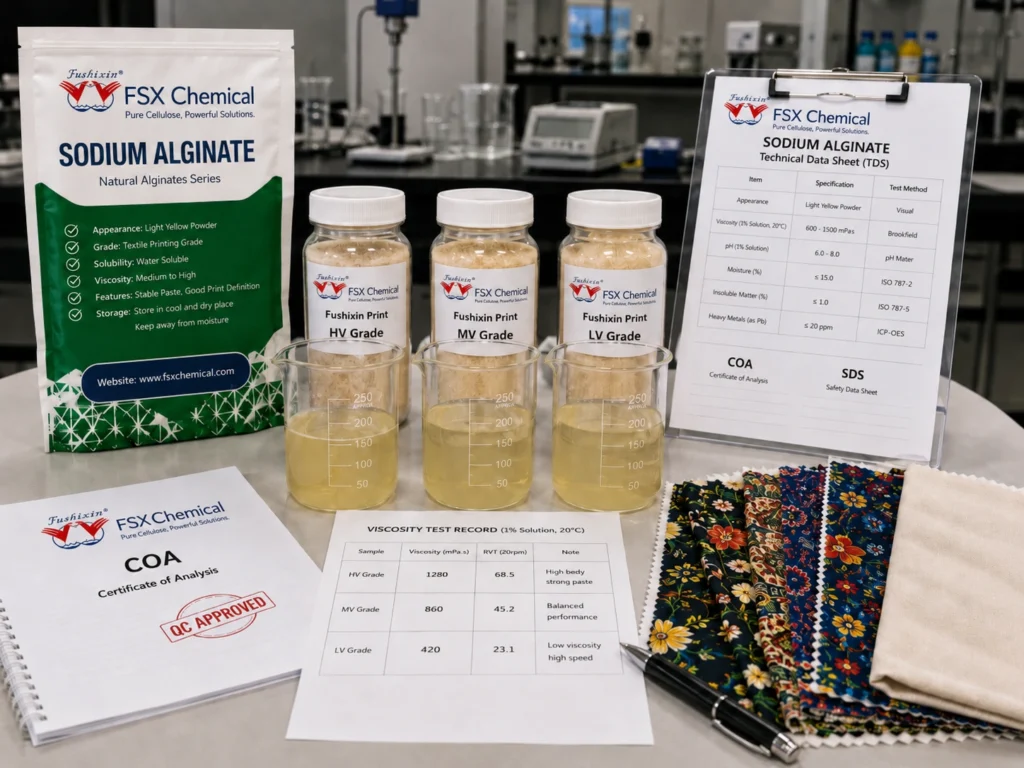
This guide takes a different approach from a general supplier directory. It explains how textile printing factories, dyeing and printing mills, distributors, and importers can prepare a complete sodium alginate RFQ, organize sample approval, and reduce misunderstandings before a bulk order.
Why a Detailed Sodium Alginate RFQ Matters
Product Names Are Not Enough
The phrase “textile-grade sodium alginate” does not automatically identify one universal specification. Suppliers may use different grade names, viscosity ranges, mesh sizes, and internal testing methods.
Buyers should therefore define the application and test conditions instead of relying only on a product name.
Viscosity Data May Not Be Directly Comparable
A viscosity value is meaningful only when the test concentration, temperature, instrument method, and unit are known. Two suppliers may show similar numbers while using different methods.
A professional RFQ should request both the target viscosity range and the supplier’s testing method.
Commercial Terms Can Distort Price Comparisons
A quoted price may exclude freight, pallets, special labels, inspection, documentation, bank charges, or local delivery. Another quotation may include some of these items.
Buyers should compare quotations only after confirming the same Incoterm, quantity, packaging, currency, and payment structure.
Section 1: Define the Textile Printing Application
State the Printing Process
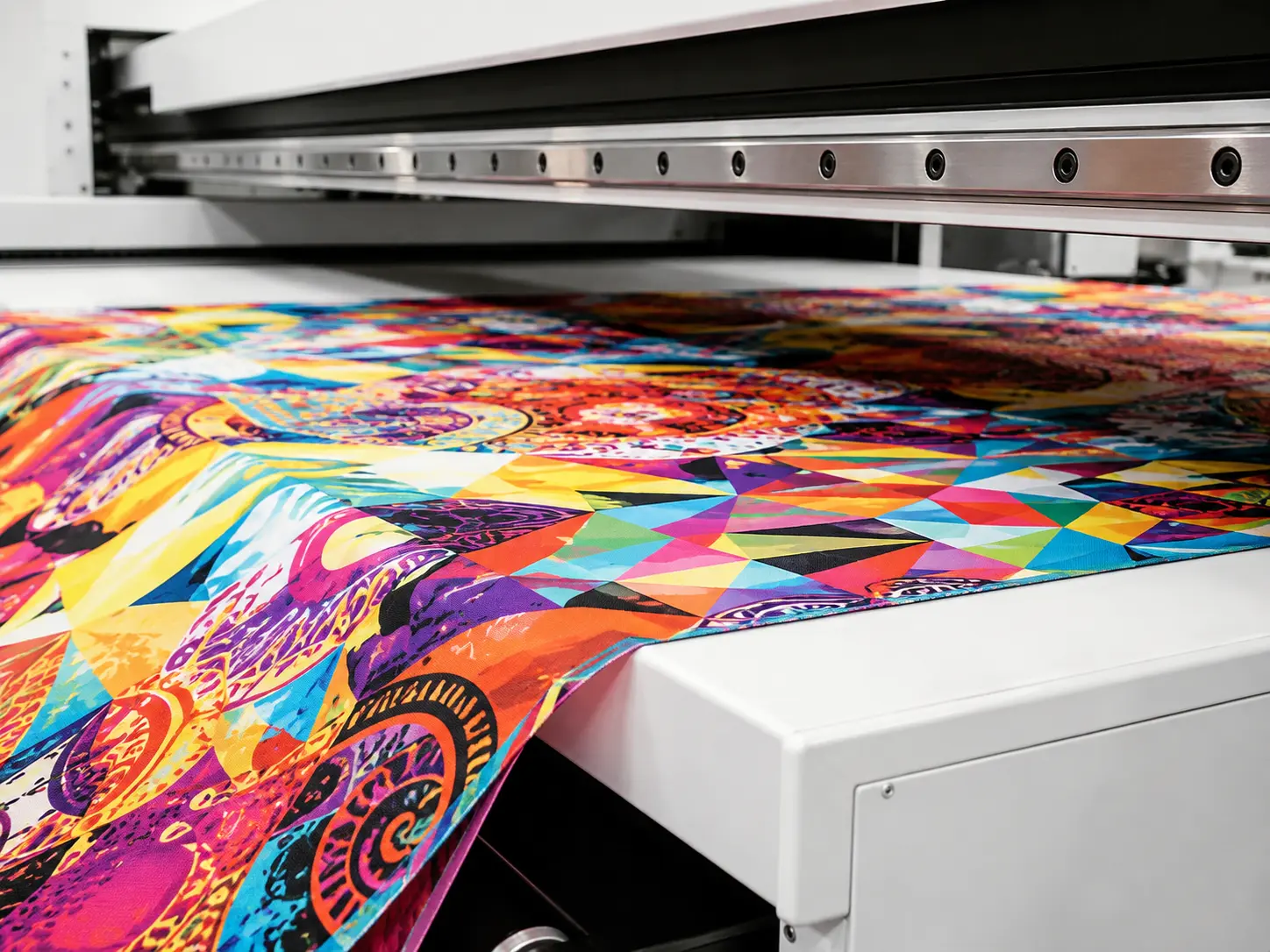
The RFQ should explain whether the sodium alginate will be used for reactive printing paste, flat screen printing, rotary screen printing, digital printing pretreatment, laboratory trials, or another textile process.
This helps the supplier understand the required paste behavior and recommend a more suitable starting grade.
Identify the Fabric and Dye System
Buyers should provide the main fabric type, such as cotton, rayon, linen, silk, or a blend, together with the dye system and important auxiliaries where possible.
Fabric absorbency, pretreatment, dye chemistry, salts, pH, and water quality can influence the final paste behavior.
Describe the Current Product
If the buyer is replacing an existing sodium alginate, the RFQ should include the current grade name, available TDS or COA, viscosity test method, dosage, and any current production problem.
This allows suppliers to match a reference instead of guessing from a general application description.
Clarify the Main Evaluation Goal
The buyer should state whether the priority is dissolution, paste smoothness, filtration, screen passing, viscosity stability, pattern control, sample-to-bulk consistency, or another measurable requirement.
Broad requests such as “best quality” or “high performance” are difficult to compare objectively.
Section 2: Specify the Technical Requirements
Target Viscosity Range
The RFQ should include the target viscosity range and the exact test condition whenever available. Important details include:
- Solution or paste concentration
- Test temperature
- Instrument or method
- Spindle and speed where applicable
- Viscosity unit
- Standing time before measurement
If the buyer does not know the full method, the supplier should be asked to provide its standard test method together with the quotation.
Mesh Size and Powder Handling
Mesh size may affect powder dispersion and preparation behavior. Buyers can request the standard mesh specification and ask whether alternative particle-size routes are available.
Actual dissolution should still be verified through sample testing because mesh size alone does not determine complete hydration.
pH, влажность и внешний вид
These basic parameters should be included in the TDS or agreed specification. They support incoming inspection, storage control, and repeat purchasing.
Additional Parameters Where Relevant

Section 3: Request the Correct Documents
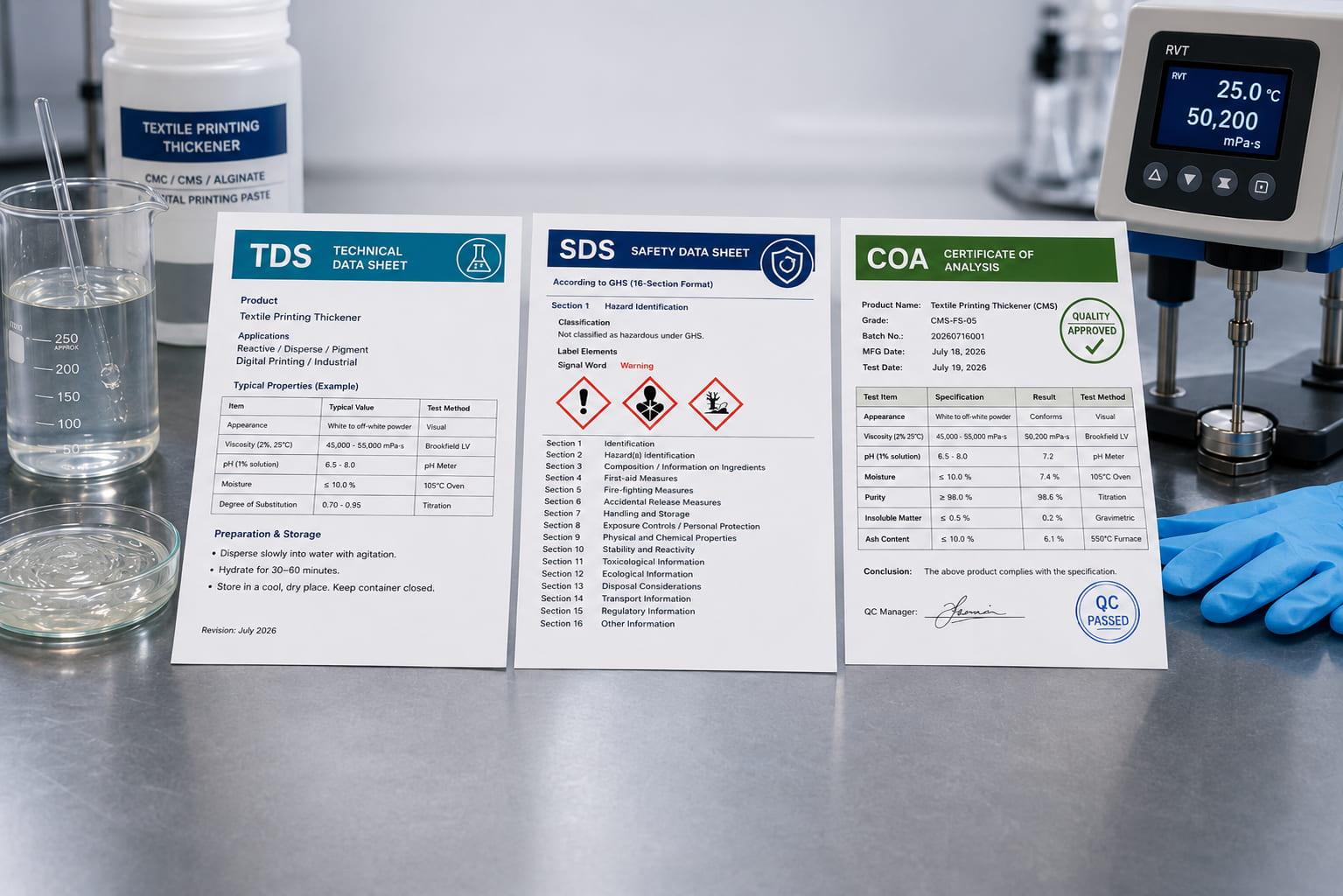
TDS
The Technical Data Sheet should describe the standard product specification, test method, storage guidance, and product application scope.
Buyers should check whether the TDS matches the exact quoted grade rather than a general company brochure.
COA
The Certificate of Analysis should relate to the supplied batch. It helps the buyer compare actual batch data with the agreed specification.
For repeat orders, COA records can support batch-to-batch review.
SDS
The Safety Data Sheet supports handling, storage, transport, and internal safety review. The product name and supplier details should match the quotation and order documents.
Additional Statements or Certificates
If the buyer needs a restricted-substance statement, customer questionnaire, certificate copy, origin statement, inspection support, or third-party test, this should be listed in the RFQ.
The supplier should confirm which document can be provided, which product or production site it applies to, and whether additional testing or cost is involved.
Section 4: Build a Sample Approval Workflow
Agree on the Sample Grade
The sample label should identify the product grade, batch number where applicable, sample date, and supplier name. The sample should correspond to the quoted commercial grade.
Use a Controlled Test Method
All samples should be tested with the same water source, concentration, mixer, addition method, mixing time, standing time, filtration method, and viscosity procedure.
Without a controlled method, differences may come from preparation rather than the raw material.
Compare Against the Current Material
A side-by-side comparison with the current sodium alginate can help buyers evaluate dissolution, lump formation, paste smoothness, viscosity development, filtration, printing behavior, and final process suitability.
Record the Approval Criteria
The buyer should document which results are required for approval. These may include:
- Viscosity within the agreed range
- Acceptable dissolution and hydration
- Low or manageable filtration residue
- Compatible behavior in the actual printing formula
- Acceptable printing performance under the buyer’s process
- Required documents received and reviewed
Link the Approved Sample to the Bulk Order
The purchase order should reference the approved grade, specification, packaging, COA requirements, and any agreed sample reference.
This reduces the risk of approving one sample but receiving a different commercial specification.
Section 5: Define Batch Consistency Requirements
Agree on a Specification Range
Bulk supply should follow an agreed range rather than an isolated sample value. The agreed range should be realistic for production and measurable by the stated test method.
Require Batch Identification
Bags, labels, and COA documents should use batch information that allows the shipment to be traced internally.
Review Repeat-Order COAs
For repeated purchases, buyers can compare key parameters across shipments. Large unexplained changes should be discussed before production use.
Define the Complaint Review Process
The RFQ or supply agreement can clarify what information is needed if a quality issue occurs, such as batch number, retained sample, preparation record, photos, viscosity data, and application results.
Section 6: Confirm Packaging and Label Requirements
Packaging Size
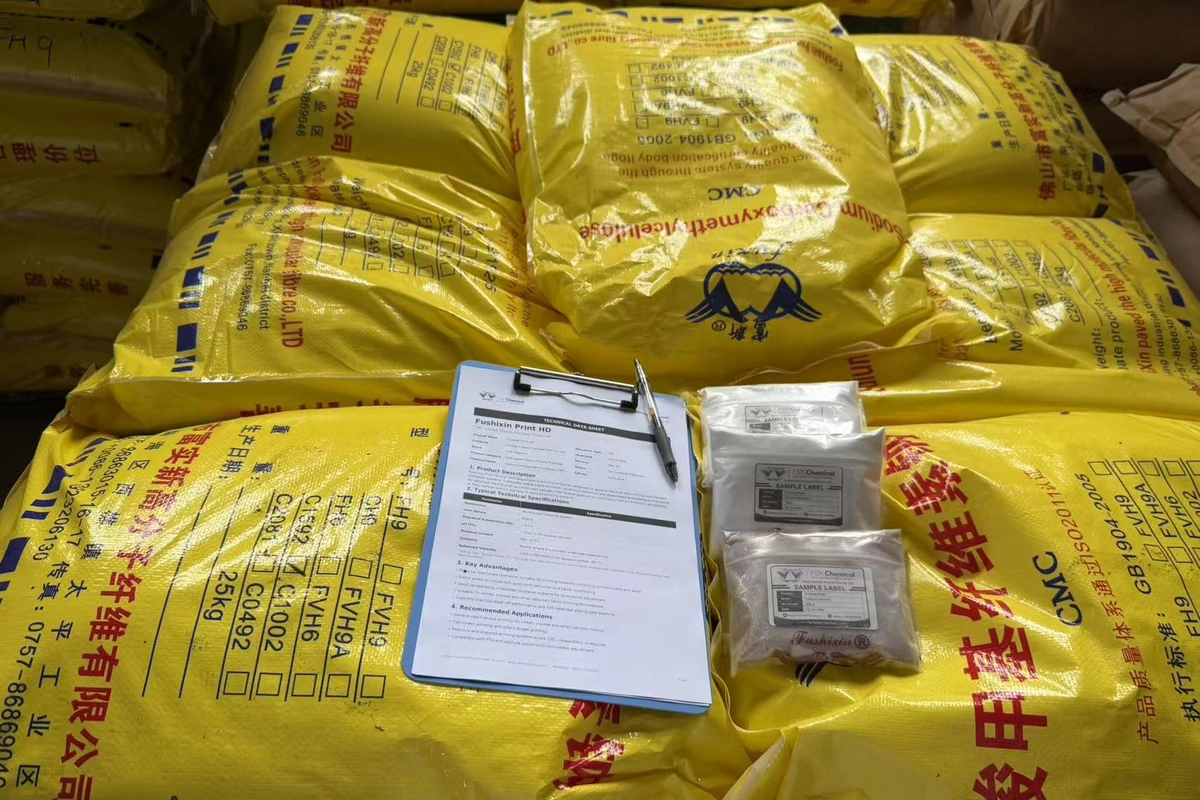
The buyer should specify the required net weight, bag type, inner liner requirement, pallet preference, and any maximum package dimensions where relevant.
Private Label or Standard Label
If custom labels are required, the buyer should provide the approved label content and language before production. Custom packaging may affect MOQ, price, and preparation time.
Required Label Information
Common label items may include product name, grade, batch number, net weight, production date, storage guidance, supplier details, and country-of-origin information where required.
Pallet and Container Requirements
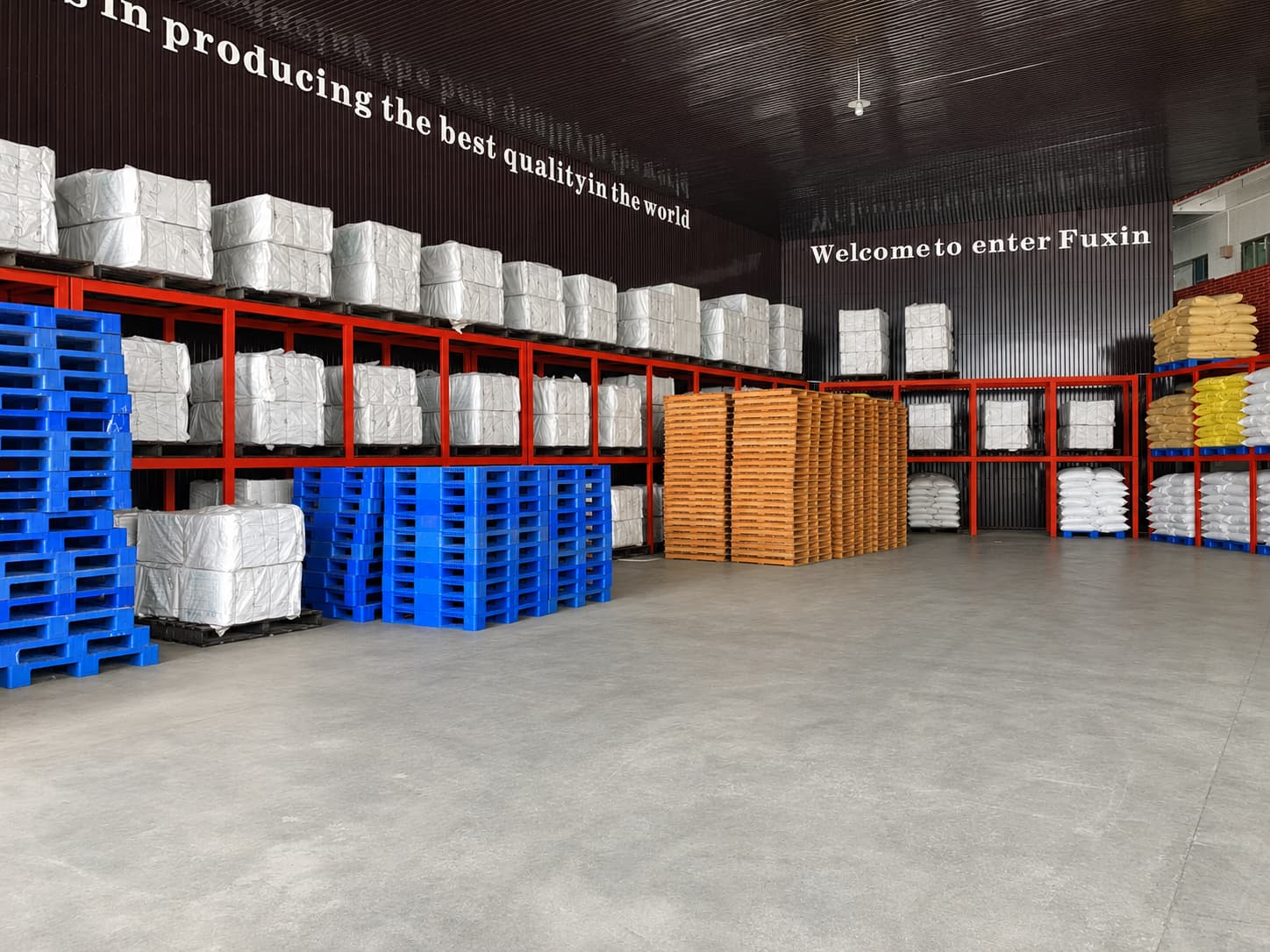
Pallet type, wrapping, stacking, container loading preference, and moisture protection should be confirmed before shipment, especially for distributors or buyers with warehouse restrictions.
Section 7: Align the Commercial Terms
Order Quantity
The RFQ should separate sample quantity, trial order quantity, and expected repeat order quantity. Different quantities may have different price and packaging implications.
Incoterms
Buyers should ask suppliers to quote under the same Incoterm and named place or port. This makes freight and responsibility easier to compare.
Currency and Payment Terms
The quotation should state currency, payment method, deposit requirement where applicable, balance timing, and quotation validity.
Freight and Additional Charges
Buyers should confirm whether freight, pallets, documentation, inspection, bank charges, local delivery, and other fees are included or excluded.
Production and Shipment Timing
Instead of assuming a fixed lead time, buyers should request the supplier’s current production and shipment estimate for the quoted quantity and packaging.
Section 8: Compare Quotations on an Equivalent Basis
A comparison sheet can include the following columns:
- Supplier and quoted grade
- Application recommendation
- Viscosity range and test method
- Mesh size
- pH, moisture, and appearance
- TDS, COA, and SDS availability
- Sample status
- Packaging and pallet details
- MOQ and trial order option
- Incoterm and named place
- Price and currency
- Payment terms
- Production and shipment estimate
- Custom label or document requirements
This approach helps buyers avoid choosing a quotation that appears cheaper only because it is based on a different grade, smaller document scope, or different delivery term.
Common RFQ Mistakes to Avoid
Requesting Only a Price per Kilogram
A unit price without grade, quantity, packaging, and Incoterm does not provide a reliable basis for comparison.
Using an Unclear Viscosity Target
A viscosity number without concentration, temperature, instrument method, and unit may lead to an unsuitable recommendation.
Skipping Sample Testing
Technical documents support screening, but they do not replace testing in the buyer’s actual textile printing formula.
Assuming Certifications Are Automatically Included
Any certificate, statement, or third-party report should be requested by name and verified for the exact product or site.
Ignoring Sample-to-Bulk Control
An approved sample should be linked to the commercial grade, agreed specification, COA, packaging, and batch traceability.
Copyable Sodium Alginate RFQ Template
Product: Альгинат натрия для печати на текстиле
Application: [Reactive printing / screen printing / rotary printing / other]
Fabric: [Cotton / rayon / linen / silk / blend]
Dye System: [Provide details]
Current Product or Reference Grade: [Name / TDS / COA if available]
Target Viscosity: [Range, concentration, temperature, method, unit]
Mesh Size: [Required or supplier standard]
Other Specifications: [pH / moisture / appearance / other]
Sample Quantity: [Required quantity]
Trial Order Quantity: [Required quantity]
Expected Bulk Quantity: [Per order / monthly / annual estimate]
Packaging: [Net weight / liner / pallet / label]
Documents Required: [TDS / COA / SDS / other]
Incoterm: [EXW / FOB / CIF / other and named place]
Destination: [Port / city / country]
Payment Preference: [Provide details]
Required Delivery Window: [Provide target]
Main Evaluation Points: [Dissolution / viscosity / filtration / printing behavior / other]
How FSX Chemical Supports Sodium Alginate RFQs
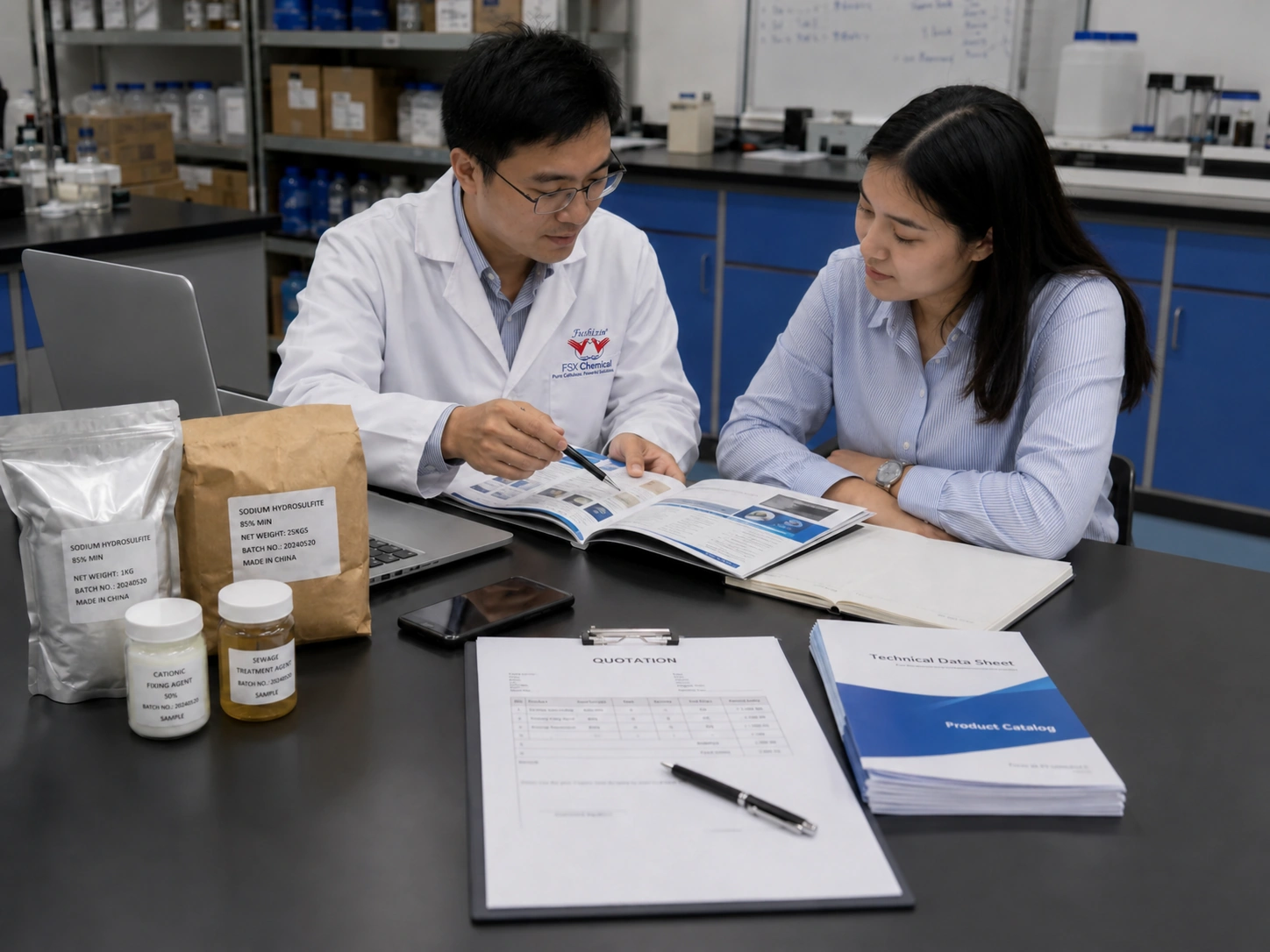
We do not recommend choosing sodium alginate only by a supplier name, broad certification claim, or lowest quoted price. The proposed grade should be reviewed through TDS, COA, SDS where applicable, controlled sample testing, and sample-to-bulk confirmation.
Следующие шаги
- Send the Application Details — provide printing process, fabric, dye system, current grade, and main production issue.
- Confirm the Viscosity Method — include concentration, temperature, instrument method, unit, and standing time.
- Request TDS, COA and SDS — verify that the documents match the quoted grade.
- Запросить образец — test the proposed grade against the current material under the same conditions.
- Confirm Packaging and Labels — specify bag size, liner, pallet, language, and custom label requirements.
- Align Commercial Terms — confirm quantity, currency, Incoterm, destination, payment terms, and quotation validity.
- Approve the Sample-to-Bulk Standard — link the approved sample to the agreed specification, COA, batch traceability, and purchase order.
- Свяжитесь с нашей технической службой — send your RFQ to 📧 Электронная почта: Service@fsxchemical.com