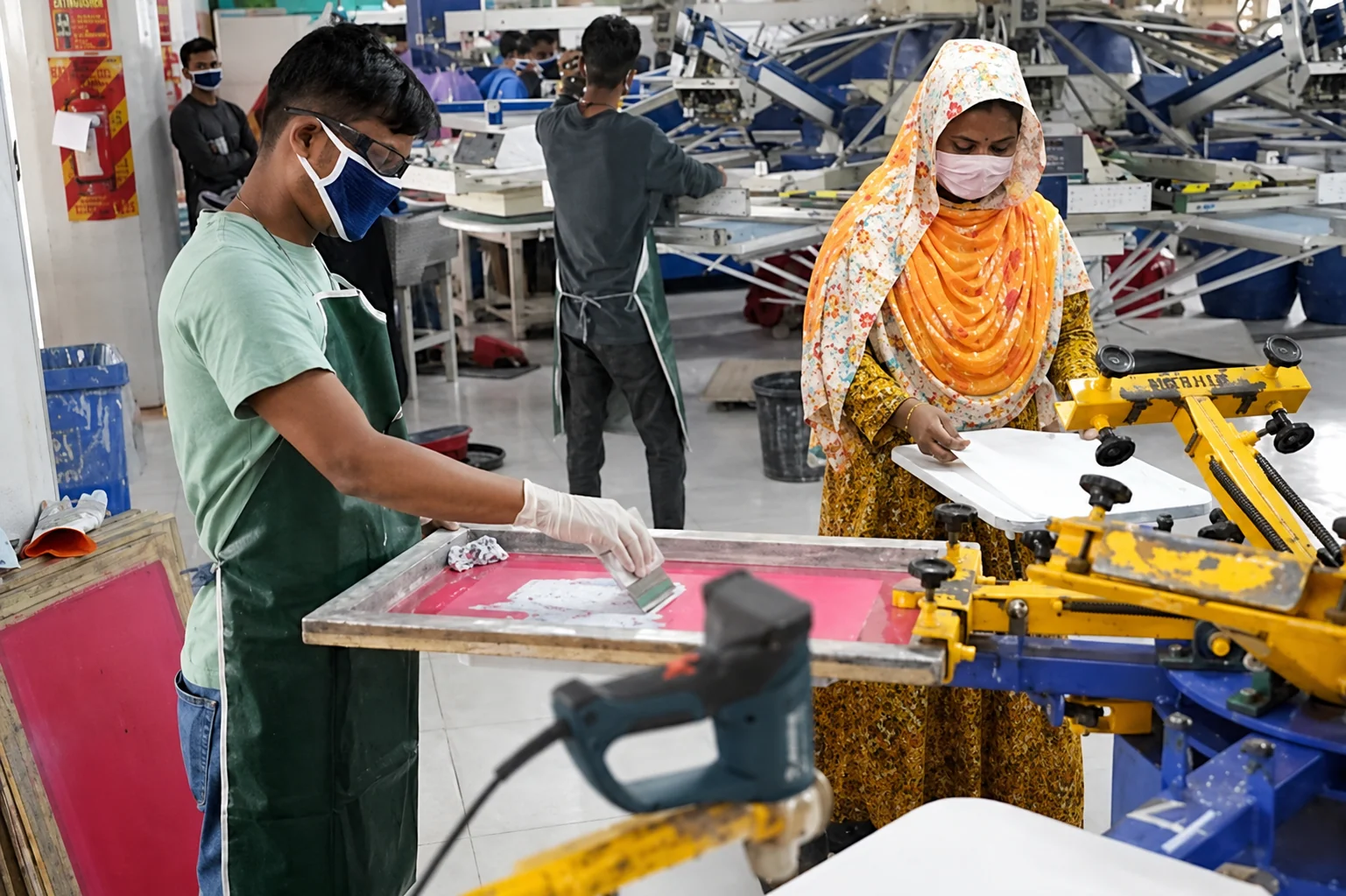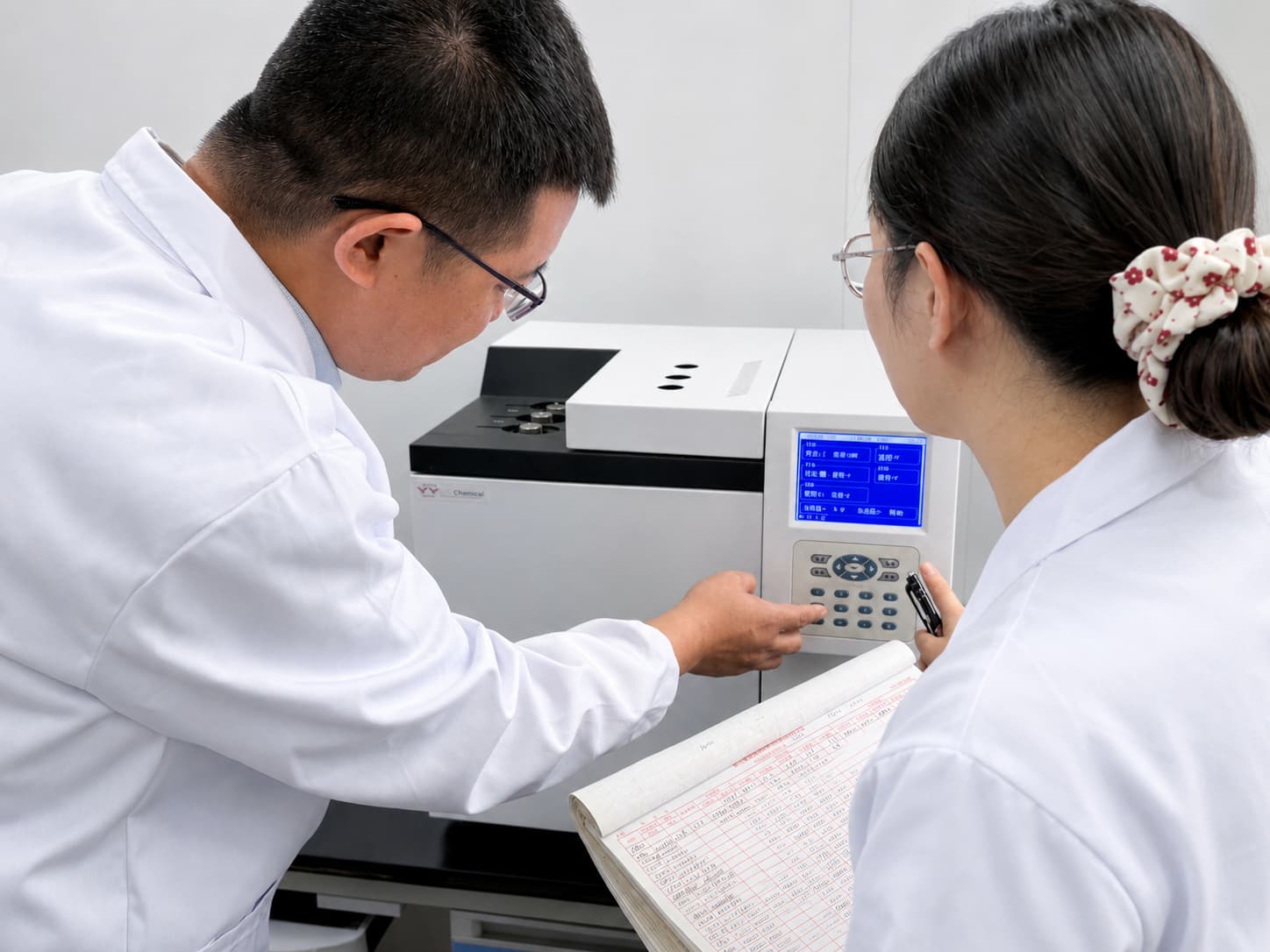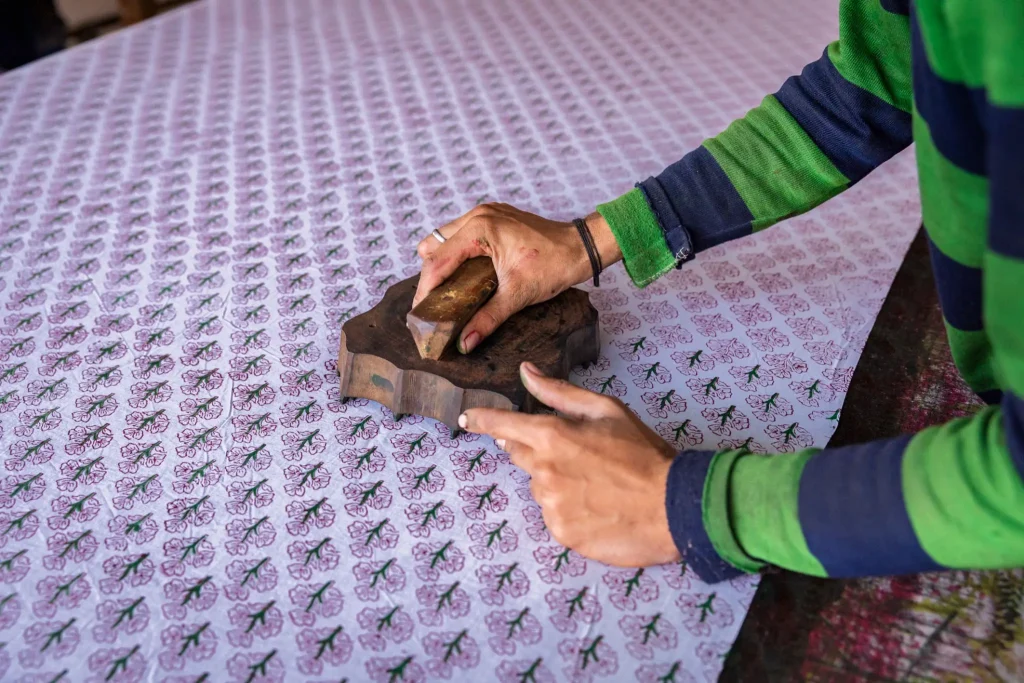
Sodium alginate is a practical thickener for reactive-dye hand block printing on cellulosic fabrics when the paste requires clean transfer, controlled penetration and reliable wash-off. It should not be treated as a universal thickener for every traditional, natural-dye, mordant or resist process; suitability depends on the actual dye chemistry, alkali, salts, fabric and fixation route.
This guide explains how to qualify textile-grade sodium alginate for hand block printing, including route screening, grade selection, small-batch preparation, workshop flow checks and production troubleshooting.
Is Sodium Alginate Suitable for This Hand-Printing Route?
| Process route | Alginate decision | Minimum trial |
|---|---|---|
| Reactive dye on cotton or viscose | Strong candidate | Paste rheology, outline, fixation, wash-off |
| Pigment plus binder | Not the default choice | Binder compatibility and handle |
| Natural dye or mordant route | Do not assume suitability | Exact recipe and full process sequence |
| Wax/resist plus printed reactive stage | Evaluate only the color-paste stage | Boundary control and post-wash result |
How Block Printing Differs from Screen Printing in Paste Requirements
Manual Application and Paste Body
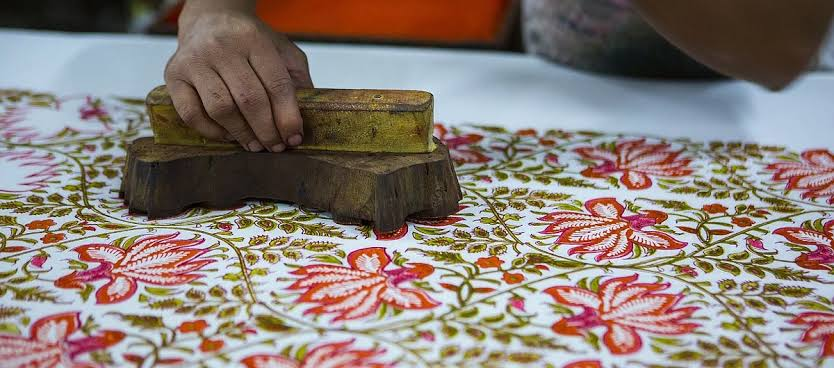
The paste needs to be thick enough to coat the block face evenly without dripping, hold its shape on the block surface between the paste tray and the fabric, and release cleanly onto the fabric when the block is pressed and lifted. Paste that is too fluid will drip from the block, spread unevenly, and bleed on the fabric. Paste that is too thick will not coat the block evenly and may leave gaps in the pattern.
Block printing and rotary screen printing impose different transfer forces and dwell times. Set paste body from the actual block depth, tray or pad, fabric construction and required penetration; do not assume block printing always needs a higher viscosity.

Pattern Definition and Dye Migration Control
After stamping, the color paste must limit unwanted lateral spread while allowing the required penetration. Alginate systems can show shear thinning, but lower apparent viscosity at higher shear rate does not prove immediate recovery or guarantee edge definition when the block lifts. Test actual block loading, dwell, lift, fabric absorbency and the interval before fixation. Measure time-dependent recovery separately if it is part of the grade-selection criterion.
Batch Size and Preparation Scale
Block printing operations — whether traditional artisan workshops or small commercial operations — typically prepare paste in small batches compared to industrial screen printing. Paste quantities per color are often measured in liters rather than hundreds of liters, and paste preparation is done manually or with small-scale mixing equipment.
Small batches make preparation variables more visible. Add powder gradually to controlled-temperature water under adequate agitation, allow full hydration, then filter and rest the paste according to the approved method. Mesh size can affect wetting and dispersion, but it does not by itself predict hydration speed, viscosity or print quality.
Sodium Alginate in Reactive Dye Block Printing Paste
Typical Components to Validate in a Reactive-Dye Block Paste
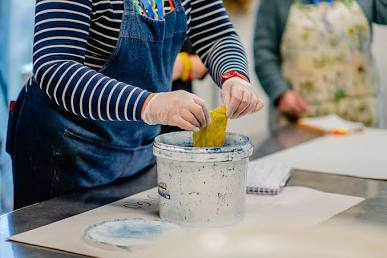
Depending on the selected reactive-dye process, a block-printing paste may contain sodium alginate, dye, alkali and specified auxiliaries such as urea or an anti-reducing agent. These are recipe components to confirm, not mandatory ingredients for every reactive system. Follow the dye supplier’s fixation route and test the complete paste; manual application alone does not establish a higher viscosity requirement.
Choose concentration by a controlled working trial rather than a presumed relationship to screen-printing dosage. Compare candidates first on a stated as-supplied powder basis with the same water, preparation, temperature and test method. Then optimize each complete recipe to achieve accepted transfer, penetration, outline, fixation and wash-off. Keep dye and auxiliary levels on the same final-recipe basis when changing thickener dosage.
In traditional artisan settings, paste formulation is often developed empirically — adjusted by the printer based on visual and tactile assessment of paste behavior rather than viscometer measurement. For operations transitioning from empirical to measured formulation, establishing a target viscosity range through measurement and correlating it with known good paste behavior is a useful first step.
Alkali Management in Small-Batch Block Printing
In industrial screen printing, alkali-containing paste is prepared in large batches and used within a defined time window. In small-batch block printing, the same principle applies but with different practical constraints — small batches may be prepared and used intermittently across a day, and paste may be left in the tray between printing sessions.
Adding alkali changes the ionic and pH environment of the complete reactive paste and also starts a limited dye-use window. Alginate can degrade under sufficiently alkaline conditions during storage, but an immediate or later viscosity change does not establish that mechanism. Qualify both paste behavior and final color over the intended workshop holding period at the actual temperature. Practical controls include:
- Where the approved dye procedure permits, hydrate the stock first and add the specified alkali close to use. Label the addition time and use the paste within its qualified holding window.
- Use the alkali identity and amount specified for the dye and fixation route. Bicarbonate and carbonate are not universal substitutes; any change requires fresh compatibility, holding and final-color trials.
- Keep the paste covered under the temperature conditions qualified for the recipe. Recondition and test it by the same procedure before comparing later readings.
If paste behavior changes during printing, compare temperature, final concentration, accidental dilution, pH, ionic additions and shear/rest history with the approved reference. Include dye age and sanitation in the investigation. Holding temperature constant does not isolate alkali degradation, and acceptable viscosity does not by itself confirm usable dye fixation.
Natural Dye Traditions and Sodium Alginate Compatibility
Natural-dye, mordant and resist traditions use many process routes. Before introducing sodium alginate, run a small compatibility trial with the exact colorant, mordant, alkali, water quality, fabric and fixation sequence. Evaluate shade, outline, penetration and wash-off rather than assuming transfer from a reactive-dye recipe.
Where a mordant or auxiliary is part of the paste, add it only after confirming compatibility and holding stability. Compare a fresh paste with the intended workshop holding time and check for viscosity drift, separation or loss of print definition.
Control pH using the dye supplier’s process window. Sodium alginate tolerates many reactive-printing conditions, but the complete paste—not the thickener alone—must be tested after alkali and electrolyte addition.
Ajrak and Related South Asian Block Printing Traditions
Ajrak Printing: Process and Paste Requirements
Ajrak is a multistage resist, mordant and dyeing tradition with workshop-specific recipes. The process should be documented before recommending any thickener; sodium alginate is relevant only when a compatible printed color or reactive-dye stage is actually used.
If a workshop uses a reactive-dye paste on cotton within an Ajrak-inspired or mixed production route, sodium alginate can be screened for outline control and wash-off. This is an application-specific trial, not a general prescription for traditional Ajrak.
For multistage work, test the alginate paste through the complete sequence—including drying, steaming or curing, washing and any later resist or mordant steps—to detect interactions that a single stamp test will miss.
Bagru and Sanganer Block Printing (India)
Bagru and Sanganer workshops use diverse natural, pigment and reactive color systems. Identify the actual route first. For reactive-dye printing on cellulosic fabric, sodium alginate may be evaluated; other systems need a thickener selected for their own binder, mordant and fixation chemistry.
Do not select a “medium-viscosity” grade by label alone. Compare samples at equal solids and a defined test method, then adjust concentration to the block depth, fabric absorbency and desired penetration. Approve the grade only after print, fixation and wash-off trials.
Batik and Wax Resist Printing
In batik and other resist processes, the wax or resist stage and the color-application stage should be evaluated separately. Sodium alginate may be considered only for a compatible reactive-dye printing stage.
Where an alginate paste is used alongside a resist, choose rheology from trial results: the paste must transfer without flooding fine resist boundaries, while still wetting the exposed fabric. A universal low-, medium- or high-viscosity recommendation is not reliable.
Grade Selection for Artisan and Small-Scale Block Printing
Viscosity Grade Considerations
Low-, medium- and high-viscosity labels describe supplier grades under specified solution tests, not a universal block-printing ranking. A lower-viscosity grade at one concentration may produce a workable paste, while a higher-viscosity grade may give poor loading or release. Select the grade and concentration together using the actual block, tray or pad, fabric and complete recipe.
Record the viscosity of an accepted reference paste with concentration basis, temperature, instrument, spindle, speed, hydration and rest time. Use it as a comparison checkpoint, not as proof that a new grade will print identically. Approve the new grade only after side-by-side transfer, edge, penetration, fixation and wash-off tests on the production fabric.
Dissolution Method for Small-Scale Preparation
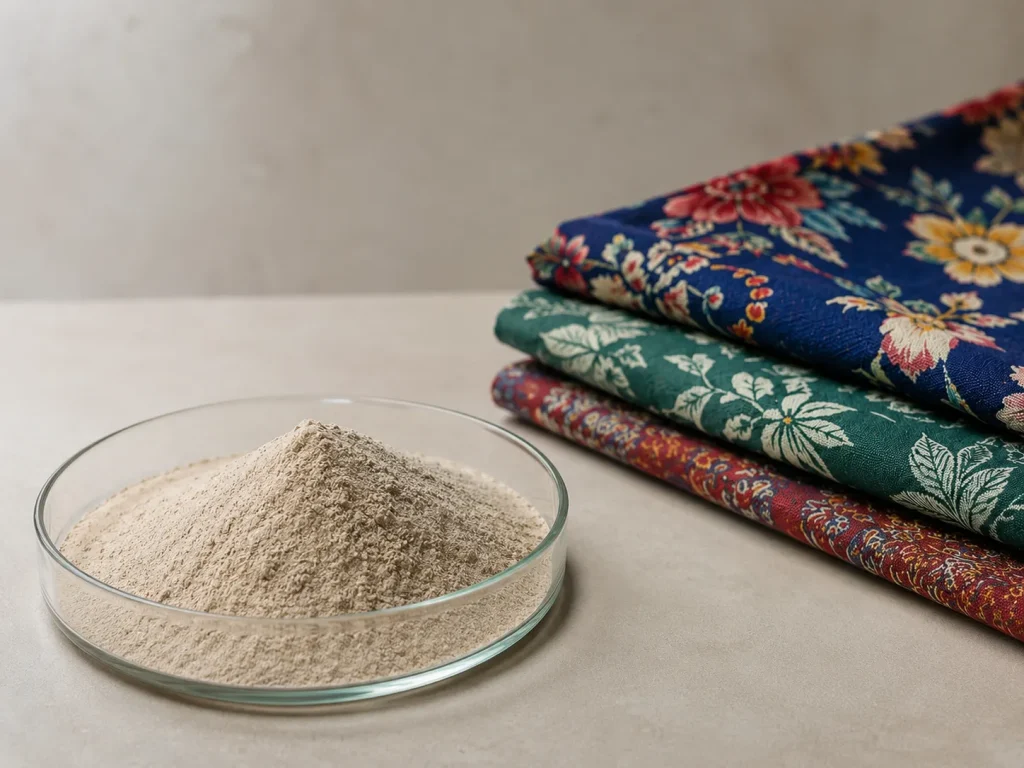
Cold-water preparation can be practical when the grade and mixing procedure allow it. Add powder gradually to water with enough agitation to disperse it without persistent dry centers, then allow the defined hydration period. Qualify the mixer or clean paddle for the actual batch size and paste body; small volume alone does not prove that manual stirring is adequate.
Fine particles may hydrate faster once individually wetted, but can also clump more readily; a finer sieve label does not guarantee easier preparation. Compare the actual grade using the workshop’s addition rate, agitation, water and hydration procedure, then inspect filtered residue and stamp performance. The FAO alginate properties reference distinguishes particle hydration from dispersion; it does not set a universal mesh threshold for textile workshops.
Purity and Solubility for Clean Pattern Definition
For procurement, specify the supplier’s test method and acceptance range for viscosity, moisture, pH and insoluble matter. Compare certificate results with an incoming-lot hydration and filtration check; do not rely on one generic insoluble-matter limit across all grades.
Heavy metal content in the sodium alginate may be relevant if the printed fabric will be subject to buyer specifications on heavy metal content in textile chemicals — increasingly common for export orders from major retail markets. Request heavy metal data from your supplier if this is a requirement for your end market.
Practical Paste Assessment for Block Printing
Workshop Flow Checks (Not a Substitute for Viscosity Testing)
When a viscometer is unavailable, use drip, block-face and stamp checks to compare a new batch against an approved reference paste. Record water temperature, mixing time, rest time and concentration so the comparison is repeatable.
- Drip comparison — use the same clean paddle, loading, lift height, temperature and elapsed time as the accepted reference. Record the observed behavior alongside the stamp result; there is no universal seconds-to-first-drip acceptance limit.
- Block face test — press the block into the paste tray and lift; the paste on the block face should coat evenly without dripping from the lowest points of the carved design
- Stamp test — stamp the paste-loaded block onto a sample of your production fabric and assess whether pattern edges are sharp or bleeding
These workshop checks show transfer behavior but do not produce a procurement-grade viscosity value. Supplier and incoming QC comparisons should use the same instrument, spindle, speed, temperature, solution concentration and hydration time.
Establishing a Reference Paste for Consistency
For operations that prepare paste empirically, preparing a reference batch at confirmed working parameters — measured concentration, measured viscosity, documented sodium alginate grade and lot number — and keeping this as a quality reference gives you a repeatable standard to compare future batches against. This is particularly useful when switching sodium alginate lots or suppliers, where a direct side-by-side comparison with the reference batch identifies any performance difference before it affects production.
Madalas Itanong na Mga Tanong
Is sodium alginate suitable for every hand block printing process?
No. It is primarily evaluated for compatible reactive-dye pastes on cellulosic fabric. Natural-dye, pigment, mordant and resist systems require separate compatibility trials.
How should a workshop choose sodium alginate viscosity?
Compare candidate grades at controlled solids, then adjust concentration against block depth, fabric absorbency, outline and penetration. Confirm the value using a documented viscosity method.
Can a drip test replace a viscometer?
No. A drip or stamp test is useful for daily comparison with an approved paste, but supplier qualification and incoming QC require method-controlled viscosity measurement.
When should alkali be added to a reactive block-printing paste?
Follow the dye-system procedure and add alkali as late as practical when limited paste stability is a concern. Validate the intended holding time under actual workshop temperature.
What should be recorded during a sample trial?
Record grade and lot, solids, water temperature, mixing and rest time, additives, fabric, block geometry, fixation, wash-off, outline and final shade. For a supplier comparison, use Mga Halimbawa at Pagtutugma.
How FSX Chemical Supports Artisan and Small-Scale Printing Operations
Request the current grade TDS and available batch COA, including the viscosity method, moisture, pH, insoluble matter and particle-size information where specified. Sodium alginate is not selected by the CMC degree-of-substitution (DS) parameter. Share the actual block, fabric, dye route and preparation method with FSX for a relevant sample comparison.
Mga susunod na hakbang:
- Request a TDS — review viscosity, mesh, and dissolution specifications for block printing applications
- Humiling ng halimbawa — evaluate paste behavior on your blocks and fabric before bulk ordering
- Ask for Grade Matching — share your block printing tradition, dye system, and paste preparation method for a specific recommendation
- Makipag-ugnayan sa aming teknikal na koponan — for formulation support or troubleshooting in artisan printing applications📧 I-email: Service@fsxchemical.com