Direct answer: Sodium alginate can be evaluated as a water-soluble film former in selected warp-sizing formulations, but it is not a universal replacement for starch, modified starch, PVA or CMC. Suitability depends on fibre and yarn construction, loom demand, solids, adhesion, abrasion resistance, humidity response, cost and the mill’s desizing route. A printing-grade alginate should not be approved for sizing from viscosity alone.
ٹیکسٹائل کی پیداوار میں سائزنگ کا کردار
وارپ سائزنگ کیوں ضروری ہے
سایزنگ سے پہلے وارپ دھاگے پر ایک پتلی حفاظتی تہہ لگائی جاتی ہے، جب وہ لووم میں داخل ہوتا ہے۔ یہ تہہ عارضی طور پر دھاگے کی کششِ طاقت میں اضافہ کرتی ہے، ریشوں کے اڑیل سروں (جو رگڑ پیدا کرتے ہیں) کو کم کرتی ہے، اور ایک ہموار سطح فراہم کرتی ہے جو لووم کی تیز رفتار پر دھاگے کے بہاؤ کو بہتر بناتی ہے۔ بُنائی کے بعد ڈیسائزنگ کے مرحلے میں سائزنگ ایجنٹ کو ہٹا دیا جاتا ہے، اس سے پہلے کہ کپڑا رنگرائی یا فنشنگ کے عمل سے گزرے۔.
سائزنگ ایجنٹ کے انتخاب کا ڈاؤن اسٹریم پراسیسنگ پر کیا اثر ہوتا ہے
The desizing process must reduce the applied size sufficiently for the intended downstream dyeing or finishing route. Residue can alter wetting, penetration or local shade, but a detectable amount does not automatically establish a failed dyeing process. Define the size composition, selective residue method, sampling positions and acceptance criteria, then confirm absorbency and the finished-fabric result.
ڈیسائزنگ کی آسانی — یعنی سائزنگ ایجنٹ کو کتنی مکمل اور مؤثر طریقے سے ہٹایا جا سکتا ہے — ایک انتہائی اہم انتخابی معیار ہے، خاص طور پر ان کپڑوں کے لیے جو بُنائی کے بعد ری ایکٹیو یا ویٹ ڈائیئنگ کے عمل سے گزریں گے۔ وہ سائزنگ ایجنٹس جن کے لیے انزیمی یا کیمیائی ڈی سائزنگ درکار ہوتی ہے، عمل کے مراحل اور لاگت میں اضافہ کر دیتے ہیں۔ وہ سائزنگ ایجنٹس جو گرم پانی سے آسانی سے دھل جاتے ہیں، ڈی سائزنگ کے مرحلے کو آسان بناتے ہیں اور نامکمل ہٹ جانے کے خطرے کو کم کر دیتے ہیں۔.
سائزنگ ایجنٹ کے طور پر سوڈیم الگنیٹ
سُتّے پر فلم بنانے والی خصوصیات
Sodium alginate can form a flexible water-soluble film, but its performance relative to starch-based sizes depends on starch modification, blend ratio, solids, plasticization, yarn and humidity. Compare film strength, elongation, adhesion, abrasion resistance and shedding on the actual yarn rather than assuming one polymer is always more flexible.

سٹارچ اور پی وی اے سائزنگ ایجنٹس کے ساتھ موازنہ
Starch and modified starch are widely used for cotton-rich yarns because of cost and film performance. Desizing requirements depend on the starch type, degree of modification and blend; enzyme, oxidative or combined routes may be used. The mill should verify removal efficiency and downstream absorbency under its own process conditions.
PVA is used in selected synthetic, blended and demanding warp-sizing systems because of its film strength and abrasion resistance. Desizing behavior depends on molecular weight, degree of hydrolysis, blend composition and wash conditions; compare removal, recovery and wastewater implications using the mill’s actual route.
Water washing is a candidate removal route for a sodium-alginate-containing size. Its suitability must be checked for the complete formulation, applied amount and drying history. A blend containing other sizing polymers may require a different removal process; a soluble ingredient does not establish that the entire size will wash out adequately.
مناسب فائبر کی اقسام اور استعمالات
سوڈیم الگنیٹ سائزنگ سب سے زیادہ کپاس اور دیگر سیلولوزک دھاگوں — لینن، وِسکو س، اور سیلولوزک مرکبات — پر استعمال ہوتی ہے۔ یہ مخلوط ریشوں کے استعمال کے لیے نشاستہ یا پی وی اے کے ساتھ مخلوط سائزنگ باتھ میں بھی استعمال ہوتی ہے۔.
Iیہ مصنوعی دھاگوں (پالئیےسٹر، نائلون) کے لیے بنیادی سائزنگ ایجنٹ کے طور پر کم عام طور پر استعمال ہوتا ہے، جہاں PVA یا ایکریلک سائزز عموماً ان کے co کی وجہ سے ترجیح دیے جاتے ہیں۔مصنوعی ریشوں والی سطحوں کے ساتھ مطابقت۔.
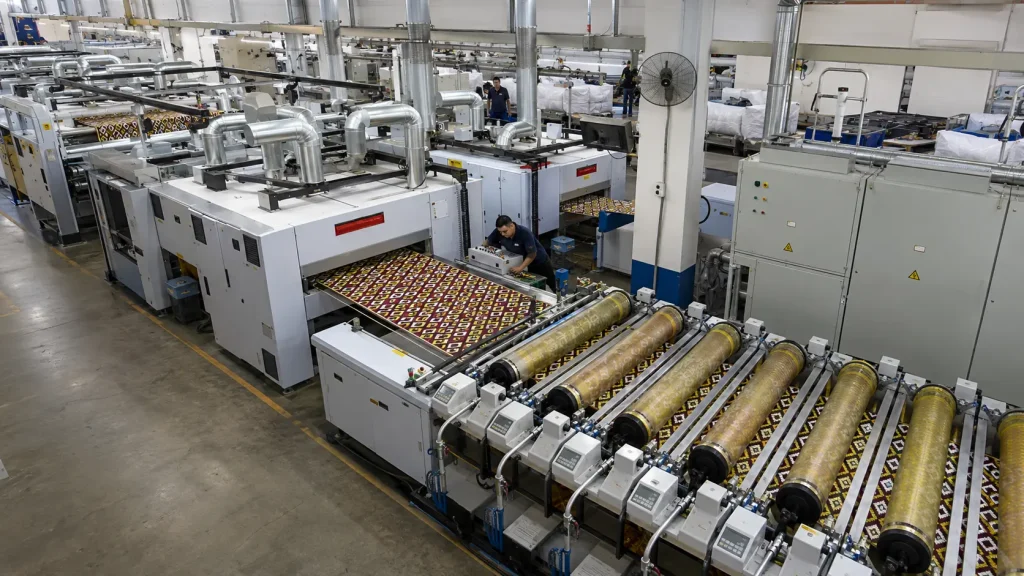
Sizing Polymer Comparison and Desizing Considerations
| Sizing route | Potential strength | Desizing consideration | Buyer or mill verification |
|---|---|---|---|
| سوڈیم الگینٹ | Water-soluble film in selected formulations | Removal depends on add-on, drying, water hardness, temperature and blended ingredients | Adhesion, abrasion, shedding, humidity response, residual size and cost |
| Starch or modified starch | Established cost and film route for many cotton-rich yarns | Enzyme, oxidative or combined process may be needed depending on type and blend | Cook stability, film behavior, loom efficiency, desizing and absorbency |
| PVA | Strong, abrasion-resistant film for selected demanding yarns | Removal varies with molecular weight, hydrolysis and wash conditions | Film strength, shedding, wash demand, recovery and wastewater handling |
| سی ایم سی | Water-soluble film and viscosity control, grade dependent | Removal depends on DS, viscosity, add-on and formulation | Hydration, adhesion, salt response, film properties and residual size |
| Blended sizing system | Can balance adhesion, film, cost and preparation | Desizing must be designed for every component | Lock the full recipe and evaluate both weaving and downstream removal |
سوڈیم الگنیٹ سائزنگ کے لیے درخواست کے پیرامیٹرز
سائزنگ باتھ میں ارتکاز اور لزجیّت
Set the starting bath concentration from the exact grade, yarn and target dry size add-on. Do not adopt a generic concentration range or infer the required amount from yarn count alone. Trial the candidate against the current size at measured add-on, then compare yarn protection, shedding, weaving behavior and removal.
Evaluate bath flow and yarn penetration at the actual operating temperature. A viscosity class is not an automatic sizing approval: compare concentration, full measurement conditions and measured size add-on before deciding whether a lower- or higher-viscosity grade is practical.
غسل کا درجہ حرارت اور اٹھانے کی شرح
Define the bath temperature as part of the grade-specific trial. Compare viscosity after the same preparation and holding history, and record yarn penetration and add-on. A nominal temperature copied from another polymer or process does not establish a suitable operating window.
Distinguish wet liquor pickup from dry size add-on. Record each on a declared dry-yarn basis, together with bath solids, squeeze conditions and the measurement method. Differences in wet pickup do not necessarily mean the same differences in dry deposited size.
سائزنگ کے بعد خشک کرنے کے حالات
سائزنگ کے عمل کے بعد، سائز شدہ دھاگا خشک کرنے والے حصے سے گزرتا ہے تاکہ پانی ہٹ جائے اور سائز کی فلم بن جائے۔ سوڈیم الگنیٹ کے لیے، خشک کرنے کا درجہ حرارت اور دورانیہ اتنا مناسب ہونا چاہیے کہ ایک مربوط فلم بن سکے، لیکن اتنا زیادہ نہ ہو کہ الگنیٹ کو خراب کر دے یا فلم کو نازک بنا دے۔.
Compare the actual yarn thermal and moisture history with the approved reference. Tacky yarn, brittle films or increased shedding can have several causes; those symptoms alone do not prove polymer-chain degradation. Change a drying variable only within a suitable trial window and recheck yarn separation, film behavior and desizing.
ڈیسائزنگ: بُنائی کے بعد سوڈیم الگینیٹ کا ہٹانا
کیوں سائز کم کرناڈاؤن اسٹریم رنگائی کے لیے لیتیٹر کا معاملہ
Residual size is a possible contributor to resist marks or uneven dyeing. Investigate it alongside other fabric-preparation and process causes; use the observed pattern to choose the checks. UNIDO’s cotton-finishing QC paper recommends residual-size checks when size composition, fabric construction or desizing conditions change. That historical cotton guidance is not a universal alginate-residue limit. Compare the affected area with an approved reference and also inspect scouring, fabric preparation, application and fixation conditions.
For reactive dyeing or printing, a remaining size film can restrict access to the cellulosic substrate or change local application. The effect depends on the material, amount, distribution and full process. Do not infer a particular fixation loss from residue detection alone. Assess the relevant residue result, wetting uniformity, final shade and specified fastness separately; where fixation is measured, use a suitable dye-specific method rather than treating shade or wash loss as an exact fixation assay.
گرم پانی کے ذریعے سائز نکالنے کا طریقہ
A controlled water-washing trial can establish whether the candidate size can be removed sufficiently under the mill’s available conditions. Define the bath chemistry, water quality, temperature, time, liquor ratio and mechanical action before comparing the candidate and reference. A practical sequence to evaluate is:
- Wet the fabric under a defined condition.
- Wash using the mill’s chosen water quality, chemistry, temperature, time and mechanical action.
- Rinse, condition and evaluate removal and the downstream textile result.
Determine whether additional chemistry is necessary from the full size composition and the removal result. Do not omit a treatment required by another component of the blend merely because sodium alginate is present.
Checking Residual Size Before Dyeing
Iodine staining is useful for investigating starch residue, not for establishing the absence of alginate. Conductivity reflects dissolved ionic material; TOC measures organic carbon. Neither wash-liquor result alone identifies alginate or proves how much remains on the fabric. Use a validated residue method with appropriate blanks and corroborating fabric-performance checks.
Choose a Desizing Check That Answers the Right Question
The following is a proposed verification plan, not an FSX test result. Compare candidate-sized and reference-sized fabric through the same wash, and include a suitable unsized or blank fabric where the method requires it.
| چیک | Useful observation | Limit and next decision |
|---|---|---|
| Iodine response | Starch-related staining under the chosen procedure | A negative result does not clear alginate or other non-starch size. |
| Wash-liquor conductivity | Change in ionic load with water and process blanks | Do not identify alginate or fabric residue from this signal alone. |
| Wash-liquor TOC | Organic-carbon load with a documented sample method | Other organic materials contribute; this is not an alginate-specific fabric assay. |
| Validated fabric-residue method | Residual material measured on representative fabric locations | Confirm selectivity, extraction recovery and an appropriate reference before setting a limit. |
| Absorbency and downstream trial | Wetting uniformity and the required dyeing or finishing result | Functional checks support release, but do not alone identify the residue’s chemistry. |
Hold approval when the tests disagree. Investigate sampling, water chemistry and blended ingredients before increasing wash severity or changing the polymer.
If validated checks indicate inadequate removal, hold the fabric for investigation. Compare the result with the approved reference, then adjust the removal process within a suitable window and repeat both residue and downstream checks. More heat or washing is not an automatic solution to every residual-size problem.

سوڈیم الگینیٹ گریڈ سائزنگ اور ڈی سائزنگ کی کارکردگی کو کیسے متاثر کرتا ہے
لغویریت گریڈ کے انتخاب
Screen the viscosity grade through the bath and yarn trial. A low or medium reference viscosity may be a useful starting direction, but it does not establish acceptable penetration, protection or removal for every yarn.
Compare grades at declared concentrations and matched measurement conditions, then measure the actual dry size add-on. Adjusting concentration and pickup can change the result; do not equate a higher viscosity label with a fixed deposited amount.
Alginate Identity and Film Performance
Ordinary sodium alginate is built from mannuronic and guluronic acid units. The carboxymethyl degree of substitution used for CMC is not its normal grade specification. If a supplier declares a chemically modified alginate, request the identity and definition rather than transferring a CMC DS requirement.
For sizing, verify the actual commercial grade and viscosity method, then test film adhesion, elongation, abrasion, shedding and removal on the intended yarn and woven fabric. Do not invent a structural specification for a grade whose supplier has not declared it.
پاکیزگی اور اس کا ڈیسائزنگ کی کارکردگی پر اثر
Review the supplier’s declared moisture, inorganic residue and insoluble-material information without assuming that every impurity is sodium chloride. Investigate the complete size bath and wash process when residue is observed; a single purity label does not explain every removal problem.
ڈائزنگ کے لیے، خالصت اس بات پر اثر انداز ہوتی ہے کہ سائز کتنی صاف طریقے سے حل ہوتا ہے اور کیا دھونے کے بعد کپڑے پر نجاستوں کا کوئی باقی ماندہ رہ جاتا ہے۔ رنگنے سے پہلے کپڑے کی صفائی انتہائی اہمیت رکھنے والی ایسی ایپلیکیشنز کے لیے جہاں رنگ کی مضبوطی حساس ہو، کم نجاست والا گریڈ منتخب کرنا قابلِ غور ہے۔.
عام سائزنگ اور ڈی سائزنگ کے مسائل
سُت پر نامتناسب فلم
غیر یکساں سائز والی فلم — جہاں کچھ دھاگوں کے حصوں میں سائز میں اضافہ دوسروں کے مقابلے میں زیادہ ہوتا ہے — عموماً سکویز رولر کے دباؤ میں غیر یکساںیت، سائزنگ باتھ کی ارتکاز میں فرق، یا سائزنگ باتھ میں سوڈیم الگینٹ کے نامکمل تحلیل ہونے کے نتیجے میں پیدا ہوتی ہے۔ سائزنگ باتھ میں نامحلول ذرات مقامی طور پر زیادہ ارتکاز والے مقامات بناتے ہیں جو دھاگوں کی سطح پر غیر یکساں طور پر جمع ہو جاتے ہیں۔.
سائزنگ باتھ بھرنے سے پہلے سوڈیم الگینیٹ کے مکمل تحلیل ہونے کو یقینی بنائیں۔ باتھ محلول کا بصری معائنہ اور باریک جالی سے نمونہ چھان کر غیر حل شدہ ذرات کی موجودگی چیک کریں۔ اگر سائز ایڈ-آن کی پیمائش وارپ کی چوڑائی میں اتار چڑھاؤ دکھائے تو باتھ کی ارتکاز کو ایڈجسٹ کریں۔.
رنگنے سے پہلے نامکمل سائز کم کرنا
When a removal check fails, first confirm what the method detects and whether the sample represents the fabric. Review size composition, measured add-on and washing conditions against the approved reference before changing time, temperature or chemistry.
Check the actual wash temperature and water quality throughout the trial. Calcium can change alginate hydration or form an insoluble network, so successful removal in one water source does not establish performance in another.
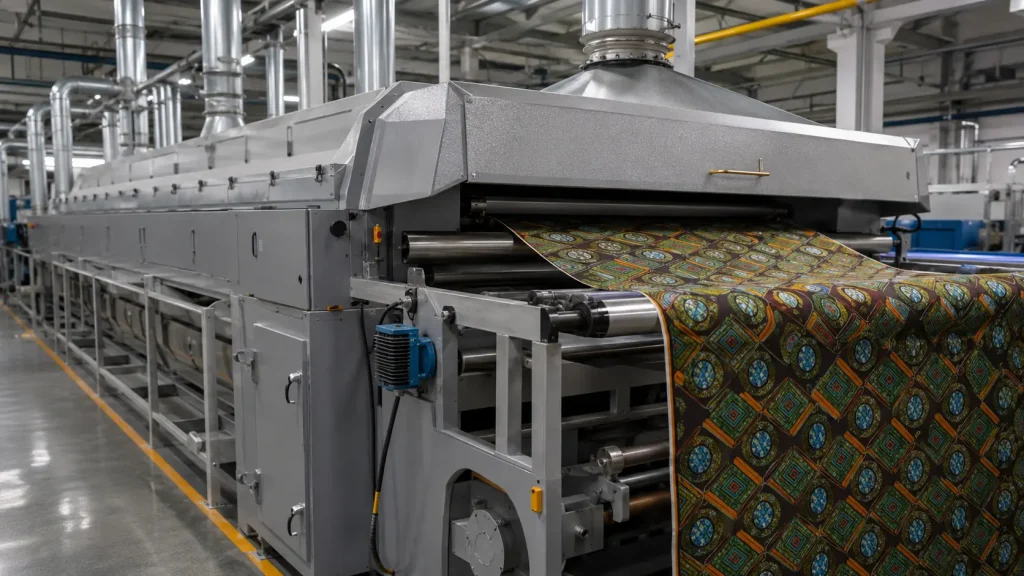
سائز غسل چِپچِپاہٹ عدم استحکام
اگر پیداوار کے دوران غسل کی چپچپاٹ میں نمایاں تبدیلی آئے — وقت کے ساتھ گاڑھا یا پتلا ہو جائے — تو غسل کے درجۂ حرارت کی استحکام، پانی کے بخارات بننے کی شرح، اور یہ دیکھیں کہ آیا سوڈیم الگینیٹ کا گریڈ آپریٹنگ درجۂ حرارت پر اپنی استحکام برقرار رکھ رہا ہے یا نہیں۔.
Measure bath viscosity at a defined temperature and preparation history, and track evaporation, carryover and contamination. Establish a justified reuse and hold-time procedure; do not mandate fresh preparation every shift without process evidence.
Sodium Alginate Sizing and Desizing FAQ
Can textile-printing sodium alginate be used directly for warp sizing?
Do not approve it from the product name or viscosity alone. A candidate grade must be tested for solids, hydration, adhesion, film strength, elongation, abrasion resistance, shedding, humidity response and removal from the woven fabric.
Does sodium alginate always desize with hot water only?
Not always. Removal depends on add-on, drying history, water hardness, temperature, mechanical washing and any blended sizing ingredients. Verify residual size, absorbency and downstream dyeing rather than assuming complete removal.
Is sodium alginate better than starch or PVA for sizing?
No universal ranking applies. Starch, modified starch, PVA, CMC, alginate and blends offer different cost, film, abrasion and desizing trade-offs. Select the route against yarn, loom, quality target and wastewater conditions.
What should be checked after desizing?
Check residual size, fabric absorbency, wetting uniformity and the downstream dyeing or finishing result. A visually clean fabric can still retain enough size to disturb penetration or shade uniformity.
FSX کیمیکل آپ کے سائزنگ کے عمل میں کیسے مدد کرتا ہے
Review the FSX sodium alginate product route as a starting point for grade discussion. A sizing application requires its own suitability review and trial. Request the current grade document and defined viscosity method; this article does not establish a sizing-specific approval or an alginate DS specification.
اگلے اقدامات:
- Review sodium alginate grade information and request the applicable TDS and viscosity method.
- Request sample matching for a controlled yarn-sizing and desizing trial.
- Begin with yarn and fibre type, the current size or TDS, and the main protection or removal problem.