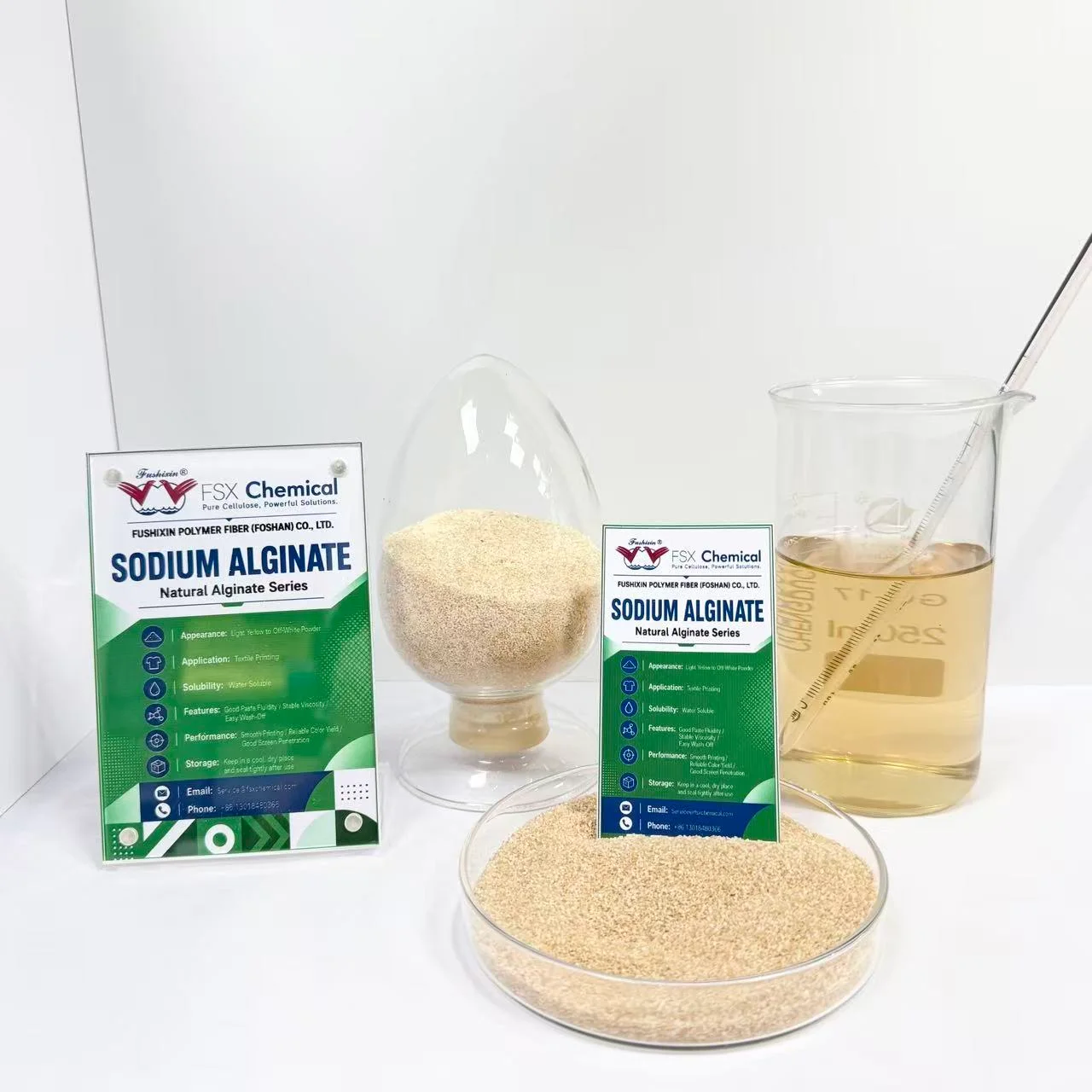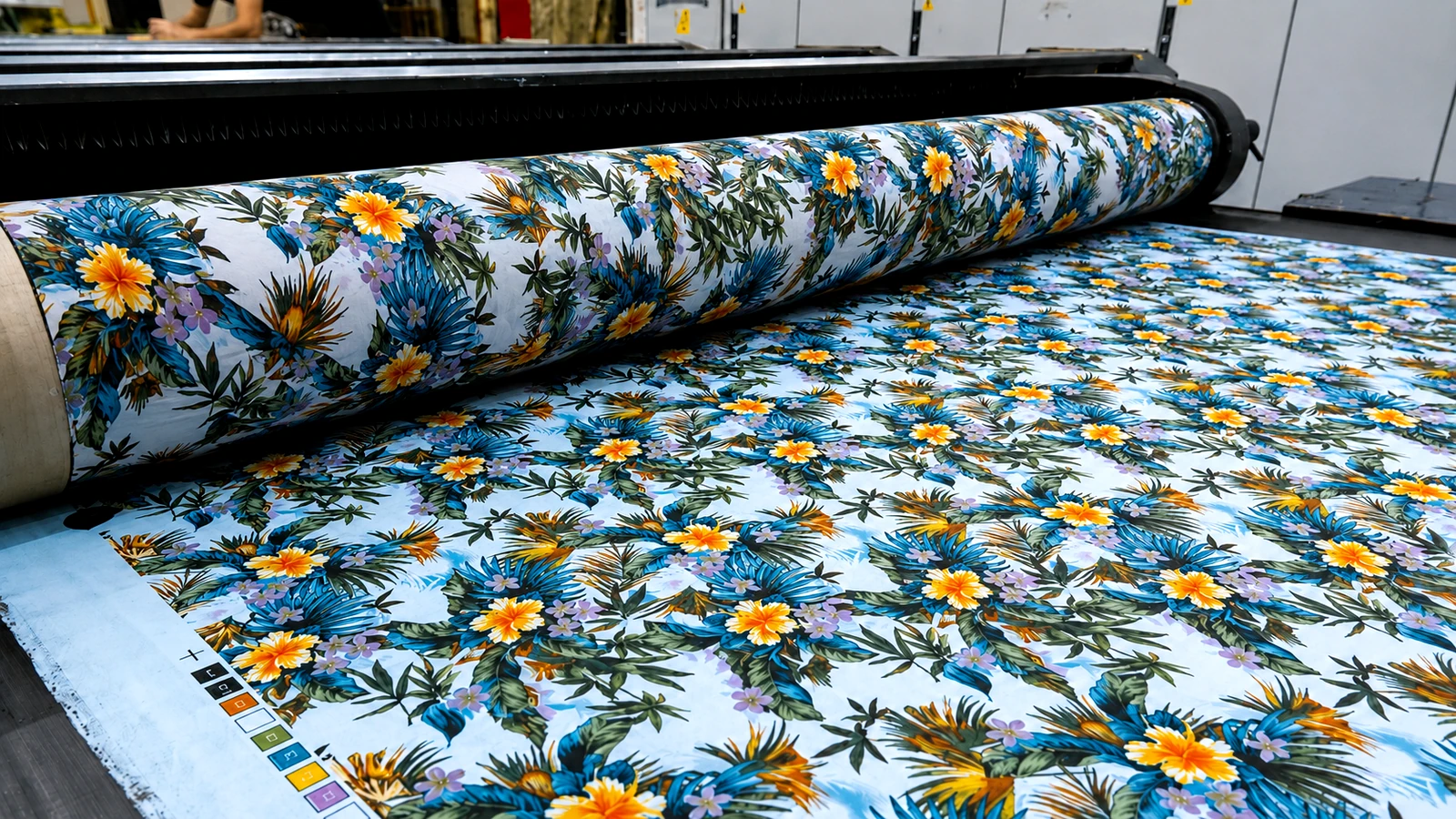















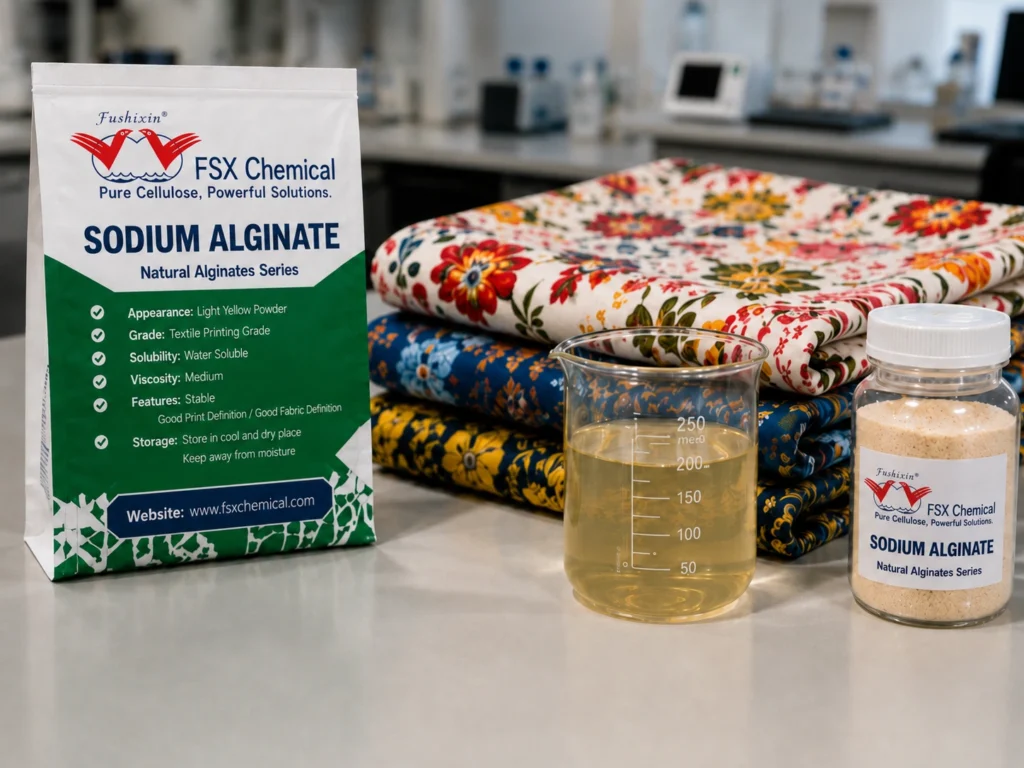
Sodium alginate is primarily a reactive textile printing thickener, not a general dye-bath auxiliary. When a buyer asks for sodium alginate “for dyeing,” first determine whether the product will enter a printing paste, a fabric pretreatment, a coating formulation or the dye bath itself. Only a process-specific trial can establish suitability outside the established reactive-printing route.
\n \nFor reactive printing on cotton or viscose, evaluate textile-grade sodium alginate for paste rheology, filtration, transfer, fixation and wash-off. For direct dye-bath addition, pigment systems, disperse printing or digital pretreatment, select the product route separately and do not infer suitability from the chemical name alone.
\nThis guide explains how buyers can evaluate sodium alginate for textile dyeing and printing applications through specifications, technical documents, sample testing, comparison with current materials, batch consistency, packaging, and export document review.
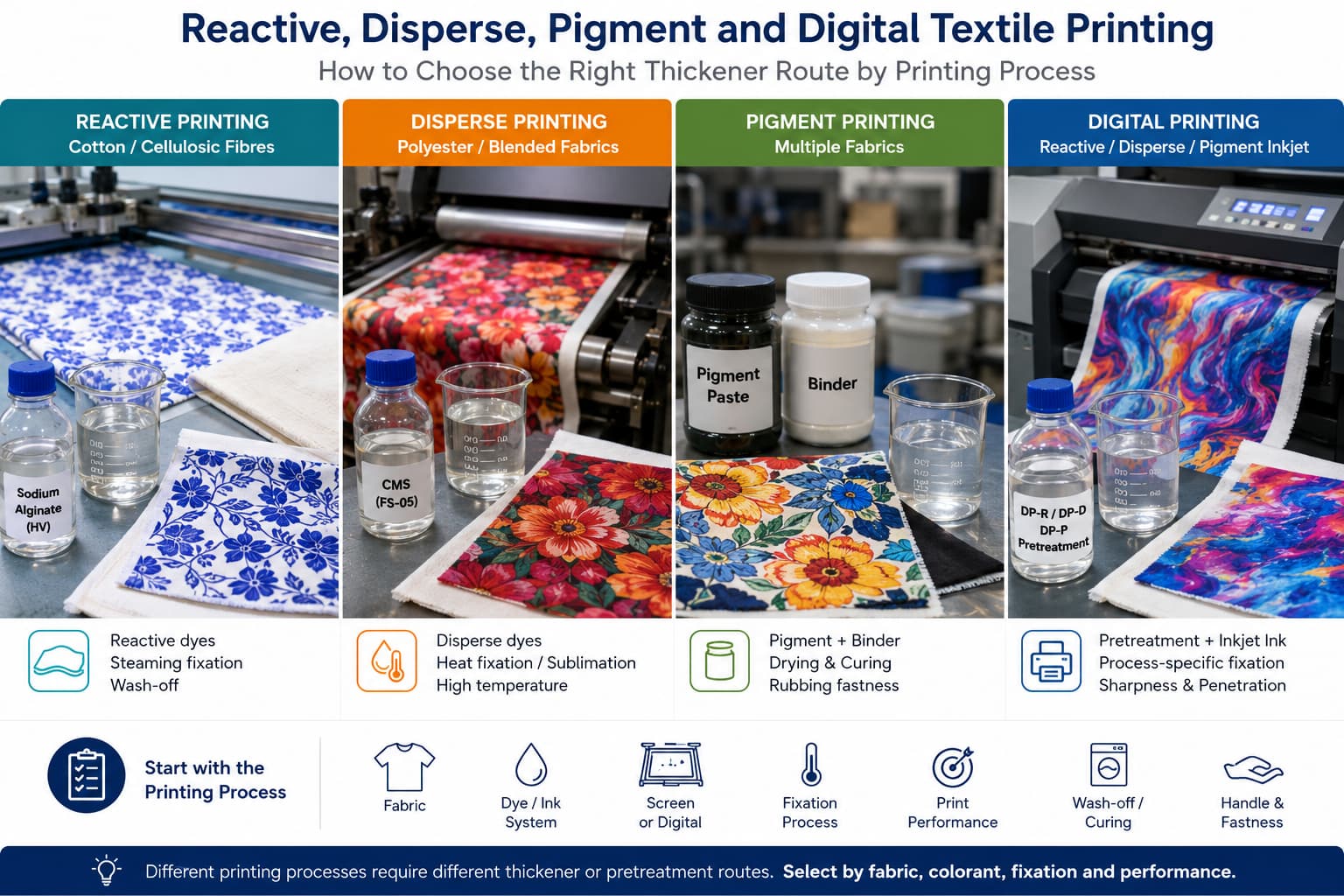
Application Boundary: Printing Paste or Dye Bath?
\n| Customer process | Sodium alginate position | Approval check |
|---|---|---|
| Reactive screen printing on cotton or viscose | Established thickener route | Viscosity method, filtration, print definition, fixation and wash-off |
| Reactive digital printing pretreatment | Possible formulation component; route-specific | Coating uniformity, filtration, ink response and storage stability |
| Pigment printing | Not the default thickener decision | Binder compatibility, curing, handle and fastness |
| Disperse printing on polyester | Use a disperse-compatible system | Rheology, fixation route, residue and wash-off |
| Dye-bath addition | Do not assume suitability | Dye chemistry, liquor flow, filtration, leveling and final fastness |
Where Sodium Alginate Fits in Textile Applications
ردعمل پذیر ٹیکسٹائل پرنٹنگ پیسٹ
For this application, buyers usually evaluate viscosity grade, mesh size, dissolution behavior, paste stability, screen passing, and consistency between sample approval and bulk shipment.
Dye Printing and Related Thickening Systems
In some dye printing or related textile formulation systems, sodium alginate may be used to adjust viscosity and support paste handling. The result depends on the full formulation, including dyes, auxiliaries, salts, pH, fabric type, and preparation process.
Buyers should test sodium alginate in their actual formulation instead of relying only on the product name.
Selected Textile Formulation Testing
Some buyers may evaluate sodium alginate together with CMC, CMS, starch-based thickeners, or blended systems. This can be useful when the buyer wants to adjust viscosity, paste smoothness, or formulation cost.
Any replacement or blending decision should be confirmed through sample testing and production evaluation.
Why Application Fit Matters
Fabric Type Affects the Result
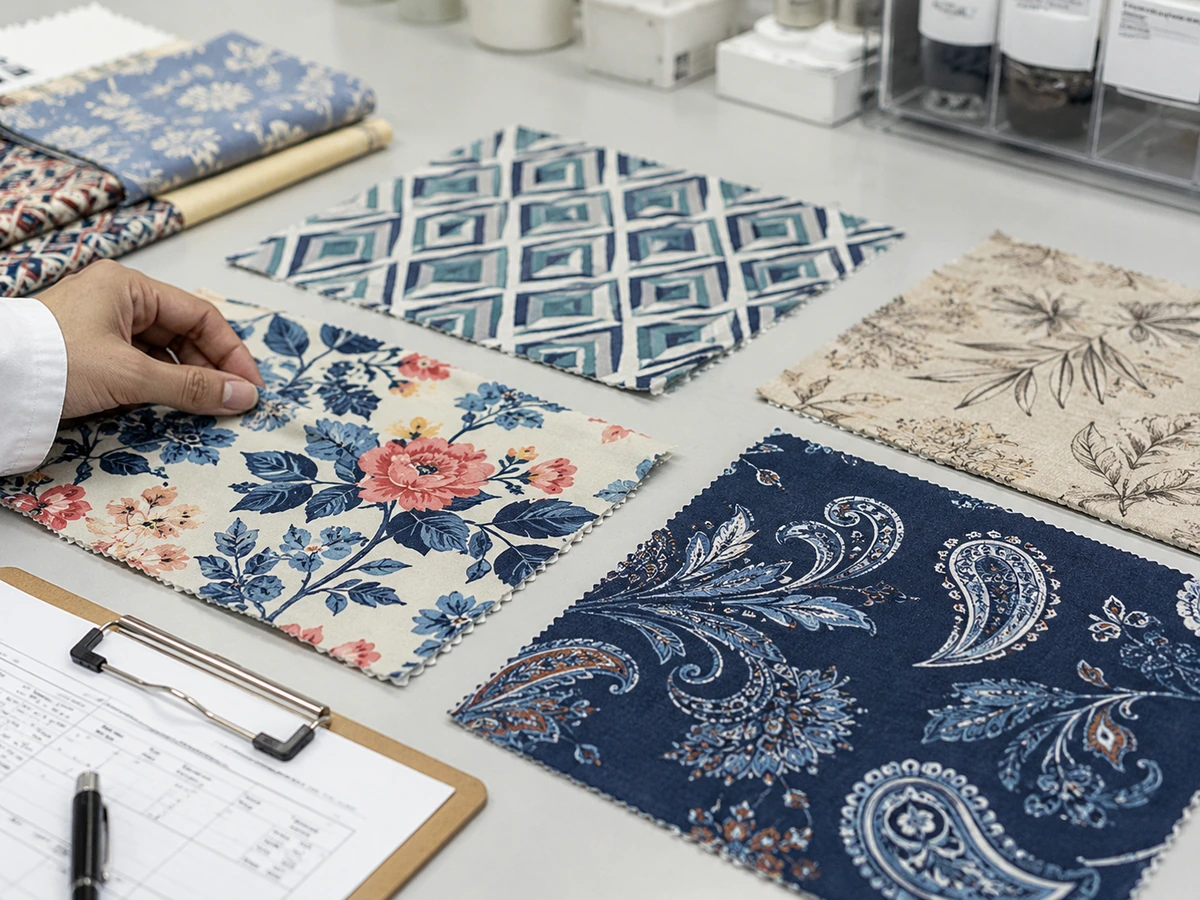
Cotton, rayon, linen, silk, polyester, and blended fabrics may respond differently to the same printing or dyeing formulation. Fabric pretreatment, absorbency, surface structure, and finishing process can also affect the final result.
Buyers should share the fabric type and current production conditions before asking for grade matching.
Dye System and Auxiliaries Need Compatibility Testing
Sodium alginate should be tested with the buyer’s actual dye system and auxiliaries. Compatibility issues may appear as viscosity drift, separation, poor leveling, filtration difficulty, uneven printing, or unstable shade performance.
صرف صاف پانی میں جانچ کرنا یہ تصدیق کرنے کے لیے کافی نہیں ہو سکتا کہ آیا یہ گریڈ پیداوار کے لیے موزوں ہے۔.
Water Quality and pH Can Influence Performance
Water quality, hardness, pH, temperature, and preparation method can affect dissolution, viscosity development, and paste stability. If the buyer uses hard water or a special process condition, this should be included in the sample testing plan.
These factors are often practical reasons why the same product may behave differently in different factories.
اہم وضاحتیں جن کا خریداروں کو جائزہ لینا چاہیے
ویسکاسٹی گریڈ اور جانچ کا طریقہ
Viscosity is one of the most important parameters for sodium alginate used in textile printing and related thickening systems. Buyers should review the viscosity range together with the test concentration, temperature, instrument method, and unit.
واضح چپچپا پن جانچنے کے طریقہ کار کے بغیر، مختلف فراہم کنندگان کے اعداد و شمار براہ راست قابل موازنہ نہیں ہو سکتے۔.
جالی کا سائز اور تحلیل کا رویہ
Mesh size can influence dispersion and hydration during paste preparation. However, actual dissolution behavior also depends on water quality, stirring speed, addition method, temperature, preparation time, and formulation conditions.
خریداروں کو اپنی پیداوار کی شرائط کے تحت تحلیل کی رفتار، گانٹھوں کی تشکیل، پیسٹ کی ہموار پن، اور چھانٹنے کے عمل کے رویے کا تجربہ کرنا چاہیے۔.
نمی، پی ایچ اور ظاہری شکل
نمی، پی ایچ اور ظاہری شکل بنیادی لیکن اہم معیار کے اشارے ہیں۔ یہ ذخیرہ، ہینڈلنگ، اندرونی معیار کے کنٹرول اور دوبارہ خریداری کو متاثر کرتے ہیں۔.
ان پیرامیٹرز کا TDS میں جائزہ لیا جانا چاہیے اور ہر پروڈکشن بیچ کے لیے COA ڈیٹا کے ذریعے تصدیق کی جانی چاہیے۔.
Paste Smoothness and Filtration
For textile printing paste, paste smoothness and filtration behavior are important practical indicators. Poor dispersion or unstable paste may create screen blocking, uneven application, or extra production adjustment.
These points should be checked in laboratory testing and, when possible, in pilot or production trials.
وہ دستاویزات جو خریداروں کو طلب کرنی چاہئیں
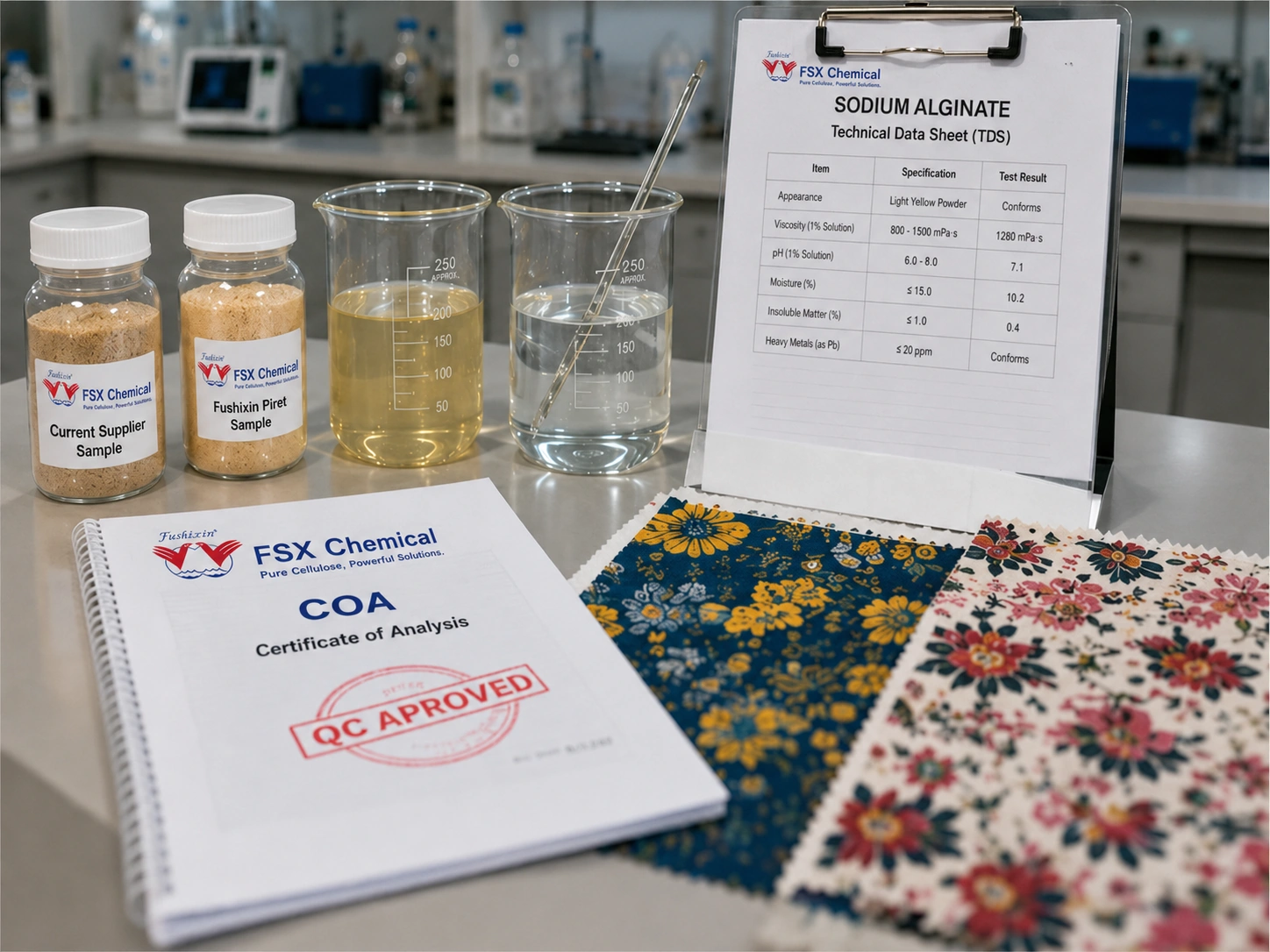
تفصیلی جائزے کے لیے TDS
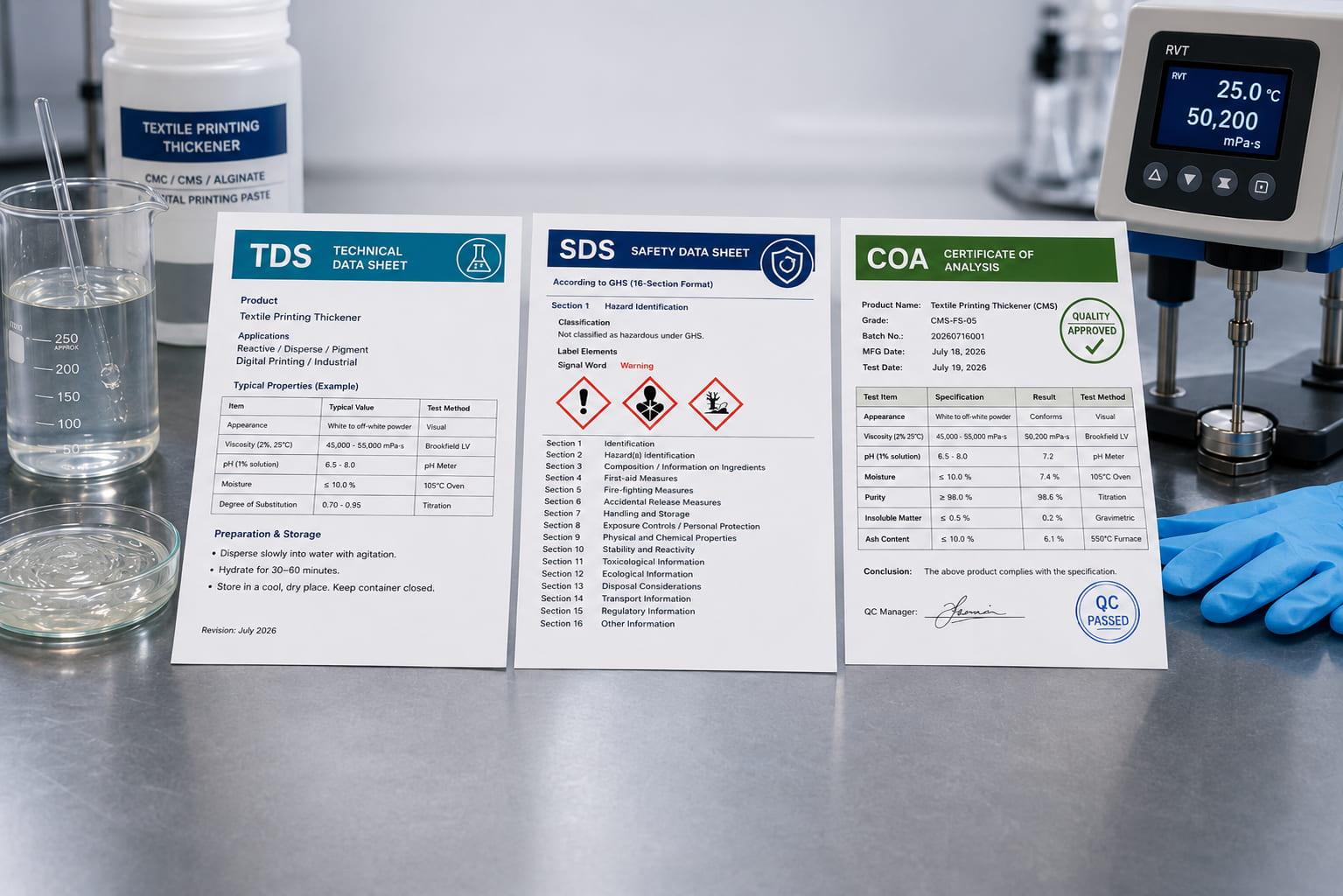
ٹیکنیکل ڈیٹا شیٹ خریداروں کو معیاری مصنوعات کی وضاحت کا جائزہ لینے میں مدد دیتی ہے۔ اس میں ظاہری شکل، چپچپا پن، جالی کا سائز، نمی، پی ایچ، ذخیرہ کرنے کے حالات، اور جانچ کا طریقہ شامل ہونا چاہیے۔.
TDS ابتدائی گریڈ اسکریننگ کی حمایت کرتا ہے، لیکن اسے خریدار کی اپنی ترکیب میں نمونہ جانچ کا متبادل نہیں ہونا چاہیے۔.
بیچ کی تصدیق کے لیے COA
تجزیاتی سرٹیفکیٹ مخصوص پیداواری بیچ کے حقیقی اعداد و شمار کی تصدیق کرتا ہے۔ یہ بڑے آرڈرز، بار بار خریداری، تقسیم کاروں کی فراہمی، اور اندرونی کوالٹی کنٹرول کے لیے اہم ہے۔.
خریدار شپمنٹس کے دوران COA ریکارڈز کا موازنہ کر سکتے ہیں تاکہ یہ جانچ سکیں کہ آیا کلیدی پیرامیٹرز طے شدہ حدود کے اندر ہیں یا نہیں۔.
ہینڈلنگ اور شپمنٹ کے لیے ایس ڈی ایس کا جائزہ
سیفٹی ڈیٹا شیٹ ہینڈلنگ، ذخیرہ، نقل و حمل اور اندرونی حفاظتی جائزے میں معاون ہے۔ بین الاقوامی خریداری کے لیے شپمنٹ اور کسٹمز سے متعلق رابطے کے لیے بھی ایس ڈی ایس درکار ہو سکتی ہے۔.
خریداروں کو یقینی بنانا چاہیے کہ SDS میں درج مصنوعات کا نام اور سپلائر کی معلومات آرڈر کے دستاویزات سے مطابقت رکھتی ہوں۔.
اضافی صارف یا تعمیل کے دستاویزات
اگر خریدار کو ممنوعہ مادّوں کے بیانات، ماحولیاتی دستاویزات، صارف کے آڈٹ سوالنامے، سرٹیفیکیٹ کی نقول یا تیسرے فریق کی جانچ میں معاونت درکار ہو تو ان ضروریات پر آرڈر کی تصدیق سے قبل بات ہونی چاہیے۔.
A practical supplier should explain which documents can be provided and which claims require formal third-party testing or certification.
بulk purchase سے پہلے سوڈیم الگینیٹ کا ٹیسٹ کیسے کریں
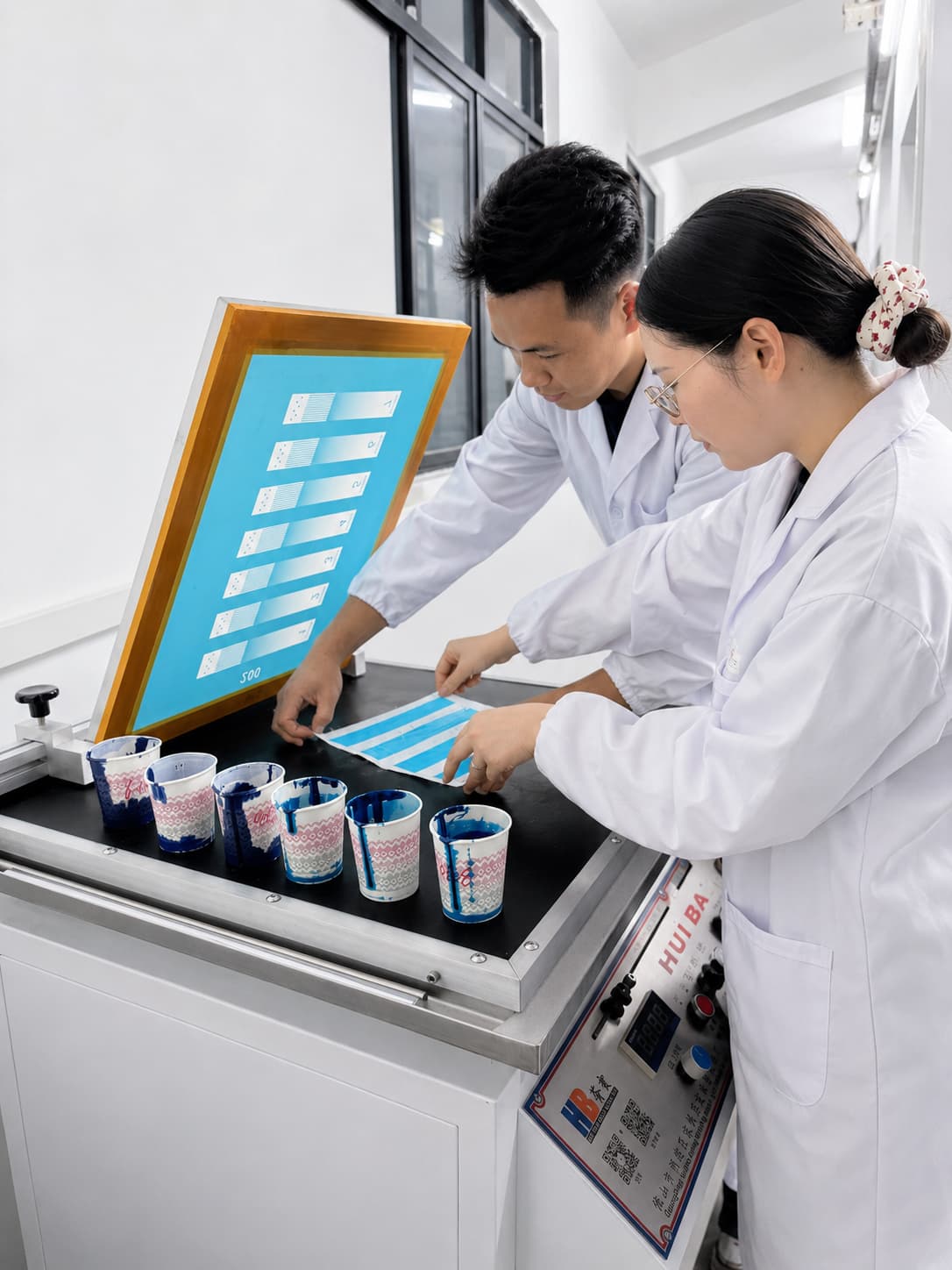
Test in the Actual Formula
Testing only in water may not be enough to confirm whether the sodium alginate grade is suitable for production.
Observe Preparation and Application Behavior
During testing, buyers should observe dissolution speed, lump formation, viscosity development, paste smoothness, filtration behavior, storage stability, screen passing, leveling, penetration, and application handling.
یہ عملی مشاہدات اکثر ٹی ڈی ایس میں دکھائے گئے وضاحتی اعداد و شمار جتنے ہی اہم ہوتے ہیں۔.
Compare with the Current Product
If the buyer is replacing an existing sodium alginate, CMC, CMS, starch-based thickener, or blended system, the new sample should be tested against the current material under the same conditions.
یہ خریدار کو یہ جانچنے میں مدد دیتا ہے کہ تجویز کردہ گریڈ تکنیکی طور پر مناسب ہے یا نہیں، اس سے پہلے کہ وہ بڑے پیمانے پر فراہمی پر بات کرے۔.
نمونے سے بلک تک مطابقت کی تصدیق کریں
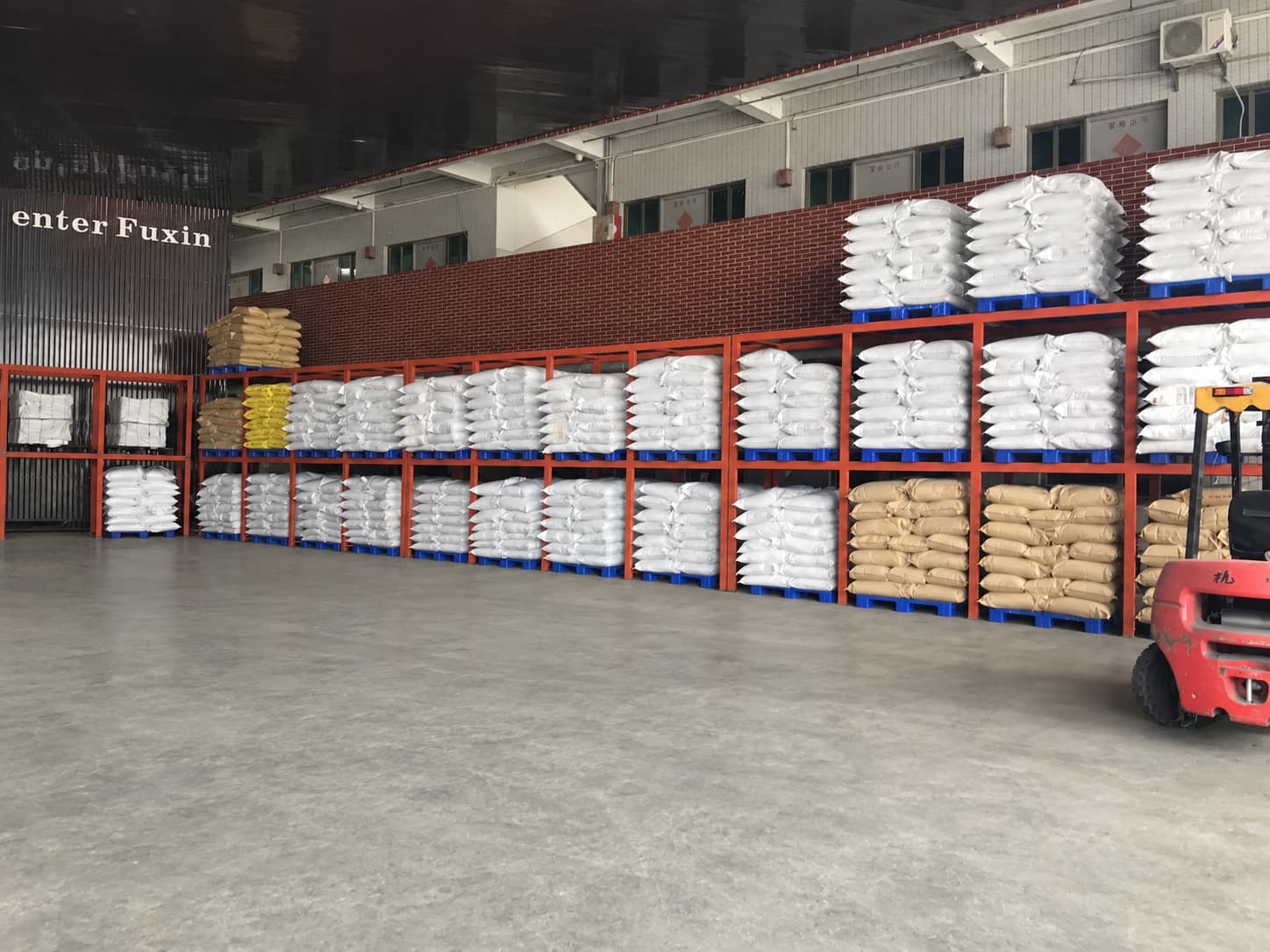
بulk آرڈر کی تصدیق کرنے سے پہلے خریداروں کو یہ چیک کرنا چاہیے کہ منظور شدہ نمونہ اور بulk شپمنٹ ایک ہی چپچپا پن کی حد، میش سائز، وضاحتی حدود، پیکیجنگ کے فارمیٹ، بیچ کی ٹریسیبلٹی اور COA کی ضروریات پر پورا اترتے ہوں۔.
یہ نمونے کی منظوری کے خطرے کو کم کرنے میں مدد کرتا ہے، لیکن بعد میں مجموعی کارکردگی غیر مستحکم ہونے کا خطرہ رہتا ہے۔.
Sodium Alginate vs CMC: How Buyers Should Compare
Start from the Application
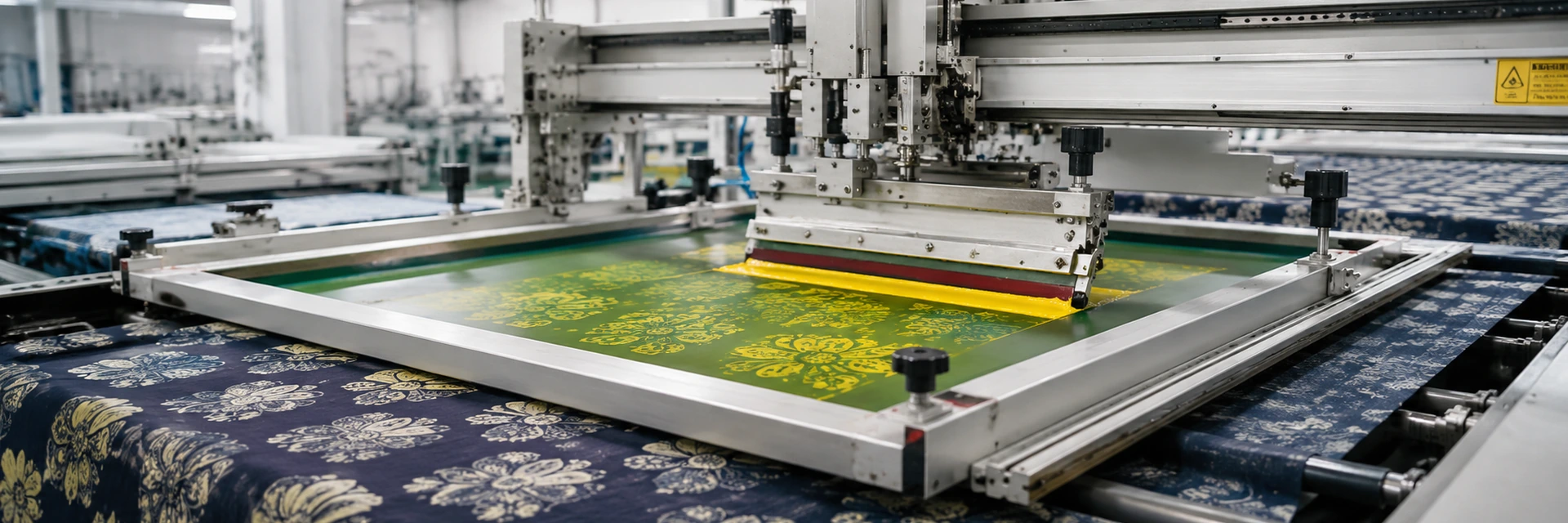
Sodium alginate and CMC can both be used in selected textile-related thickening or formulation systems, but they are not automatically interchangeable. The suitable choice depends on the dye system, fabric type, viscosity target, solubility, pH, and production process.
Buyers should avoid simple conclusions such as one material always being better than the other.
Compare Under the Same Conditions
If the buyer wants to compare sodium alginate with CMC, CMS, starch, or another thickener, the comparison should be done in the same formulation and under the same preparation method.
Important comparison points may include viscosity, dissolution speed, paste smoothness, filtration, stability, fabric hand feel, application result, and total use cost.
Review Documents and Batch Data
Both sodium alginate and CMC should be compared by technical documents and batch data, not only product names. Buyers should request TDS, COA, SDS where applicable, and sample test results before making a decision.
عام مسائل اور حل کے نکات
Lumps During Preparation
Lumps may be related to fast addition, insufficient dispersion, unsuitable stirring, water quality, or preparation method. Buyers should record the preparation conditions during sample testing.
غیر مستحکم چپچپاہٹ
وسکاسٹی میں تبدیلی پانی کے معیار، درجہ حرارت، پی ایچ، ٹھہراؤ کے وقت، فارمولیشن کی مطابقت، یا گریڈ کے عدم مطابقت کی وجہ سے ہو سکتی ہے۔.
خریداروں کو سپلائر کے وسکوسیٹی ٹیسٹنگ کے طریقہ کار کے ساتھ پیداوار کے حالات کا موازنہ کرنا چاہیے۔.
Uneven Shade or Pattern Control
Uneven results may be related to paste viscosity, leveling, penetration, fabric pretreatment, printing equipment, dye system, or drying process.
The full production system should be reviewed before changing only one raw material.
اسکرین بلاکنگ یا ناقص فلٹریشن
Screen blocking or filtration difficulty may come from poor dissolution, formulation incompatibility, particle contamination, unsuitable viscosity, or insufficient filtration before application.
اکثر پوچھے جانے والے سوالات
\n\n\nIs sodium alginate used in textile dyeing baths?
\nIt is not a universal dye-bath auxiliary. Its established textile role is as a reactive-printing thickener. Any dye-bath use requires application-specific compatibility and process testing.
\nWhich fabrics are most relevant to sodium alginate reactive printing?
\nCotton and viscose are common cellulosic substrates. Confirm the reactive dye class, fabric pretreatment, paste formulation, fixation and wash-off conditions.
\nCan the same alginate grade be used for screen and digital printing?
\nDo not assume this. Screen paste and digital pretreatment have different filtration, coating, storage and ink-response requirements. Qualify each route separately.
\nHow should two sodium alginate grades be compared?
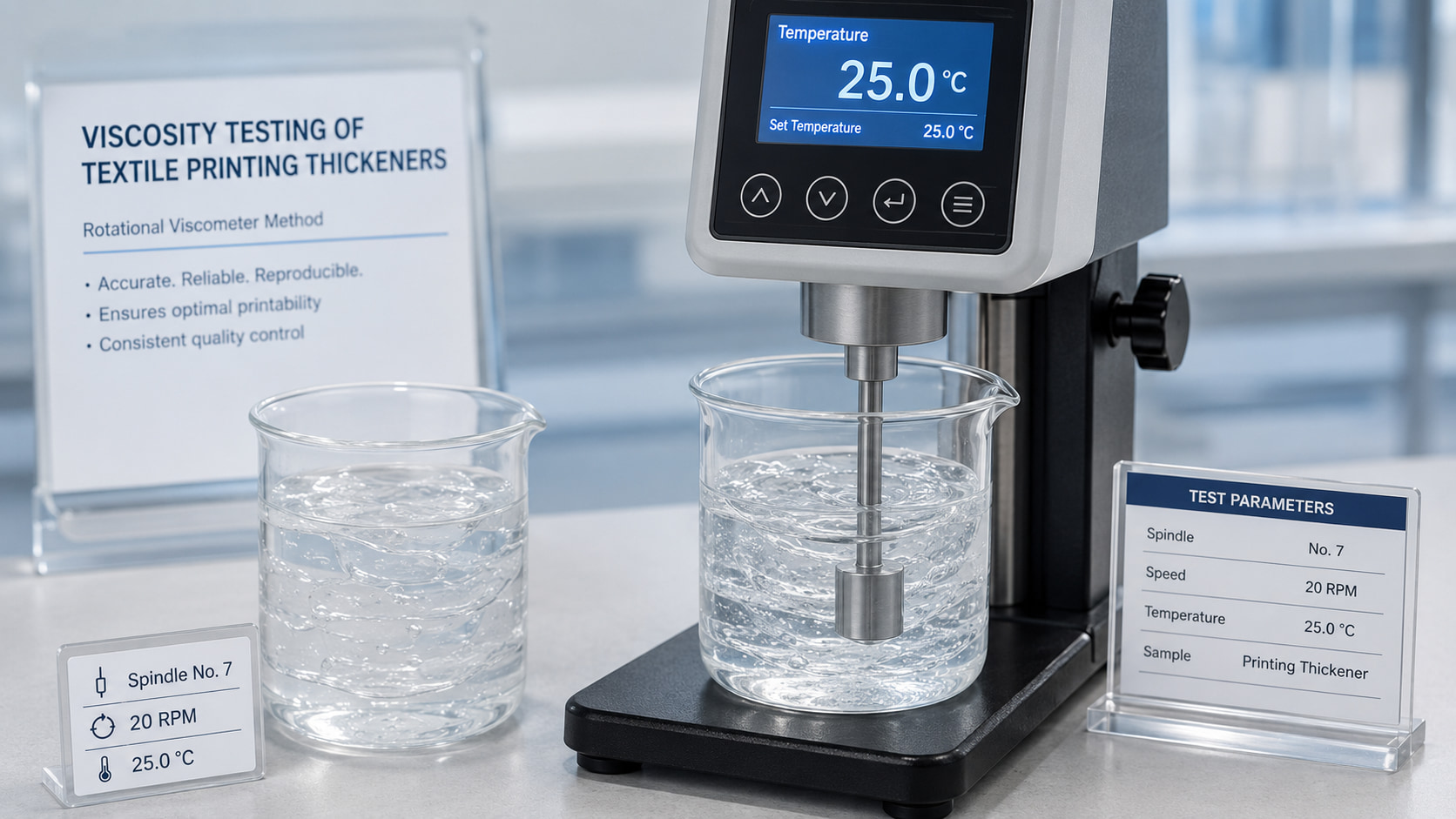
\nUse equal solution concentration and the same water, hydration time, temperature, instrument, spindle and speed, then compare the complete printing paste and final fabric.
\nWhat information should be sent for grade matching?
\nSend the fabric, dye or ink, printing or pretreatment method, current product and dosage, full viscosity method, additives, fixation route and the main production problem. Use نمونے اور ملاپ for a controlled comparison.
\nFSX کیمیکل سوڈیم الگینیٹ خریداروں کی کس طرح مدد کرتا ہے
Our support is focused on practical grade matching and export procurement. We can provide TDS, COA, SDS where applicable, sample support, and formulation discussion based on the customer’s fabric type, dye system, printing or dyeing process, target viscosity, current formulation, packaging needs, order quantity, and document requirements.
We do not suggest choosing sodium alginate only by product name, broad environmental claims, regional claims, or price. The recommended grade should be reviewed through technical documents and tested in the buyer’s own textile formulation before bulk purchase.
اگلے اقدامات
- اپنی درخواست شیئر کریں — tell us whether the product will be used in reactive printing paste, dye printing formulation, textile dyeing support, or another textile process.
- Clarify Fabric and Dye System — provide fabric type, dye system, auxiliaries, water quality, pH, and preparation method.
- اپنی مطلوبہ چپچپاہٹ متعین کریں — وسکوسیٹی کی حد، ٹیسٹ کی ارتکاز، درجہ حرارت، آلے کا طریقہ، اور اگر دستیاب ہو تو موجودہ پروڈکٹ گریڈ فراہم کریں۔.
- درجے کے ملاپ کی درخواست — ask for a suitable sodium alginate, CMC, or blended thickener recommendation based on your actual production conditions.
- TDS کی درخواست کریں — چک کریں: چپچپا پن، جال کا سائز، پی ایچ، نمی، ظاہری شکل، ذخیرہ کرنے کے حالات، اور جانچ کا طریقہ۔.
- لاگت اور مالی اعانت کی تفصیلات کا تقاضا کریں — شپمنٹ سے پہلے تصدیق کریں کہ بیچ کا ڈیٹا متفقہ وضاحتی حدود سے مطابقت رکھتا ہے۔.
- ایس ڈی ایس کی درخواست کریں — ہینڈلنگ، ذخیرہ، نقل و حمل اور مصنوعات کی معلومات چیک کریں۔.
- نمونہ طلب کریں — test the recommended grade in your own textile formulation before confirming bulk orders.
- Compare with Current Materials — evaluate sodium alginate against your existing CMC, CMS, starch-based thickener, or blended system under similar conditions.
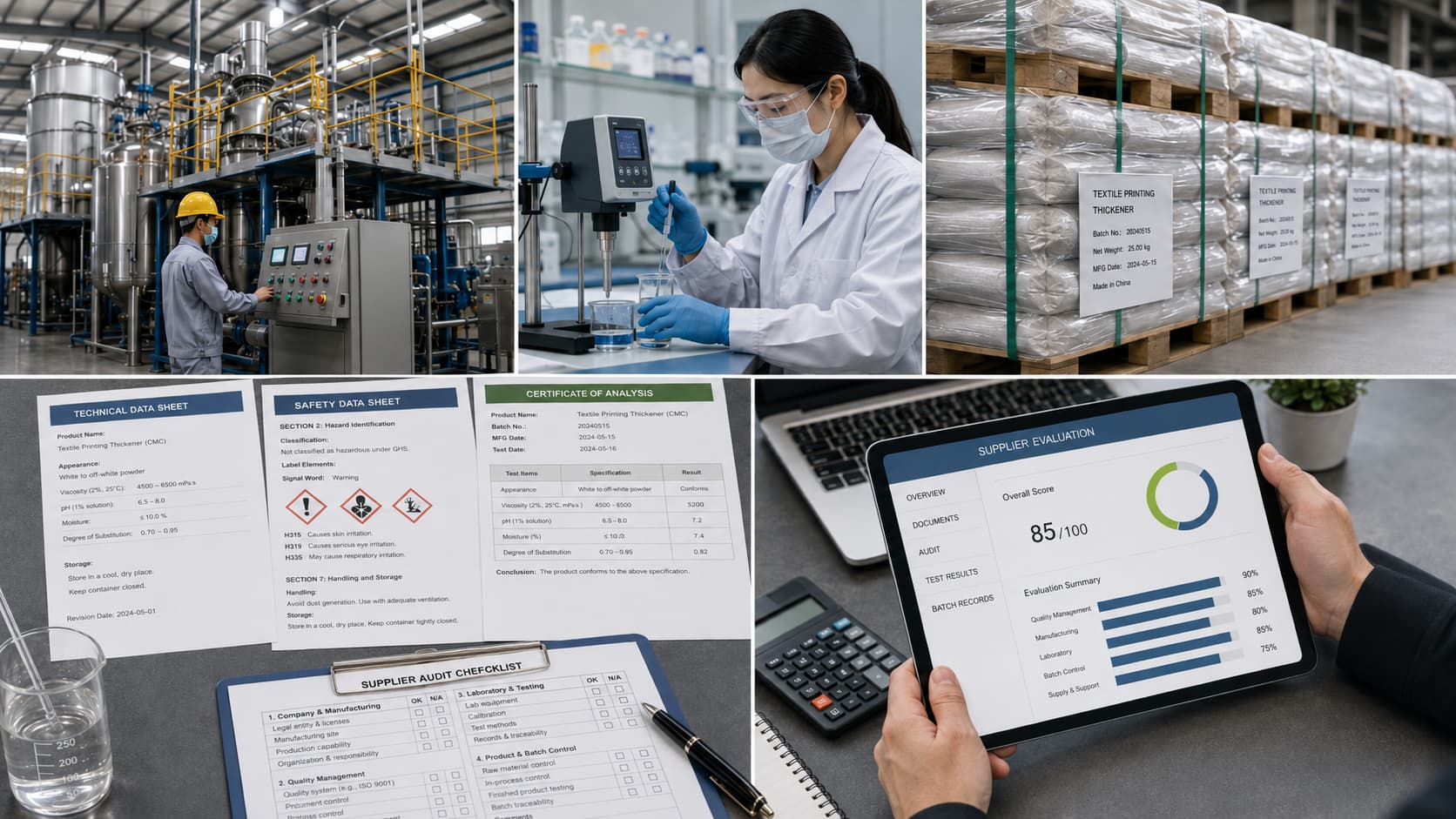
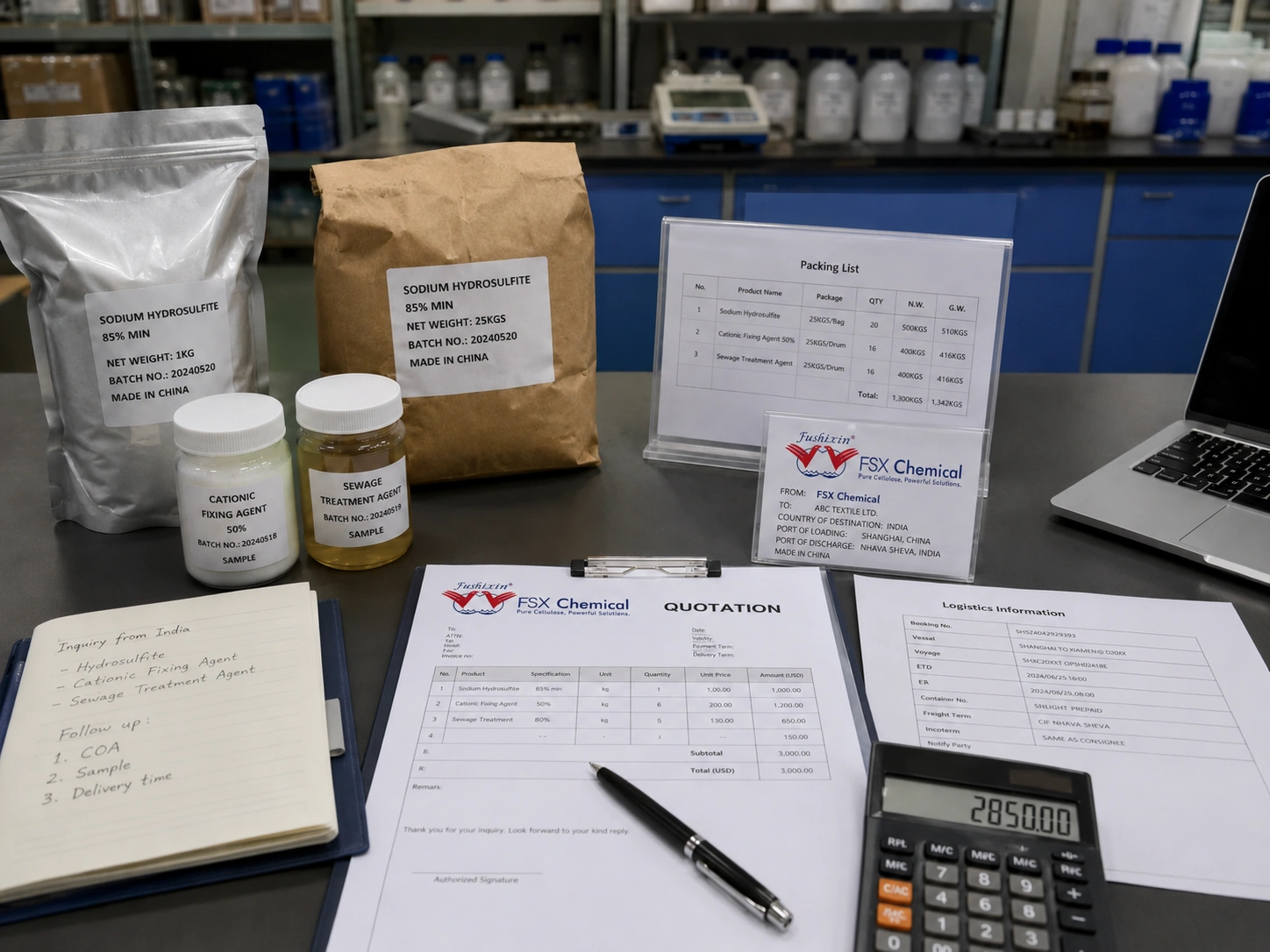
- پیکیجنگ اور برآمدی دستاویزات کی تصدیق کریں — شپمنٹ سے پہلے بیگ کے سائز، لیبلز، بیچ کی ٹریسیبلٹی، انوائس، پیکنگ لسٹ، COA، SDS اور دیگر ضروری دستاویزات کی جانچ کریں۔.
- ہماری تکنیکی ٹیم سے رابطہ کریں — discuss which sodium alginate grade is suitable for your textile dyeing or printing application📧 ای میل: Service@fsxchemical.com