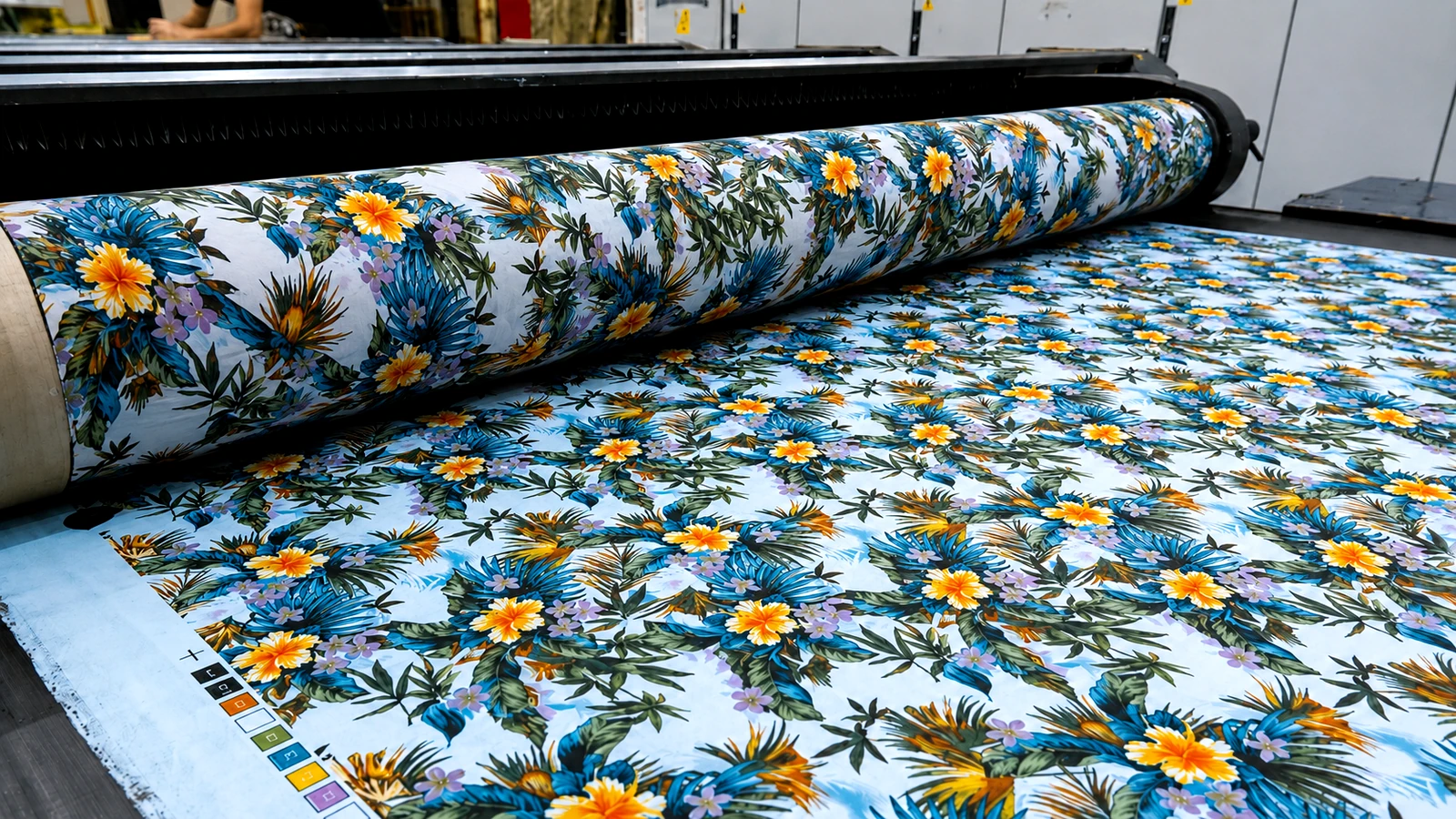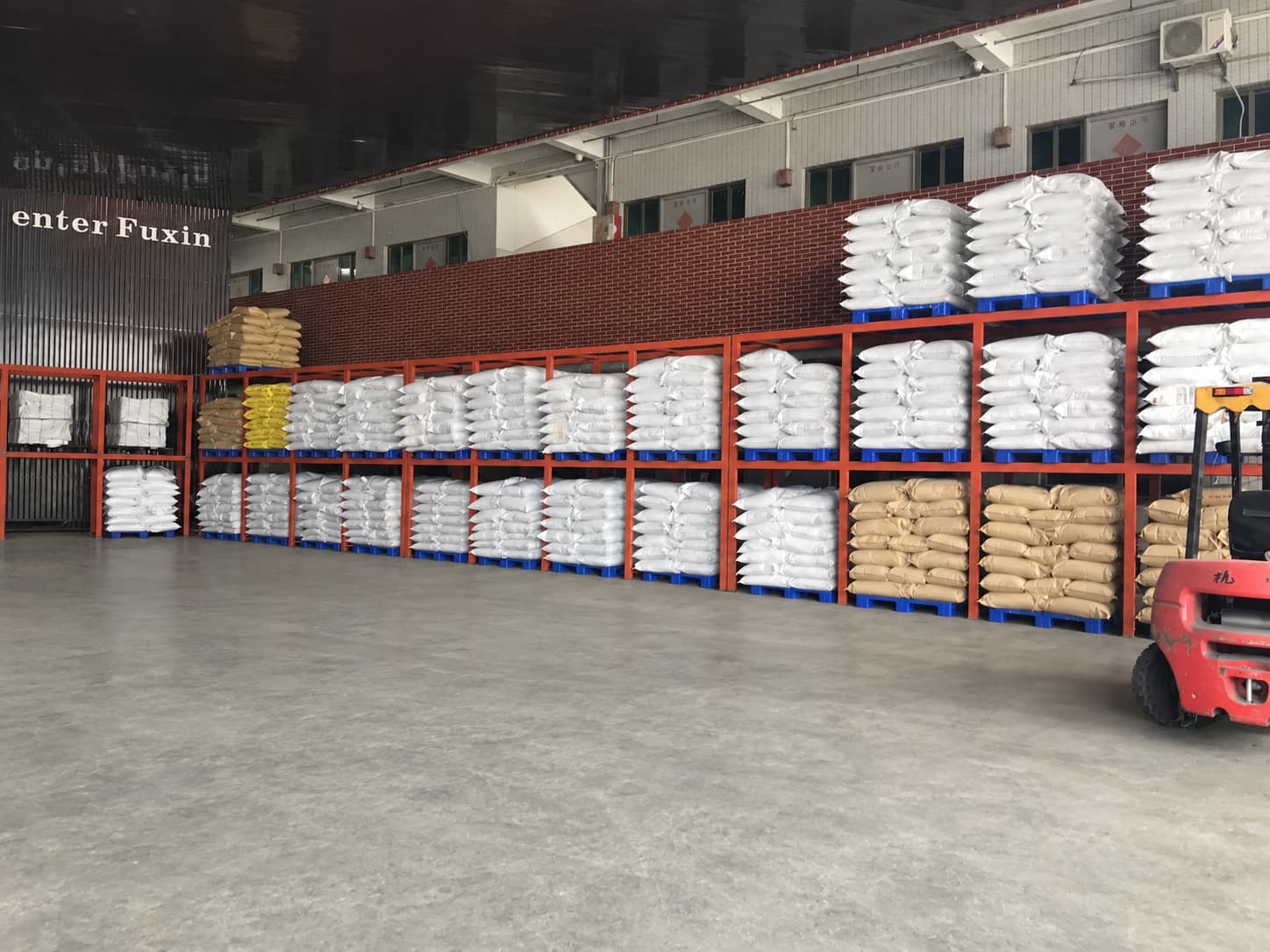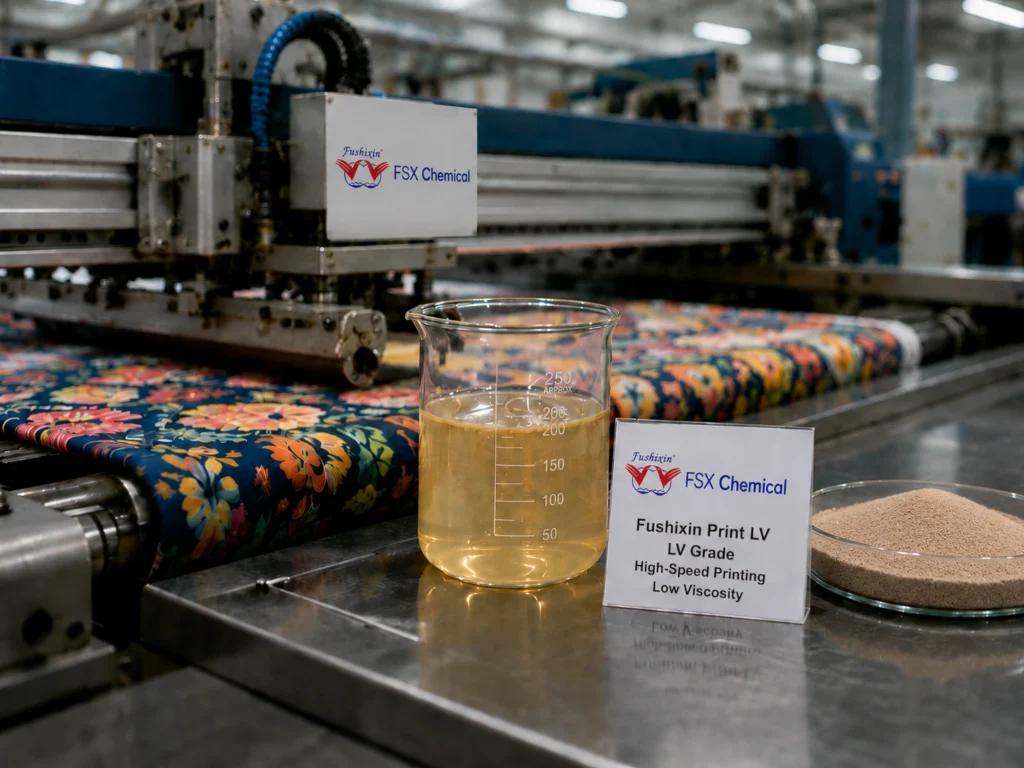
This guide focuses on a practical question: how should textile printers evaluate sodium alginate when color quality and process control are the main concerns?
| Observed result | Possible contributors | Controlled check |
|---|---|---|
| غیر یکساں سائے | Incomplete dissolution, paste-age variation, fabric absorbency, unequal steaming or wash-off | Compare preparation records, filtration, fabric pretreatment and widthwise process conditions. |
| Blurred edges or spreading | Unsuitable rheology, excessive pickup, low structural recovery or absorbent fabric | Measure with one viscosity method and compare print definition at controlled add-on. |
| Low color depth after washing | Dye or alkali condition, insufficient moisture or steaming, poor dye release, excessive wash-off loss | Compare K/S after standardized wash-off while holding dye, paste, steam and fabric constant. |
| Specks or screen blockage | Undissolved particles, insoluble matter, contamination or damaged screen | Standardize hydration and filtration; inspect and record the retained residue. |
| Batch-to-batch shade drift | Grade identity, method difference, moisture, viscosity or process variation | Compare COA, retained samples and complete-paste printing under the approved method. |
What Sodium Alginate Can and Cannot Do in Textile Printing
It Can Support Viscosity and Paste Handling
In reactive textile printing paste, sodium alginate is commonly used to build and control viscosity. A suitable grade can help the paste remain workable during preparation, filtration, screen passing, and application.
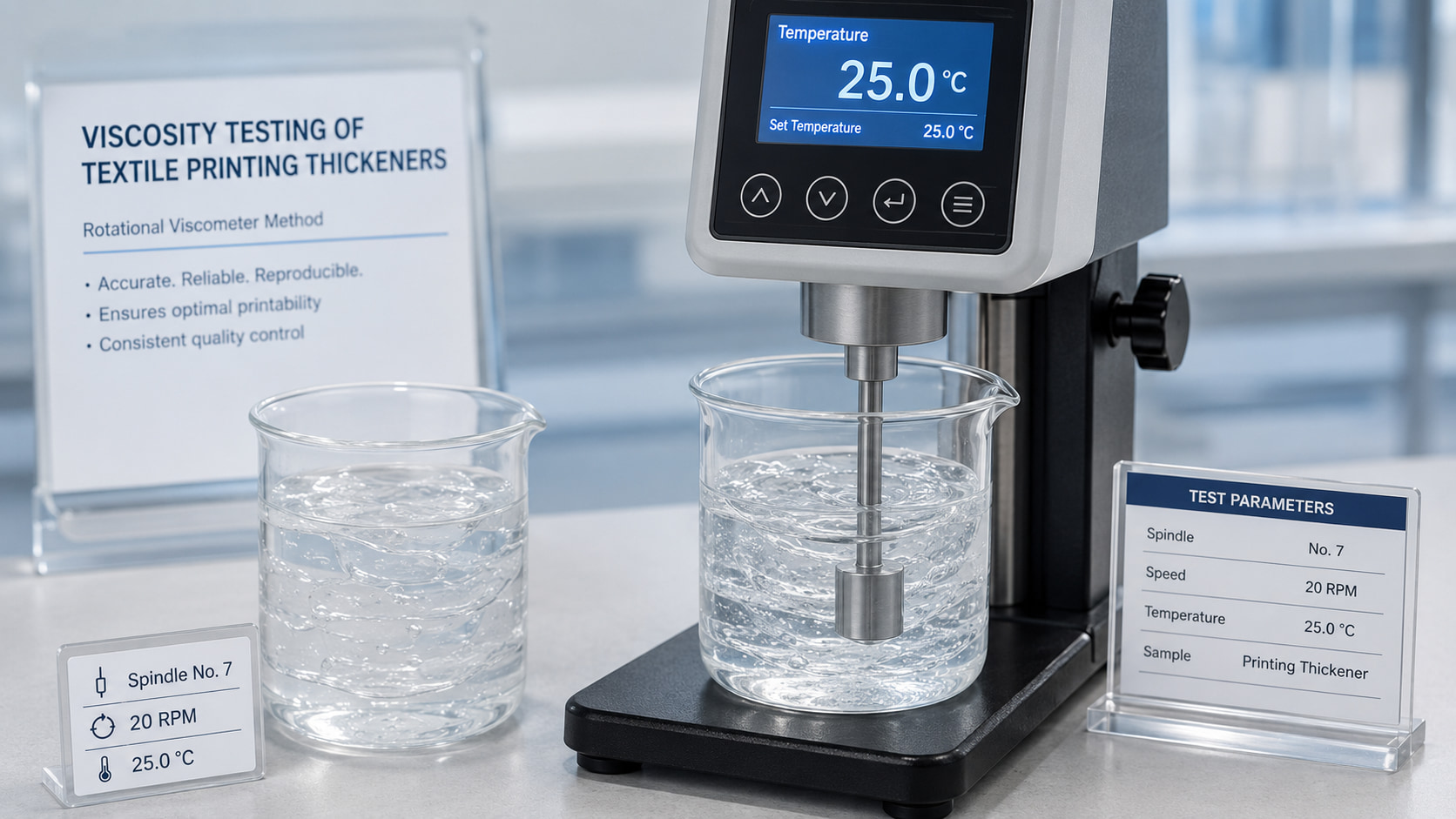
Buyers should confirm the viscosity grade, testing method, mesh size, dissolution behavior, and paste smoothness before bulk purchase.
It Does Not Alone Guarantee Color Fastness
Color fastness depends on the dye system, fabric pretreatment, fixation conditions, washing process, auxiliaries, and testing standard. Sodium alginate may influence paste behavior, but it should not be described as a single solution for color fastness problems.
If color fastness is a concern, buyers should test the complete printing process and compare results with their current product under the same conditions.
It Does Not Replace Compliance Documents
If a buyer needs restricted-substance statements, customer questionnaires, environmental documents, or third-party testing support, those requirements should be discussed before order confirmation.
Broad claims such as “compliant,” “eco-friendly,” or “safe” should be supported by appropriate documents when they are important to the buyer’s approval process.
Color Quality Factors Buyers Should Evaluate
Shade Consistency
Shade consistency can be affected by paste viscosity, dye dispersion, fabric absorbency, printing pressure, drying conditions, fixation, and washing. Buyers should test sodium alginate in the same formulation and process used in production.
For repeat orders, COA data and batch consistency are important because changes in viscosity or dissolution behavior may affect formulation adjustment.
Pattern Edge Control
Pattern edge control depends on paste rheology, fabric surface, screen or printing method, paste penetration, and drying behavior. A sodium alginate grade that is too low or too high in viscosity may not match the target application.
Buyers should evaluate edge control during sample testing, not only by checking the TDS.
Paste Smoothness and Filtration
Poor dissolution or unstable paste may create lumps, filtration difficulty, screen blocking, or uneven printing. Buyers should observe dissolution speed, paste smoothness, lump formation, filtration behavior, and standing stability.
These practical observations are often as important as numerical viscosity data.
Compatibility with Dye and Auxiliaries
صرف صاف پانی میں جانچ کرنا یہ تصدیق کرنے کے لیے کافی نہیں ہو سکتا کہ آیا یہ گریڈ پیداوار کے لیے موزوں ہے۔.
Key Specifications to Review Before Buying
ویسکاسٹی گریڈ اور جانچ کا طریقہ

واضح چپچپا پن جانچنے کے طریقہ کار کے بغیر، مختلف فراہم کنندگان کے اعداد و شمار براہ راست قابل موازنہ نہیں ہو سکتے۔.
جالی کا سائز اور تحلیل کا رویہ
Mesh size can influence dispersion and hydration during paste preparation. However, actual dissolution behavior also depends on water quality, stirring speed, addition method, temperature, preparation time, and formulation conditions.
خریداروں کو اپنی پیداوار کی شرائط کے تحت تحلیل کی رفتار، گانٹھوں کی تشکیل، پیسٹ کی ہموار پن، اور چھانٹنے کے عمل کے رویے کا تجربہ کرنا چاہیے۔.
نمی، پی ایچ اور ظاہری شکل
نمی، پی ایچ اور ظاہری شکل بنیادی لیکن اہم معیار کے اشارے ہیں۔ یہ ذخیرہ، ہینڈلنگ، اندرونی معیار کے کنٹرول اور دوبارہ خریداری کو متاثر کرتے ہیں۔.
ان پیرامیٹرز کا TDS میں جائزہ لیا جانا چاہیے اور ہر پروڈکشن بیچ کے لیے COA ڈیٹا کے ذریعے تصدیق کی جانی چاہیے۔.
Storage and Handling Conditions
Storage conditions can affect powder handling and repeat use. Buyers should check whether the supplier provides clear storage suggestions, packaging details, and shelf-life information where applicable.
For distributors and import buyers, packaging and label information should be confirmed before shipment.
How to Build a Practical Sample Testing Plan
Step 1: Define the Current Printing System
Before requesting a sodium alginate sample, buyers should define their fabric type, dye system, printing method, target viscosity, paste preparation method, fixation process, washing process, and current product grade if available.
This helps the supplier recommend a more suitable starting grade.
Step 2: Prepare the Paste Under Real Conditions
The sample should be prepared using the buyer’s actual water quality, mixing equipment, addition method, preparation temperature, stirring time, and standing time.
During preparation, buyers should record dissolution behavior, viscosity development, paste smoothness, lumps, and filtration behavior.
Step 3: Test Printing and Color Quality
The test should be performed on the buyer’s actual fabric or a representative fabric. Buyers may evaluate shade consistency, pattern edge control, penetration, leveling, fabric hand feel, and color fastness according to their internal test method or customer requirements.
The new sample should be compared against the current product under the same conditions.
Step 4: Confirm Repeatability Before Bulk Purchase
If the sample result is acceptable, buyers should confirm whether the bulk shipment will follow the same viscosity range, specification range, packaging format, batch traceability, and COA requirements.
This reduces the risk of sample approval but unstable bulk production performance.
وہ دستاویزات جو خریداروں کو طلب کرنی چاہئیں
تفصیلی جائزے کے لیے TDS
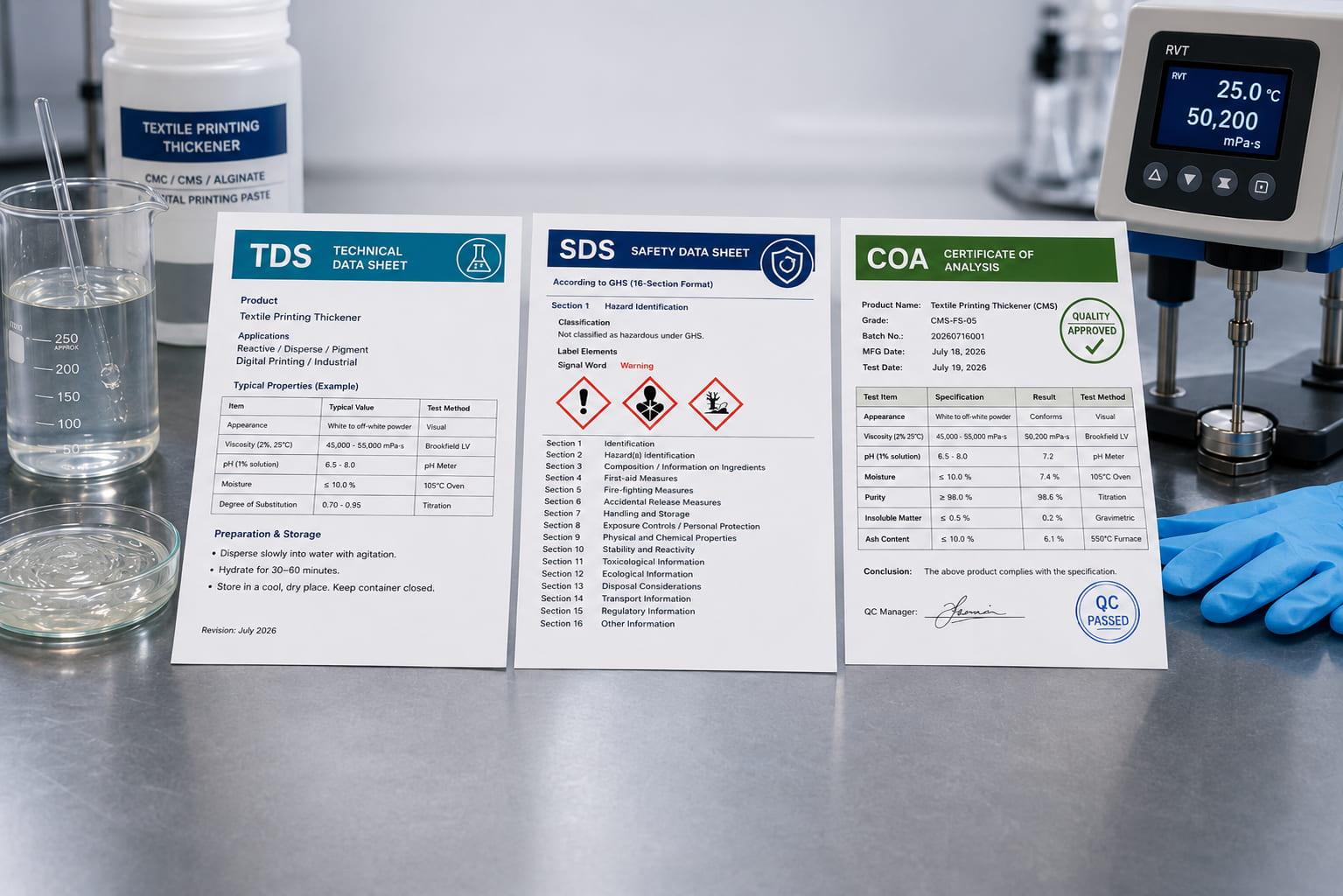
ٹیکنیکل ڈیٹا شیٹ خریداروں کو معیاری مصنوعات کی وضاحت کا جائزہ لینے میں مدد دیتی ہے۔ اس میں ظاہری شکل، چپچپا پن، جالی کا سائز، نمی، پی ایچ، ذخیرہ کرنے کے حالات، اور جانچ کا طریقہ شامل ہونا چاہیے۔.
TDS ابتدائی گریڈ اسکریننگ کی حمایت کرتا ہے، لیکن اسے خریدار کی اپنی پرنٹنگ فارمولیشن میں نمونہ ٹیسٹنگ کا متبادل نہیں ہونا چاہیے۔.
بیچ کی تصدیق کے لیے COA
تجزیاتی سرٹیفکیٹ مخصوص پیداواری بیچ کے حقیقی اعداد و شمار کی تصدیق کرتا ہے۔ یہ بڑے آرڈرز، بار بار خریداری، تقسیم کاروں کی فراہمی، اور اندرونی کوالٹی کنٹرول کے لیے اہم ہے۔.
خریدار شپمنٹس کے دوران COA ریکارڈز کا موازنہ کر سکتے ہیں تاکہ یہ جانچ سکیں کہ آیا کلیدی پیرامیٹرز طے شدہ حدود کے اندر ہیں یا نہیں۔.
ہینڈلنگ اور شپمنٹ کے لیے ایس ڈی ایس کا جائزہ
سیفٹی ڈیٹا شیٹ ہینڈلنگ، ذخیرہ، نقل و حمل اور اندرونی حفاظتی جائزے میں معاون ہے۔ بین الاقوامی خریداری کے لیے شپمنٹ اور کسٹمز سے متعلق رابطے کے لیے بھی ایس ڈی ایس درکار ہو سکتی ہے۔.
خریداروں کو یقینی بنانا چاہیے کہ SDS میں درج مصنوعات کا نام اور سپلائر کی معلومات آرڈر کے دستاویزات سے مطابقت رکھتی ہوں۔.
Customer or Compliance Documents When Required
If a buyer needs restricted-substance statements, environmental documents, customer audit questionnaires, certificate copies, or third-party testing support, those requirements should be discussed before order confirmation.
A practical supplier should explain which documents can be provided, which product or site they apply to, and which claims require formal third-party testing.
How to Avoid Overlapping Product Claims
Do Not Treat All Textile Printing Systems the Same

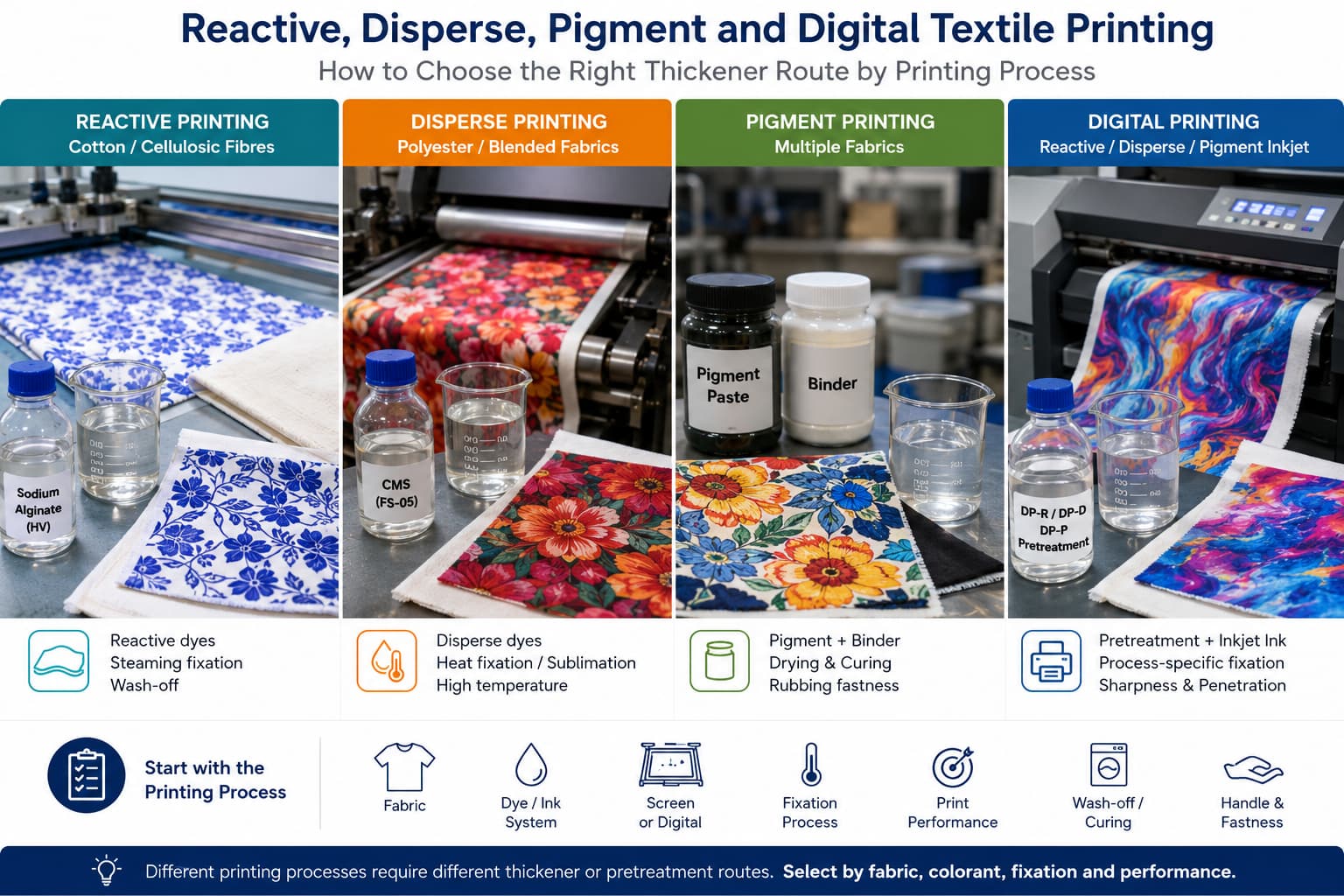
Reactive printing, pigment printing, digital printing pretreatment, screen printing, and rotary printing may require different paste behavior. A sodium alginate grade that works in one process may not match another process.
Do Not Choose Only by “High Viscosity” or “Low Viscosity”
The right viscosity depends on target paste behavior, equipment, fabric type, and formulation. Higher viscosity does not always mean better printing performance, and lower viscosity does not always mean easier production.
Do Not Compare Suppliers Without Matching Test Methods
Two suppliers may show similar viscosity data, but if the concentration, temperature, instrument, or unit is different, the data may not be comparable.
Do Not Confirm Bulk Orders Before Sample Approval
For textile printing applications, sample testing is necessary before bulk purchase, especially when changing supplier, changing grade, or replacing an existing thickener.
Common Color and Process Issues to Check
Uneven Shade
Uneven shade may be related to paste viscosity, dye dispersion, fabric pretreatment, printing pressure, fixation, washing, or formulation compatibility.
صرف ایک خام مال تبدیل کرنے سے پہلے پورے پرنٹنگ سسٹم کا جائزہ لیا جانا چاہیے۔.
Pattern Bleeding
Pattern bleeding may be related to low paste structure, fabric absorbency, drying speed, penetration, or unsuitable viscosity. Buyers should test different grades under the same printing conditions.
اسکرین بلاکنگ یا ناقص فلٹریشن
Screen blocking or filtration difficulty may come from poor dissolution, formulation incompatibility, particle contamination, unsuitable viscosity, or insufficient filtration before application.
Color Fastness Not Meeting Target
Color fastness issues may involve dye selection, fixation conditions, washing process, fabric pretreatment, auxiliaries, or the full paste formulation.
اکثر پوچھے جانے والے سوالات
Does higher sodium alginate viscosity always produce better color quality?
No. Viscosity must be measured under a defined method and matched to rheology, fabric, screen or machine and paste pickup. Excessive viscosity can reduce transfer or penetration.
Can sodium alginate alone improve color fastness?
No. Fastness depends mainly on dye selection, fixation, hydrolysis control and removal of unfixed dye. The thickener influences paste placement and wash-off but does not replace process control.
How should two sodium alginate grades be compared?
Use the same water, concentration, addition method, hydration time, temperature, instrument and reading conditions. Then compare complete-paste stability, filtration, printing, steaming and wash-off.
What should be checked when shade changes between batches?
Confirm product and batch identity, moisture, viscosity method, dissolution, complete formulation, paste age, fabric pretreatment, steaming and washing before assigning the cause to the alginate.
Which documents are useful before bulk purchase?
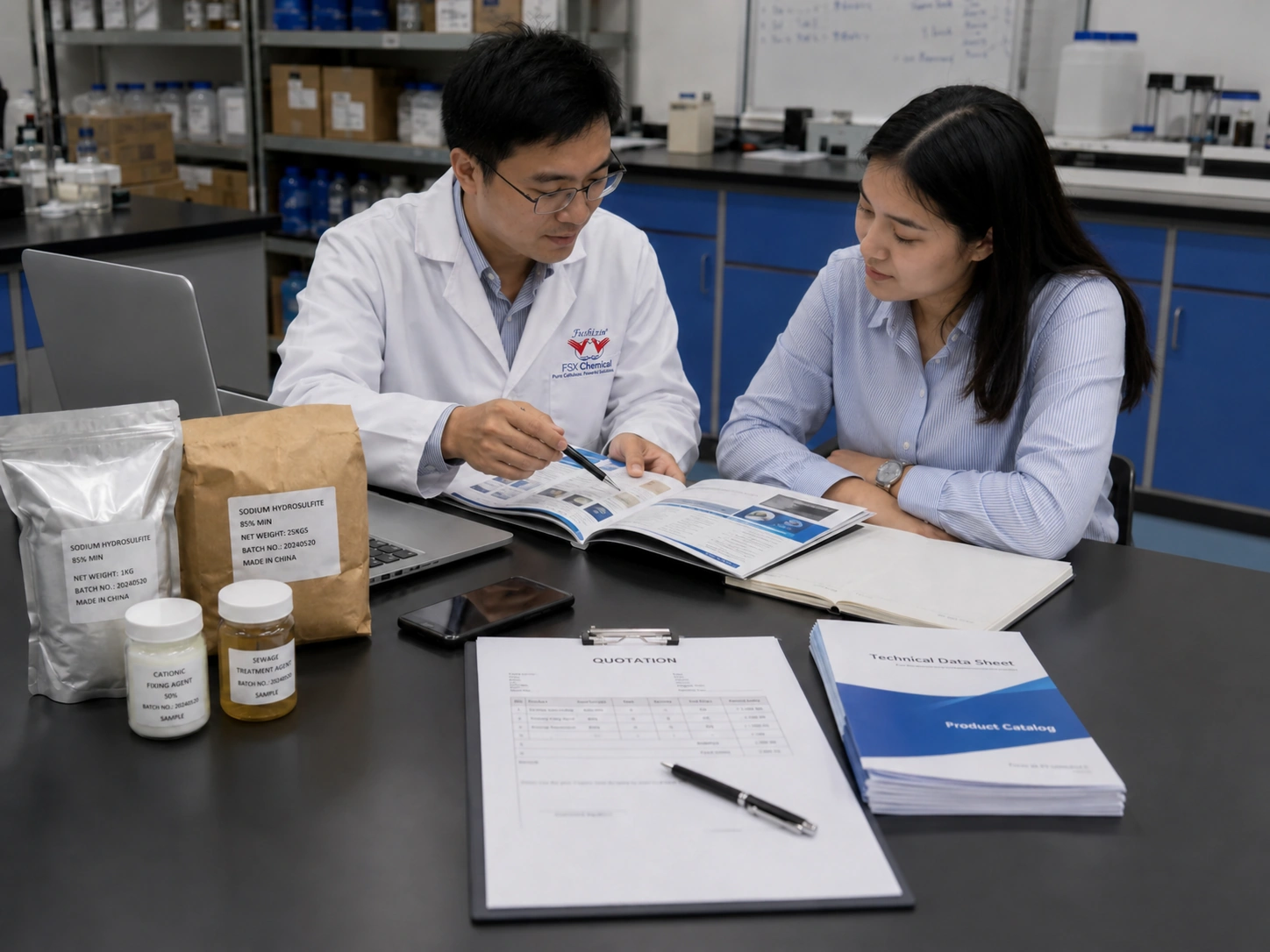
Review the exact-grade TDS and SDS, agreed specification, representative sample and a batch-specific COA. Link the approved sample and first commercial batch through traceable grade and batch codes.
FSX کیمیکل ٹیکسٹائل پرنٹنگ خریداروں کی کس طرح مدد کرتا ہے
Our support is focused on practical grade matching and export procurement. We can provide TDS, COA, SDS where applicable, sample support, and formulation discussion based on the customer’s fabric type, dye system, printing process, target viscosity, current formulation, packaging needs, order quantity, and document requirements.
We do not suggest choosing sodium alginate only by broad claims about color fastness, compliance, sustainability, or global performance. The recommended grade should be reviewed through technical documents and tested in the buyer’s own textile printing system before bulk purchase.
اگلے اقدامات
- اپنا پرنٹنگ کا عمل شیئر کریں — ہمیں بتائیں کہ آپ ردعمل پر مبنی پرنٹنگ، سکرین پرنٹنگ، روٹری پرنٹنگ، ڈیجیٹل پری ٹریٹمنٹ، پگمنٹ پرنٹنگ یا کوئی اور عمل استعمال کرتے ہیں۔.
- Clarify Fabric and Dye System — provide fabric type, dye system, auxiliaries, water quality, pH, and preparation method.
- اپنی مطلوبہ چپچپاہٹ متعین کریں — وسکوسیٹی کی حد، ٹیسٹ کی ارتکاز، درجہ حرارت، آلے کا طریقہ، اور اگر دستیاب ہو تو موجودہ پروڈکٹ گریڈ فراہم کریں۔.
- Clarify Color Quality Targets — explain whether you are testing shade consistency, pattern edge control, filtration, hand feel, washing, or customer-specific quality requirements.
- درجے کے ملاپ کی درخواست — ask for a suitable sodium alginate grade based on your actual production conditions.
- TDS کی درخواست کریں — چک کریں: چپچپا پن، جال کا سائز، پی ایچ، نمی، ظاہری شکل، ذخیرہ کرنے کے حالات، اور جانچ کا طریقہ۔.
- لاگت اور مالی اعانت کی تفصیلات کا تقاضا کریں — شپمنٹ سے پہلے تصدیق کریں کہ بیچ کا ڈیٹا متفقہ وضاحتی حدود سے مطابقت رکھتا ہے۔.
- ایس ڈی ایس کی درخواست کریں — ہینڈلنگ، ذخیرہ، نقل و حمل اور مصنوعات کی معلومات چیک کریں۔.
- نمونہ طلب کریں — بڑے آرڈرز کی تصدیق کرنے سے پہلے اپنی پرنٹنگ فارمولیشن میں تجویز کردہ گریڈ کو آزمائیں۔.
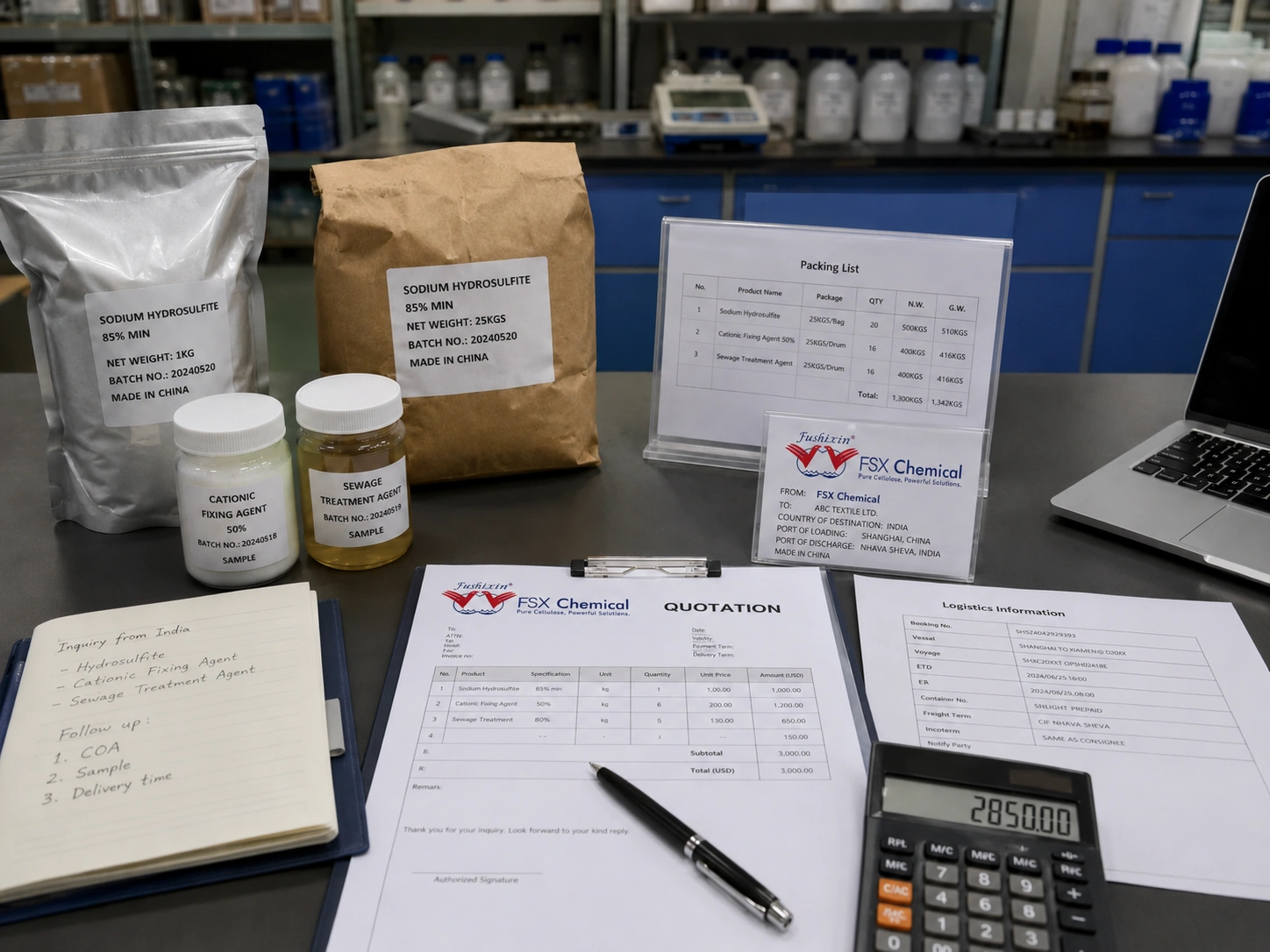
- پیکیجنگ اور برآمدی دستاویزات کی تصدیق کریں — شپمنٹ سے پہلے بیگ کے سائز، لیبلز، بیچ کی ٹریسیبلٹی، انوائس، پیکنگ لسٹ، COA، SDS اور دیگر ضروری دستاویزات کی جانچ کریں۔.
- ہماری تکنیکی ٹیم سے رابطہ کریں — discuss which sodium alginate grade is suitable for your textile printing process📧 ای میل: Service@fsxchemical.com