
















Related posts
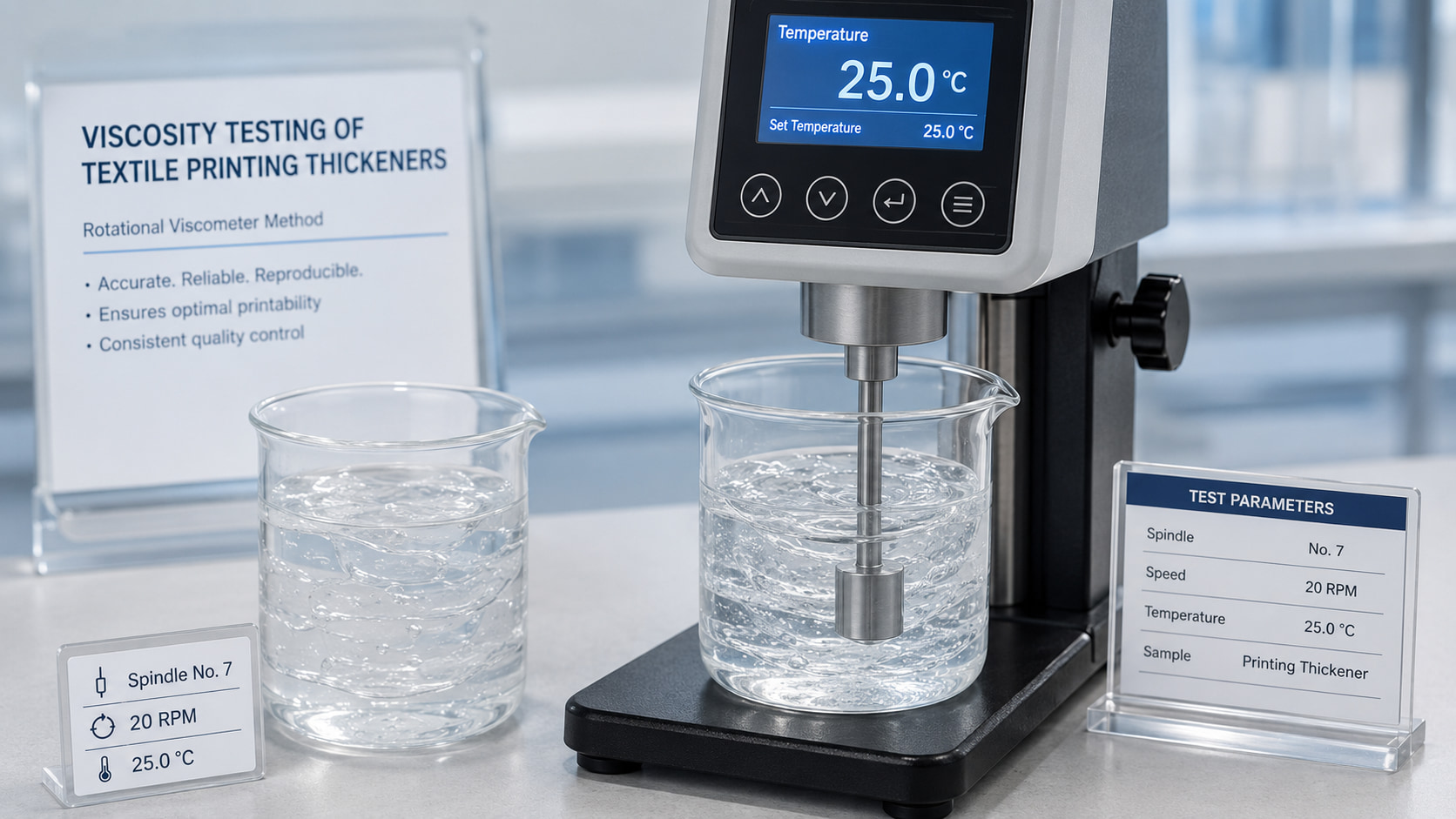
How to Compare Textile Printing Thickener Viscosity Test Methods

Learn why textile printing thickener viscosity values cannot be compared without matching concentration, temperature, instrument, spindle, speed, preparation method and test time.
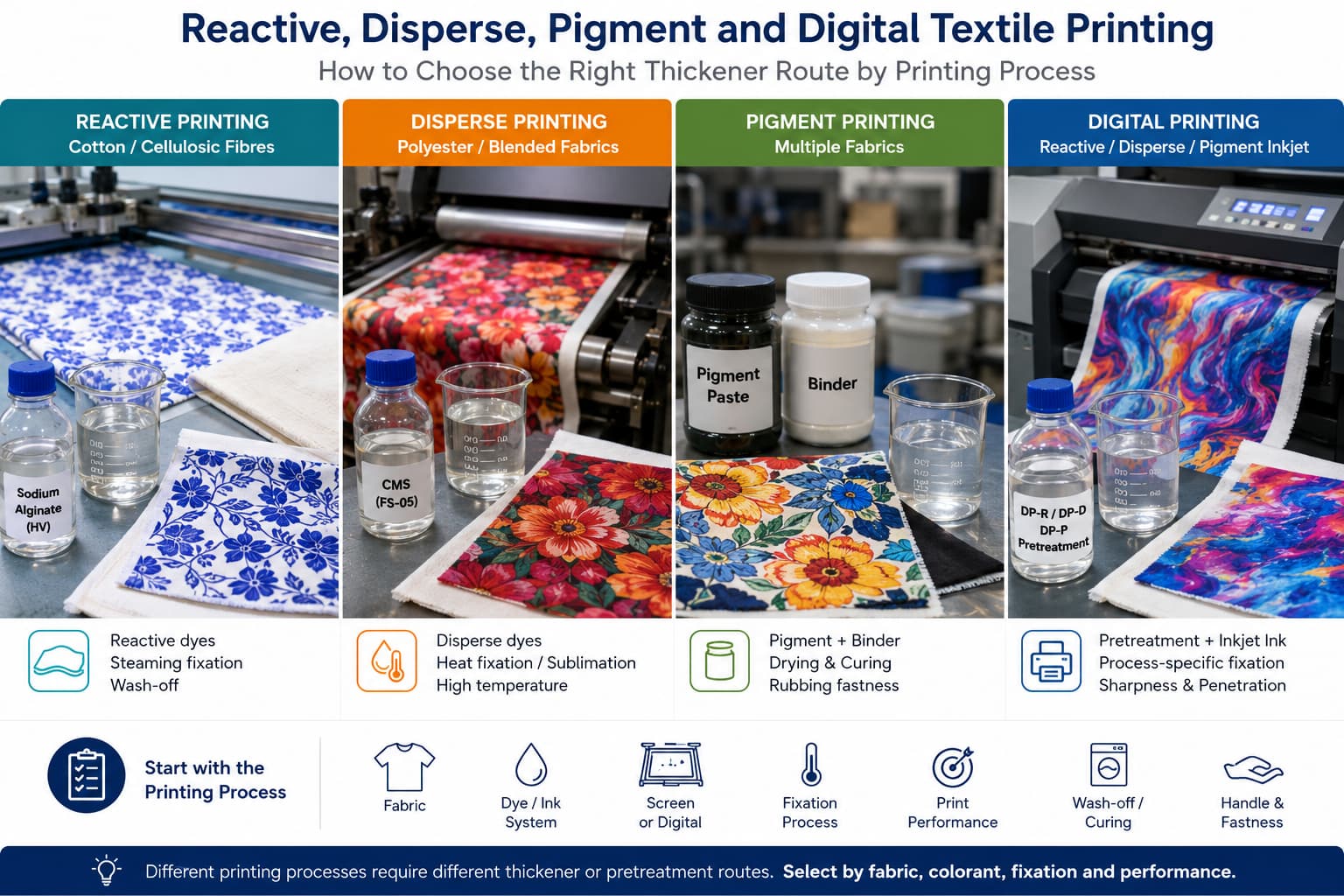
Textile Printing Thickeners by Dye and Printing Process
Learn how to choose thickener and pretreatment routes for reactive, disperse, pigment and digital textile printing based on fabric, dye or ink, fixation, wash-off and print-quality requirements.
CMC vs CMS vs Sodium Alginate vs Digital Printing Paste: A Practical Selection Guide
Compare CMC, CMS, sodium alginate and digital printing paste for textile printing. Learn how each route fits reactive, disperse, pigment and digital processes, and what buyers should review before sample testing, grade matching and bulk purchase.
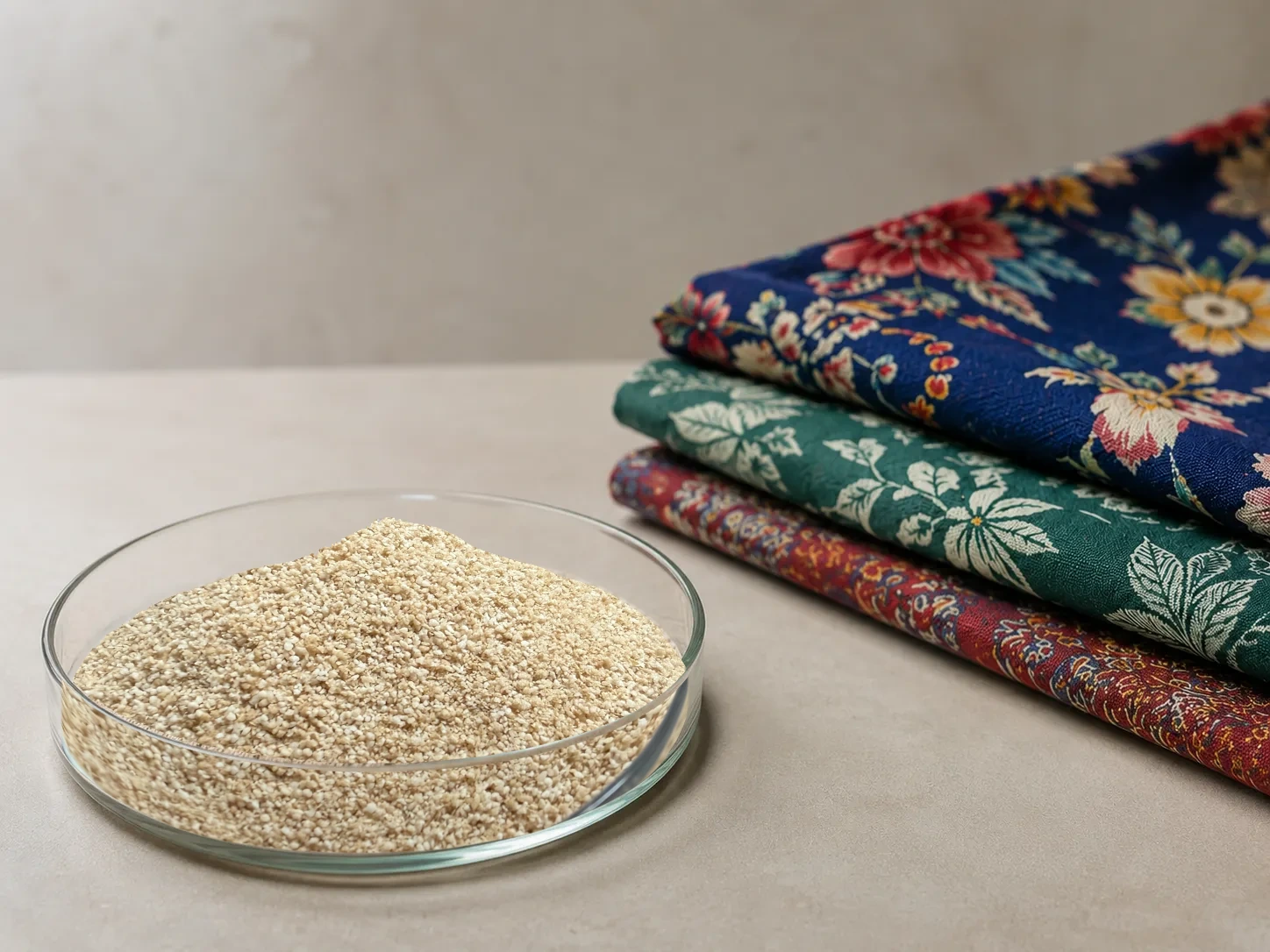
Sodium Alginate for Reactive Textile Printing: Grade, Viscosity and Application Guide
Sodium alginate is widely used in textile printing as a stable and washable thickener for reactive printing paste. Learn how to evaluate viscosity grade, purity, and application suitability before purchasing, and how FSX Chemical supports global buyers with technical data and samples.
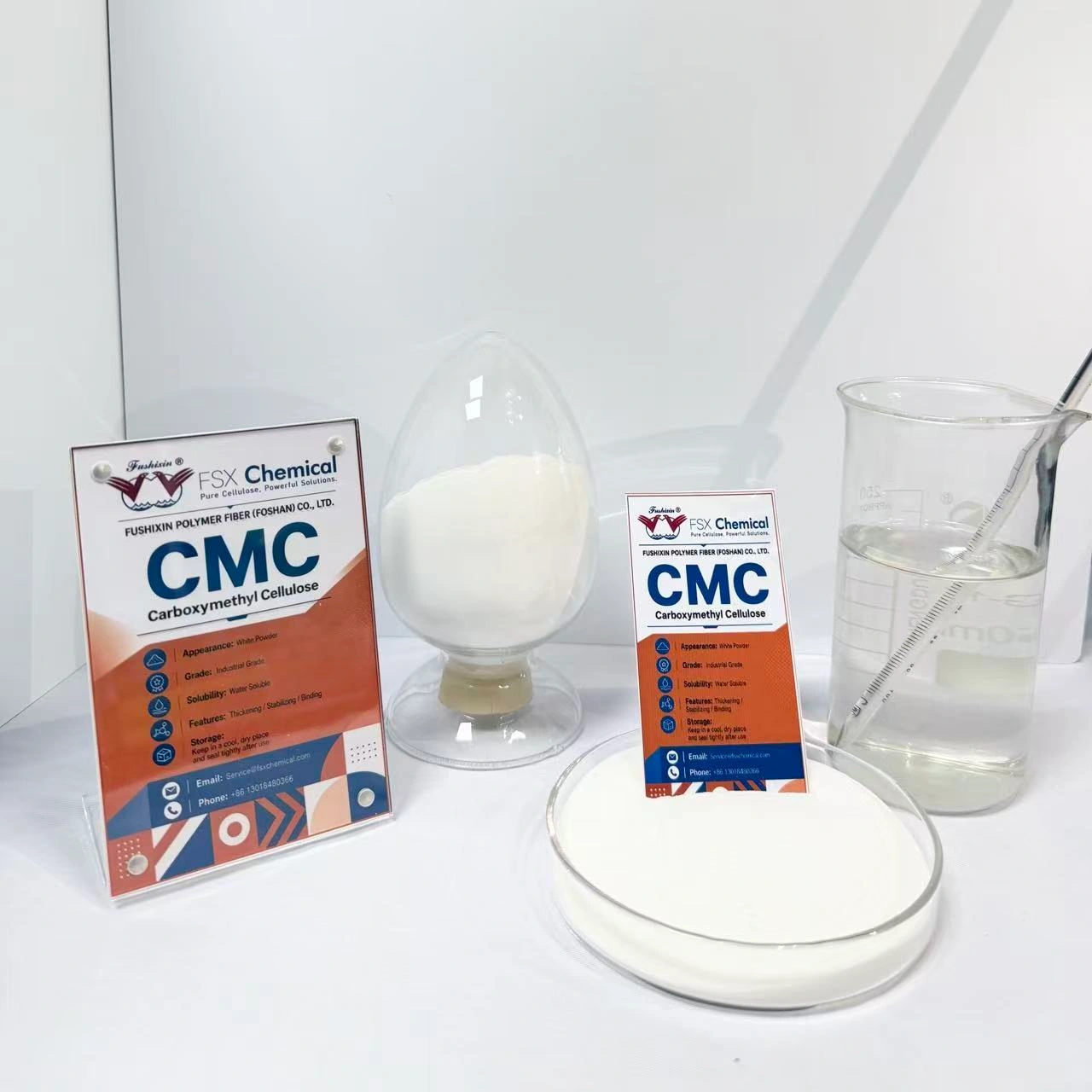
CMC for Textile Printing: Grade Selection and Procurement Guide
Carboxymethyl cellulose (CMC) is widely used in the printing, sizing, and dyeing processes of textiles. This guide will explain how to evaluate CMC grades, which parameters are most important, and how FSX Chemical can support purchasing decisions.
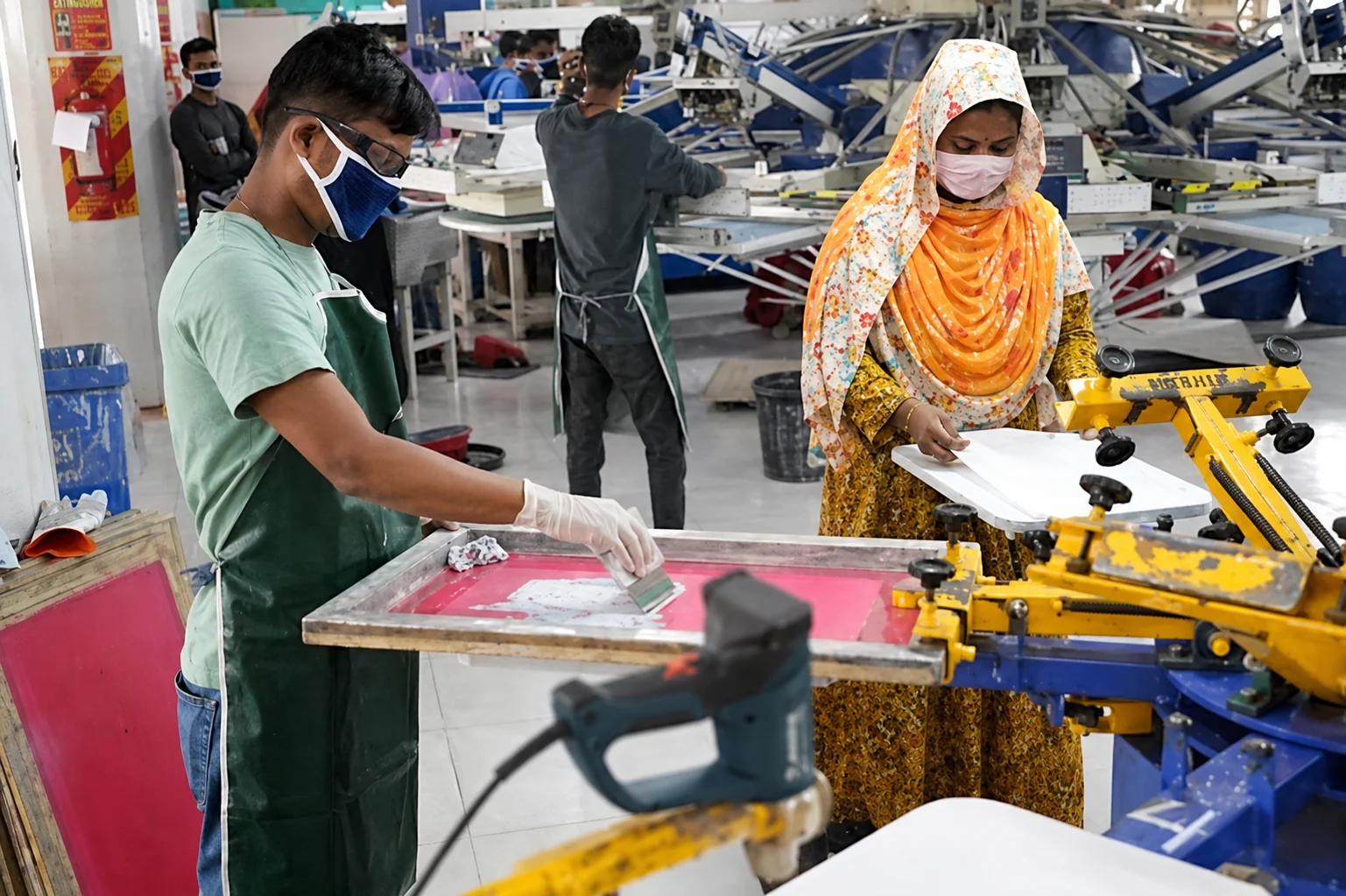
Cellulose-Based Textile Printing Paste: CMC Grade and Supplier Evaluation
CMC-based printing paste is used across pigment, reactive, and digital textile printing. This guide explains what parameters matter, how to compare suppliers, and what to request before placing a bulk order.
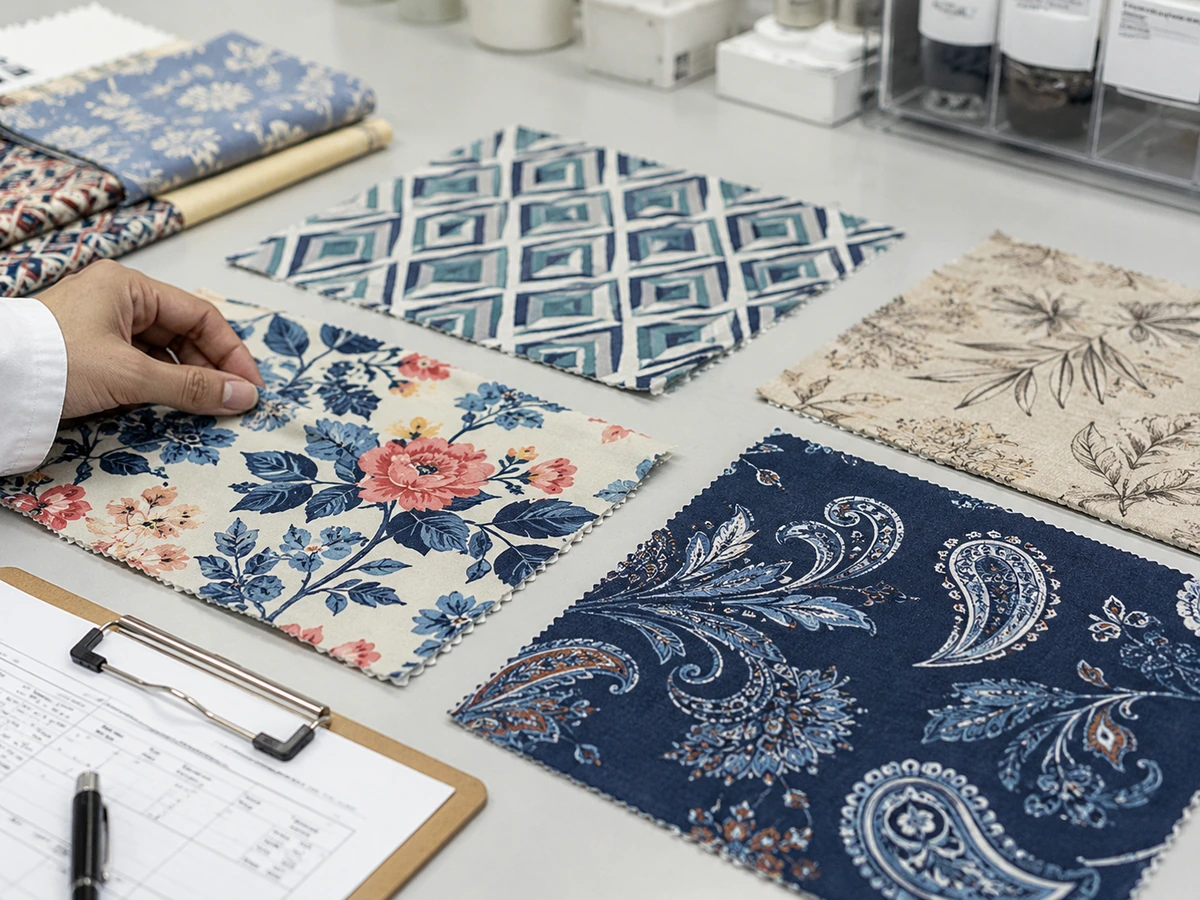
Sodium Alginate vs CMC for Textile Printing: Performance and Cost Comparison
Both sodium alginate and CMC are used as thickeners in textile printing, but they suit different dye systems and process conditions. This guide explains the key differences and when to use each.
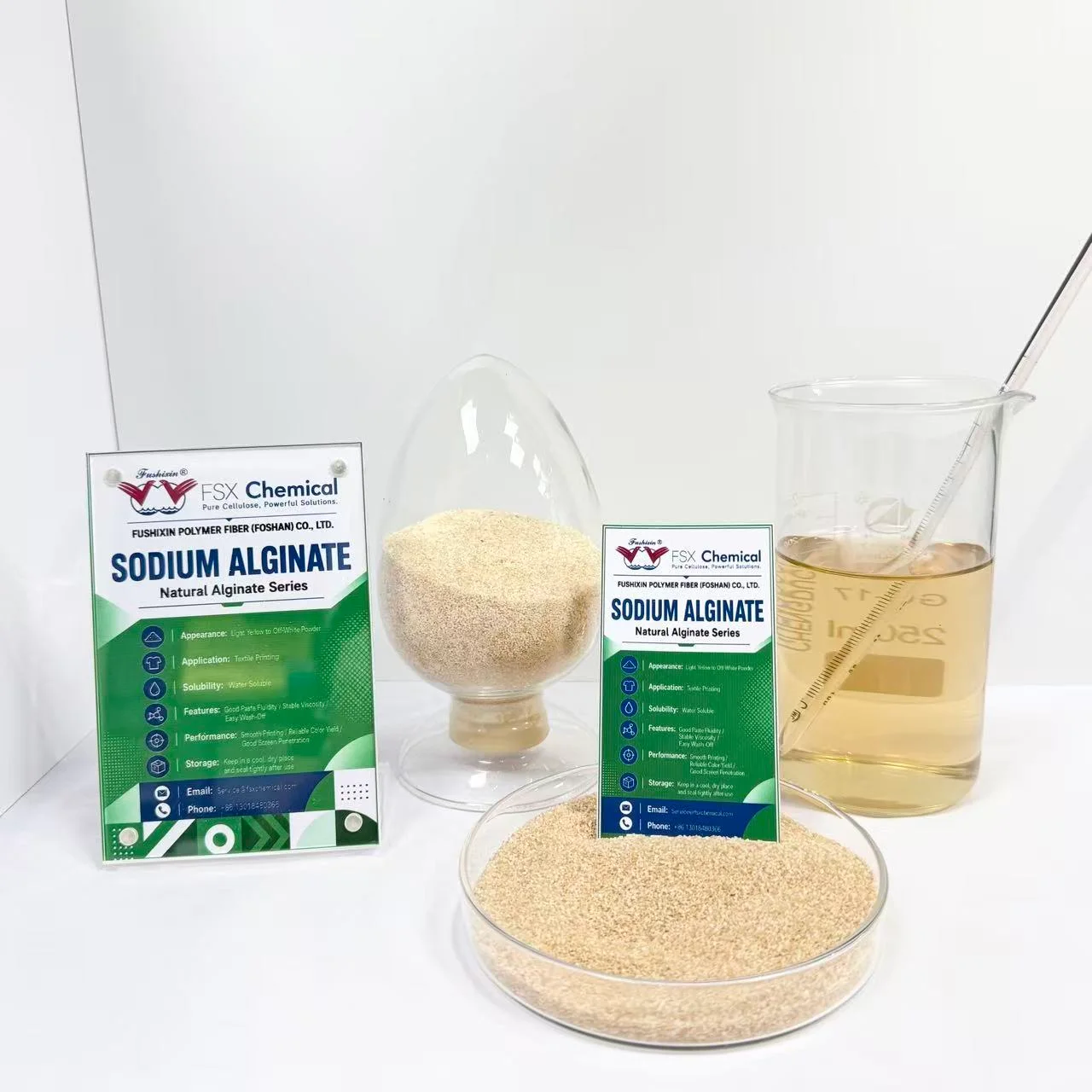
Sodium Alginate for Reactive Digital Textile Printing: Pretreatment and Grade Selection
Digital inkjet printing on textiles has different paste and pre-treatment requirements compared to screen printing. This guide explains how sodium alginate is used in digital textile printing and what grade parameters procurement teams should specify.
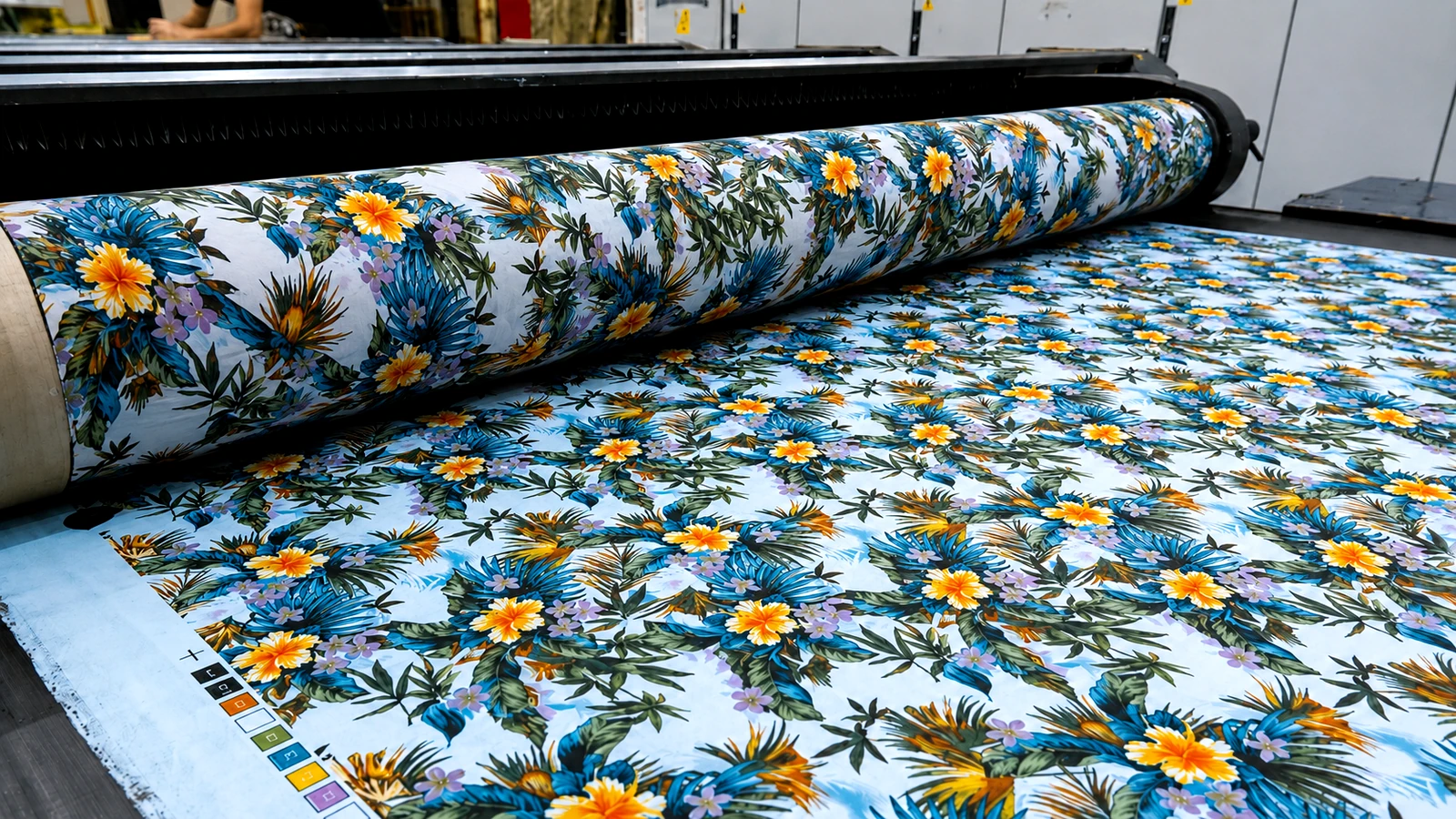
How to Prepare Sodium Alginate Printing Paste: Dissolution, Concentration and QC
Correct paste preparation is as important as grade selection in reactive dye textile printing. This guide covers sodium alginate dissolution methods, concentration ranges by application, storage conditions, and how to troubleshoot common preparation problems.
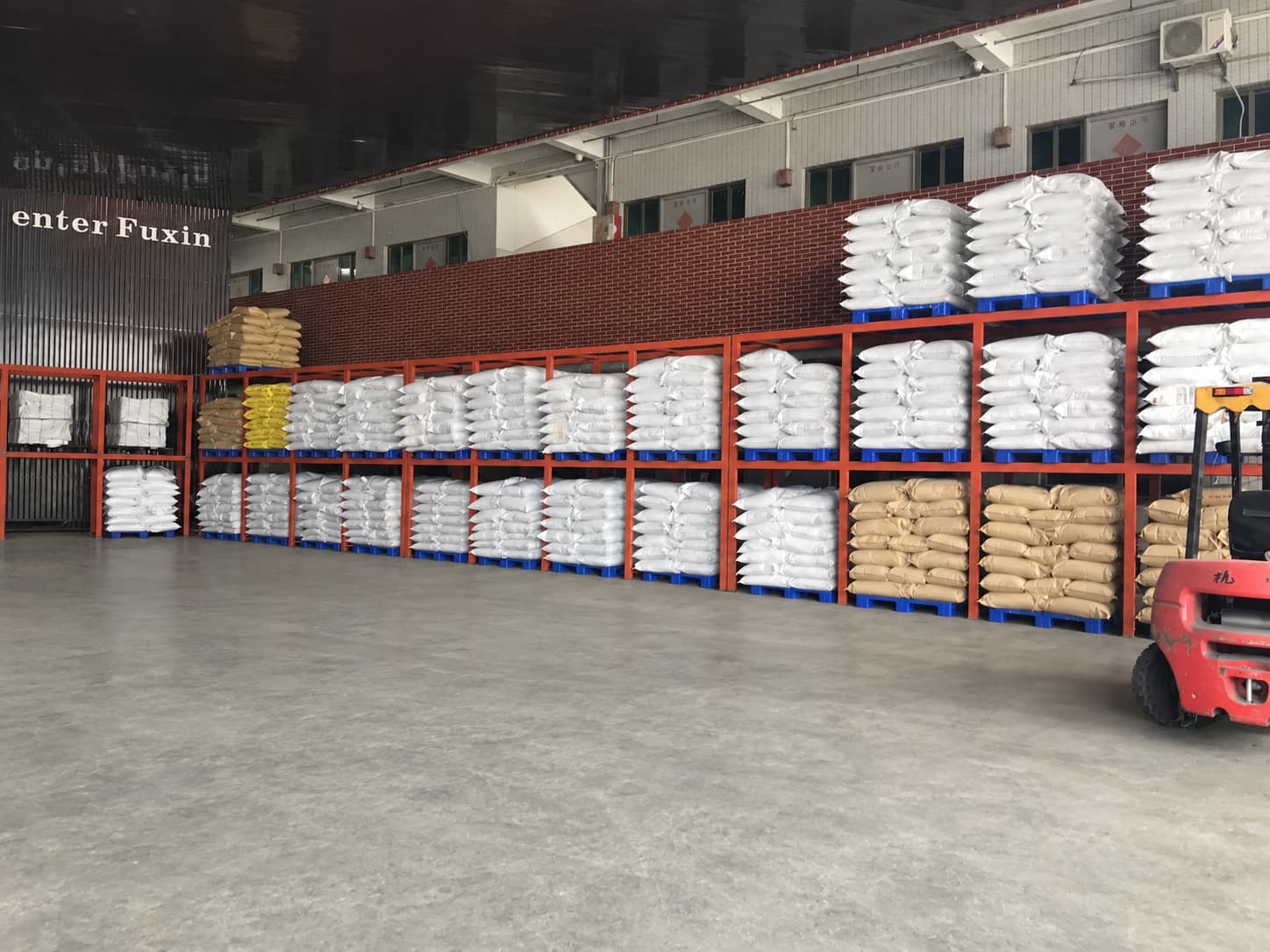
Sodium Alginate in Textile Printing: Environmental Profile and Wastewater Considerations
Sodium alginate is a natural, biodegradable polymer, but its use in textile printing generates wastewater that requires management. This guide covers the environmental profile of sodium alginate, washout effluent characteristics, and what procurement teams should understand about thickener choice and environmental impact.
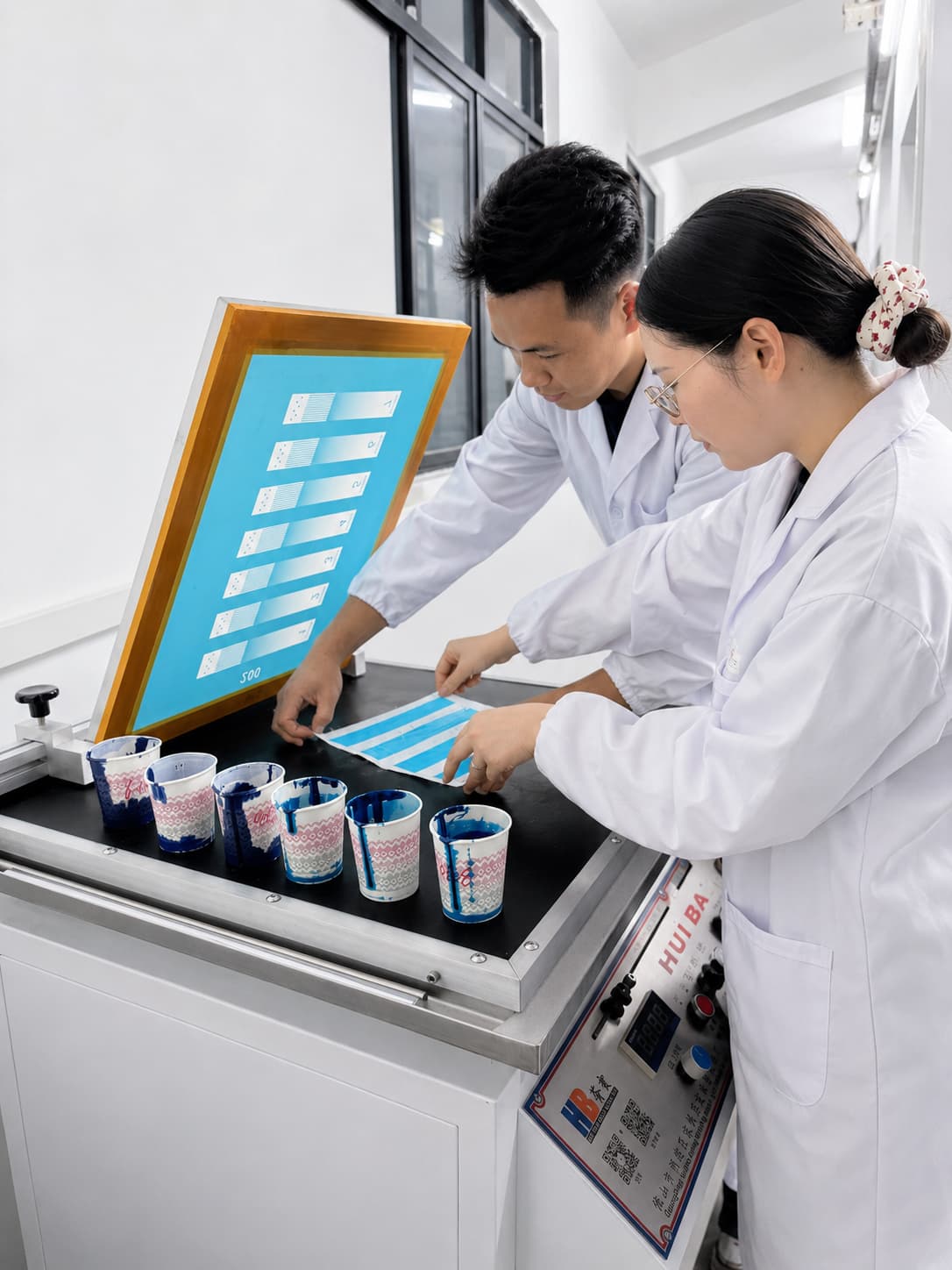
Reactive Dye Fixation in Textile Printing: Sodium Alginate and Process Control
Dye fixation rate directly affects color yield, wash fastness, and wastewater load in reactive dye printing. This guide explains how sodium alginate supports dye fixation, what paste parameters influence fixation rate, and how to troubleshoot low fixation in production.
Sodium Alginate Mesh Size: Dissolution, Filtration and Textile Printing Performance
Sodium alginate particle size (mesh) affects how quickly the powder dissolves, how evenly it hydrates, and how the resulting paste performs in screen printing. This guide explains the practical implications of mesh specification for textile printing paste applications.
