Industrial Textile Printing Thickeners: Scale-Up, QC and Production Approval
Industrial textile printing thickeners must perform beyond a small laboratory test. This guide explains how...
A textile printing thickener is ready for large-scale production only after laboratory, pilot and production trials confirm hydration, rheology, filtration, circulation stability, print quality, fixation or curing, wash-off and batch consistency. Scale changes mixing energy, temperature, holding time and paste movement through tanks, pumps, pipes and screens.
Industrial-grade textile printing thickeners should therefore be selected according to a defined production process and purchasing specification. Buyers need to evaluate not only viscosity, but also rheology, solubility, batch control, dye compatibility, wash-off, packaging and total cost in use.
This guide explains how printing mills, paste formulators and chemical distributors can qualify a thickener for large-scale production without relying on broad claims such as “high viscosity,” “premium quality” or “universal grade.”
Key point: Industrial suitability is demonstrated through agreed specifications, repeatable test methods, application trials and batch records. It is not demonstrated by the term “industrial grade” alone.
What Does Industrial-Grade Mean?
Industrial grade describes a product manufactured and supplied for a defined industrial application. In textile printing, it should mean that the grade has an appropriate technical specification, test method, packaging system and batch-release process.
The term does not automatically indicate a higher purity than food, pharmaceutical or other regulated grades. Different grades are designed for different end uses and are controlled against different specifications.
Application Fitness Matters More Than a General Grade Label
A textile printing thickener needs to provide appropriate flow, hydration, filtration, dye or pigment compatibility and wash-off. A highly purified product can still be unsuitable if its rheology or application behavior does not match the production line.
Likewise, purchasing a food-grade material for textile printing does not automatically improve print quality. It may add unnecessary cost while leaving the main printing requirements unresolved.
Industrial Grade Should Include a Defined Specification
The purchasing specification may include viscosity, pH, moisture, particle size, degree of substitution, insoluble matter or other product-specific parameters. Each numerical requirement should identify the test method.
The specification should also state the product code, packaging, batch-document requirements and any agreed application controls.
Typical Industrial Printing Thickener Families
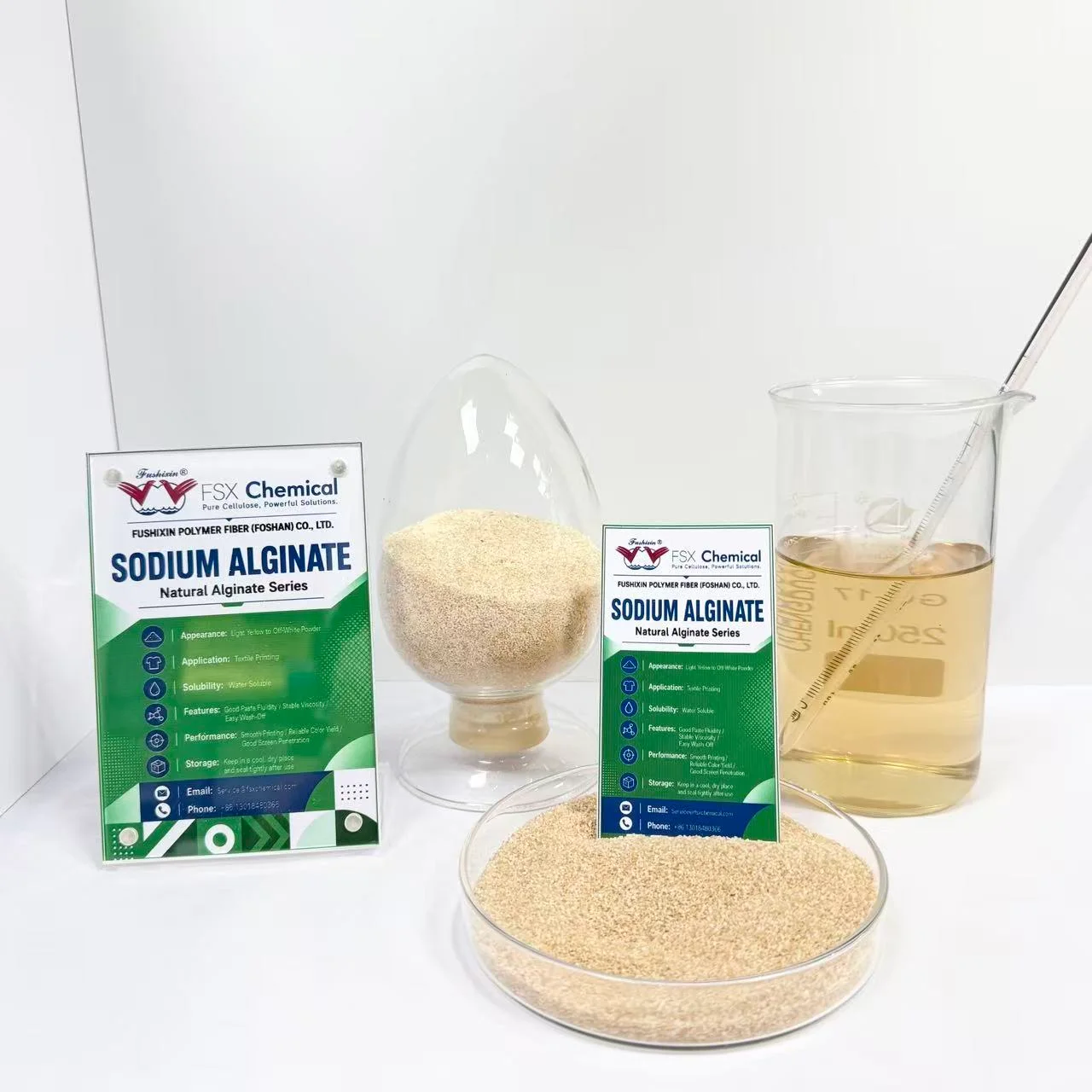
Sodium alginate for reactive dye printing
CMC for selected printing and compound thickener systems
CMS for selected reactive, disperse, vat, discharge or compound systems
Synthetic or compound thickeners for process-specific requirements
Digital printing paste for inkjet pretreatment routes
These are broad product families. Final suitability depends on the individual grade and formulation.
Why Large-Scale Production Requires More Control
Mixing Conditions Change with Batch Size
A laboratory mixer can disperse a small quantity of powder quickly. In a large vessel, powder addition rate, impeller design, tank geometry and recirculation determine whether the thickener hydrates uniformly.
Insufficient mixing can create fish-eyes or partially hydrated particles. Excessive localized shear may also change the behavior of some polymer systems.
Hydration Time Becomes a Production Constraint
A thickener may reach its target viscosity only after a defined hydration period. If production uses the paste too early, viscosity may continue to develop on the machine.
If the process requires long hydration or ageing, the mill needs sufficient tank capacity and scheduling control. Preparation time should therefore be included in grade selection.
Process Water Has a Greater Effect
Laboratory trials are sometimes completed with deionized or softened water, while the factory uses process water with variable hardness, conductivity or metal ions. This can affect hydration, viscosity and filtration.
Sodium alginate can be particularly sensitive to multivalent ions such as calcium, which may produce gel particles. CMC, CMS and synthetic systems can also respond to salts and water chemistry.
Longer Holding Time Increases Stability Risk
Large batches may remain in tanks, pipes or machine circulation systems for several hours or shifts. Viscosity drift, separation, microbial activity and contamination become more important under these conditions.
The approved test should include the actual production holding time rather than only freshly prepared paste.
Machine Conditions Expose Rheological Differences
Pumps, pipes, filters, squeegees and screens subject the paste to different shear conditions. Two products with the same low-shear viscosity may transfer differently through the production system.
Large-scale evaluation should include machine runnability, viscosity recovery, screen passage and the stability of printed outlines at normal production speed.
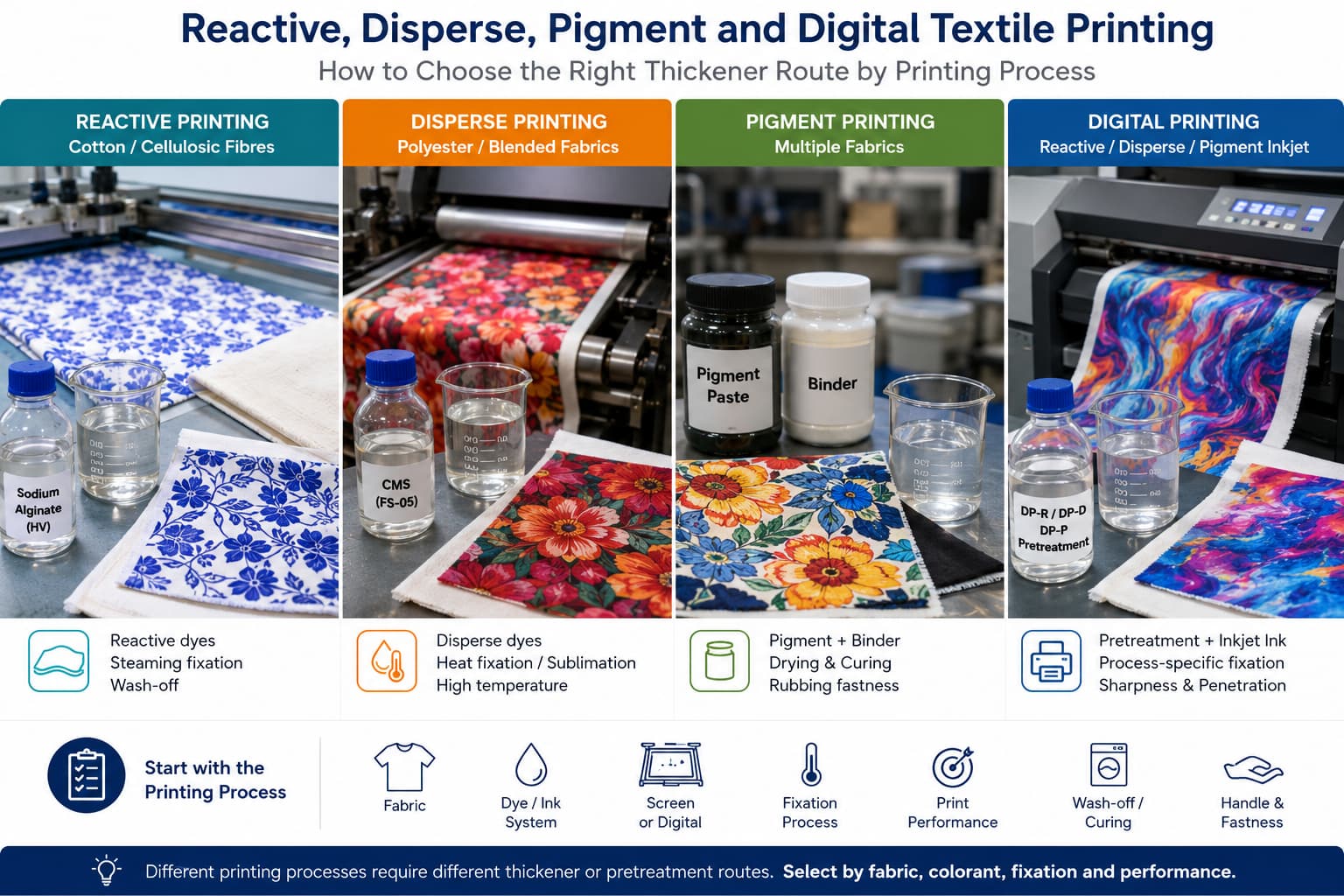
Select the Thickener by Printing Process
Itinéraire d'impression
Common Starting Thickener Route
Important Production Checks
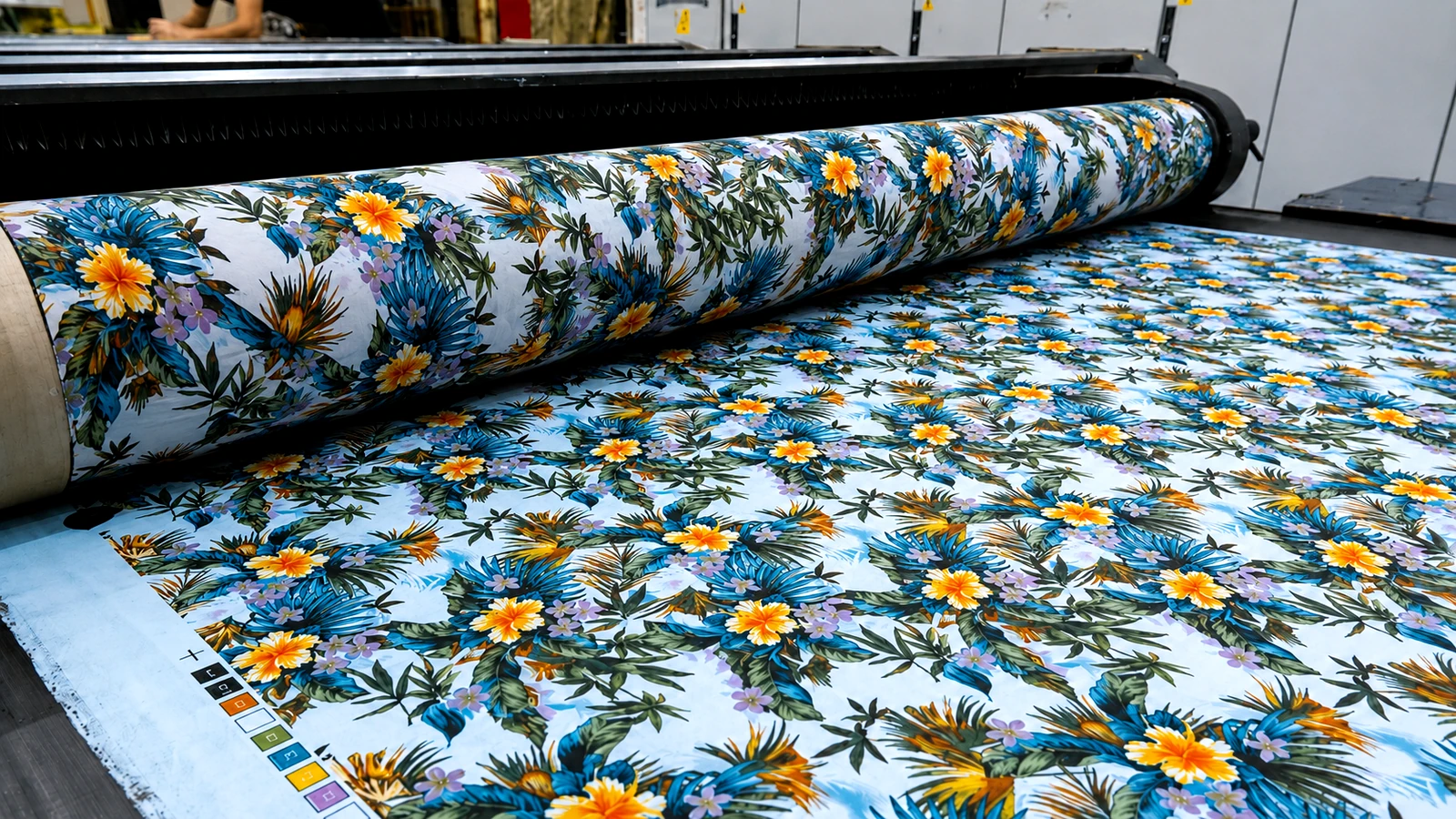
Reactive printing on cotton or viscose
Sodium alginate or an approved reactive-printing system
Dye compatibility, viscosity, definition, fixation and wash-off
Impression par dispersion sur polyester
CMS, selected CMC, synthetic or compound thickener
Dye dispersion, screen passage, fixation residue and washing
Impression pigmentaire
Binder-compatible synthetic or compound system
Binder compatibility, viscosity stability, handle and rubbing fastness
Vat or discharge printing
Process-specific starch, cellulose or compound route
Chemical stability, reduction or oxidation conditions and wash-off
Digital textile printing
Ink- and fabric-specific pretreatment paste
Filtration, coating uniformity, definition, fixation and residue
Impression aux colorants réactifs
Sodium alginate is widely used for reactive printing because its anionic structure generally limits interaction with many reactive dyes. It can support print definition and wash-off when the grade and process are properly matched.
Large-scale approval should include multiple dye concentrations, actual production water, normal paste holding time and the complete steaming and washing process.
Disperse Dye Printing
Disperse printing on polyester may use CMS, selected CMC or compound systems. The correct route depends on dye dispersion, fabric construction, screen conditions and fixation.
Evaluate both fine patterns and large solid areas. The thickener should provide sufficient definition without leaving unacceptable residue or restricting color development.
Impression pigmentaire
Pigment pastes contain a binder that forms a film on the fabric. The thickener must remain compatible with the binder, pigment dispersion, crosslinker and other auxiliaries.
A thickener that is stable in water can still fail after the complete pigment formulation is prepared. Always test the full paste rather than the polymer solution alone.
Digital Printing Pretreatment
Digital printing paste is commonly used as a fabric pretreatment rather than as an additive to the ink. Reactive, disperse and pigment inkjet systems require separate product routes.
Industrial-scale digital pretreatment should be evaluated for coating or padding uniformity, filtration, drying, storage of treated fabric and final print performance.
Key Performance Requirements
1. Defined Viscosity Method
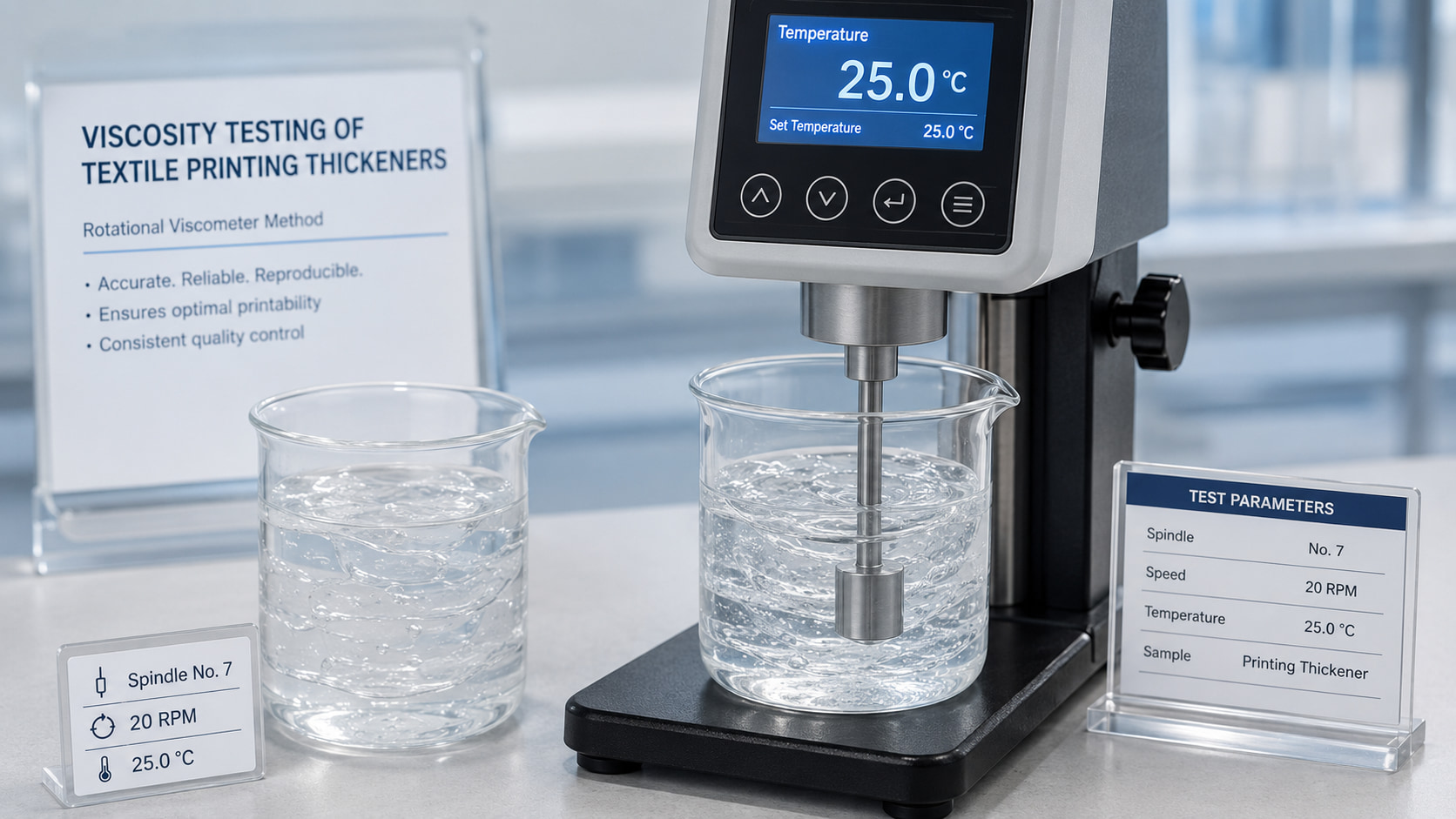
Viscosity is one of the most frequently compared specifications, but it is also one of the easiest to misinterpret. Concentration, temperature, hydration time, instrument, spindle and rotational speed all affect the result.
A supplier specification should state the complete method. If suppliers use different methods, test their samples using the mill’s standard procedure.
2. Suitable Rheology
Printing paste must flow through pumps and screens under shear, then recover enough structure to hold the printed design. This behavior cannot always be predicted from one viscosity result.
Where production risk is high, evaluate viscosity at more than one shear condition or use a rheological comparison that reflects the machine process.
3. Reliable Hydration
The thickener should disperse and hydrate within a practical production procedure. Record powder addition rate, mixing time, hydration time, temperature, foam and lump formation.
A product that requires difficult or highly sensitive preparation may create operator variation during continuous production.
4. Filtration and Screen Passage
Insoluble particles, gels and poorly hydrated material can block filters or screens. Filtration should be tested after complete hydration and after relevant dyes, salts, alkali or auxiliaries are added.
Use the same filter or mesh standard for supplier comparisons.
5. Formulation Compatibility
The thickener must remain stable in the complete printing paste. Dye, pigment, binder, salt, alkali, reducing agent and other auxiliaries can change viscosity and rheology.
Measure the complete paste immediately and after the normal holding period.
6. Storage and Circulation Stability
Large-scale production may keep paste in storage or circulation for extended periods. Monitor viscosity, separation, skin formation, foam, sediment and microbial change.
Paste stability should be defined for the actual operating window rather than an arbitrary laboratory period.
7. Print Quality
Evaluate fine-line definition, edge bleeding, solid-area levelness, penetration and paste transfer. A laboratory drawdown cannot fully represent rotary-screen or flat-screen performance.
Include machine-speed and screen conditions in the production trial record.
8. Fixation and Wash-Off
The thickener should not create unacceptable interference with the selected dye or fixation process. After fixation, it should be removed to the extent required for color, fastness and fabric handle.
Wash-off should be tested using the standard mill process. Do not compare products using different washing conditions.
9. Batch Reproducibility
Industrial production requires an agreed range rather than a promise of identical batches. Buyers should define which variations affect printing and which can be accepted.
Relevant parameters may include viscosity, pH, moisture, particle size, DS or filtration, depending on the product family.
From Laboratory Sample to Production Approval
Stage 1: Define the Reference
Use the current approved thickener and production recipe as the control. Record the grade, batch, viscosity method, dosage and normal production result.
If there is no current product, define the target performance and minimum acceptance criteria before requesting samples.
Stage 2: Complete Laboratory Screening
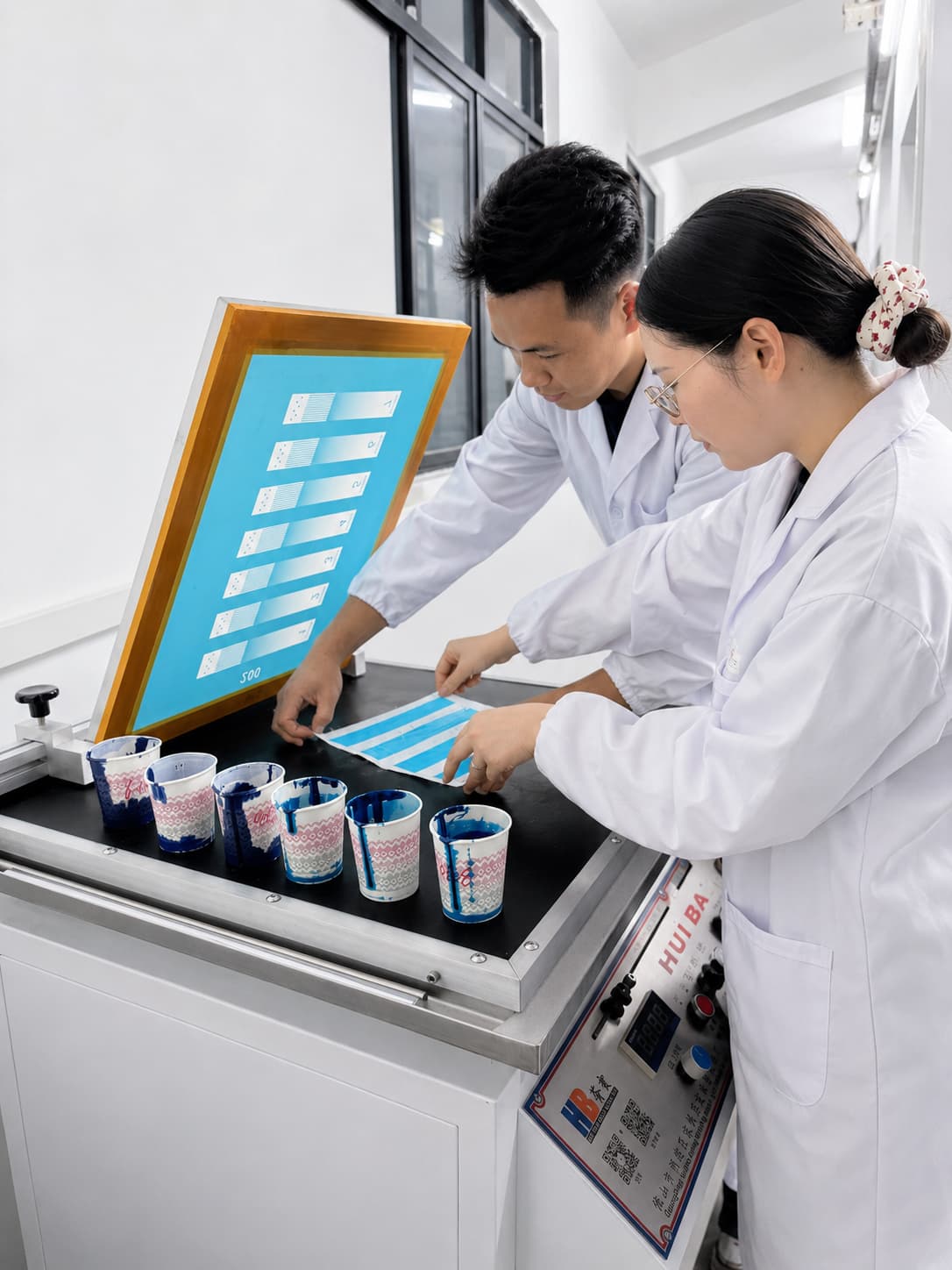
Compare appearance, hydration, viscosity, pH, filtration and complete-paste stability. Eliminate candidates that fail critical physical or formulation requirements.
Stage 3: Run an Application Trial
Print the candidate and reference using the same fabric, dye, recipe, screen, drying, fixation and washing conditions. Include representative light, medium and dark shades where practical.
Stage 4: Prepare a Pilot Batch
Increase the mixing volume using equipment that more closely represents production. Confirm addition rate, mixing time, hydration, filtration and holding stability.
Stage 5: Conduct a Controlled Production Run
Use the candidate on a defined production lot while maintaining normal machine conditions. Record runnability, paste consumption, screen behavior, printed quality and cleaning requirements.
Stage 6: Approve the Commercial Specification
Confirm the product code, test parameters, methods, packaging and batch-document requirements. Any dosage or process adjustment identified during the trial should be added to the internal work instruction.
Stage 7: Inspect the First Bulk Shipment
Review the COA, labels and packaging, then conduct incoming tests before releasing the full shipment. Retain samples from the approved trial and commercial batch where practical.
Incoming and In-Process Quality Control
Control Stage
Recommended Checks
Incoming Material
Product code, batch, packaging, appearance, COA, moisture and viscosity
Stock Paste Preparation
Water quality, addition rate, mixing, temperature, hydration and filtration
Complete Printing Paste
pH, viscosity, homogeneity, holding stability and formulation compatibility
Procédé d'impression
Paste add-on, machine speed, screen condition, pressure and circulation
Finished Fabric
Color, definition, penetration, wash-off, fastness and handle
Incoming Sampling
Sampling should represent the received lot. Taking powder only from the top of one bag may not identify variation or moisture damage elsewhere in the shipment.
The sampling plan should reflect lot size, packaging and production risk.
Use Consistent Sample Preparation
Variations in water, powder-addition rate and hydration can create apparent batch differences. Incoming tests should follow a written procedure.
Link Test Results to Production Batches
Record the supplier batch number in the stock-paste and production records. This improves traceability if a printing problem appears later.
How to Evaluate Batch Consistency
COA Review Is Only the First Step
A batch-specific COA should identify the product, batch and reported test results. Buyers should confirm that the parameters correspond to the agreed purchasing specification.
A COA does not replace incoming inspection or application monitoring.
Trend Data Is More Useful Than One Result
Record incoming viscosity, pH and relevant production results over multiple batches. A trend can reveal gradual movement even when individual results remain inside specification.
Distinguish Material Variation from Process Variation
Before attributing a problem to the thickener, review fabric, dye, water, mixing, screen, fixation and washing. Compare the suspect batch with a retained approved batch under identical conditions.
Request Change Notification Where Necessary
For critical grades, buyers may discuss notification of significant specification, raw-material or production changes. Any requirement should be documented in the supply agreement rather than assumed.
Supplier Qualification for Bulk Purchasing
Review Manufacturing Responsibility
Confirm which legal entity manufactures or controls the product, which entity signs the contract and which laboratory releases the batch.
Review Technical Capability
The supplier should be able to explain the grade, viscosity method, preparation procedure and intended application. Recommendations should be based on process information rather than product name alone.
Review Batch-Control Capability
Ask which parameters are tested, how representative samples are collected, whether samples are retained and how out-of-specification results are handled.
Review Supply Continuity
Discuss expected volume, order frequency, production planning, packaging and safety-stock strategy. Do not rely on a general capacity statement without confirming the supply plan for the actual grade.
Review Documents
Request current TDS and SDS documents during evaluation. Confirm COA, packaging, origin and shipping-document requirements before placing the order.
If certificates are required, verify the holder, scope, issuing organization and validity period.
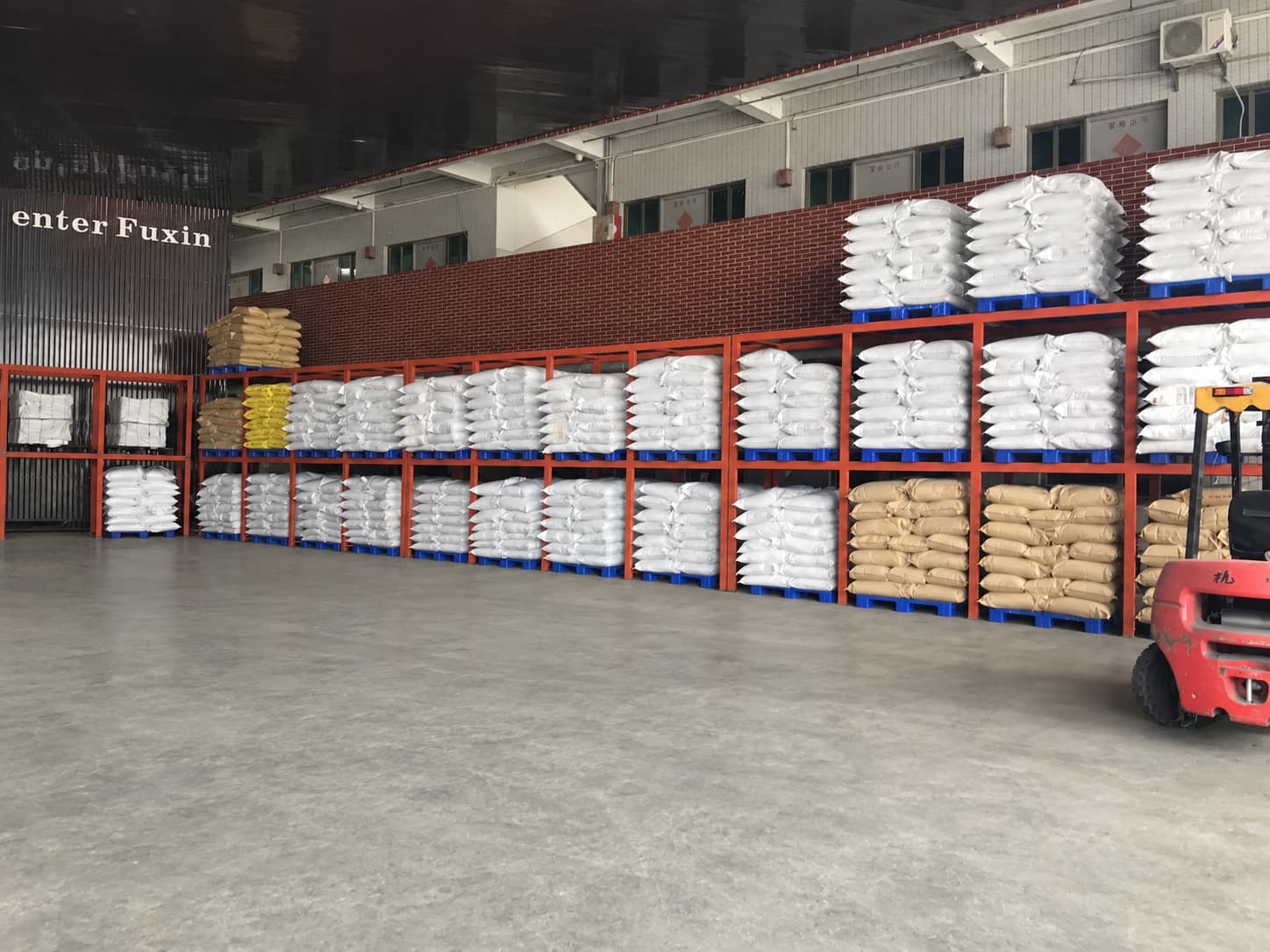
Packaging, Storage and Material Handling
Choose Packaging for Consumption Rate
Standard bags may suit manual dosing and smaller batches, while larger packaging may reduce handling for high-volume users. Large packages also require suitable lifting, dosing and moisture-control equipment.
Confirm net weight, liner, pallet, label and shipping marks before production.
Protect Powder from Moisture
Moisture can cause caking, poor flow and inconsistent dosing. Store bags in a dry, clean area and keep them off the floor.
Close partially used packages and follow the supplier’s storage guidance.
Use Batch-Based Inventory Control
Record received batch numbers and follow an appropriate first-in, first-out procedure. Avoid mixing unidentified partial bags from different batches.
Prevent Cross-Contamination
Use clean transfer equipment and clearly identified storage locations. Residues from other polymers, salts or chemicals can alter hydration and viscosity.
Troubleshooting Large-Scale Production Problems
Problem
Possible Causes
First Checks
Laboratory viscosity passes but production viscosity is low
Different water, concentration, mixing, temperature or hydration
Scale calibration, water quality, mixing record and hydration time
Viscosity continues to rise in the machine
Incomplete hydration before use or temperature change
Preparation time, tank scheduling and paste temperature
Screen blockage
Undissolved particles, gels, hard-water ions or contaminated equipment
Filtration, water hardness, hydration and cleaning
Paste viscosity drops after formulation
Salt, alkali, binder or dye incompatibility
Complete-paste test and order of addition
Shade varies between shifts
Paste age, viscosity, fabric, machine or fixation variation
Shift records, paste holding time and process settings
Bleeding at normal machine speed
Low viscosity recovery, excessive add-on or fabric absorbency change
Rheology, screen, pressure, speed and fabric lot
Harsh fabric handle
Excess thickener, incomplete wash-off or formulation interaction
Dosage, washing, residue and grade suitability
Different performance from approved sample
Batch, preparation, scale or process difference
Retained samples, COA, incoming test and production records
Total Cost-in-Use Evaluation
Industrial buyers should not select a thickener only by price per kilogram. A lower-priced product may require higher dosage, longer hydration, more filtration or additional washing.
Basic material cost: delivered thickener price multiplied by dosage per unit of finished printing paste.
A complete evaluation should include:
Dosage de l'épaississant
Temps de mélange et d'hydratation
Energy and labor
Filtration loss
Screen cleaning and downtime
Dye or auxiliary adjustment
Washing demand
Rejected fabric and rework
Packaging disposal
Inventory and financing
Cost savings should be calculated from recorded production data. Avoid relying on unverified supplier percentages.
RFQ Checklist for Industrial Buyers
Required product family or current supplier grade
Printing process and machine type
Tissu et système de teinture, de pigment ou d'encre
Posologie actuelle
Target viscosity and complete test method
Required pH, moisture, DS or particle-size range
Current TDS or retained sample
Principal problème de production
Monthly or annual demand estimate
Order quantity and frequency
Packaging and pallet requirements
Destination port and preferred Incoterm
TDS, SDS, COA and other document requirements
Sample and production-trial plan
Providing complete information helps suppliers recommend a relevant grade and prepare a comparable quotation.
Foire aux questions
Why can a thickener pass the laboratory test but fail in production?
Large tanks and continuous lines change powder addition, mixing energy, heat, hydration, holding time, circulation, filtration and shear history. Reproduce these conditions during pilot approval.
Which parameters should be fixed before a production trial?
How should the first commercial batch be approved?
Compare its batch code and COA with the agreed specification, repeat incoming and complete-paste tests, run a controlled production trial and retain both material and printed-fabric references.
Is a lower price per kilogram always a lower production cost?
No. Compare dosage, preparation time, waste, rework, color yield, filtration, machine cleaning, wash-off and batch variation as total cost in use.
What should be monitored during long production runs?
Record tank temperature, paste age, viscosity by one method, filtration or screen condition, circulation, add-on, print definition, shade and end-of-run paste behavior.
FSX Chemical supplies CMC, CMS, sodium alginate and digital printing paste for textile printing applications. Buyers can request grade matching based on a current TDS, sample, target viscosity, fabric and printing process.
Product-specific TDS and SDS documents can be provided for technical review. Batch-specific COA requirements should be confirmed for the selected product and commercial shipment.
For large-scale qualification, buyers can begin with a laboratory sample, followed by a controlled production trial. Final performance should be verified under the mill’s actual formulation and operating conditions.
Découvrez pourquoi les valeurs de viscosité des épaississants utilisés dans l'impression textile ne peuvent pas être comparées sans tenir compte de la concentration, de la température, de l'instrument, de l'axe, de la vitesse, de la méthode de préparation et de la durée de l'essai.
Découvrez comment choisir les agents épaississants et les procédés de prétraitement adaptés à l'impression textile réactive, dispersée, pigmentée et numérique, en fonction des exigences liées au tissu, à la teinture ou à l'encre, à la fixation, à l'élimination au lavage et à la qualité d'impression.
Comparez le CMC, le CMS, l'alginate de sodium et la pâte d'impression numérique pour l'impression textile. Découvrez comment chaque solution s'adapte aux procédés réactifs, dispersés, pigmentés et numériques, et ce que les acheteurs doivent vérifier avant de procéder à des tests d'échantillons, à la mise en correspondance des qualités et à l'achat en gros.
L'alginate de sodium est largement utilisé dans l'impression textile comme épaississant stable et lavable pour les pâtes d'impression réactives. Découvrez comment évaluer le degré de viscosité, la pureté et l'adéquation à l'application avant tout achat, et comment FSX Chemical accompagne les acheteurs du monde entier en leur fournissant des données techniques et des échantillons.
L'alginate de sodium et la CMC sont tous deux utilisés comme épaississants dans l'impression textile, mais ils conviennent à des systèmes de teinture et à des conditions de traitement différents. Ce guide explique les principales différences entre ces deux produits et précise dans quels cas il convient d'utiliser l'un ou l'autre.
L'impression numérique à jet d'encre sur textiles présente des exigences différentes en matière de pâte et de prétraitement par rapport à la sérigraphie. Ce guide explique comment l'alginate de sodium est utilisé dans l'impression textile numérique et quels paramètres de qualité les équipes d'approvisionnement doivent préciser.
Dans l'impression textile aux colorants réactifs, une préparation correcte de la pâte est tout aussi importante que le choix de la qualité du tissu. Ce guide aborde les méthodes de dissolution de l'alginate de sodium, les plages de concentration en fonction de l'application, les conditions de stockage, ainsi que la manière de résoudre les problèmes courants liés à la préparation.
L'alginate de sodium est un polymère naturel et biodégradable, mais son utilisation dans l'impression textile génère des eaux usées qui doivent être traitées. Ce guide présente le profil environnemental de l'alginate de sodium, les caractéristiques des effluents de lavage, ainsi que les éléments que les équipes chargées des achats doivent connaître concernant le choix des épaississants et leur impact environnemental.
Le taux de fixation des colorants a une incidence directe sur le rendement chromatique, la résistance au lavage et la charge polluante des eaux usées dans l'impression aux colorants réactifs. Ce guide explique comment l'alginate de sodium favorise la fixation des colorants, quels paramètres de la pâte influencent le taux de fixation et comment remédier à une fixation insuffisante en production.
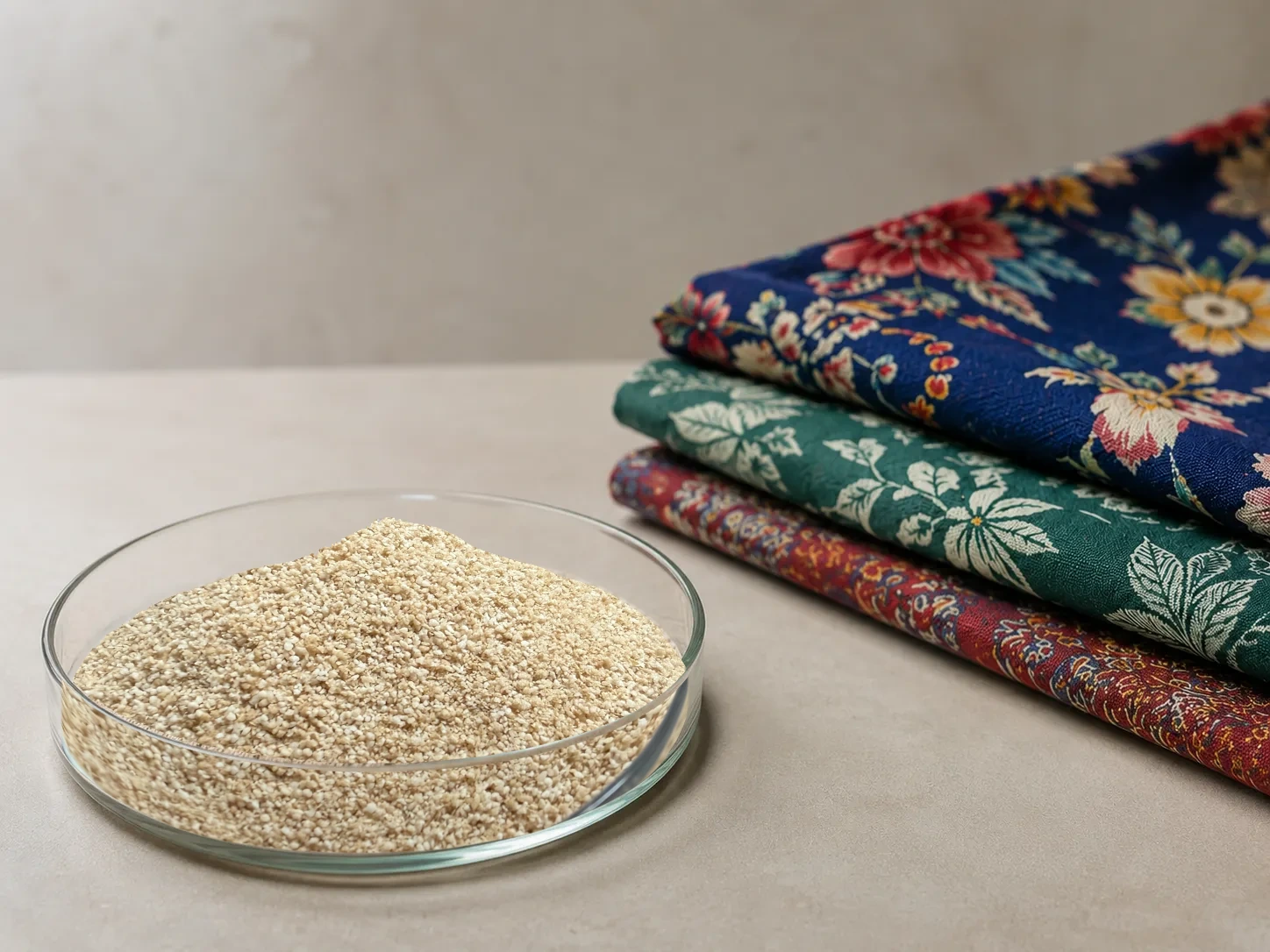
La granulométrie (maillage) de l'alginate de sodium influe sur la vitesse de dissolution de la poudre, l'uniformité de son hydratation et les performances de la pâte obtenue en sérigraphie. Ce guide explique les implications pratiques du choix du maillage pour les applications de pâte d'impression textile.
Dans l'impression textile aux colorants réactifs, une préparation correcte de la pâte est tout aussi importante que le choix de la qualité du tissu. Ce guide aborde les méthodes de dissolution de l'alginate de sodium, les plages de concentration en fonction de l'application, les conditions de stockage, ainsi que la manière de résoudre les problèmes courants liés à la préparation.
Les spécifications de pureté de l'alginate de sodium ne se résument pas à un simple chiffre. Ce guide explique ce que signifient les données relatives à la teneur en substance active, au NaCl, aux matières insolubles et aux métaux lourds pour les performances des pâtes d'impression textile — et dans quels cas il est préférable de privilégier une pureté supérieure à celle d'un produit de qualité industrielle standard.
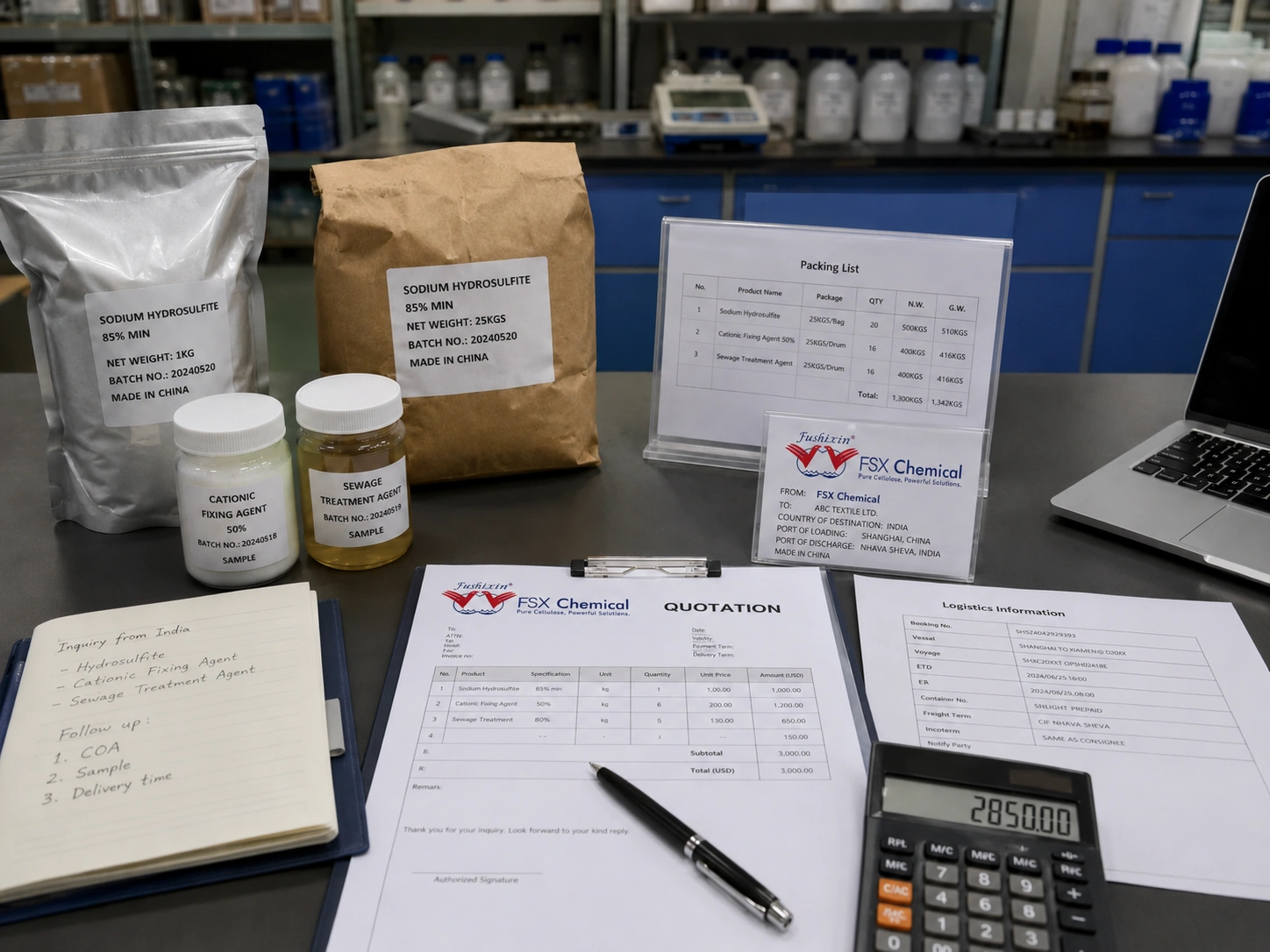
Veuillez nous communiquer le nom du produit, son application, la quantité, la destination, ainsi que toute fiche technique (TDS),
photo ou document dont vous disposez déjà. FSX Chemical examinera ces
informations et vous recommandera la marche à suivre pour obtenir un devis, trouver un échantillon correspondant
ou choisir un produit.
Informations sur le produitNom du produit, référence, modèle, photo de l'étiquette ou référence du fournisseur.
Documents disponiblesFiche technique (TDS), fiche de données de sécurité (SDS), certificat d'analyse (COA), photo d'exemple, liste des produits ou données d'essai.
Détails de la commandeQuantité estimée, conditionnement, pays de destination, port ou conditions commerciales.
Demande ou problèmeProcédé d'impression textile, besoins en matière de formulation, problème actuel ou performances visées.

 FR
FR  EN
EN  BN
BN  ES
ES  TR
TR  ID
ID  RU
RU  AR
AR  UR
UR  VI
VI  TL
TL  HI
HI  UK
UK  KK
KK  KA
KA  UZ
UZ