EN
EN  BN
BN  UR
UR  TR
TR  ID
ID  RU
RU  AR
AR 
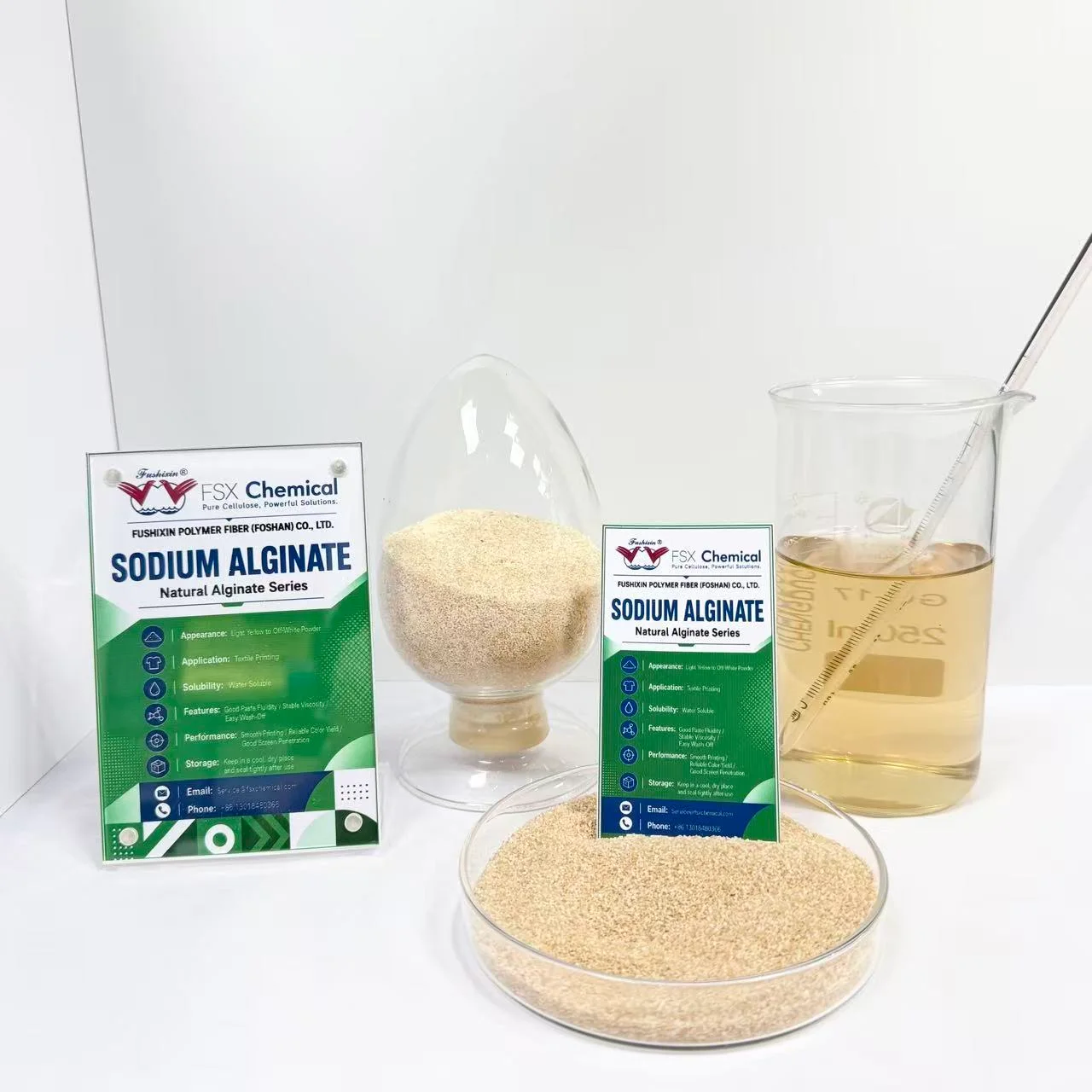
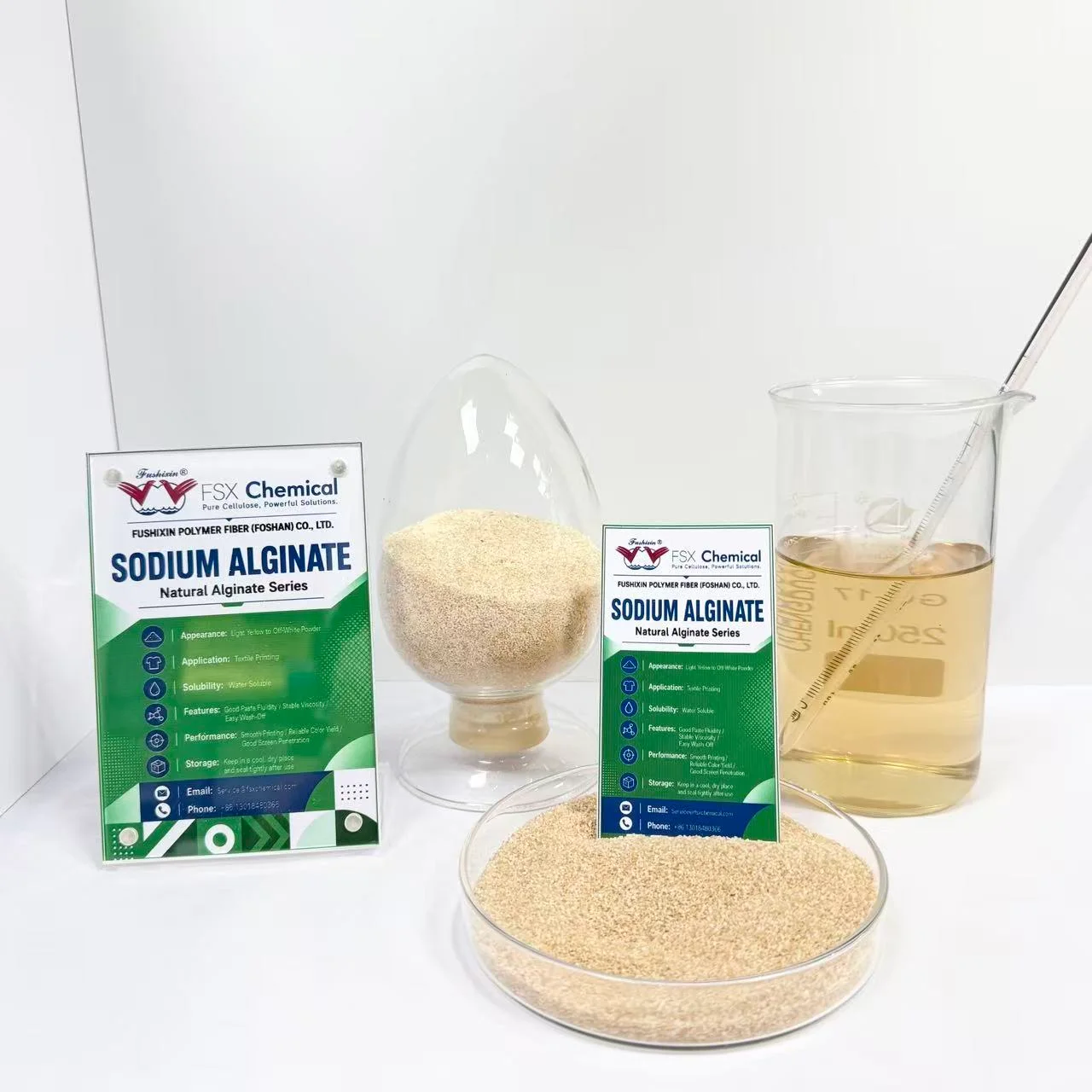
This guide explains how buyers can evaluate sodium alginate suppliers before purchase and what information should be confirmed before requesting a bulk quotation.
Start with the Application, Not Only the Supplier Name
Confirm the Actual Use Before Asking for a Quote
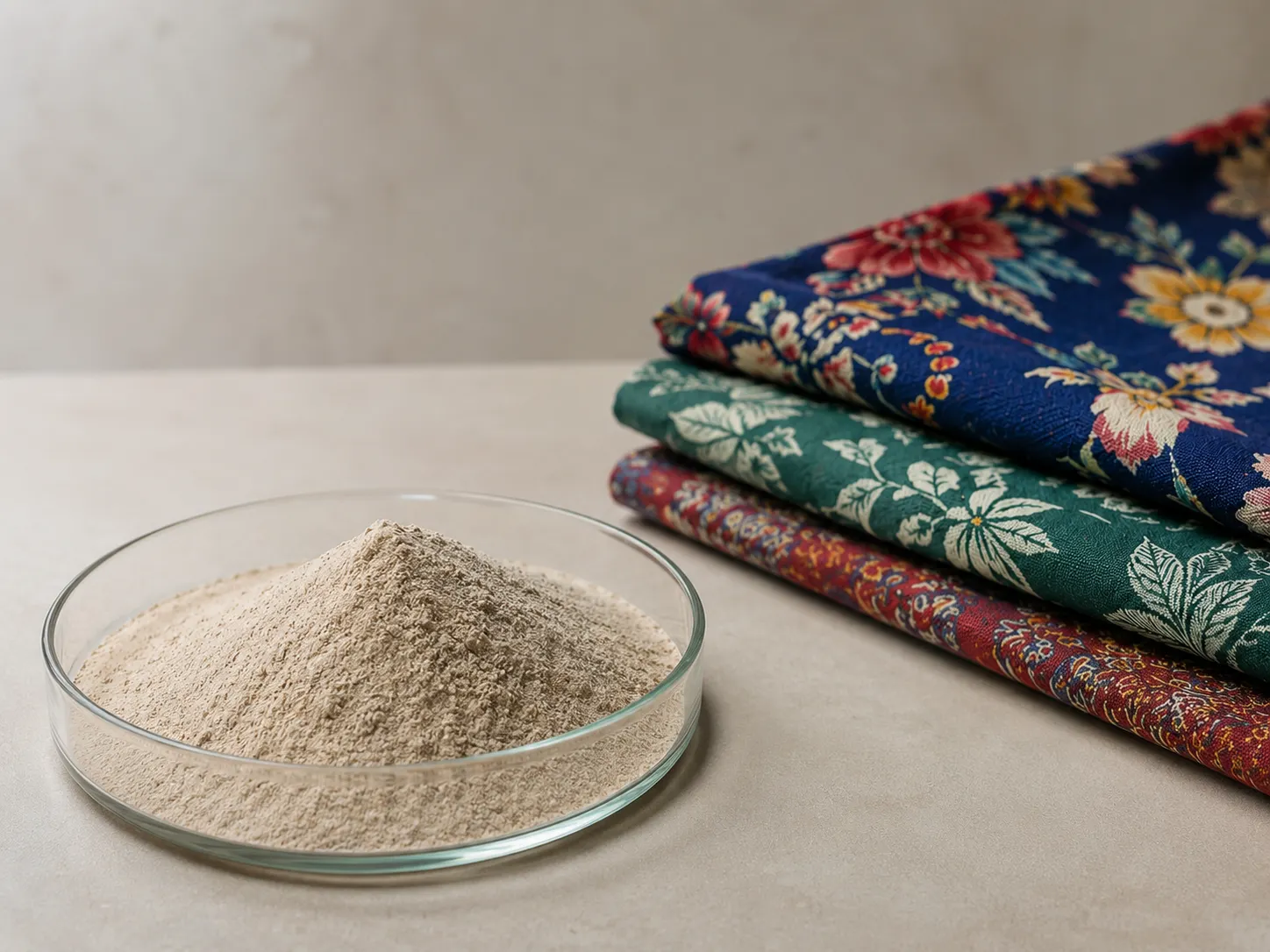
Before deciding where to buy sodium alginate, buyers should define the application clearly. Textile reactive printing paste, screen printing, rotary printing, digital printing pretreatment, and related formulation systems may require different viscosity and handling behavior.
A supplier can only recommend a practical grade when the buyer provides enough application details.
Share the Target Viscosity and Process Conditions
Useful information includes target viscosity, test concentration, printing method, fabric type, dye system, paste preparation method, water quality, and current product grade if available.
This information helps the supplier narrow down the sodium alginate grade instead of sending a generic quotation.
Avoid Choosing Only by Price
Price is important, but a low unit price may not help if the product creates unstable viscosity, slow dissolution, filtration difficulty, or sample-to-bulk mismatch.
Buyers should compare price together with specifications, sample performance, COA data, packaging, and document support.
Key Specifications to Check Before Buying Sodium Alginate
Viscosity Grade and Testing Method
Viscosity is one of the most important parameters for sodium alginate used in textile printing paste. Buyers should check the viscosity range together with the test concentration, temperature, instrument method, and unit.
Without a clear test method, viscosity values from different suppliers may not be directly comparable.
Mesh Size and Dissolution Behavior
Mesh size can influence dispersion and hydration during paste preparation. However, actual dissolution behavior also depends on water quality, stirring speed, addition method, preparation time, and formulation conditions.
Buyers should test dissolution speed, lump formation, paste smoothness, and filtration behavior under their own conditions.
Moisture, pH and Appearance
Moisture, pH, and appearance are basic but important quality indicators. They affect storage, handling, internal quality control, and repeat purchasing.
These parameters should be reviewed in the TDS and confirmed through COA data for each production batch.
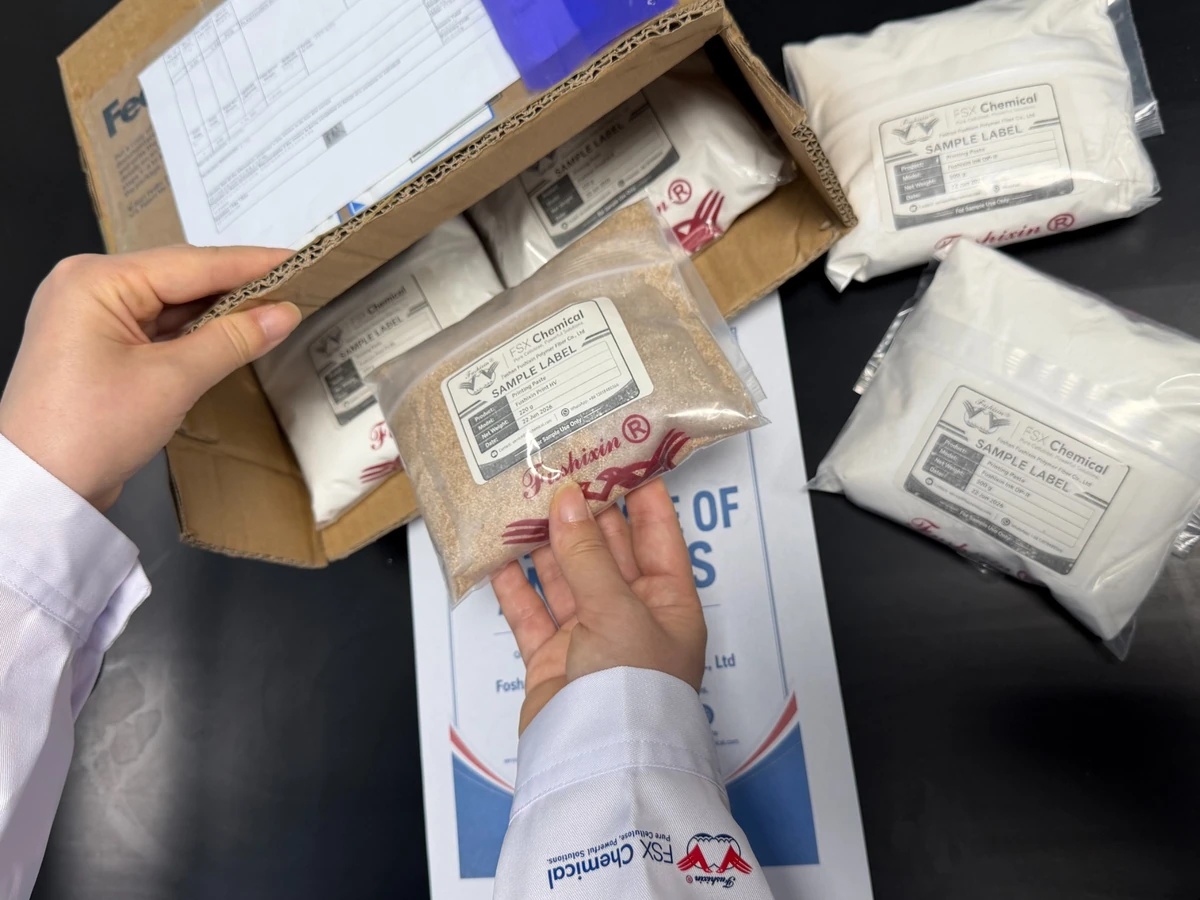
Sample-to-Bulk Consistency
This helps reduce the risk of sample approval but unstable production performance later.
Documents to Request from a Sodium Alginate Supplier
TDS for Specification Review
The Technical Data Sheet helps buyers review the standard product specification. It should include appearance, viscosity, mesh size, moisture, pH, storage conditions, and testing method.
The TDS supports initial grade screening, but it should not replace sample testing in the buyer’s own formulation.
COA for Batch Confirmation
The Certificate of Analysis confirms the actual data of a specific production batch. It is important for bulk orders, repeat purchasing, distributor supply, and internal quality control.
Buyers can compare COA records across shipments to check whether key parameters remain within the agreed range.
SDS for Handling and Shipment Review
The Safety Data Sheet supports handling, storage, transport, and internal safety review. For international purchasing, SDS may also be needed for shipment and customs-related communication.
Buyers should make sure the SDS product name and supplier information match the order documents.
Additional Customer or Compliance Documents
If the buyer needs restricted-substance statements, environmental documents, customer audit questionnaires, or third-party certification support, those requirements should be discussed before order confirmation.
A practical supplier should clearly explain which documents can be provided and which claims require formal third-party testing or certification.
How to Test Sodium Alginate Before Bulk Purchase
Test in the Actual Printing Paste
Sample testing should be done in the buyer’s own paste formulation whenever possible. Dyes, auxiliaries, water quality, pH, stirring method, paste concentration, and standing time can all affect final paste behavior.
Testing only in clean water may not be enough to confirm whether the sodium alginate grade is suitable for production.
Observe Practical Production Behavior
During testing, buyers should observe dissolution speed, paste smoothness, lump formation, filtration behavior, viscosity stability, screen passing, and application handling.
These practical observations are often as important as the specification data shown in the TDS.
Compare Against the Current Product
If the buyer is replacing an existing sodium alginate or another thickener, the new sample should be tested against the current product under the same conditions.
This helps the buyer evaluate whether the new grade is technically suitable before discussing bulk supply.
What to Confirm in a Bulk Quotation
Grade and Specification Range
The quotation should clearly connect the offered grade with the agreed specification range. Buyers should confirm viscosity range, testing method, packaging, and COA requirements before placing an order.
Packaging and Label Requirements
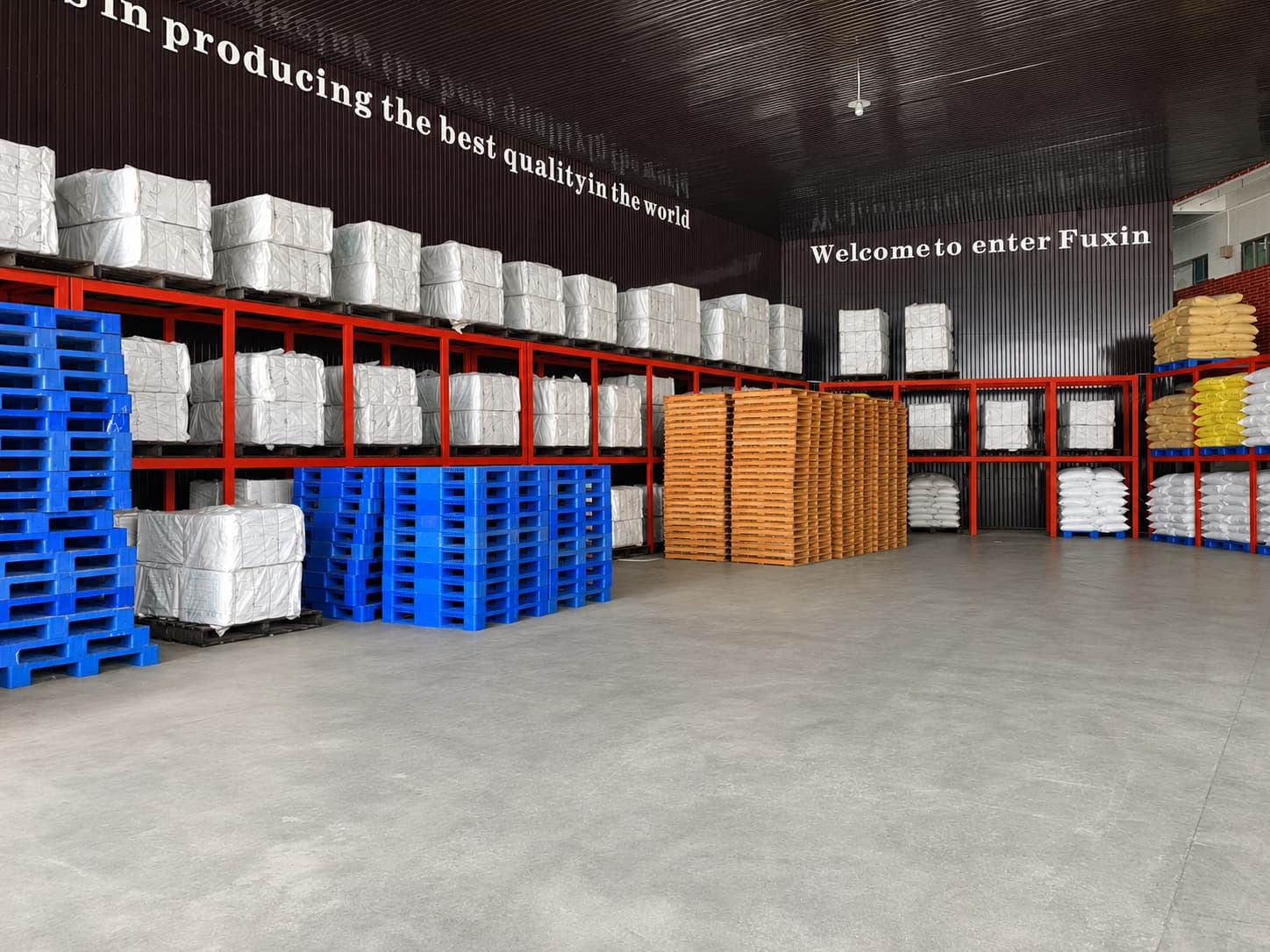
Packaging size, bag type, net weight, pallet requirements, label information, batch number, and storage conditions should be confirmed before shipment.
If the buyer has distributor labels or special packaging requirements, these should be discussed before order confirmation.
Export Documents
For international purchasing, buyers may need invoice, packing list, COA, SDS, labels, and other export-related documents. The required document list may vary by destination country, product type, and internal purchasing process.
Document requirements should be confirmed before shipment to avoid delays in internal review or customs communication.
Lead Time and Shipping Terms
Lead time, shipping terms, payment terms, sample policy, and order quantity should be discussed clearly. Buyers should be cautious with broad claims such as “fast delivery” or “global supply” unless the terms are confirmed in the quotation.
Common Mistakes When Buying Sodium Alginate
Buying Without Sample Testing
A sodium alginate grade should be tested in the buyer’s own formulation before bulk purchase, especially when replacing an existing product.
Ignoring the Viscosity Test Method
Viscosity values measured under different concentrations, temperatures, or instruments may show different results. Buyers should check the method before comparing suppliers.
Accepting Broad Claims Without Documents
Claims such as “certified,” “eco-friendly,” “high-performance,” or “best price” should be supported by documents, agreed terms, or test data when they are important to the purchasing decision.
Not Confirming Batch Traceability
Batch traceability helps buyers manage quality control, repeat orders, and customer feedback. Buyers should confirm batch number, label information, and COA availability before bulk shipment.
How FSX Chemical Supports Sodium Alginate Buyers
Next Steps
- Share Your Application — tell us your printing process, fabric type, dye system, target viscosity, and current paste formulation.
- Request Grade Matching — ask for a suitable sodium alginate grade based on your production conditions.
- Request a TDS — review viscosity, mesh size, pH, moisture, appearance, storage conditions, and testing method.
- Request a COA — confirm whether batch data matches the agreed specification range before shipment.
- Request a Sample — test the recommended sodium alginate grade in your own paste preparation and printing conditions before confirming bulk orders.
- Confirm Quotation Details — check grade, specification range, packaging, order quantity, payment terms, shipment terms, and document requirements.
- Confirm Packaging and Export Documents — check bag size, labels, batch traceability, SDS, invoice, packing list, and other required documents before shipment.
- Contact Our Technical Team — discuss which sodium alginate grade is suitable for your textile printing or related formulation application. Email: Service@fsxchemical.com📧 Email: Service@fsxchemical.com