















ڈیجیٹل پرنٹنگ پری ٹریٹمنٹ · گاڑھا کرنے والا · انک جیٹ عمل
ڈیجیٹل ٹیکسٹائل پرنٹنگ کا پری ٹریٹمنٹ اور گاڑھا کرنے والا کیا ہے؟
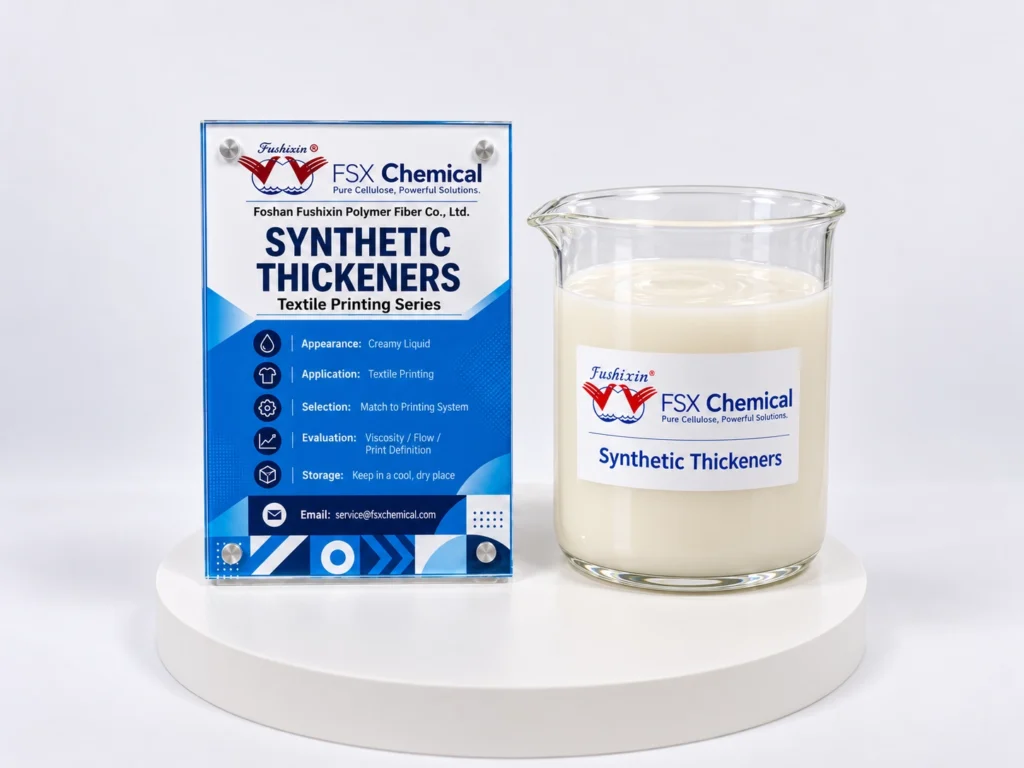
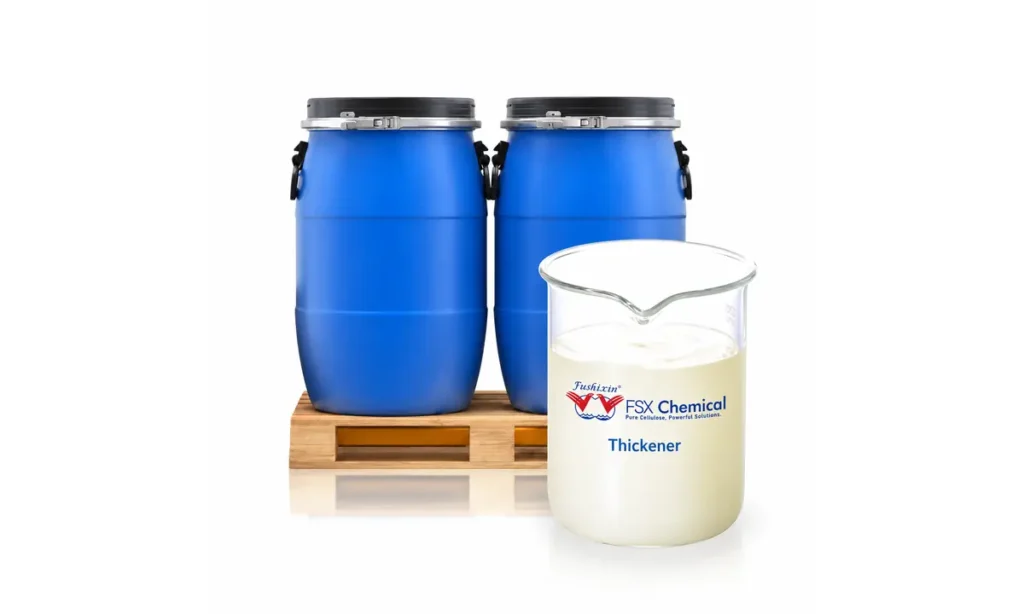
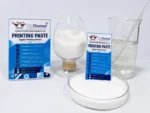
ڈیجیٹل ٹیکسٹائل پرنٹنگ پری ٹریٹمنٹ اور ڈیجیٹل پرنٹنگ تھکنر ٹیکسٹائل معاونات ہیں جو کپڑے کی سطح کی تیاری اور انک جیٹ پرنٹنگ کے دوران مائع، رئولوجی اور سیاہی کے رویے کو کنٹرول کرنے کے لیے استعمال ہوتے ہیں۔ مارکیٹ میں، ان مصنوعات کو ڈیجیٹل پرنٹنگ پیسٹ کے طور پر بھی بیان کیا جا سکتا ہے۔ مطلوبہ سسٹم سیاہی کی کیمسٹری، کپڑے، پری ٹریٹمنٹ کے عمل اور مطلوبہ پرنٹنگ کے نتیجے پر منحصر ہوتا ہے۔.
انک جیٹ پرنٹنگ سے قبل ڈیجیٹل پرنٹنگ کی پیش تیار کاری
بہت سے ڈیجیٹل ٹیکسٹائل پرنٹنگ کے عمل میں، انک جیٹ پرنٹنگ سے پہلے کپڑے پر پری ٹریٹمنٹ فارمولیشن لگائی جاتی ہے۔ انک سسٹم اور کپڑے کے مطابق، پری ٹریٹمنٹ گیلا پن، نمی کی تقسیم، سیاہی کے پھیلاؤ اور سطحی رویے کو کنٹرول کرنے میں مدد دے سکتی ہے تاکہ منتخب عمل کے حالات میں چھپی ہوئی تصویر بہتر وضاحت کے ساتھ ابھرے۔.
ریولوجی، فلٹریشن اور پرنٹ کی تعریف کیوں اہم ہیں
ڈیجیٹل پرنٹنگ تھکنر کا جائزہ ہموار پن، رئولوجی، استحکام، تحلیل یا پھیلاؤ کے رویے اور چھانٹنے کی موزونیت کے اعتبار سے لیا جانا چاہیے۔ ٹیکسٹائل انک جیٹ کے تجربات کے دوران خریداروں کو پری ٹریٹمنٹ کی یکسانیت، رنگ کے پھیلنے یا رِسنے، پرنٹ کے کناروں کی وضاحت، رنگ کے مظاہرے اور اصل کپڑے اور سیاہی کے نظام کے ساتھ مطابقت کا بھی جائزہ لینا چاہیے۔.
ڈیجیٹل انک جیٹ پری ٹریٹمنٹ بمقابلہ روایتی پرنٹنگ پیسٹ
ڈیجیٹل ٹیکسٹائل پرنٹنگ میں ہمیشہ روایتی سکرین پرنٹنگ پیسٹ کی طرح گاڑھا کرنے والا مادہ استعمال نہیں ہوتا۔ بہت سے انک جیٹ ورک فلو میں، گاڑھا کرنے یا پری ٹریٹمنٹ کا نظام روایتی رنگ کے پیسٹ کی طرح سیاہی کے ساتھ ملانے کے بجائے پرنٹنگ سے پہلے کپڑے پر لگایا جاتا ہے۔ لہٰذا، بالکل درست تیاری کا طریقہ کار پرنٹنگ کے عمل، سیاہی کی کیمسٹری اور طریقۂ استعمال کے مطابق منتخب کیا جانا چاہیے۔.
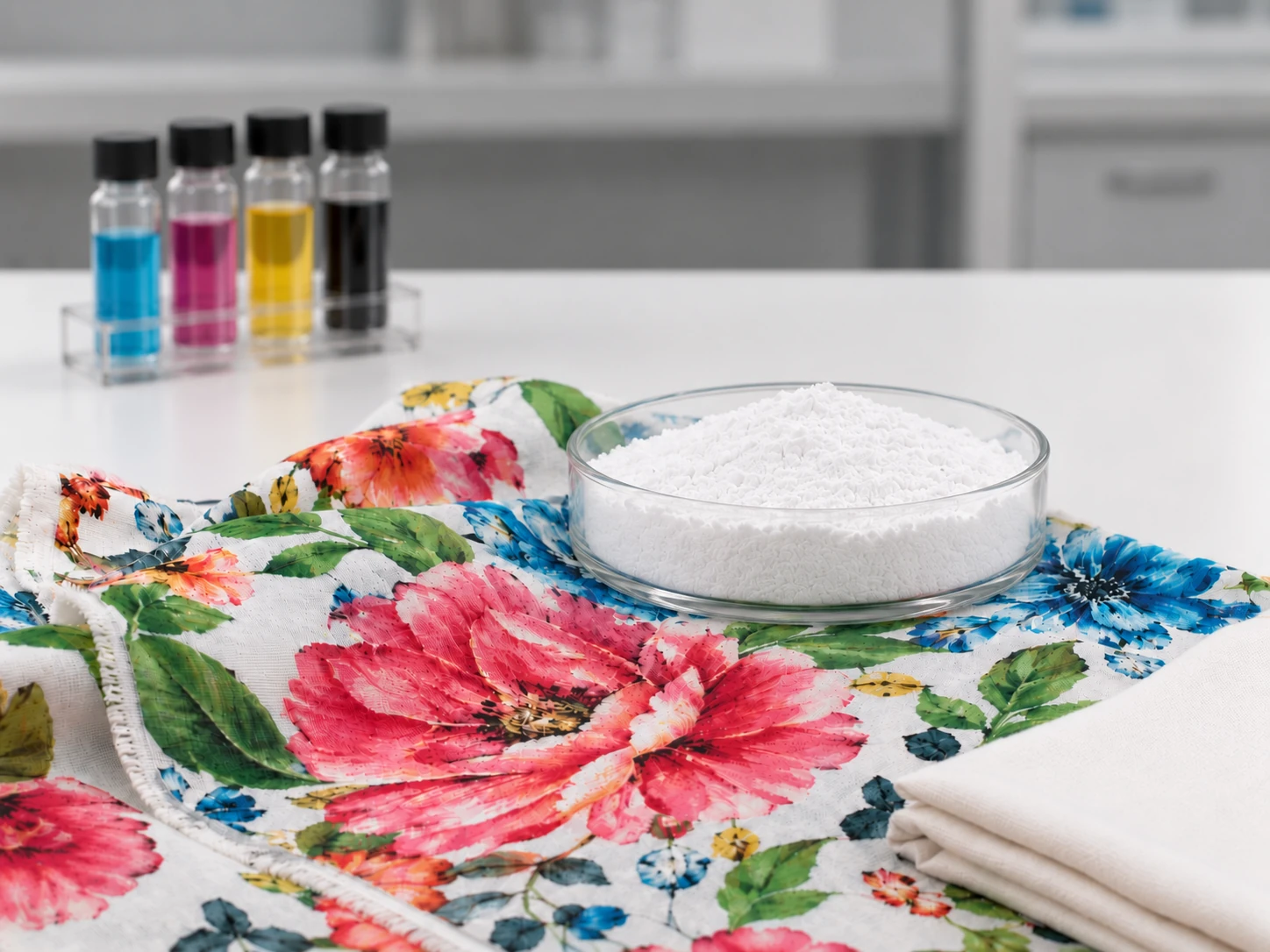
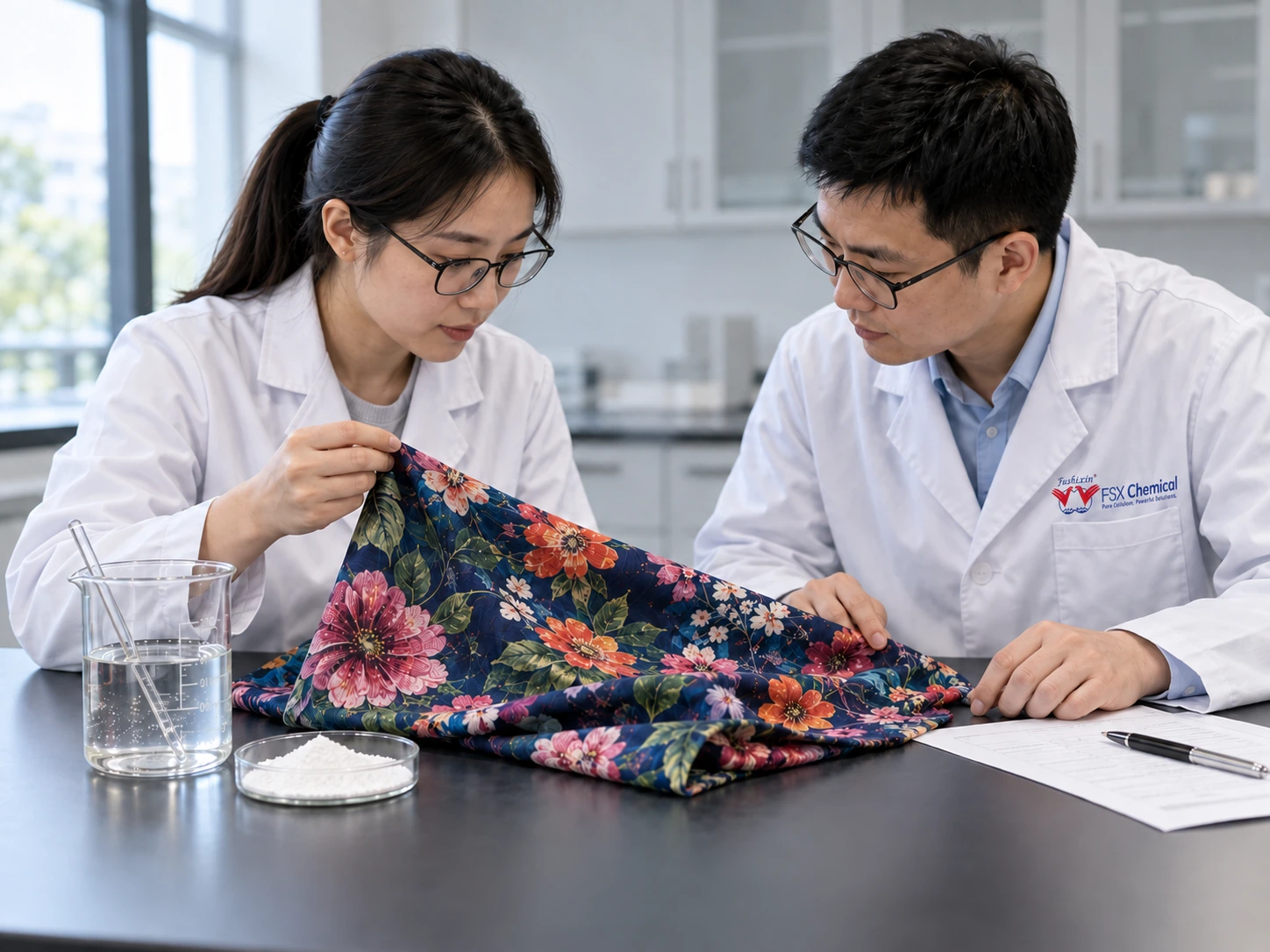
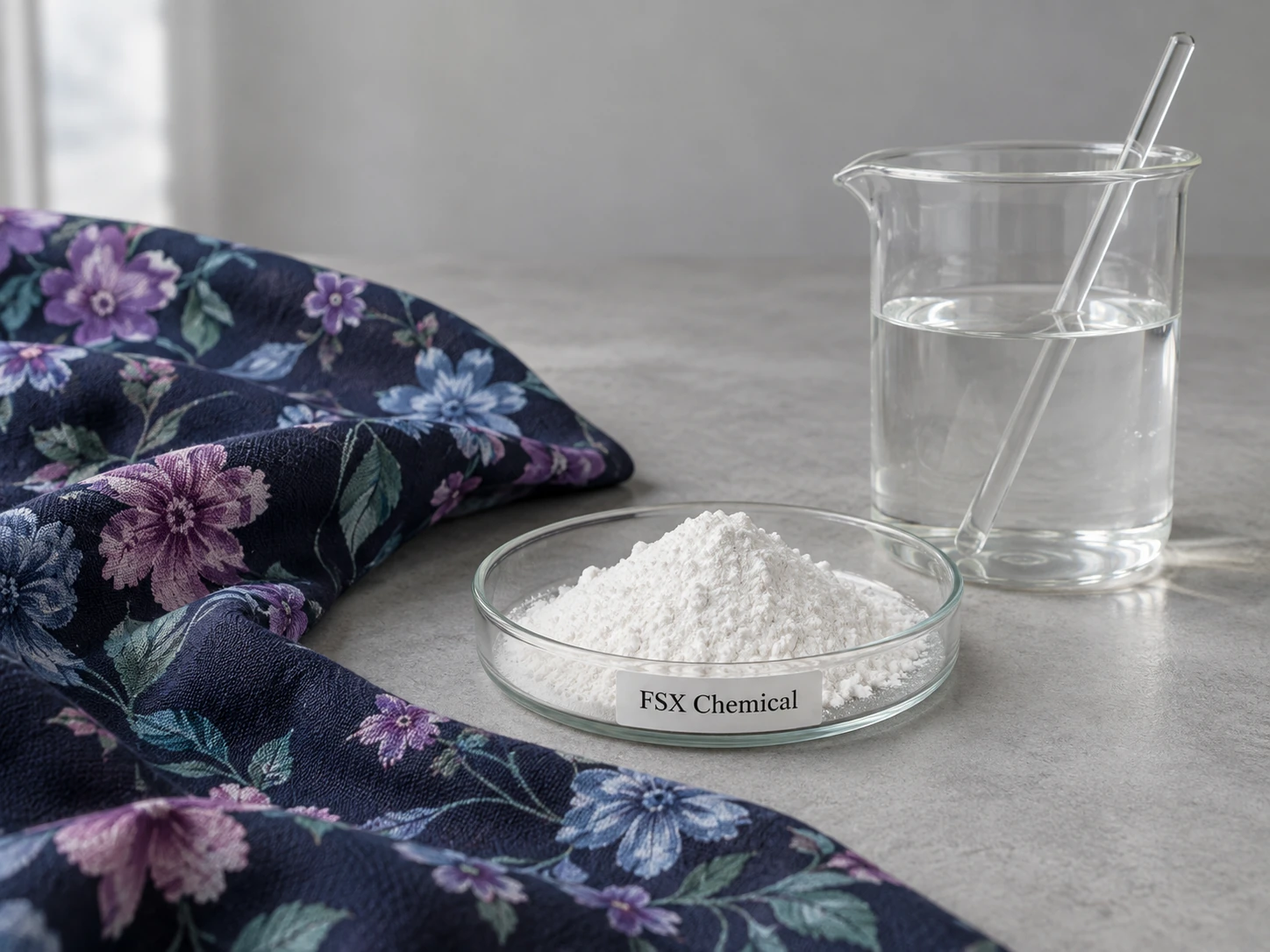 ڈیجیٹل ٹیکسٹائل پرنٹنگ · پری ٹریٹمنٹ لیب ٹرائل
انک جیٹ کے اطلاق کے راستے · سیاہی اور کپڑے کا ملاپ
ری ایکٹیو، ڈسپرز اور پگمنٹ انک جیٹ کے لیے ڈیجیٹل ٹیکسٹائل پرنٹنگ کی پری ٹریٹمنٹ
سیاہی کی کیمسٹری، کپڑے کی قسم اور پرنٹنگ کے عمل کے مطابق ڈیجیٹل پرنٹنگ کے لیے گاڑھا کرنے والا یا پری ٹریٹمنٹ راستہ منتخب کریں۔ ری ایکٹیو انک جیٹ، ڈسپرز انک جیٹ اور پگمنٹ ڈیجیٹل پرنٹنگ کے لیے مختلف پری ٹریٹمنٹ، خوراک اور اطلاق کے حالات درکار ہوتے ہیں، لہٰذا حتمی مصنوعات کے راستے کی تصدیق لیبارٹری اور پرنٹنگ ٹرائلز کے ذریعے کی جانی چاہیے۔.
 ردعمل کرنے والا انک جیٹ · سیلولوزک کپڑے
کپاس اور وِسکوَس کے لیے ردعمل پر مبنی انک جیٹ پری ٹریٹمنٹ
ڈی پی-آر کاٹن، وِسکو س، لائوسل، موڈل اور دیگر موزوں سیلولوزک کپڑوں پر ری ایکٹیو ڈیجیٹل ٹیکسٹائل پرنٹنگ پری ٹریٹمنٹ کے لیے FSX کا ابتدائی راستہ ہے۔ آزمائشوں میں پری ٹریٹمنٹ کی یکسانیت، ریولوجی، سیاہی کی منتقلی، رنگ کے پھیلنے کا کنٹرول، پرنٹ کی وضاحت اور حتمی رنگ کی کارکردگی کا جائزہ لیا جانا چاہیے۔.
- انک سسٹم
- ردعمل کرنے والی انک جیٹ سیاہی
- کپڑوں کا راستہ
- کپاس · وِسکووس · لائیوسل · ماڈل
- مقدمے کا مرکز
- خون بہنے کا کنٹرول · تعریف پرنٹ کریں · رنگ کا نتیجہ
 انک جیٹ بکھیرنا · پالئیےسٹر
پولی ایسٹر کے لیے انک جیٹ پری ٹریٹمنٹ کو منتشر کریں
DP-D پالئیےسٹر اور موزوں پالئیےسٹر مکسچر کپڑوں پر ڈسپرز انک جیٹ پرنٹنگ کے لیے FSX کا ابتدائی راستہ ہے۔ پری ٹریٹمنٹ کے تجربات میں ڈسپرزن، فلٹریشن، کپڑے کی پک اپ، خشک کرنے اور فکسیشن کے حالات کے ساتھ ساتھ پرنٹ کی تیزی اور عمل کے مطابقت کو مدنظر رکھنا چاہیے۔.
- انک سسٹم
- انک جیٹ کی سیاہی کو منتشر کریں
- کپڑوں کا راستہ
- پالئیےسٹر · موزوں پالئیےسٹر مرکبات
- مقدمے کا مرکز
- تفرق · چھانٹائی · عمل کے ساتھ مطابقت
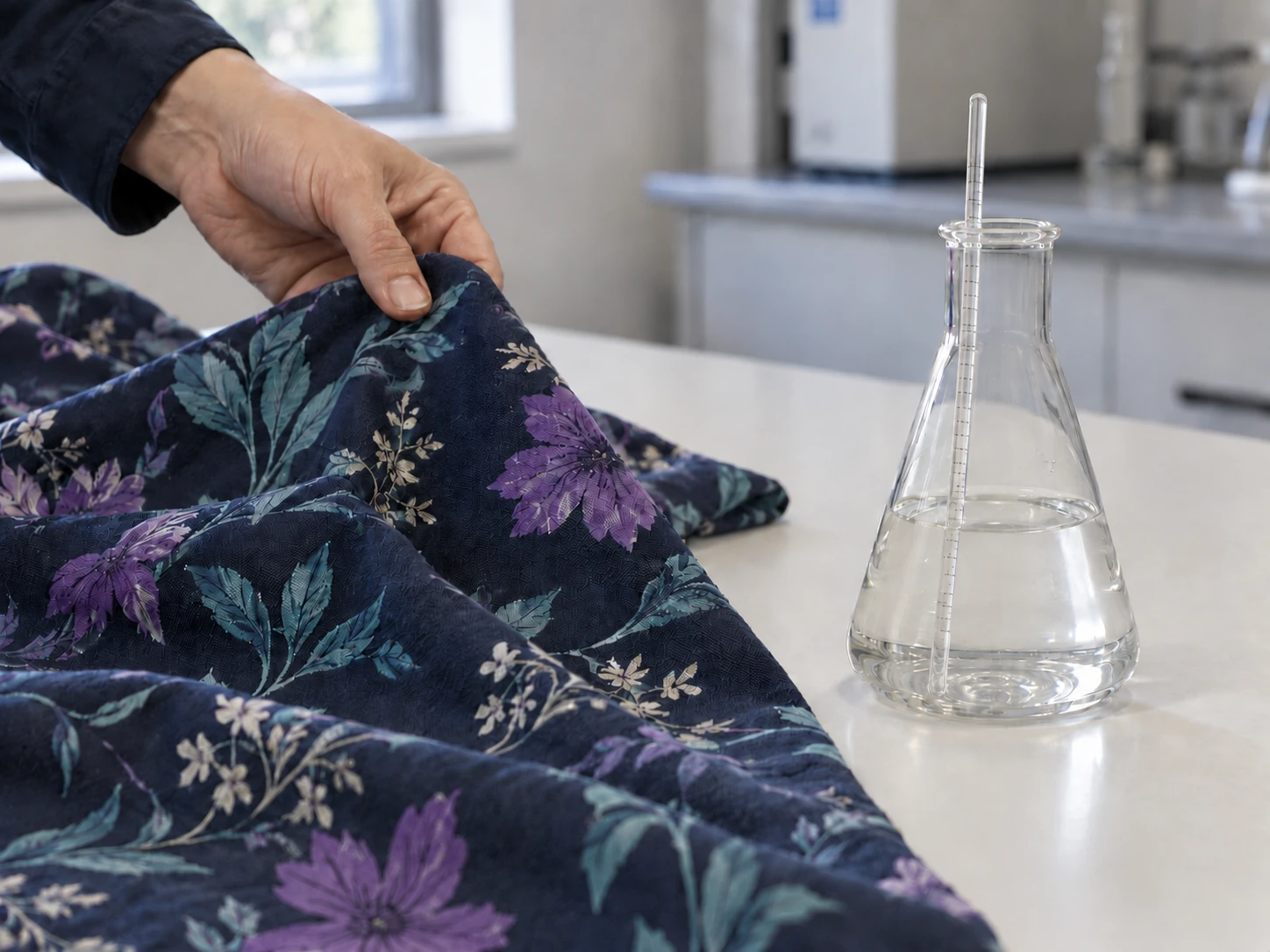 پگمنٹ انک جیٹ · بائنڈر سسٹم
پگمنٹ ڈیجیٹل پرنٹنگ گاڑھا کرنے والا اور پری ٹریٹمنٹ
DP-P رنگین ڈیجیٹل ٹیکسٹائل پرنٹنگ سسٹمز کے لیے FSX کا ابتدائی راستہ ہے جہاں پری ٹریٹمنٹ کی کارکردگی کا جائزہ پگمنٹ انک، بائنڈر مطابقت، کیورنگ کے حالات، پرنٹ کی وضاحت، رنگین مضبوطی اور تیار شدہ کپڑے کے ہینڈ فیل کے ساتھ مل کر لیا جانا چاہیے۔.
- انک سسٹم
- پگمنٹ انک جیٹ سیاہی
- عمل کا راستہ
- پگمنٹ انک · بانڈر کے موافق نظام
- مقدمے کا مرکز
- پائیداری · ہاتھ میں محسوس ہونے والا احساس · بائنڈر مطابقت
پرنٹنگ ٹرائل کا جائزہ · پیش علاج · پرنٹ کی کارکردگی
ڈیجیٹل ٹیکسٹائل پرنٹنگ کے عام مسائل اور کیا جانچنا چاہیے
جب ڈیجیٹل ٹیکسٹائل پرنٹنگ کے ٹرائل میں رنگ کا پھیلنا، کمزور پرنٹ کی وضاحت، فلٹریشن کے مسائل یا غیر مستحکم حتمی کارکردگی نظر آئے، تو صرف ایک پیرامیٹر کو تبدیل کرنے کے بجائے پری ٹریٹمنٹ، گاڑھا کرنے والا مادہ، کپڑا، سیاہی کا نظام اور عمل کے حالات کو مجموعی طور پر جانچیں۔.
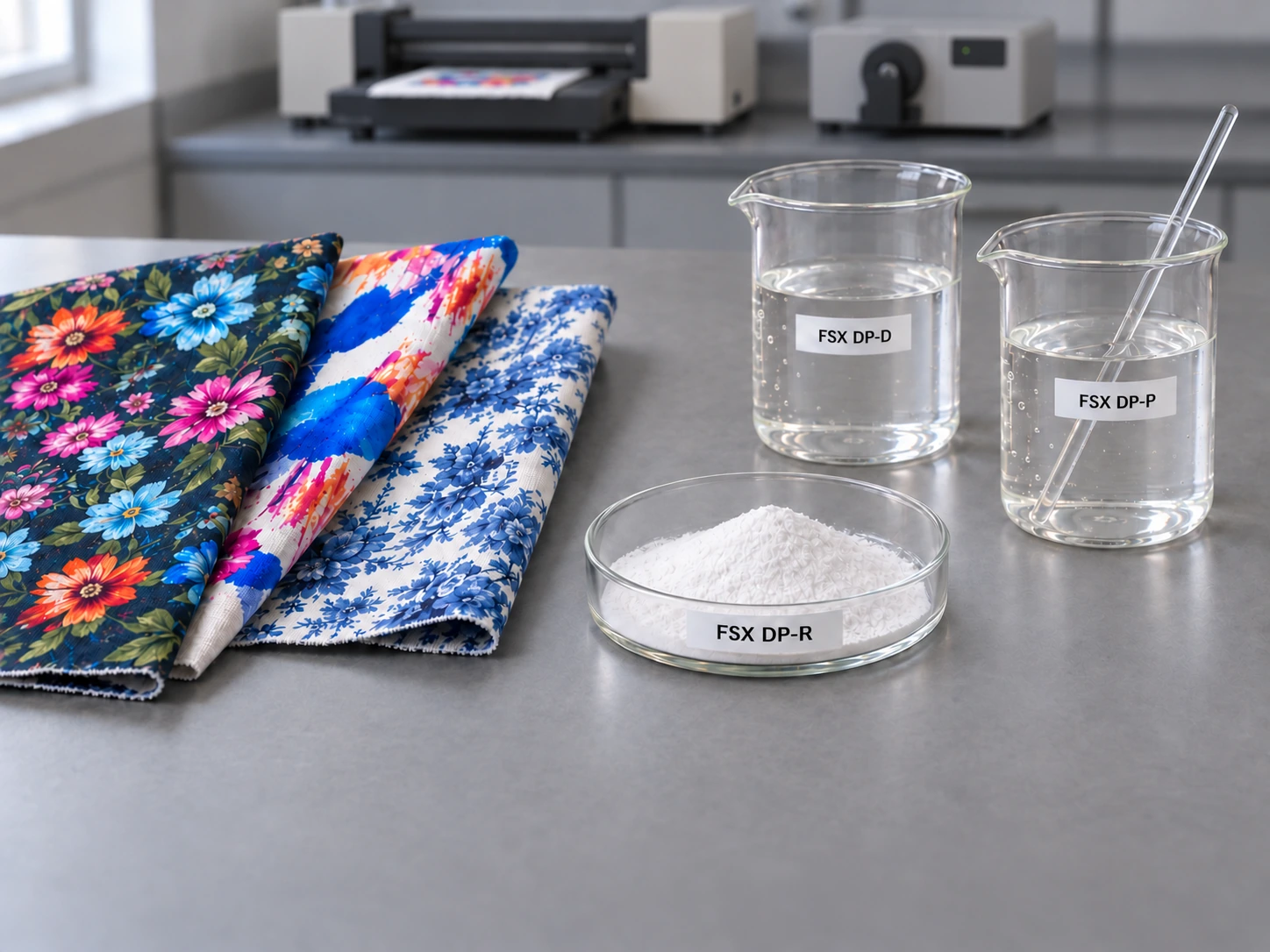
خون بہنا · سیاہی پھیلنا
پری ٹریٹمنٹ کی یکسانیت اور مائع کے کنٹرول کی جانچ کریں۔
اگر پرنٹ شدہ کنارے پھیل جائیں یا ضرورت سے زیادہ رساؤ ہو تو پری ٹریٹمنٹ پک اپ اور یکسانیت، تھکنر کی خوراک، ریولوجی، کپڑے کی گیلا کرنے اور خشک کرنے کے حالات کا جائزہ لیں۔ درست ایڈجسٹمنٹ انک سسٹم، کپڑے اور پرنٹنگ کے عمل پر منحصر ہے۔.
چھپائی کی تعریف · کنارے کی تیزی
سطح کی تیاری اور پرنٹنگ کے حالات کا جائزہ
خراب پرنٹ کی وضاحت غیر یکساں پری ٹریٹمنٹ، کپڑے کی سطح کے رویے، سیاہی کی مقدار، ریولوجی اور خشک کرنے یا فکس کرنے کے حالات سے متاثر ہو سکتی ہے۔ فارمولیشن تبدیل کرنے سے پہلے آزمائشی نمونوں کو ایک ہی پرنٹنگ سیٹنگز میں موازنہ کریں۔.
فلٹریشن · باقیات · استحکام
تیاری، پھیلاؤ اور عمل کی استحکام کا جائزہ لیں۔
جب چھانائی کے بعد باقیات، ناقص پھیلاؤ یا عدم استحکام دیکھا جائے تو حتمی اطلاق کے نتیجے کا جائزہ لینے سے پہلے تیاری کے حالات، تحلیل یا پھیلاؤ کے رویے، چھانائی کے طریقہ کار، پانی کے معیار، کام کے اوقات اور آلودگی کے کنٹرول کو چیک کریں۔.
رنگ · رنگت کی پائیداری · ہاتھ کا احساس
مکمل فکسیشن اور فنشنگ کے راستے کی تصدیق کریں۔
حتمی رنگ کا مظاہرہ، رنگت کی پائیداری اور کپڑے کا ہاتھ محسوس پریتریٹمنٹ کے گاڑھا کرنے والے مادے سے زیادہ عوامل پر منحصر ہوتا ہے۔ سیاہی کے راستے کے مطابق فکسیشن، کیورنگ یا دھونے کے حالات کا جائزہ لیں، اور پگمنٹ پرنٹنگ کے لیے بائنڈر کی مطابقت اور کیورنگ کی کارکردگی کا بھی اندازہ لگائیں۔.
ایک وقت میں ایک قابو شدہ متغیر تبدیل کریں اور مماثل کپڑے، سیاہی، خوراک اور عمل کے حالات کے تحت نمونوں کا موازنہ کریں۔.
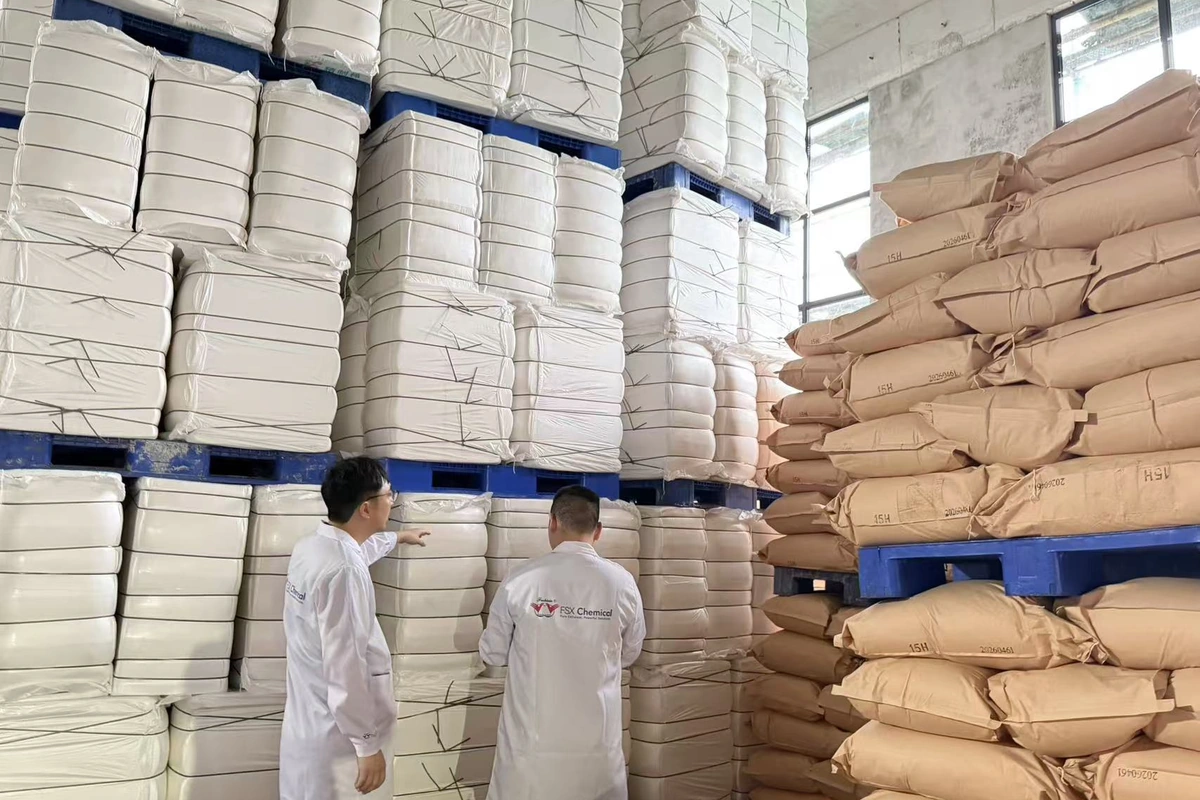
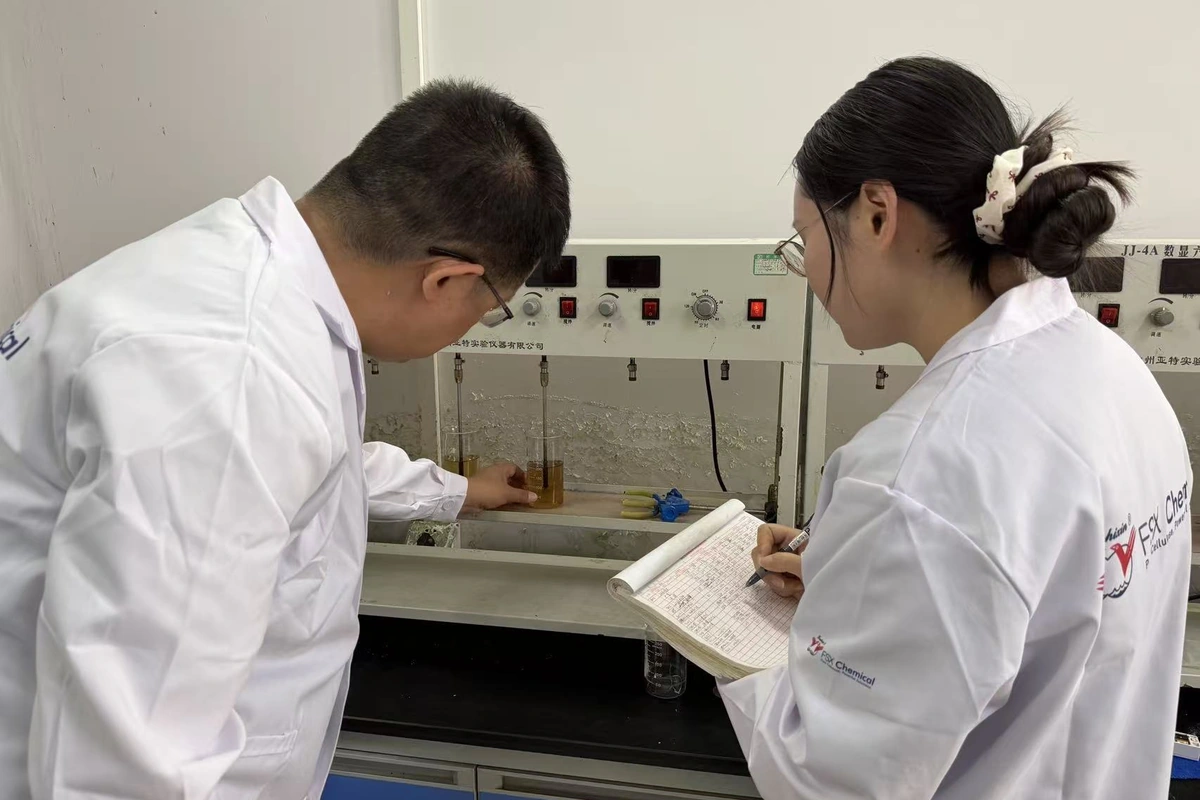
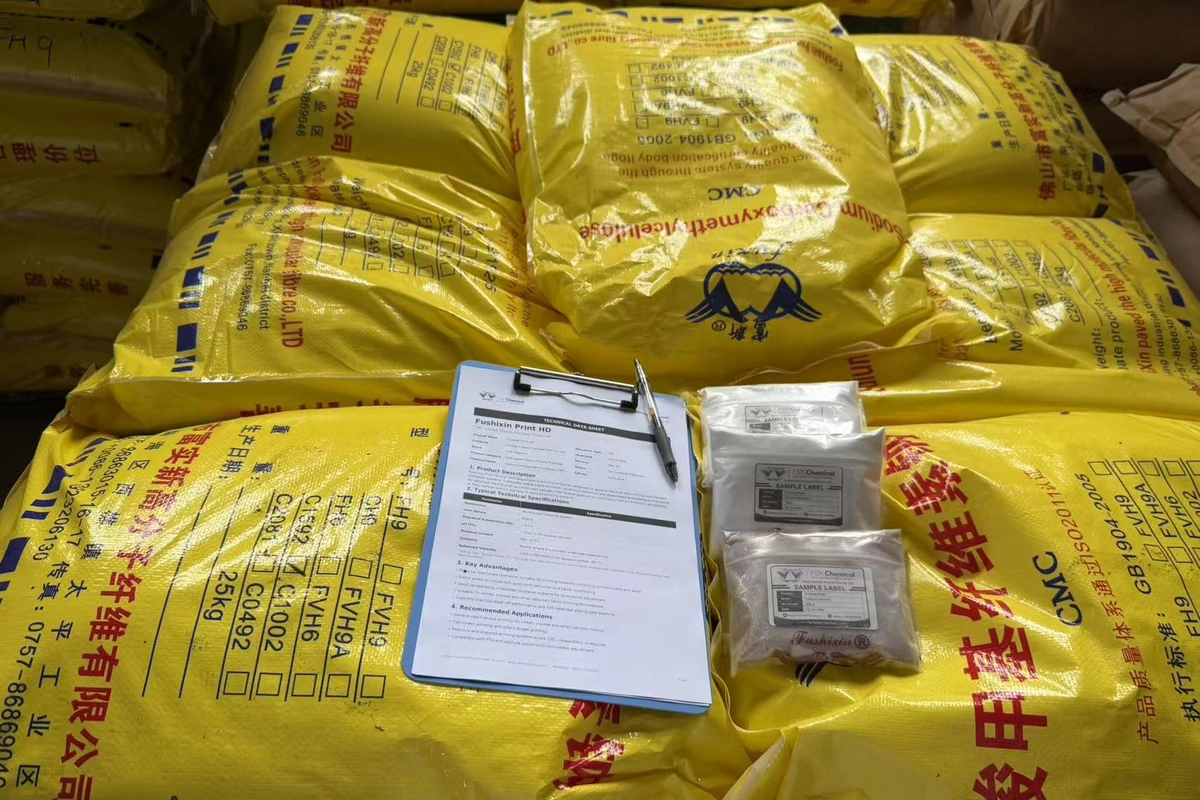
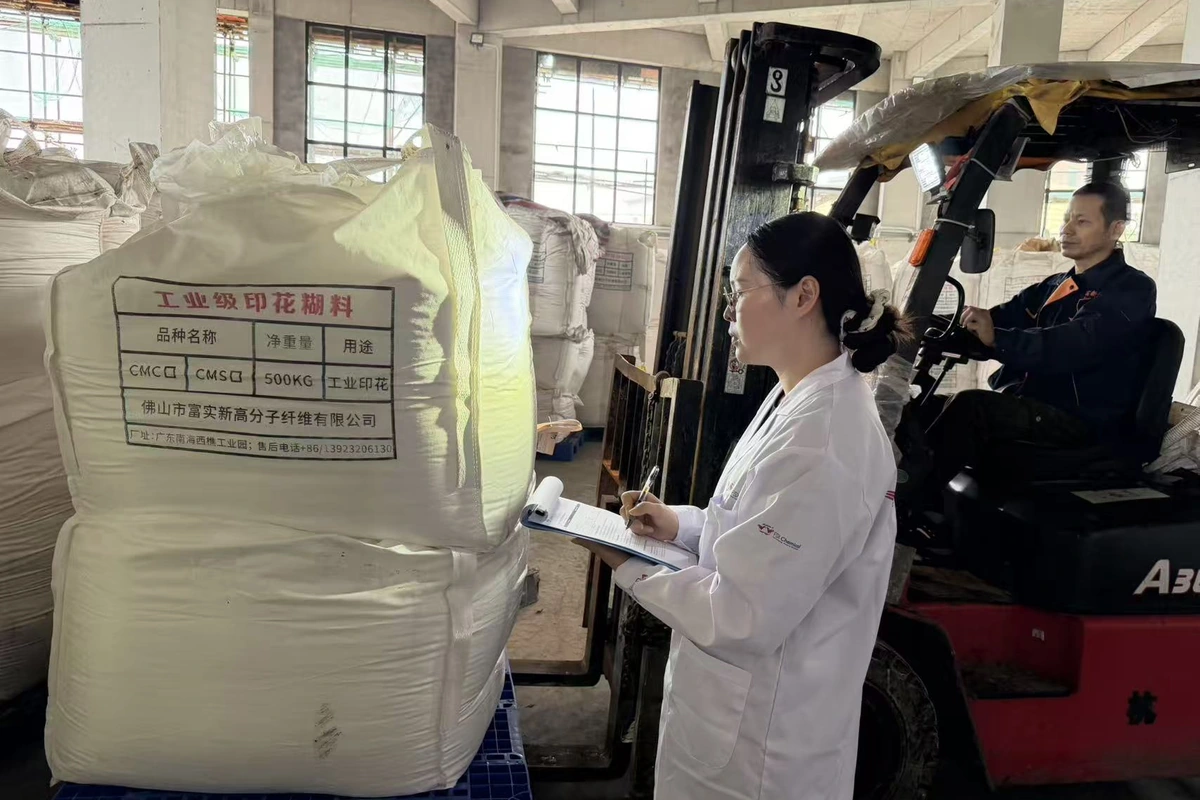
فیکٹری / لیب / کوالٹی کنٹرول کا ثبوت
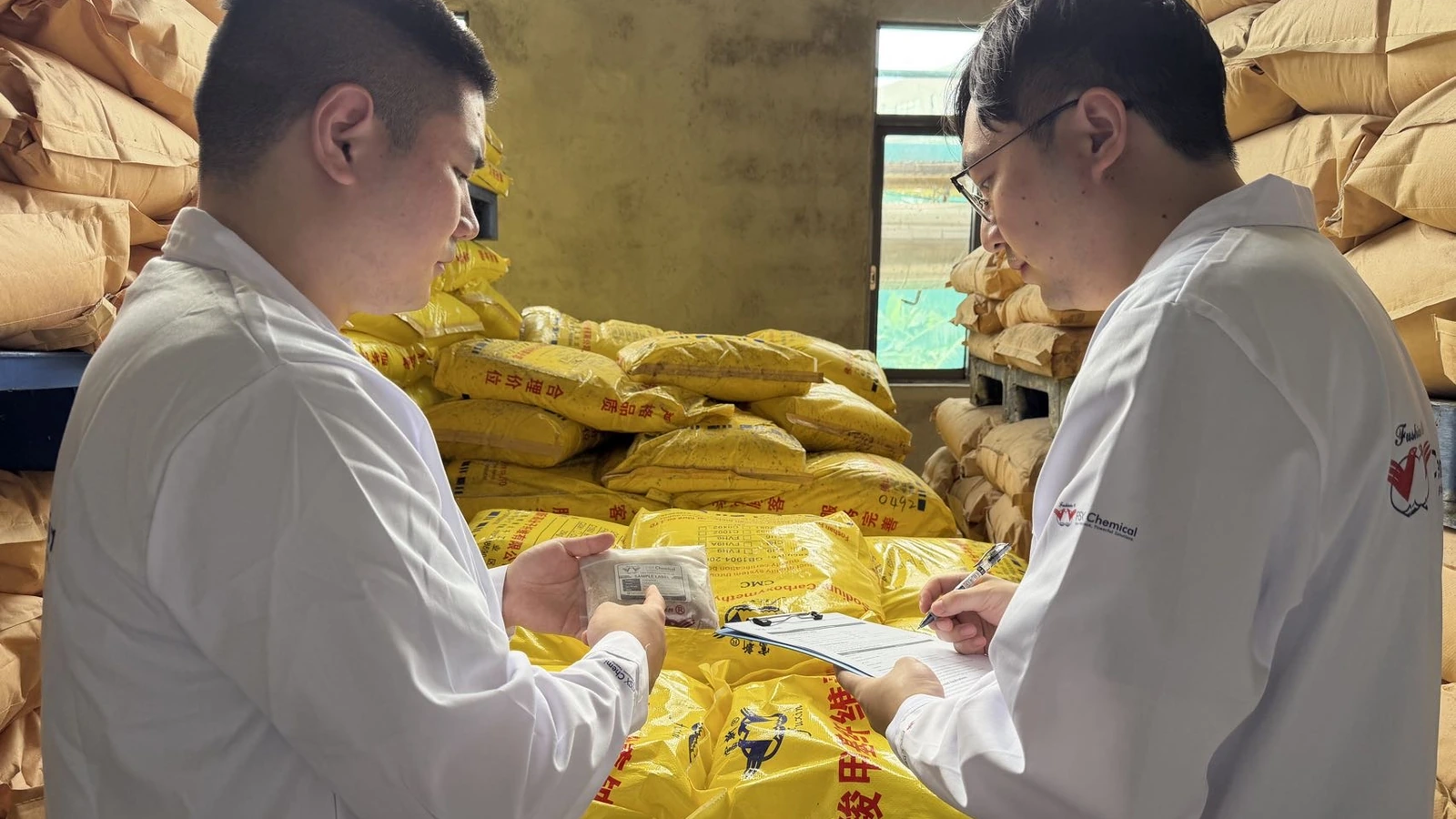
فیکٹری، لیب اور کوالٹی کنٹرول کا ثبوت
سیمپل کے جائزے سے پہلے ڈیجیٹل پرنٹنگ پیسٹ کی فراہمی کی صلاحیت کی تصدیق کے لیے حقیقی پیداوار، ٹیسٹنگ، دستاویز اور پیکنگ کی تصاویر استعمال کریں۔.
خریدار کے سوالات · آزمائشی جائزہ · تکنیکی دستاویزات
ڈیجیٹل ٹیکسٹائل پرنٹنگ پری ٹریٹمنٹ اور تھکنر کے بارے میں اکثر پوچھے جانے والے سوالات
ٹیکسٹائل پرنٹنگ کے خریداروں کے لیے عملی رہنمائی، جو ڈیجیٹل پرنٹنگ کے پری ٹریٹمنٹ یا تھکنر ٹرائل کی تیاری کر رہے ہیں، جس میں نمونوں کا جائزہ، حوالہ جاتی خوراک، پیداوار کی توثیق، تکنیکی دستاویزات اور بڑے پیمانے پر خریداری کی تیاری شامل ہے۔.
01 کیا میں تھوک خریداری سے پہلے ڈیجیٹل پرنٹنگ تھکنر کا نمونہ طلب کر سکتا ہوں؟
جی ہاں۔ تھوک خریداری سے پہلے لیبارٹری اور پرنٹنگ کے جائزے کے لیے ایک نمونہ فراہم کیا جا سکتا ہے۔ سیاہی کا نظام، کپڑا، موجودہ مصنوعات کی معلومات اور آزمائشی ہدف فراہم کرنے سے ایک زیادہ متعلقہ DP-R، DP-D یا DP-P کے آغاز کے راستے کی شناخت میں مدد ملتی ہے۔.
02 ڈیجیٹل پرنٹنگ کے ٹرائل کے لیے مجھے کون سی معلومات فراہم کرنی چاہئیں؟
ری ایکٹیو، ڈسپرز یا پگمنٹ انک سسٹم، کپڑا، موجودہ پری ٹریٹمنٹ یا گاڑھا کرنے والے کی تفصیلات، خوراک، پی ایچ، لاگو کرنے کا طریقہ، خشک کرنے یا فکس کرنے کے حالات اور وہ پرنٹنگ نتیجہ جو آپ جانچنا یا بہتر کرنا چاہتے ہیں۔.
03 کیا میں ایک ہی ٹرائل میں ایک سے زیادہ ڈیجیٹل پرنٹنگ مصنوعات کے راستوں کا جائزہ لے سکتا ہوں؟
جی ہاں۔ جب ایک سے زیادہ مصنوعات کی ہدایات تکنیکی طور پر متعلقہ ہوں، تو نمونوں کا ایک ساتھ موازنہ کیا جا سکتا ہے۔ ایک ہی کپڑا، سیاہی، تیاری کا طریقہ اور پرنٹنگ کے حالات استعمال کریں تاکہ پری ٹریٹمنٹ کے رویے اور حتمی پرنٹ کی کارکردگی میں فرق کو زیادہ قابلِ اعتماد طریقے سے جانچا جا سکے۔.
04 مجھے نمونہ جانچ کے دوران حوالہ جاتی خوراک کیسے استعمال کرنی چاہیے؟
حوالہ جاتی خوراک کو ایک مقررہ عالمی فارمولہ کے بجائے ایک ابتدائی حد کے طور پر سمجھا جانا چاہیے۔ حتمی خوراک کو مصنوعات کے استعمال کے راستے، کپڑے کی گرفت، اطلاق کے طریقہ کار، سیاہی کے نظام، ہدف پرنٹ کی تعریف اور حقیقی پیداواری حالات کے مطابق ایڈجسٹ کرنے کی ضرورت پڑ سکتی ہے۔.
05 اگر لیبارٹری اور پیداوار کے نتائج مختلف ہوں تو مجھے کیا چیک کرنا چاہیے؟
کپڑے کی حالت، پری ٹریٹمنٹ پک اپ، تیاری کے مراحل، پانی کے معیار، خوراک، پی ایچ، خشک کرنے کا عمل، پرنٹنگ سیٹنگز اور فکسیشن یا کیورنگ کی شرائط کا موازنہ کریں۔ پیداوار کی توثیق کے لیے متعدد فارمولیشن متغیرات کو ایک ساتھ تبدیل کرنے سے پہلے کنٹرول شدہ حالات استعمال کرنا چاہیے۔.
06 کن تکنیکی اور بیچ دستاویزات دستیاب ہیں؟
TDS اور SDS تکنیکی تشخیص اور حفاظتی جائزے کی معاونت کے لیے دستیاب ہیں۔ پروڈکٹ کی تفصیلات اور آرڈر حتمی ہونے کے بعد، تصدیق شدہ پیداواری بیچ کے مطابق بیچ COA تیار کیا جاتا ہے۔.
07 کامیاب آزمائش سے بڑے پیمانے پر خریداری کی جانب بڑھنے سے پہلے کیا تصدیق کی جانی چاہیے؟
تجارتی آرڈر کے مرحلے میں داخل ہونے سے پہلے منظور شدہ مصنوعات کے راستے، متفقہ تکنیکی وضاحت، پیداواری آزمائش کے نتائج، حوالہ جاتی عمل کے حالات، معیار کی ضروریات اور مطلوبہ تکنیکی دستاویزات کی تصدیق کریں۔.
حوالہ جاتی ڈیٹا ایک نقطہ آغاز ہے۔ حتمی مصنوعات کی موزونیت کو خریدار کے حقیقی سیاہی، کپڑے اور پیداواری حالات میں تصدیق کرنا چاہیے۔.