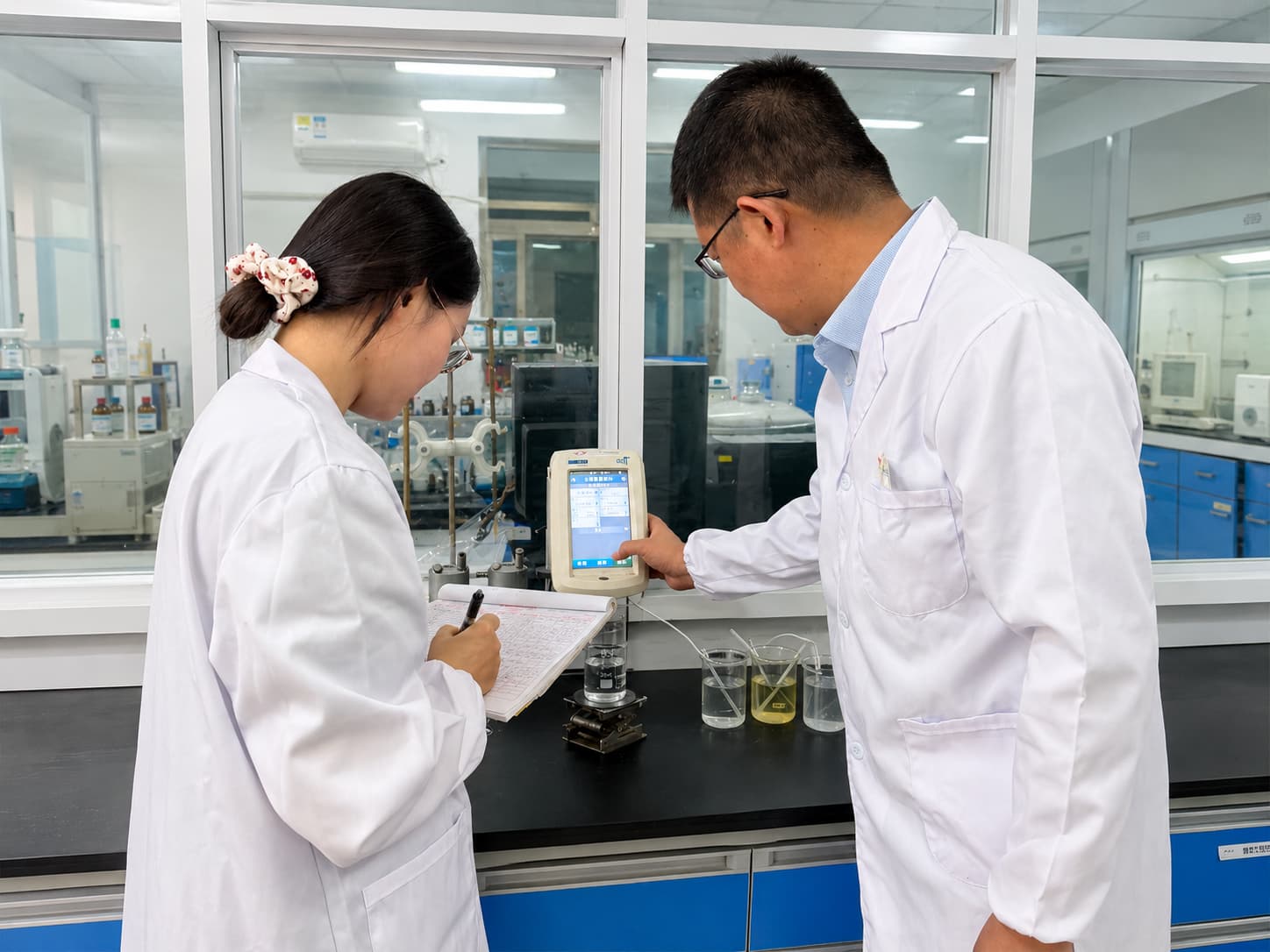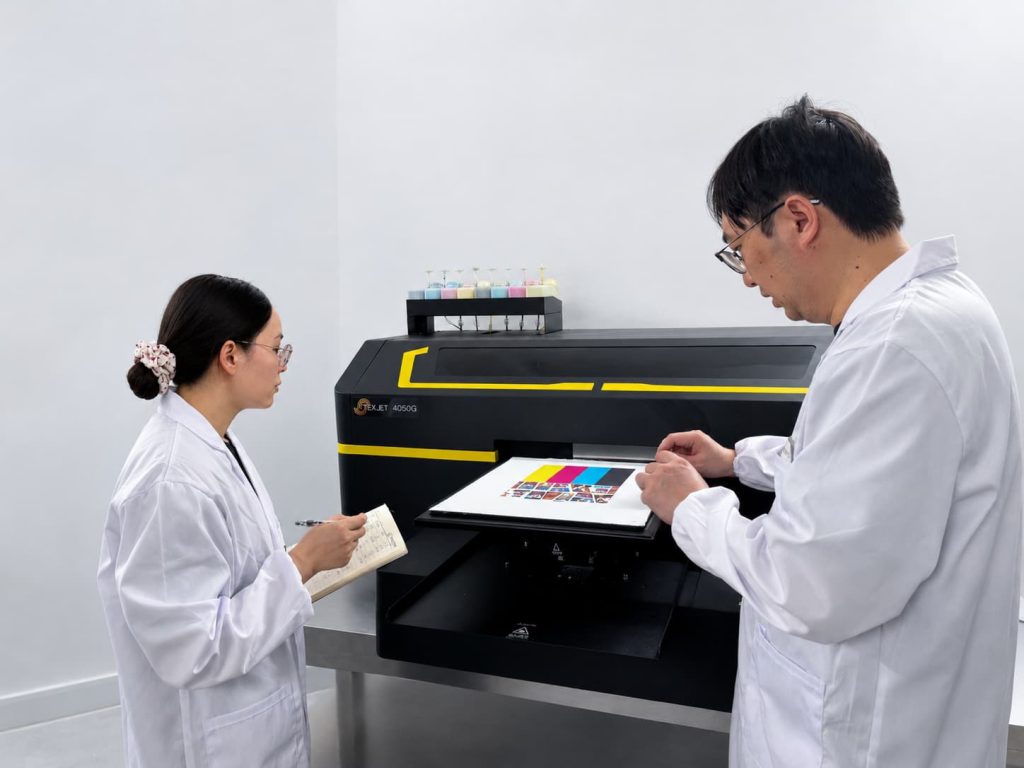
Choose sodium alginate for reactive printing by fiber chemistry, fabric construction, printing method and full paste behavior. Fabric type changes absorbency and penetration, but it does not create one universal viscosity grade for cotton, viscose, linen or blends. Approve the grade using a documented viscosity method and a controlled print, fixation and wash-off trial.
Sodium alginate is a common thickener for reactive printing on cellulosic fabrics. Start by confirming the dye route: cotton, viscose, linen and cellulosic portions of blends may be suitable; polyester portions require a separate disperse or pigment route.
Fabric Route and Trial Priorities
| Tissu | First route decision | Trial priorities |
|---|---|---|
| Coton | Reactive printing candidate | Fabric pretreatment, viscosity, outline, fixation and wash-off |
| Viscose or lyocell | Reactive printing candidate | Absorbency, pickup, penetration, shade and handle |
| Linen or ramie | Reactive route after fabric-specific trial | Construction, surface irregularity, penetration and outline |
| Cotton/polyester blend | Two-fiber color strategy required | Reactive portion plus separate disperse/pigment requirements |
| Coated or finished fabric | Check surface treatment first | Wetting, compatibility, adhesion or fixation and final fastness |
Pourquoi le type de tissu influe sur le choix de l'alginate de sodium
Structure des fibres et absorption de la teinture
Ces différences dans l'absorption du colorant se traduisent par des exigences différentes en matière de formulation de la pâte. Une pâte optimisée pour le coton peut ne pas donner les mêmes résultats sur la viscose ou le lin, même en utilisant la même classe de colorants et les mêmes conditions de vaporisation.
Comment le poids et la structure du tissu influencent les besoins en colle
Fabric weight, construction, pretreatment and absorption affect paste transfer and penetration. Compare candidate grade-concentration combinations on the actual fabric rather than deriving a fixed viscosity from weight or weave alone.
Account for fiber type and fabric construction when designing the trial, but do not require different viscosity targets solely because one cotton fabric is lighter or heavier than another. Compare the candidate grade and concentration on each actual fabric at a documented viscosity method. Keep the dye system and preparation controlled, then inspect deposition, penetration, outline, fixation and wash-off before changing a working specification.
Alginate de sodium pour l'impression sur coton
Pourquoi le coton est-il le support privilégié pour l'impression aux colorants réactifs ?
Cotton is a major substrate for reactive textile printing. Cellulose structure, accessible hydroxyl groups, fabric preparation and moisture during fixation influence dye uptake and reaction. The required paste behavior still needs to be established for the actual fabric and process; the fiber category does not prove that a commercial alginate grade is already optimized for that application.
Pour reactive printing on cotton, sodium alginate is a widely used candidate because it generally has low interaction with many reactive dyes compared with more reactive hydroxyl-rich thickeners. FAO’s alginate chapter describes this as minimal reaction, not a universal inertness guarantee. Confirm the actual dye, alkali, water, holding time, fixation and washing conditions. Alginate selection alone does not establish preserved dye availability or a particular final color yield.
Set Viscosity by Test Method and Fabric Construction
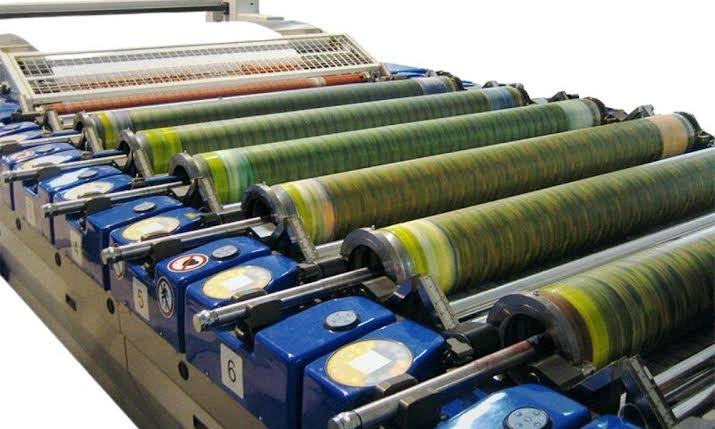
Do not apply a universal 8,000–20,000 mPa·s target. Define viscosity together with solution concentration, water, hydration time, temperature, instrument, spindle and speed. Then adjust paste solids against fabric weight, mesh, squeegee settings, speed, penetration and outline.
HV, MV and LV supplier labels are not comparable without their test methods. Screen candidate grades at controlled solids, then select the grade-concentration combination that gives stable preparation, filtration, transfer, fixation and wash-off.
Considérations relatives à la concentration de la pâte et au maillage de l'écran
Choose the stock-paste concentration from the commercial grade’s preparation guidance and controlled trials. Record whether a percentage describes stock paste or the complete color paste. Screen mesh, squeegee settings and shear response must be evaluated together; mesh count alone does not determine the required viscosity.
Si vous passez d'un type de coton à un autre — par exemple, d'un tissu de chemise léger à un twill plus épais —, réévaluez la viscosité et la concentration de la pâte, même si le type de fibre reste le même. L'interaction entre la viscosité de la pâte et la structure du tissu peut avoir une incidence significative sur la qualité d'impression et la profondeur de pénétration de la teinture.
Alginate de sodium pour l'impression sur la viscose et le Lyocell
Différences par rapport au coton en matière d'absorption de la teinture
Viscose and lyocell are regenerated cellulosic fibers, but they should not be treated as structurally identical. Fabric preparation, construction and wet-processing behavior can differ. Confirm pretreatment, dye penetration and fixation on the actual substrate.
Do not promise a deeper shade or faster fixation merely from the fiber name. Compare matched fabrics after the complete printing, fixation and washing sequence, and adjust the process only on the basis of the measured result.
Ajustements de la viscosité et de la concentration de la viscose
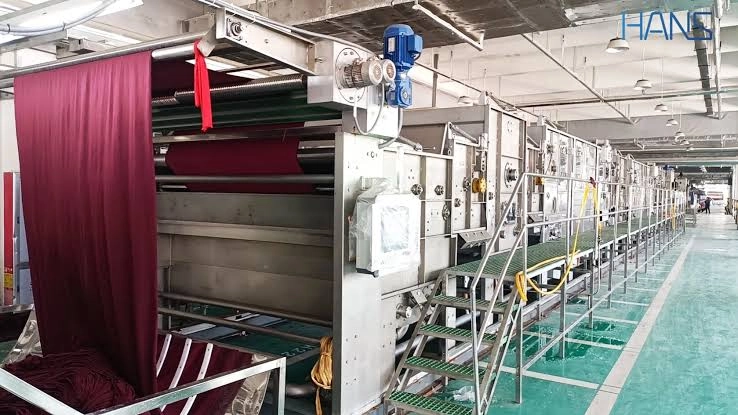
Viscose constructions can differ greatly in weight, surface and absorbency. Use fabric-specific trials to balance outline and penetration; do not assume viscose always requires a lower viscosity than cotton.
When moving a recipe from cotton to viscose, keep the preparation method controlled and test a small concentration range. Measure pickup, print definition, penetration, post-wash shade and handle before changing the production formula.
Considérations relatives à la fixation et au lavage
Set washing tension and action for the particular fabric’s wet-processing behavior. Verify both residual dye and thickener removal and inspect dimensions, surface appearance and hand. Do not shorten washing solely because the thickener is sodium alginate.
Alginate de sodium pour l'impression sur lin et ramie
Structure plus grossière des fibres et pénétration de la pâte
Linen and ramie fabrics require their own evaluation of preparation, surface irregularity, construction and penetration. Do not infer lower moisture absorption or incomplete fixation from the bast-fiber category alone.
Validate steaming and moisture-control conditions for the actual fabric and reactive dye system. Higher temperature, longer steaming or more urea is not a default correction for linen; change one factor at a time and assess shade, fastness, definition and wash-off.
Sélection des qualités pour les supports en lin
Select the grade and concentration from trials that balance penetration with outline control on the intended linen fabric. An MV label is not a universal requirement, and supplier grade labels need a complete viscosity test method.
Si vous passez de l'impression sur coton à l'impression sur lin en conservant la même formulation de pâte, effectuez un essai de fixation afin de vérifier que le rendu des couleurs et la solidité des couleurs sont satisfaisants dans vos conditions habituelles de vaporisation. Il peut s'avérer nécessaire d'ajuster la durée de vaporisation, la concentration en alcali ou la teneur en urée avant de lancer la production.
Alginate de sodium pour tissus mélangés
Mélanges coton-polyester
In a conventional cotton-polyester reactive-printing route, the reactive dye primarily colors the cellulosic portion. Do not expect that route alone to provide the required shade and fastness on polyester. Define the color strategy for both fiber components before selecting the paste.
Check whether differential coloration is an intended design effect or a defect. Trial the complete blend and, where useful, reference fabrics for each component; do not adjust dye concentration from the fiber percentage alone.
If both cotton and polyester need coloration, evaluate a suitable disperse/reactive or pigment strategy with the appropriate fixation and post-treatment sequence. Compatibility must be demonstrated for the combined process.
Mélanges coton-viscose
Les mélanges coton-viscose sont courants dans les tissus destinés à la confection, notamment pour leur douceur et leur tombé. Ces deux fibres sont cellulosiques et réactives aux colorants réactifs, mais leurs taux d'absorption de colorant différents peuvent entraîner des différences d'intensité de couleur entre les types de fibres, même à concentration de colorant et conditions de fixation identiques.
For cotton-viscose blends, check shade balance, penetration and final fastness on the actual construction. A recipe approved on one reference fabric should not be assumed equivalent on every blend.
Les défis liés à l'impression sur des supports multifibres
Les mélanges de fibres multiples introduisent une certaine complexité, car chaque type de fibre réagit différemment à une même formulation de pâte, à une même concentration de colorant et aux mêmes conditions de fixation. Lors du développement de formulations de pâte destinées à de nouveaux substrats composés de mélanges de fibres, il est judicieux de réaliser des essais de rendement chromatique et de solidité des couleurs sur chaque type de fibre séparément (si des tissus de référence sont disponibles) avant d'imprimer sur le mélange, afin de comprendre le comportement de base de chaque composant.
For blends, evaluate thickener grade, concentration, dye system and fixation together. Confirm the required performance after the complete process rather than assuming that only dye concentration needs to change.
Résumé : Paramètres de sélection des qualités en fonction du type de fibre
- Cotton: compare grade and concentration on the actual fabric using a defined method and validated steaming and washing conditions.
- Viscose / Lyocell: evaluate each fabric separately for application uniformity, penetration, shade, washing behavior and hand.
- Linen / Ramie: check preparation, surface and construction; validate fixation rather than automatically increasing heat or urea.
- Cotton-Polyester blend: define how both fiber components will be colored, then validate the complete printing and fixation sequence.
- Cotton-Viscose blend: evaluate shade balance and final quality on the actual blended fabric.
Foire aux questions
Is one sodium alginate viscosity suitable for every cotton fabric?
No. Fabric weight, construction, absorbency, screen, speed and design change the required paste rheology. Use a documented viscosity method and print trial.
Does viscose always need a lower-viscosity paste than cotton?
No. Viscose constructions vary. Compare controlled concentrations and evaluate pickup, penetration, outline, post-wash shade and handle.
Can sodium alginate print the polyester part of a cotton/polyester blend?
Reactive dye targets the cellulosic portion. The polyester portion requires a compatible disperse or pigment route and a combined process trial.
How should HV, MV and LV grades be compared?
Match solution concentration, water, hydration, temperature, instrument, spindle and speed. Then compare filtration and complete printing performance.
What should be supplied for fiber-specific grade matching?
Send fabric composition and weight, dye route, printing method, current grade and dosage, full viscosity method, fixation and wash-off conditions through Échantillons et correspondances.
Comment FSX Chemical prend en charge les applications spécifiques aux fibres
FSX Chemical supplies HV, MV and LV sodium alginate grades for reactive textile printing. The TDS should define viscosity with its test conditions; sodium alginate does not use the CMC degree-of-substitution specification.
Prochaines étapes :
Contactez notre équipe technique — share fabric composition, construction, current paste and controlled test results for application-specific evaluation.
Demander un TDS — consultez les spécifications relatives à la qualité de votre type de fibre optique et à votre application
Demander l'alignement des notes — Indiquez-nous le type de fibre, le grammage du tissu et la méthode d'impression pour obtenir une recommandation personnalisée
📧 E-mail: Service@fsxchemical.com