Batch Quality Control for Textile Printing Chemicals: COA, Testing and Release
Для обеспечения надежного качества текстильных химикатов недостаточно просто провести испытания конечной партии. Эффективные системы обеспечения качества (QA) и контроля качества (QC)...
Batch quality control for textile printing chemicals should connect raw-material qualification, controlled manufacturing, representative sampling, method-defined laboratory tests, application checks, COA review, release authorization, retained samples and traceability. A sodium alginate, CMC, CMS or compound thickener is commercially reliable only when future batches remain inside the approved technical and production window.
Именно поэтому качество не следует сводить к простому утверждению вроде “каждая партия проходит проверку”. Эффективный контроль партий требует наличия интегрированной системы, которая начинается с сырья и охватывает все этапы: производство, межоперационные проверки, лабораторные испытания, проверку применения, допуск партии, упаковку, документацию и отслеживаемость.
Контроль качества (КК) позволяет определить, соответствуют ли материалы и готовые партии установленным требованиям. Обеспечение качества (ОК) предусматривает разработку процедур и мер контроля, призванных с самого начала предотвратить возникновение недопустимых отклонений.
И то, и другое необходимо. Тестирование без контроля производственного процесса может выявить проблему только после того, как партия продукции уже изготовлена. Контроль производственного процесса без итоговой проверки может привести к тому, что продукция с непредвиденными отклонениями поступит к заказчику.
Почему стабильность партий имеет важное значение в производстве химикатов для текстильной промышленности
Химические вещества для текстильной промышленности используются в производственных системах, которые могут быть чувствительны к относительно небольшим изменениям вязкости, содержания твердых частиц, pH, степени гидратации, фильтрации или химической совместимости.
В частности, при производстве загустителей для полиграфии отклонения в партиях, которые в лабораторных условиях кажутся незначительными, могут стать более заметными после смешивания материала с красителями, солями, щелочами, связующими веществами или другими вспомогательными веществами.
Различия в партиях могут повлиять на процесс приготовления
Изменения в степени гидратации, профиле частиц или динамике изменения вязкости могут вынудить операторов скорректировать количество воды, время перемешивания или дозировку сгустителя.
Колебания в партиях могут повлиять на работу оборудования
Различия в характеристиках фильтрации или реологии могут повлиять на процесс перекачки, циркуляцию, прохождение через сито, равномерность нанесения покрытия или скорость производства.
Различия в партиях могут повлиять на качество готовой ткани
При изменении поведения пасты могут измениться такие параметры, как определение оттиска, проникновение, равномерность заполнения плотных участков, смываемость и конечные тактильные свойства.
Вариация партий увеличивает скрытые производственные затраты
Неоднократные корректировки рецептуры, дополнительные лабораторные испытания, очистка оборудования, бракованная ткань и простои в производстве могут обойтись гораздо дороже, чем небольшая разница в цене на сырье.
Таким образом, цель партийного контроля качества заключается не в том, чтобы каждый раз получать одинаковые числовые результаты, а в том, чтобы удерживать значимые отклонения в пределах утвержденного рабочего диапазона.
Контроль качества и обеспечение качества
Контроль качества (QC) и обеспечение качества (QA) тесно связаны между собой, но выполняют разные функции.
Площадь
Контроль качества
Обеспечение качества
Основной вопрос
Соответствует ли данный материал или партия требованиям?
Предназначена ли система для производства однородных партий продукции?
Основная направленность
Тестирование и проверка
Разработка технологических процессов и мер по предотвращению аварий
Типичные виды деятельности
Проверка вязкости, pH, влажности, фильтрации и качества нанесения
Стандартные операционные процедуры (СОП), обучение, калибровка, контроль изменений и отслеживаемость
График
Поступающая, находящаяся в процессе обработки и готовая партия
По всей производственной системе
Результат
Принять, изучить, переработать или отклонить
Снизить вероятность отклонений в будущем
Эти два подхода объединяет мощная система производства химических веществ для текстильной промышленности.
Полная цепочка обеспечения качества партии продукции
Качество партии следует контролировать в рамках последовательности процедур, а не посредством одного итогового лабораторного анализа.
Утвержденные источники сырья и технические условия
Идентификация и проверка поступающих материалов
Контролируемое взвешивание и выполнение рецептур
Документально подтвержденные условия производства
Контроль качества в процессе производства
Репрезентативная выборочная выборка
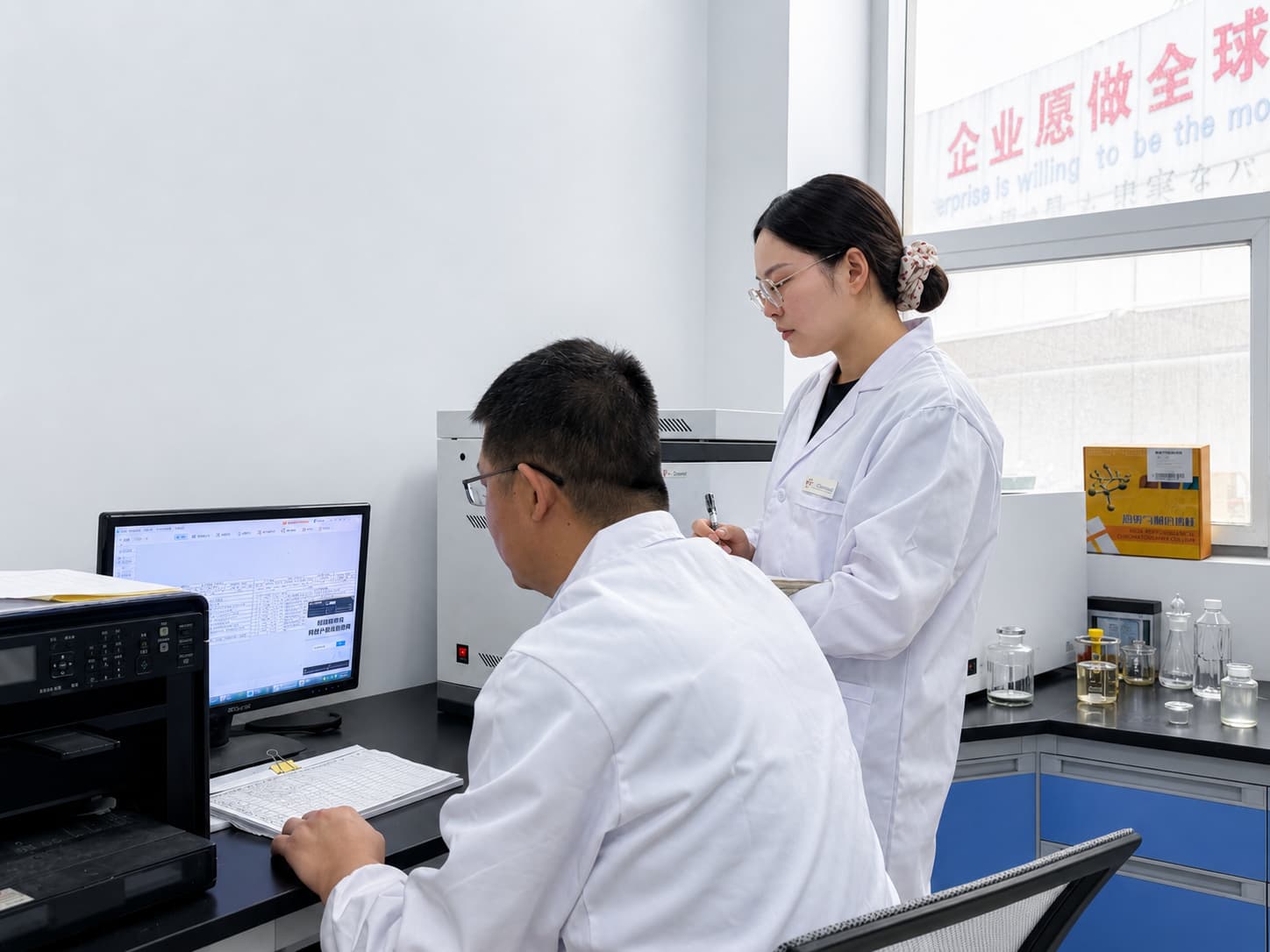
Заключительный лабораторный контроль качества
Тестирование приложений в соответствующих случаях
Контроль качества и выдача партии
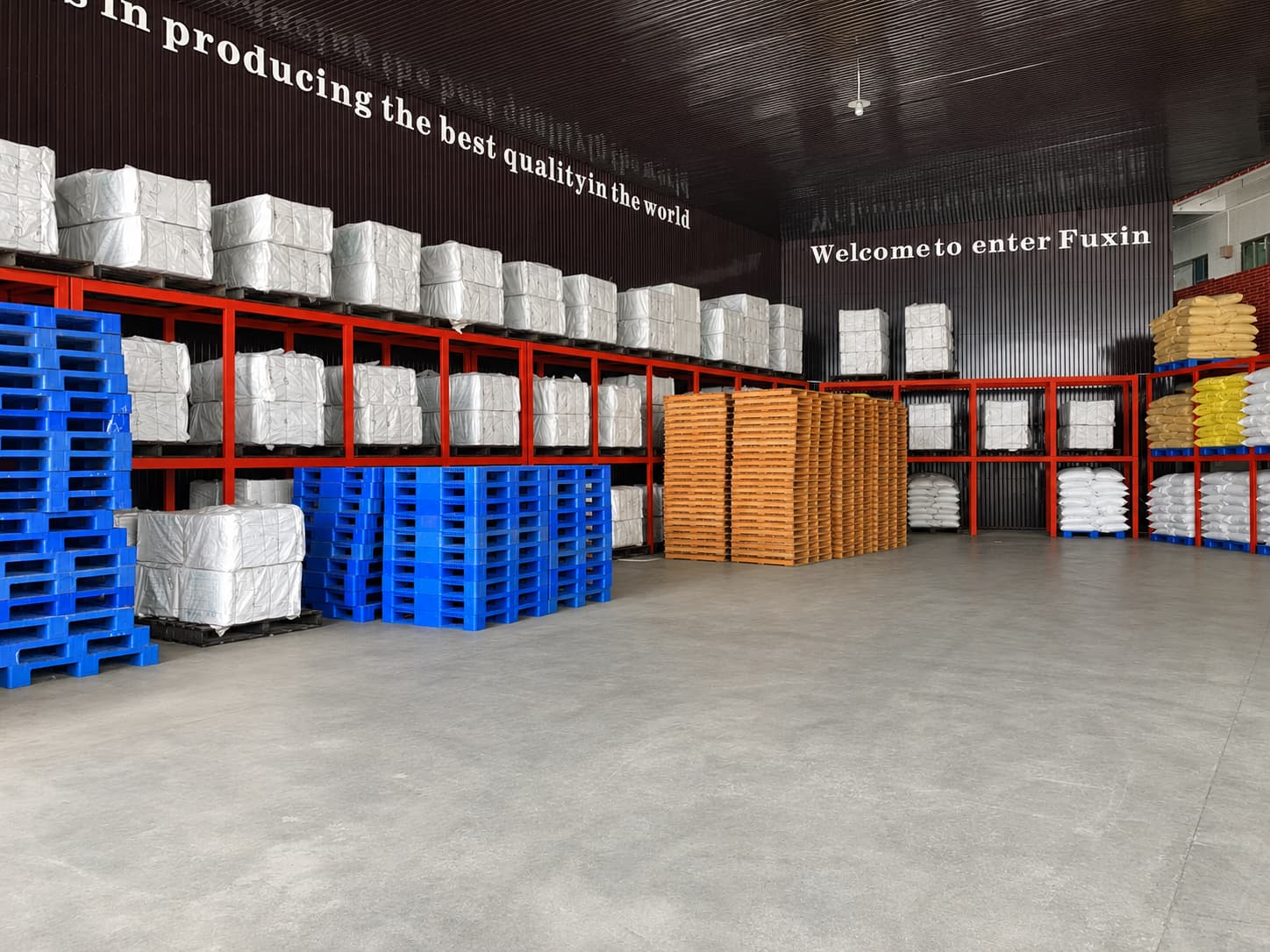
Контроль за упаковкой и маркировкой
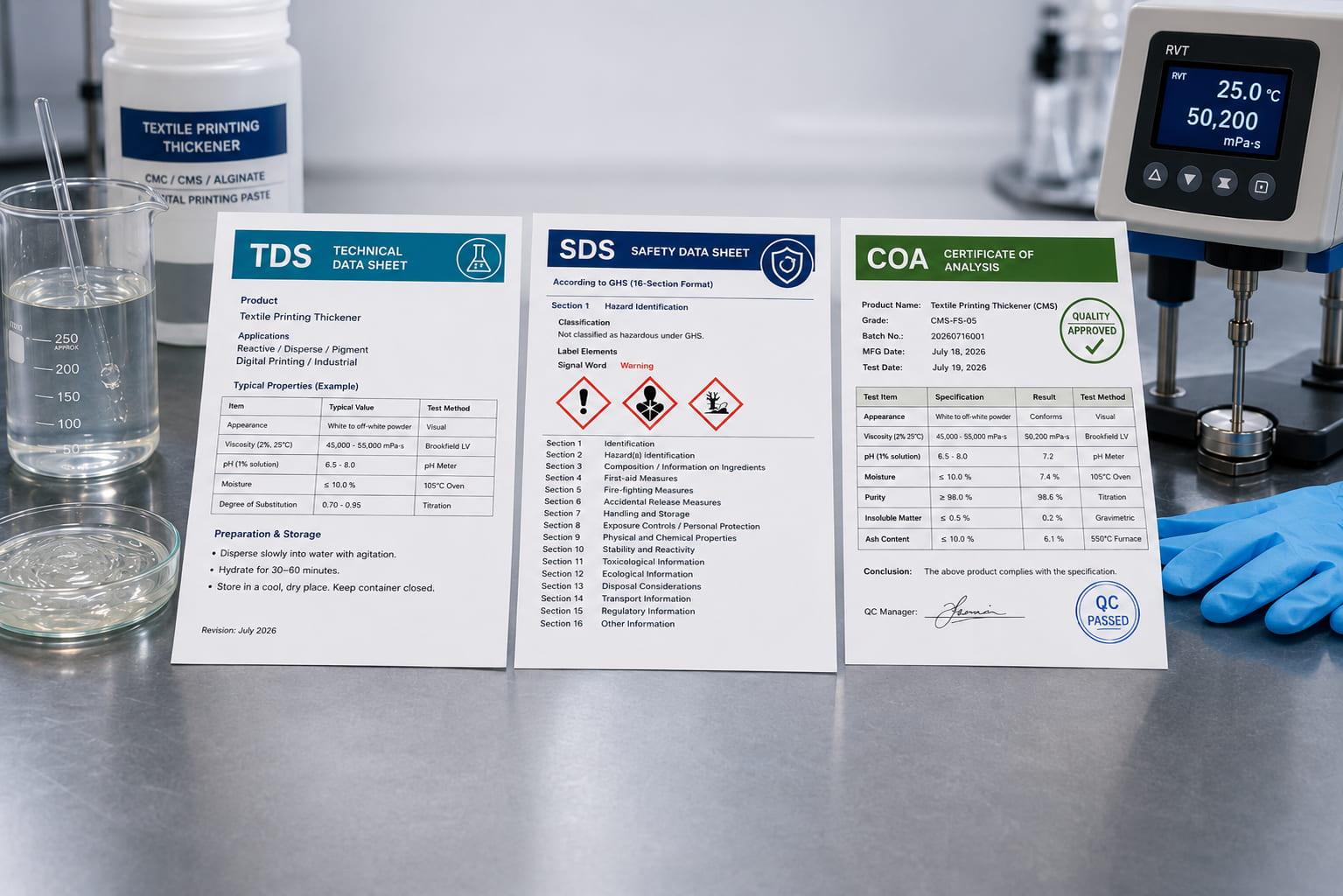
Сертификат соответствия (COA) и транспортные документы
Хранение сохраненных образцов и документации по партиям
Отзывы клиентов и расследование жалоб
Недостатки на любом из этапов могут привести к тому, что результаты последующих тестов будут менее достоверными.
1. Определить постоянный коммерческий класс
Обеспечение качества начинается с точного определения того, какой именно продукт производится.
Лабораторный образец не должен оставаться неофициальным описанием, таким как “альгинат высокой вязкости” или “специальный CMC”. Как только продукт одобрен для коммерческих поставок, ему должен быть присвоен постоянный код марки.
Тождество степени должно связывать
Технические характеристики продукта
TDS
SDS
Внутренняя инструкция по составлению или производству
Пример этикетки
Коммерческое предложение
Заказ на поставку
Производственная партия
Этикетка на упаковке
COA
Эта связь имеет решающее значение в тех случаях, когда покупателю необходимо убедиться, что партия товара соответствует сорту, по которому изначально проводились испытания.
2. Оценка качества и контроль сырья
Обеспечение стабильного качества конечной партии начинается уже с момента поступления сырья на завод.
Контроль сырья может включать в себя
Идентификация поставщика и материала
Номер партии поставщика
Состояние упаковки
Внешний вид
Указанные входные параметры
При необходимости — подтверждающая документация от поставщиков
Критически важные материалы требуют более строгого контроля
Не для каждого ингредиента требуется одинаковая группа испытателей. Материалы, оказывающие значительное влияние на вязкость, степень замещения, химическую стабильность или эксплуатационные характеристики конечного продукта, могут потребовать более тщательного входного контроля.
Изменения в списке поставщиков не должны оставаться незаметными
Изменение источника или технических характеристик критически важного сырья может повлиять на свойства готового текстильного химического препарата, даже если молекулярная масса формулы останется неизменной.
3. Контрольное взвешивание и выполнение рецептов
Даже тщательно разработанная рецептура может привести к получению партий нестабильного качества, если ингредиенты взвешиваются или добавляются неправильно.
К ключевым контрольным мерам относятся
Правильная идентификация продукции и партии
Сертифицированное весоизмерительное оборудование
Укажите правильное количество
Допустимое отклонение при контролируемом взвешивании
Определённая последовательность сложения
Подтверждение оператора, если требуется
Зафиксированные исправления
Порядок сложения может являться параметром качества
В системах на основе полимеров и загустителей изменение последовательности добавления воды, солей, полимеров, регуляторов pH или других компонентов может повлиять на степень гидратации и вязкость, даже если конечная рецептура содержит те же ингредиенты.
4. Стандартизировать критические параметры производства
В технологической инструкции должны быть определены условия технологического процесса, которые могут существенно повлиять на конечный продукт.
В зависимости от продукта к ним могут относиться:
Размер партии
Последовательность смешивания
Скорость перемешивания
Продолжительность смешивания
Температура
Время реакции или модификации
регулировка pH
Условия сушки
Фрезерование или переработка частиц
Время смешивания
Просеивание или фильтрация
Цель заключается не просто в фиксации цифр. Производитель должен определить, какие параметры имеют решающее значение для эксплуатационных характеристик продукции, и соответствующим образом контролировать их.
5. Проводить проверки качества в ходе производственного процесса
Если дожидаться полного завершения партии, исправление отклонений может оказаться более сложным и дорогостоящим.
Контроль качества в процессе производства может помочь выявить
Неправильная концентрация
Неожиданное значение pH
Неполное перемешивание
Вязкость выходит за пределы ожидаемого диапазона
Физическая неоднородность
Колебания содержания влаги или твердых веществ
Выбор соответствующих контрольных точек зависит от химического состава и технологического процесса.
Контроль в процессе производства особенно полезен в тех случаях, когда корректировка ещё может быть выполнена безопасно и воспроизводимо до того, как партия достигнет конечной стадии.
6. Стандартизировать процедуры отбора проб
Данные лабораторных исследований имеют ценность только в том случае, если образец репрезентативен для всей партии.
В процедурах отбора проб должно быть определено
Когда партия готова к отбору проб
Место отбора проб
Требуемое количество образцов
Контейнер для проб
Идентификация образца
Подготовка и обработка образцов перед испытанием
Однородность порошка имеет большое значение
Партии порошка могут потребовать надлежащего перемешивания и отбора репрезентативных проб, поскольку небольшая проба, взятая из одного места, может не отражать характеристики всей партии.
Однородность жидкости имеет большое значение
Жидкие или пастообразные продукты следует тщательно перемешать перед отбором проб, если осаждение или расслоение могут повлиять на результат.
7. Использование лабораторных испытаний с контролируемым методом
Номер технического задания имеет ограниченное значение, если не установлен контроль за соблюдением метода испытаний.
Полезный метод контроля качества определяет
Подготовка проб
Концентрация
Вода или растворитель
Температура
Оборудование
Настройки прибора
Время измерения
Основа расчёта
Отчетная единица
Если лабораторный метод меняется от одной партии к другой, кажущиеся отклонения в характеристиках продукта могут на самом деле быть отклонениями в результатах измерений.
8. Правильно регулируйте вязкость
Вязкость является одним из важнейших параметров контроля качества для загустителей, используемых в текстильной печати, однако она в значительной степени зависит от метода испытаний.
Что касается результатов измерения вязкости, запишите
Концентрация продукта
Способ приготовления
Время гидратации
Температура измерения
Вискозиметр
Шпиндель, ротор или геометрия
Скорость вращения
Время чтения
Не сравнивайте несвязанные между собой показатели вязкости
Два продукта, испытанные при разных концентрациях или скоростях вращения, не следует считать эквивалентными только потому, что указанные значения схожи.
Вязкость — это не вся система контроля качества
Даже партия, отвечающая требованиям к вязкости, может отличаться по таким параметрам, как фильтрация, гидратация, реологические свойства или поведение при нанесении.
9. Оценка эффективности фильтрации и физической однородности
Фильтрация имеет особое значение для продукции, предназначенной для печати на текстиле, поскольку гели, крупные частицы и загрязнения могут повредить трафареты и наносимое оборудование.
В ходе испытания с контролируемой фильтрацией следует определить
Концентрация пробы
Процедура увлажнения
Материал фильтра
Расстояние между отверстиями или размер ячейки
Количество образцов
Условия фильтрации
Оценка остаточных веществ
Результаты фильтрации следует оценивать с учетом внешнего вида и степени гидратации. Осадок может быть следствием как неполной подготовки, так и самого продукта.
10. Проводите тестирование приложений там, где это действительно важно
Физические характеристики не всегда позволяют предсказать качество печати на текстиле. В случае особо важных сортов ткани проведение прикладных испытаний может обеспечить дополнительный уровень проверки качества.
В ходе проверки приложения могут оцениваться
Подготовка пасты
Химическая совместимость
Поведение на экране или при нанесении покрытия
Определение термина «печать»
Проникновение
Равномерность по площади твердой фазы
Фиксация или отверждение
Смываемость
Готовая тканевая ручка
Оптимальная периодичность проверок зависит от продукта, технологического процесса, уровня риска и согласованного плана обеспечения качества.
11. Разработать спецификации выпуска для конкретных продуктов
Define the product-specific test panel, method version, sampling basis, units, acceptance limits, required records and release authority before testing. Separate typical TDS values from agreed release specifications. A limit without its test concentration, preparation and measurement method can create a false pass/fail dispute.
For results near a limit, agree the decision rule in advance: it states how measurement uncertainty is considered when determining conformity. A guard band may be appropriate for a critical property, but its size is not a universal percentage and it should not be invented after seeing the batch result. Method repeatability, sample preparation, instrument verification and relevant uncertainty contributors should inform the laboratory’s evaluation.
ILAC G8 and G17 provide guidance on conformity decisions and uncertainty in testing. These are useful references for agreeing a laboratory procedure; mentioning them does not mean FSX or the supplier’s laboratory holds ISO/IEC 17025 accreditation.
Release record
Buyer and supplier should agree
Parameter and measurand
What is being measured, on what concentration or dry/as-supplied basis?
Method and sampling
Which version, sample locations, preparation, hydration and test settings apply?
Limits and decision rule
How are borderline results, uncertainty, rounding and any required additional checks treated?
Disposition authority
Who can release, hold, reject or approve an explicitly documented concession?
Keep an out-of-trend flag separate from an out-of-specification finding. A within-limit result can merit investigation because of drift; an outside-limit result cannot be made acceptable simply by changing the trend chart or specification afterward.
12. Выдавать содержательные сертификаты анализа
В сертификате анализа должна быть указана конкретная партия, а также приведены параметры, соответствующие согласованной коммерческой спецификации.
Полезный план действий обычно включает в себя
Идентификационные данные производителя или поставщика
Коммерческий сорт продукции
Номер партии или серии
Выбранные параметры испытаний
Технические характеристики или допустимые пределы, если применимо
Результаты пакетного тестирования
Соответствующие подразделения
Сведения об официальном документе
COA должен соответствовать упаковке
Код продукта и номер партии, указанные в сертификате соответствия (COA), должны совпадать с данными поставленного материала.
COA не заменяет тестирование приложений
Сертификат соответствия (COA) подтверждает заявленные характеристики конкретной партии. Он не гарантирует, что при использовании рецептуры, ткани и оборудования каждого конкретного заказчика будет получен тот же результат.
13. Хранение контрольных проб
Сохраненные образцы являются одним из наиболее полезных инструментов для расследования заявленного отклонения в партии.
В рамках программы хранения проб следует учитывать следующее:
Репрезентативная выборка
Идентификация партии
Подходящая тара
Условия хранения
Срок хранения
Контроль доступа
Почему так важны сохраненные образцы
Когда заказчик сообщает, что новая партия товара демонстрирует иные характеристики, производитель может сравнить сохраненную партию с образцом, по поводу которого поступила жалоба, с ранее одобренным материалом и производственной документацией.
14. Обеспечение прослеживаемости партий
Прослеживаемость позволяет установить связь между готовым продуктом и документацией, необходимой для отслеживания его истории.
Эффективная цепочка отслеживаемости может объединять
Партия готовой продукции
Дата производства
Производственные показатели
Критические партии сырья
Промежуточные результаты
Окончательные результаты контроля качества
Упаковочные отчеты
COA
Сохраненный образец
Информация о доставке
Уровень прослеживаемости должен соответствовать системе качества производителя и уровню риска, связанного с продукцией.
15. Контроль упаковки и маркировки
Даже партия, прошедшая лабораторный контроль качества, может поступить к заказчику в неудовлетворительном состоянии, если упаковка не соответствует требованиям или маркирована неправильно.
Меры контроля за упаковкой могут включать
Подходящий упаковочный материал
Чистые и неповрежденные мешки, бочки или контейнеры
Точный вес нетто
Подходящая застежка или уплотнение
Правильная этикетка на товаре
Номер партии или серии
Информация о хранении и обращении (при необходимости)
Порошковые продукты нуждаются в защите от влаги
Альгинат натрия, CMC, CMS и другие гигроскопичные или чувствительные к воздействию воды порошки могут изменить свои физические свойства в случае повреждения упаковки или ненадлежащих условий хранения.
16. Управляйте изменениями до того, как они дойдут до клиентов
В рамках обеспечения качества необходимо контролировать изменения, которые могут повлиять на эксплуатационные характеристики продукции.
К потенциально значимым изменениям относятся:
Ключевой поставщик сырья
Технические условия на сырье
Формула
Технологический процесс
Основное производственное оборудование
Критический метод контроля качества
Система упаковки
В рамках процесса контролируемого изменения следует определить, требуется ли проведение дополнительных лабораторных испытаний, проверки в условиях эксплуатации или проверки со стороны заказчика перед внедрением в серийное производство.
17. Работа с партиями, не соответствующими требованиям
A result outside an approved limit should trigger a controlled hold and investigation. Preserve the original sample identity, result, instrument record and method version. Check preparation, hydration, temperature, concentration basis, instrument condition and manufacturing records before deciding whether the material or the measurement is responsible.
Finding
Следующий шаг
Release boundary
Documented preparation or instrument error
Record the evidence and perform a justified repeat under the controlled procedure.
Retain the first record; explain why it was invalidated and who authorized the decision.
Representative result remains outside specification
Investigate process and raw materials; define disposition and corrective action.
No routine release against the original specification.
Supplier and buyer disagree near a limit
Align the sample, method, conditioning, uncertainty and agreed decision rule.
Keep the disputed material identified until an authorized decision is recorded.
Repeated tests give conflicting results
Investigate sampling heterogeneity and method variation using a pre-defined plan.
Do not keep testing until one result passes, select only favorable results or average away a failure without method-based justification.
Any reprocessing, rejection, reclassification or customer concession should identify the batch, justification, approver and restrictions. Reprocessed material needs appropriate verification against its approved disposition. A concession is an explicit acceptance of a specified deviation for a stated use, not a revised COA that conceals the original finding.
This is a recommended industrial QC workflow, not a claim about FSX’s internal release procedure. The relationship between uncertainty and false acceptance or rejection is discussed in NIST’s conformity-decision research.
18. Систематически расследовать жалобы клиентов
Работа с жалобой клиента должна начинаться со сбора информации, а не с предположения о том, что вина лежит либо на клиенте, либо на производителе.
Сбор информации о клиентах
Класс продукции
Номер партии
Образец жалобы (при наличии)
Текущий TDS или технические характеристики, используемые заказчиком
Метод измерения вязкости
Процесс подготовки
Полная формула
Оборудование для производства тканей и печати
Фотографии или образцы ткани с принтом
Сравнить с сохраненным материалом
Данную партию можно сравнить с сохраненным образцом и предыдущей контрольной партией, используя тот же метод.
Разделение причин, связанных с материалами и с применением
Даже в рамках одной партии, соответствующей требованиям, качество продукции может варьироваться в случае изменения параметров воды, температуры, состава, ткани или условий работы оборудования.
При необходимости принимайте корректирующие и предупреждающие меры
После подтверждения первопричины в ходе расследования необходимо определить как меры по немедленному устранению проблемы, так и меры, направленные на снижение вероятности ее повторного возникновения.
19. Отслеживание тенденций между партиями
Партия может оставаться в пределах технических требований, даже если результаты постепенно смещаются в одну из сторон рабочего диапазона.
Анализ исторических данных позволяет выявить постепенные изменения ещё до того, как они превратятся в проблемы для клиентов.
Мониторинг тенденций может включать
Вязкость
Влага или твердые вещества
pH
Фильтрация
Результаты подачи заявки
Частота жалоб
Анализ тенденций — это одно из наиболее явных отличий между простым тестированием партий продукции и активным управлением качеством.
20. Проверить первую коммерческую партию после утверждения образца
Одним из наиболее рискованных этапов при закупках химической продукции в сегменте B2B является переход от лабораторного образца к коммерческой поставке.
Не останавливайтесь на утверждении образца
Покупатель должен подтвердить, что товарный сорт и технические характеристики соответствуют тем, которые представлены в утвержденном образце.
Проверить первую партию продукции
Сравните важнейшие лабораторные характеристики с утвержденным эталоном.
Проверить заявку
В случае критически важных задач по печати на текстиле проведение контролируемой пробной печати первой партии может снизить риски при производстве.
Зафиксировать утвержденный коммерческий базовый уровень
После утверждения первая коммерческая партия может стать полезным ориентиром для рассмотрения будущих поставок и расследований по претензиям.
Приоритеты контроля качества для альгината натрия
Текстильного качества альгинат натрия обычно оценивается при печати на реактивных тканях, где важны вязкость и печатные характеристики.
К числу потенциальных приоритетов в области контроля качества относятся:
Идентичность коммерческого уровня
Внешний вид
Влажность, если указано
Вязкость при заданной концентрации и методе
pH, если это имеет значение
Характеристики гидратации
Фильтрация
Производительность приложений там, где это необходимо
Описания «высокая», «средняя» и «низкая» вязкость всегда должны соотноситься с конкретным методом испытаний, а не рассматриваться как универсальные числовые категории.
Приоритеты контроля качества в сфере CMC
Карбоксиметилцеллюлоза Сорта могут значительно различаться по вязкости и другим структурным характеристикам.
К числу потенциальных приоритетов в области контроля качества относятся:
Тождество степени
Внешний вид
Влажность, если указано
Вязкость и концентрация в испытании
pH
Степень замещения, если указано
Чистота или соответствующие параметры, если применимо
Гидратация
Фильтрация
Конкретные технические характеристики панели должны соответствовать предполагаемому коммерческому применению, а не какой-то универсальной спецификации CMC.
Приоритеты в области контроля качества для CMS
For a grade confirmed as carboxymethyl starch, apply starch-product controls suited to its formulation and intended printing route. For any product sold under the FSX CMS series, establish the exact grade identity and approved TDS/SDS first; a commercial series name does not by itself define every component or a universal test panel.
К числу потенциальных приоритетов в области контроля качества относятся:
Идентичность коммерческого уровня
Внешний вид
Влажность, где это уместно
Вязкость, определенная по стандартизированному методу
pH
Характеристики гидратации
Фильтрация
Оптимизированная производительность для конкретных задач там, где это необходимо
CMS не следует автоматически приравнивать к CMC или альгинату натрия только потому, что все три продукта выступают в качестве модификаторов реологических свойств в определённых областях применения.
Приоритеты контроля качества для загустителей в виде паст и смесей, используемых в цифровой печати
Готовые продукты содержат несколько компонентов, поэтому в ходе контроля качества следует оценивать конечную систему в целом, а не только один полимер.
Для паста для цифровой печати а также других сложных текстильных загустителей соответствующие проверки могут включать:
Идентификация продукта
Внешний вид
Вязкость
pH
Твердые вещества (если применимо)
Фильтрация
Физическая устойчивость
Стабильность держания
Производительность приложения
Химическая совместимость и оценка готовой ткани приобретают особое значение, когда изделие предназначено для печати с использованием конкретного метода — реактивной, дисперсной или пигментной печати.
На что покупателям следует обратить внимание в сертификате соответствия (COA) на химические вещества для текстиля
Отчет о стоимости активов (COA) приносит наибольшую пользу тогда, когда покупатели умеют его правильно интерпретировать.
Пункт COA
Вопрос покупателя
Класс продукции
Это именно тот сорт, который я проверял и заказывал?
Номер партии
Соответствует ли это упаковке и отправке?
Элемент теста
Имеет ли этот параметр отношение к моему приложению?
Технические характеристики
Это согласованный диапазон или просто типичное значение?
Результат
Это результат измерения, относящийся к конкретной партии?
Вязкость
Какие концентрация, температура и прибор использовались?
Идентификационные данные документа
Можно ли прикрепить этот сертификат происхождения к коммерческой партии товара?
Контрольный список для аудита качества поставщиков
При отборе поставщика химических веществ для текстильной промышленности покупателям следует обращать внимание не только на брошюру с описанием продукции.
Спросите, как поставщик осуществляет контроль
Идентичность коммерческого уровня
Критически важные сырьевые ресурсы
Инструкции по изготовлению
Производственная документация
Отбор проб
Методы лабораторных испытаний
Калибровка или верификация приборов
Выпуск конечного продукта
Выдача сертификата соответствия
Сохраненные образцы
Отслеживаемость партий
Некондиционный материал
Жалобы клиентов
Изменения в процессах
Цель заключается не в том, чтобы найти поставщика, утверждающего, что отклонения никогда не возникают. Более полезный вопрос заключается в том, располагает ли поставщик упорядоченной системой выявления, расследования и управления отклонениями.
Рабочий процесс проверки качества от образца до партии
Шаг 1: Определение выборки
Зафиксируйте постоянный класс качества продукции и соответствующие данные из технического описания продукта (TDS).
Шаг 2: Согласование лабораторных методов
Убедитесь, что поставщик и покупатель понимают требования к концентрации, подготовке, температуре и настройкам приборов.
Шаг 3: Проведение сравнительных лабораторных испытаний
Сравните кандидата с действующим утвержденным эталоном.
Шаг 4: Завершение тестирования приложения
Используйте настоящую ткань, химические реагенты для печати и условия, соответствующие производственным.
Шаг 5: Утвердить постоянный коммерческий класс
Не следует утверждать лабораторный образец без названия или временный образец.
Шаг 6: Подтвердите согласованные технические условия
Определить, какие параметры и методы испытаний имеют коммерческое значение.
Шаг 7: Изготовление первой коммерческой партии
Связать его марку и номер партии с маршрутом утвержденного образца.
Шаг 8: Проверьте сертификат качества партии
Убедитесь, что соответствующие результаты соответствуют утвержденным коммерческим требованиям.
Шаг 9: Проверьте первую партию товара
Проведите повторные контрольные испытания поступающей продукции и, при необходимости, контролируемый пробный тираж.
Шаг 10: Ввести процедуру контроля поступающих грузов
После успешного прохождения квалификации определите текущие проверки контроля качества, необходимые для будущих поставок.
Распространённые ошибки при проведении пакетного контроля качества
Определение только вязкости
Вязкость не позволяет выявить все различия в гидратации, фильтрации, реологических свойствах или характеристиках при нанесении.
Использование метода неполной вязкости
Данные, не сопровождаемые информацией о концентрации, температуре и настройках прибора, имеют ограниченную ценность.
Путаница между типичными значениями и техническими характеристиками
Типовые данные TDS не следует автоматически рассматривать в качестве обязательных предельных значений для выпуска партии.
Утверждение образца без указания названия
Образец, который невозможно подключить к постоянному источнику питания промышленного класса, создает ненужный риск загрязнения основной партии.
Предположение о том, что прохождение COA гарантирует качество печати
Данные сертификата соответствия (COA) подтверждают указанные параметры продукта, но не заменяют полную оценку его применения, проводимую заказчиком.
Смена сырья без оценки последствий
Масса формулы может оставаться неизменной, несмотря на изменения в эксплуатационных характеристиках.
Выпуск партий товара, вызывающих сомнения, до проведения расследования
Рассматриваемый товар должен оставаться под контролем до тех пор, пока не будет принято решение о его дальнейшей судьбе.
Игнорирование данных о тенденциях
Повторяющиеся значения вблизи одного из пределов заданного диапазона могут служить ранним сигналом тревоги, даже если каждая отдельная партия с технической точки зрения соответствует требованиям.
Часто задаваемые вопросы
What is the difference between a TDS, specification and COA?
A TDS describes the product and often shows typical values. A specification defines agreed acceptance limits. A COA reports batch-specific results against the applicable specification.
Should every batch receive an application test?
The testing plan should follow product and customer risk. Critical or newly approved grades may need complete-paste or printing verification, while mature products may use a justified frequency supported by process control and trend data.
How should a textile chemical batch be sampled?
Use a written sampling plan that defines the container selection, sampling location, tools, composite or individual samples, sample quantity, labeling and retained-sample conditions.
What happens when a result is outside specification?
Keep the batch under controlled status, investigate method and process causes, document the deviation, decide disposition through authorized review and implement corrective or preventive action where needed.
How can a buyer verify sample-to-bulk consistency?
Approve an identified commercial grade, align test methods, define critical limits, compare first-batch COA and retained samples, and repeat side-by-side laboratory and application checks on the first shipment.
Как FSX Chemical способствует обеспечению качества
Компания FSX Chemical поставляет альгинат натрия, CMC, CMS, пасту для цифровой печати и сопутствующие загустители для текстильной промышленности, предназначенные для печатных предприятий, компаний-разработчиков рецептур, дистрибьюторов и импортеров.
Процесс аттестации продукции можно начать с анализа имеющихся у заказчика материалов, методов испытаний и требований к печати, а не полагаться исключительно на общее описание продукции.
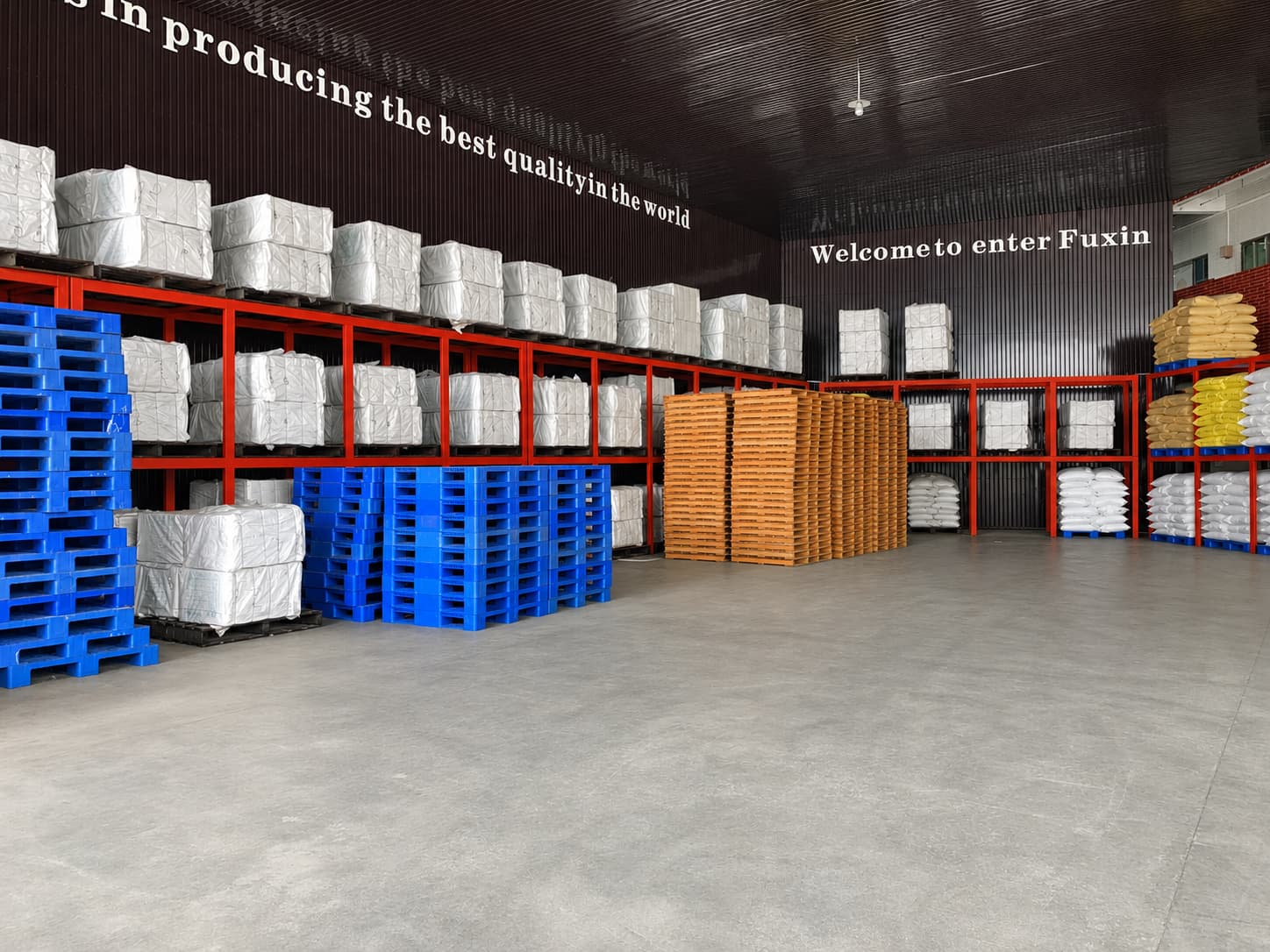
Покупатели могут ознакомиться с общей информацией о производстве и качестве продукции компании через Производство и качество .
Техническая квалификация может включать
Анализ действующего технического описания (TDS) или физического образца заказчика
Узнайте, в чём заключается разница между документами TDS, SDS и COA, на что следует обратить внимание покупателям текстильной печати, а также как проверять технические характеристики, данные по безопасности, методы испытаний, результаты испытаний партий продукции и информацию об издателях документов.
Узнайте, как оценить производителя загустителей для текстильной печати, проверив данные о компании, производственные возможности, методы испытаний, отслеживаемость партий, техническую документацию, предоставление образцов и возможности экспортных поставок.
Альгинат натрия широко используется в текстильной печати в качестве стабильного и стойкого к стирке загустителя для реактивных печатных паст. Узнайте, как перед покупкой оценить класс вязкости, степень чистоты и пригодность продукта для конкретного применения, а также о том, как компания FSX Chemical оказывает поддержку покупателям по всему миру, предоставляя технические данные и образцы.
Выбор подходящего поставщика CMC — это не просто сравнение цен. В данном руководстве рассмотрены критерии оценки, перечень необходимых документов и порядок проведения пробных поставок, которым должны руководствоваться отделы закупок перед оформлением крупного заказа.
Печатная паста на основе CMC используется в пигментной, реактивной и цифровой текстильной печати. В данном руководстве объясняется, какие параметры имеют значение, как сравнивать поставщиков и что следует уточнить перед размещением оптового заказа.
Понимание источников сырья для производства альгината натрия и технологического процесса его изготовления помогает специалистам по закупкам задавать более целенаправленные вопросы и более эффективно оценивать поставщиков. В данном руководстве рассматриваются виды морских водорослей, этапы экстракции, источники примесей, а также то, как должен выглядеть стабильный производственный процесс в документации поставщика.
Неправильное хранение является одной из наиболее распространённых причин проблем с эффективностью альгината натрия при печати на текстиле. В данном руководстве рассматриваются условия хранения порошка и пасты, предполагаемый срок годности, признаки ухудшения качества, а также то, на что следует обратить внимание при получении новой партии товара.
Технические паспорта у разных поставщиков различаются по формату и полноте информации, и не все поля одинаково важны для всех сфер применения. В данном руководстве пошагово рассматривается типичный технический паспорт альгината натрия, раздел за разделом, с объяснением значения каждого параметра и того, как выявить пробелы или «красные флажки».
Многие поставщики предлагают "алгинат натрия, изготовленный по индивидуальному заказу", однако на практике этот термин охватывает совершенно разные вещи. В данном руководстве объясняется, какие параметры действительно можно настраивать, а какие определяются фундаментальными законами химии, а также как оценивать заявления поставщиков о возможности индивидуальной настройки.
Когда на полу появляется дефект печати, задача состоит в том, чтобы быстро выявить его причину. В данном справочнике распространенные дефекты, связанные с использованием пасты альгината натрия, сгруппированы по симптомам; вероятные причины ранжированы по степени вероятности, а для каждой из них приведены практические рекомендации по первоочередной проверке.
Оптовая закупка альгината натрия требует большего, чем просто сравнение цены за единицу. В данном руководстве объясняется, как закупщики в сфере текстильной печати могут проверить вязкость, размер ячейки сетки, степень чистоты, упаковку, сертификат анализа (COA), результаты испытаний образцов и стабильность партии перед размещением оптовых заказов.
Выбор поставщика химических веществ для текстильной печати — это не просто сравнение названий продуктов и цен. В данном руководстве объясняется, как покупателям оценить ассортимент продукции, техническую документацию, испытания образцов, стабильность партий, качество коммуникации и поддержку со стороны поставщика до начала сотрудничества.
Сообщите название продукта, область применения, количество, пункт назначения, а также предоставьте техническое описание продукта (TDS),
фотографию образца или имеющиеся у вас документы. Компания FSX Chemical рассмотрит
эту информацию и порекомендует дальнейшие действия для подготовки коммерческого предложения, подбора образца
или выбора продукта.
Информация о продуктеНазвание продукта, марка, модель, фото этикетки или данные о продукте текущего поставщика.
Доступные документыTDS, SDS, COA, фотография образца, перечень продукции или данные испытаний.
Детали заказаПредполагаемый объем, упаковка, страна назначения, порт или условия торговли.
Область применения или проблемаПроцесс печати на текстиле, требования к составу, текущие проблемы или целевые показатели.