














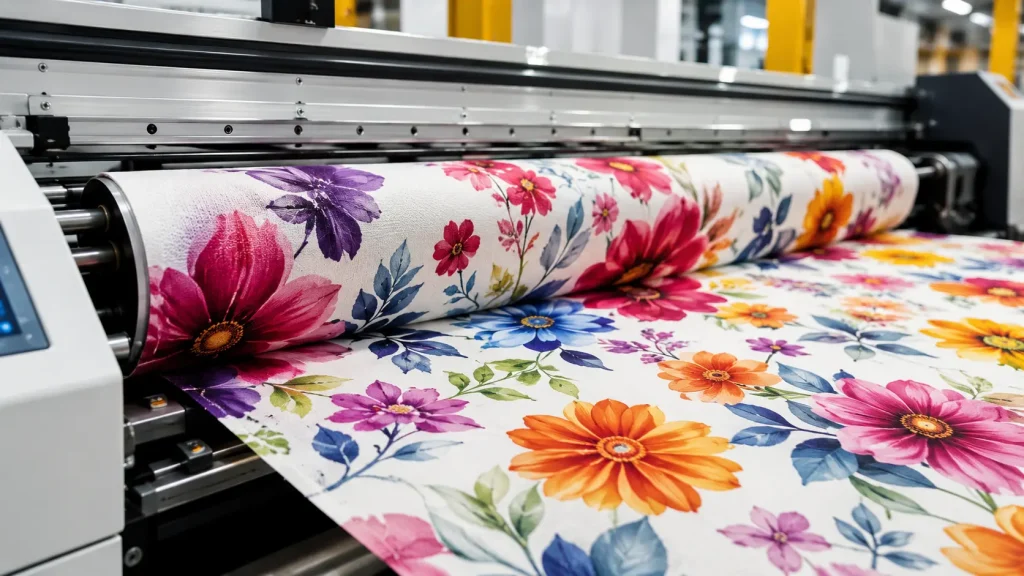
В данном руководстве объясняется, как предприятия по печати на текстиле, фабрики по крашению и печати, а также дистрибьюторы химической продукции могут оценивать альгинат натрия как с точки зрения эксплуатационных характеристик, так и в рамках анализа экологической документации.
Что означает термин “экологически безопасный альгинат натрия” в сфере закупок?
Это следует рассматривать как утверждение, требующее проверки
В сфере закупок химической продукции в сегменте B2B понятие “экологически безопасный” носит широкий характер. Разные покупатели могут вкладывать в этот термин разные значения, например: снижение риска, связанного с использованием веществ, подпадающих под ограничения; упрощение процедуры внутреннего утверждения; предпочтение в отношении происхождения продукции; или наличие документального подтверждения для проведения аудитов со стороны клиентов.
Поскольку этот термин носит общий характер, покупателям следует уточнить, что именно им требуется. Поставщику не следует полагаться исключительно на рекламные формулировки. Заявление должно подкрепляться соответствующими документами, если оно влияет на решение о закупке.
Пригодность для конкретного применения по-прежнему остается главным критерием
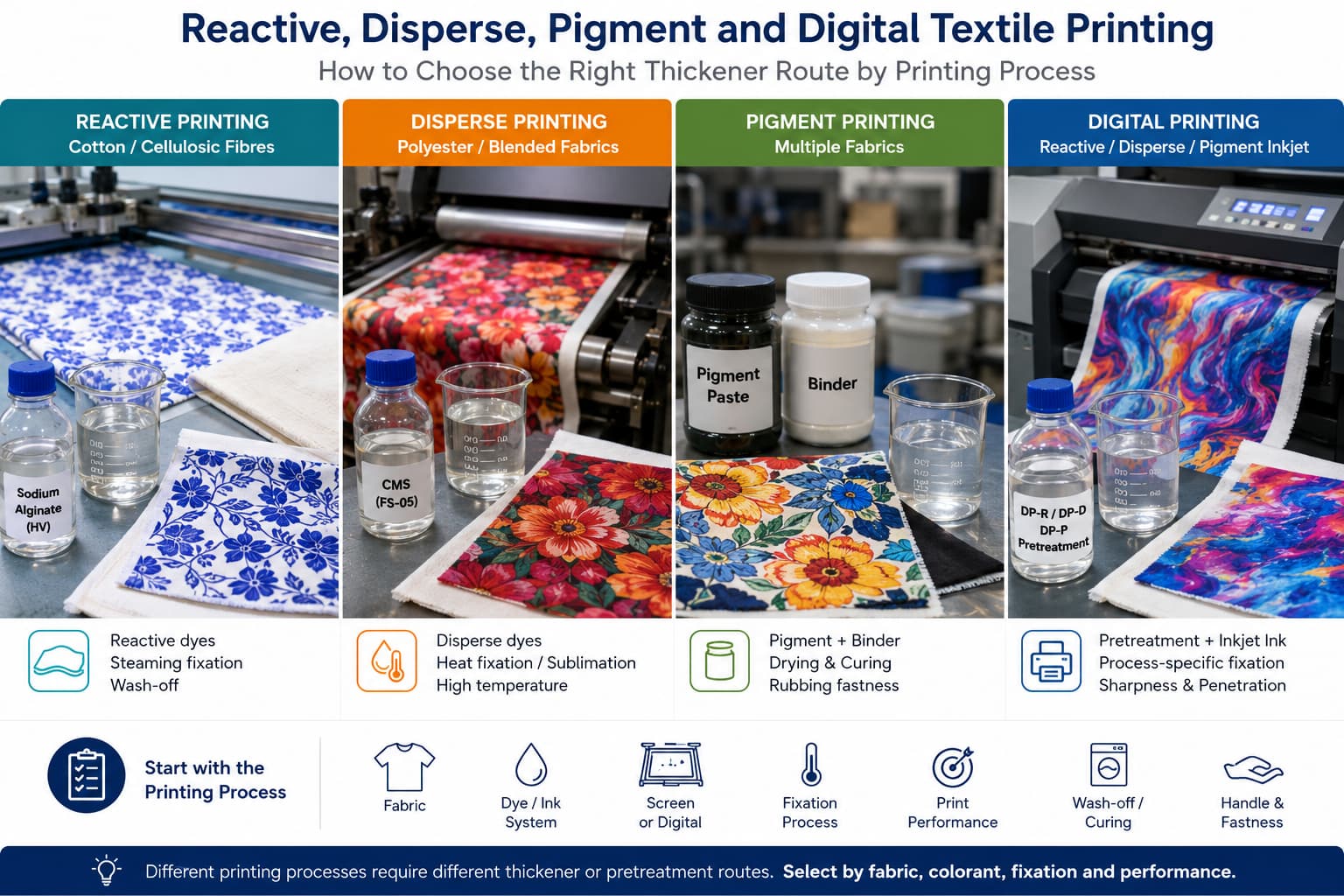
Даже если продукт позиционируется как экологически безопасный, он все равно должен подходить для процесса печати на текстиле, используемого покупателем. Марка продукта должна соответствовать составу реактивной печатной пасты, требуемой вязкости, типу ткани, системе окрашивания, качеству воды и методу подготовки.
Продукт, не соответствующий условиям применения, может вызвать проблемы в производстве, даже если описание условий эксплуатации выглядит привлекательно.
Требования к документам могут различаться в зависимости от покупателя
Некоторым покупателям достаточно паспорта безопасности (SDS) и основной информации о продукте. Другие могут запросить результаты дополнительных испытаний, справки об ограниченных веществах, анкеты, заполняемые с учетом конкретных потребностей заказчика, или документы о сертификации, выданные независимыми организациями.
Перед подтверждением заказа покупателям следует уточнить, какие документы требуются их внутренней команде, заказчику или рынку назначения.
Основные технические характеристики продукта, с которыми следует ознакомиться покупателям
Класс вязкости и метод испытания
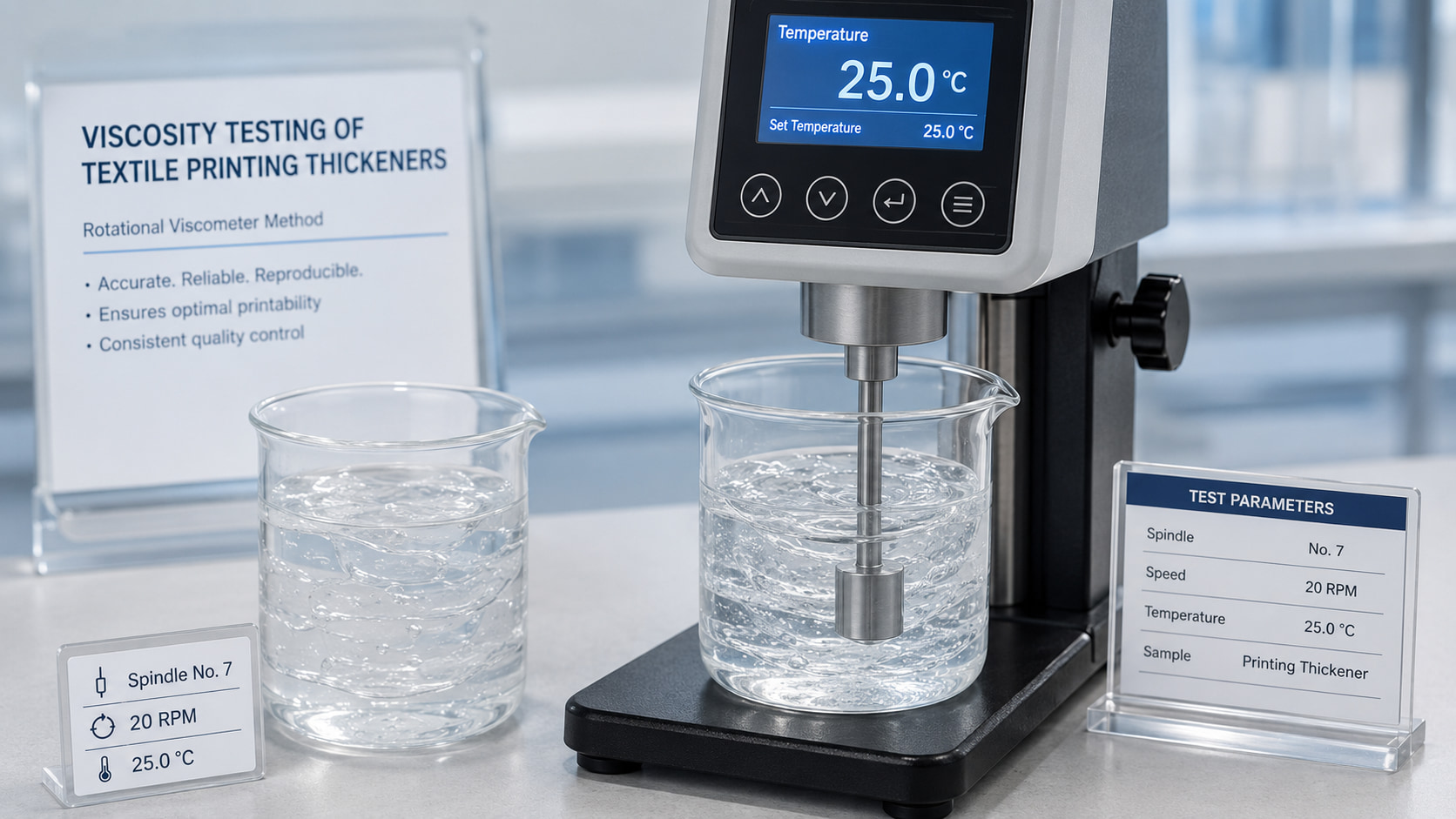
Вязкость является одним из важнейших параметров альгината натрия, используемого в пастах для текстильной печати. Покупателям следует проверять диапазон вязкости, а также испытательную концентрацию, температуру, метод измерения и единицы измерения.
В отсутствие четко определённого метода испытаний значения вязкости, полученные у разных поставщиков, могут оказаться несопоставимыми напрямую.
Размер ячейки и особенности растворения
Размер ячейки сетки может влиять на диспергирование и гидратацию при приготовлении пасты. Однако фактические характеристики растворения также зависят от качества воды, скорости перемешивания, способа добавления, времени приготовления и условий рецептуры.
Покупателям следует протестировать продукт в рамках собственного процесса приготовления пасты, а не полагаться исключительно на размер ячейки, указанный в техническом описании продукта (TDS).
Влажность, pH и внешний вид
Влажность, уровень pH и внешний вид являются основными показателями качества. Они влияют на условия хранения, обращение с продукцией, контроль качества и повторные покупки.
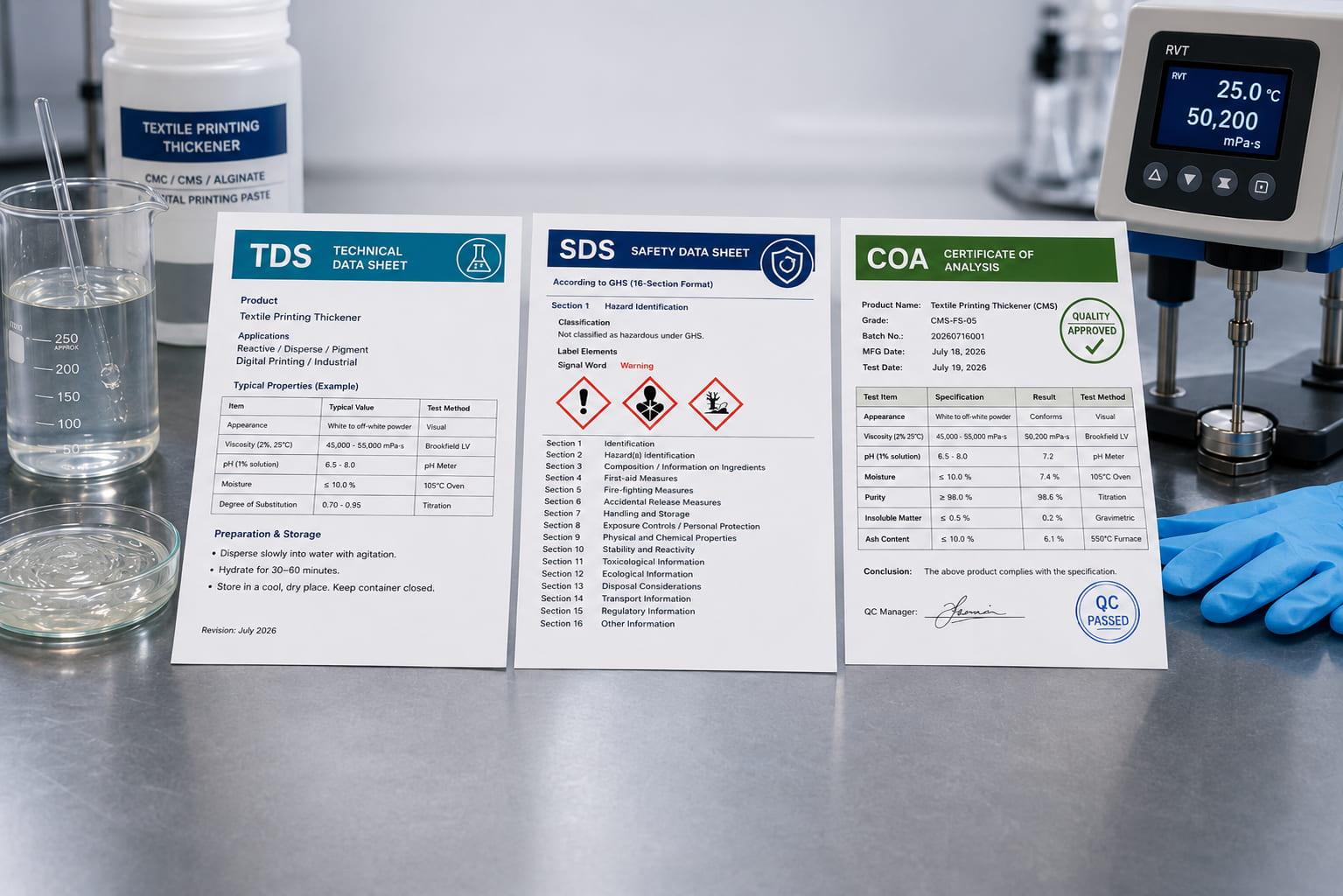
Эти параметры следует проверять в техническом описании продукта (TDS) и подтверждать данными сертификата анализа (COA) для каждой производственной партии.
Согласованность партий
При повторных заказах важна стабильность партий. Если вязкость, влажность или характеристики растворения значительно меняются от партии к партии, заводу, возможно, придется вновь скорректировать рецептуру.
Покупатели должны сравнить данные сертификатов соответствия и убедиться, что ключевые параметры по-прежнему находятся в пределах согласованного диапазона технических характеристик.
Документы, которые необходимо проверить перед принятием заявлений об экологичности
TDS для проверки технического задания
Технический паспорт помогает покупателям ознакомиться со стандартными техническими характеристиками продукции. В него должны быть включены такие ключевые параметры, как внешний вид, вязкость, размер ячейки сетки, влажность, pH, условия хранения и метод испытаний.
TDS полезен для технического сравнения, но не заменяет испытания образцов в составе, разработанном самим покупателем.
COA для подтверждения партии
Сертификат анализа подтверждает фактические данные по конкретной партии. Он играет важную роль при размещении оптовых заказов, повторных закупках, поставках дистрибьюторам и внутреннем контроле качества.
В случаях, когда важны требования к экологичности или качеству, покупателям следует также уточнить, может ли быть предоставлена соответствующая информация о партии, если это применимо.
Паспорт безопасности (SDS) для оценки мер по обращению и технике безопасности
Паспорт безопасности служит руководством по обращению, хранению, транспортировке и проведению внутренней проверки безопасности. При международных закупках паспорт безопасности может также потребоваться для оформления отгрузки и ведения переписки с таможенными органами.
Покупатели должны убедиться, что название продукта в паспорте безопасности (SDS) и данные о поставщике соответствуют документам заказа.
Дополнительные документы, касающиеся охраны окружающей среды или веществ, подлежащих ограничению
Если покупателю требуется подтверждение, касающееся веществ, использование которых ограничено, требований к сертификации или требований к аудиту со стороны заказчика, об этом следует четко заявить до подтверждения заказа.
Поставщики должны пояснить, какие документы могут быть предоставлены, а какие заявления требуют проведения независимых испытаний или официальной сертификации.
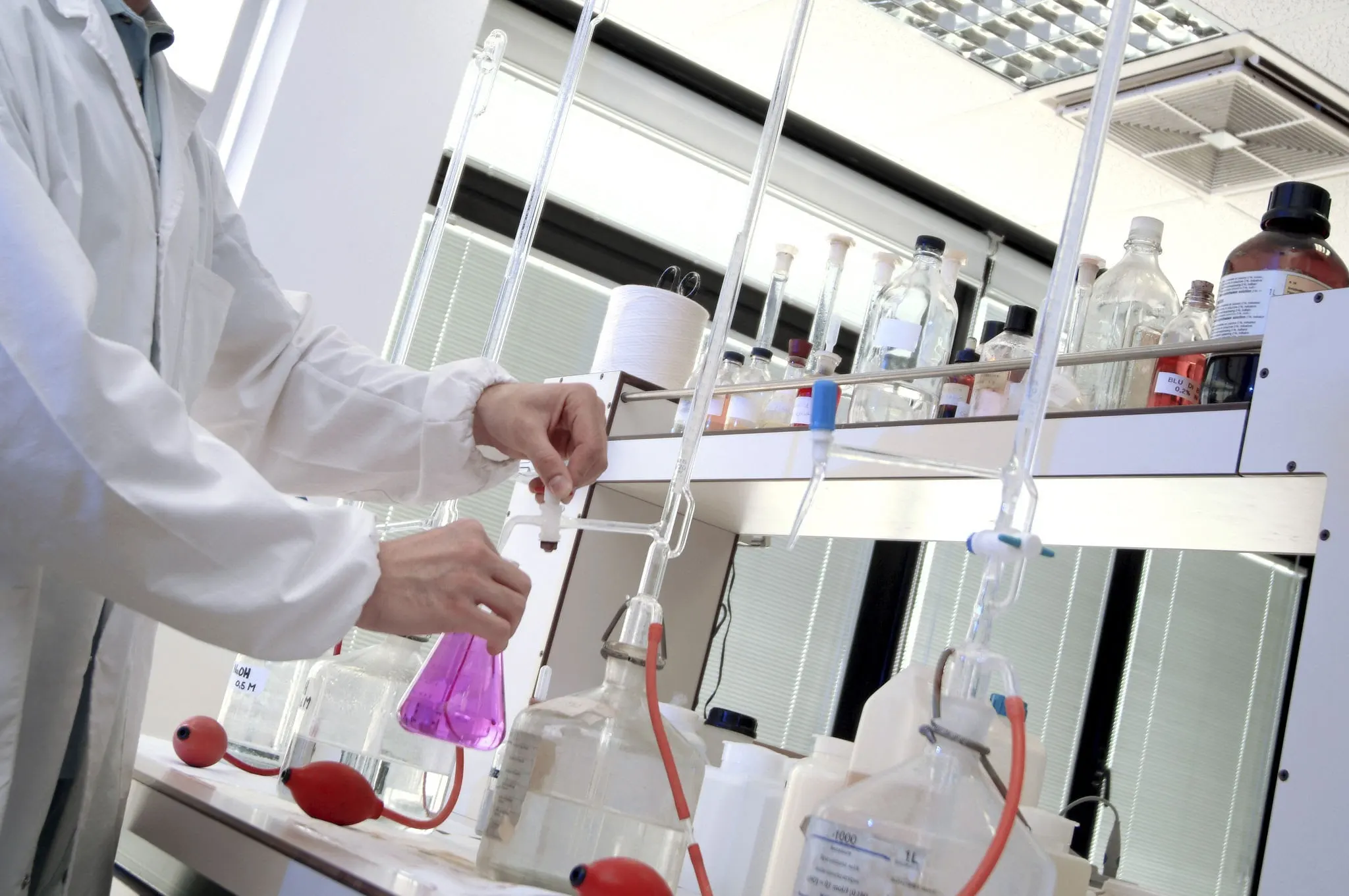
Как проверить альгинат натрия перед оптовой закупкой
Испытание реальной рецептуры печатной пасты
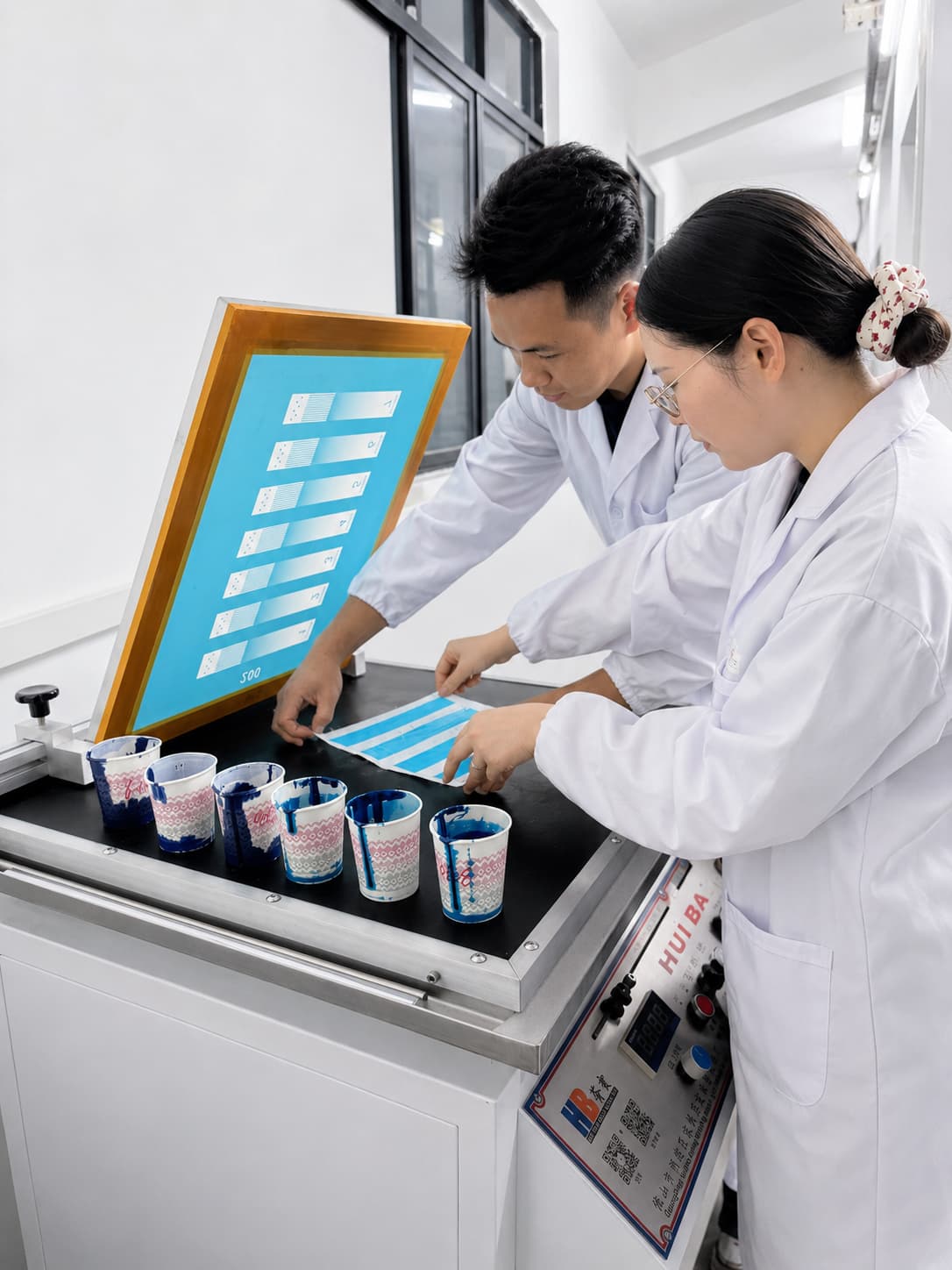
Испытания образцов следует по возможности проводить с использованием собственной рецептуры заказчика. На конечные свойства пасты могут влиять красящие вещества, вспомогательные вещества, качество воды, pH, способ перемешивания, концентрация пасты и время хранения.
Проведение испытаний исключительно в чистой воде может оказаться недостаточным для подтверждения пригодности данного сорта альгината натрия для производства.
Проверьте однородность пасты и степень фильтрации
В ходе испытаний покупатели должны обратить внимание на скорость растворения, однородность пасты, наличие комков, характеристики фильтрации, стабильность вязкости и удобство нанесения.
Эти практические наблюдения зачастую не менее важны, чем технические характеристики, приведенные в техническом паспорте (TDS).
Сравнение утвержденного образца с партией товара
Перед размещением оптового заказа покупателям следует уточнить, будут ли утвержденный образец и оптовая партия соответствовать одним и тем же требованиям в отношении диапазона вязкости, размера ячейки сетки, формата упаковки, отслеживаемости партии и сертификата анализа (COA).
Это позволяет снизить риск несоответствия между пробой и основной партией.
Распространенные ошибки при покупке экологически безопасного альгината натрия
Признание статуса “экологически безопасного” без предоставления документов
К формулировкам, касающимся экологических аспектов, следует относиться с осторожностью. Покупателям следует уточнять, что именно подразумевается под данным утверждением и какие подтверждающие документы имеются в наличии.
Если требуется конкретный сертификат, предельное содержание ограниченных веществ или заявление о соответствии, покупателю следует запросить их до совершения покупки.
Пренебрежение вопросами производительности приложений
Даже если на продукт имеются все необходимые документы, он всё равно может не соответствовать рецептуре печатной пасты, требуемой покупателем. Необходимо провести испытания на вязкость, растворимость, однородность пасты, фильтрацию и стабильность.
Как анализ документации, так и тестирование приложений необходимы для принятия обоснованных решений о закупках.
Выбор исключительно по цене или на основании общих заявлений поставщика
Цена имеет значение, но она не должна быть единственным фактором. Перед подтверждением оптовых заказов покупателям следует тщательно изучить технические характеристики, стабильность качества партий, упаковку, экспортную документацию и качество взаимодействия с поставщиком.
Это особенно важно для дистрибьюторов и заводов, которым необходимы стабильные и регулярные поставки.
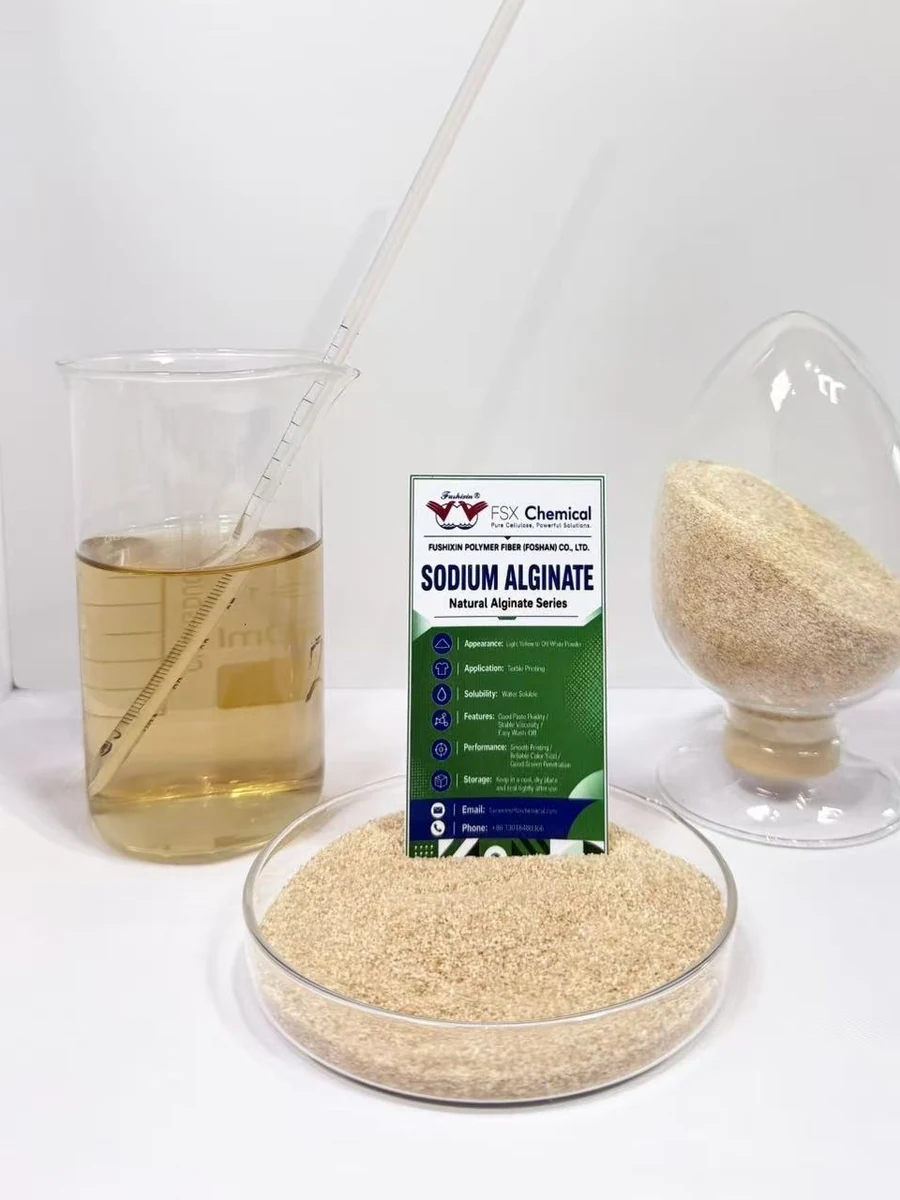
Как компания FSX Chemical оказывает поддержку покупателям альгината натрия
Мы не рекомендуем полагаться при оценке экологичности альгината натрия исключительно на общие заявления о его экологичности, название продукта или цену. Перед оптовой закупкой рекомендуется изучить техническую документацию по данному сорту и протестировать его в собственной рецептуре покупателя.
Следующие шаги
- Уточните свои экологические требования — Укажите, требуются ли вам паспорта безопасности (SDS), заявления об ограниченных веществах, анкеты для клиентов или документы о сертификации третьей стороной.
- Запросить TDS — проанализировать диапазон вязкости, размер ячейки сетки, pH, влажность, внешний вид, условия хранения и метод испытаний.
- Запросить сертификат подлинности (COA) — перед отгрузкой убедиться, что данные по партии соответствуют согласованному диапазону технических характеристик.
- Попросите о приравнивании оценок — сообщите нам о процессе печати, типе ткани, требуемой вязкости, текущем составе и, если возможно, о существующем сорте продукции.
- Запросить образец — Перед оформлением оптовых заказов протестируйте рекомендуемый сорт альгината натрия в условиях, характерных для вашего процесса приготовления пасты и печати.
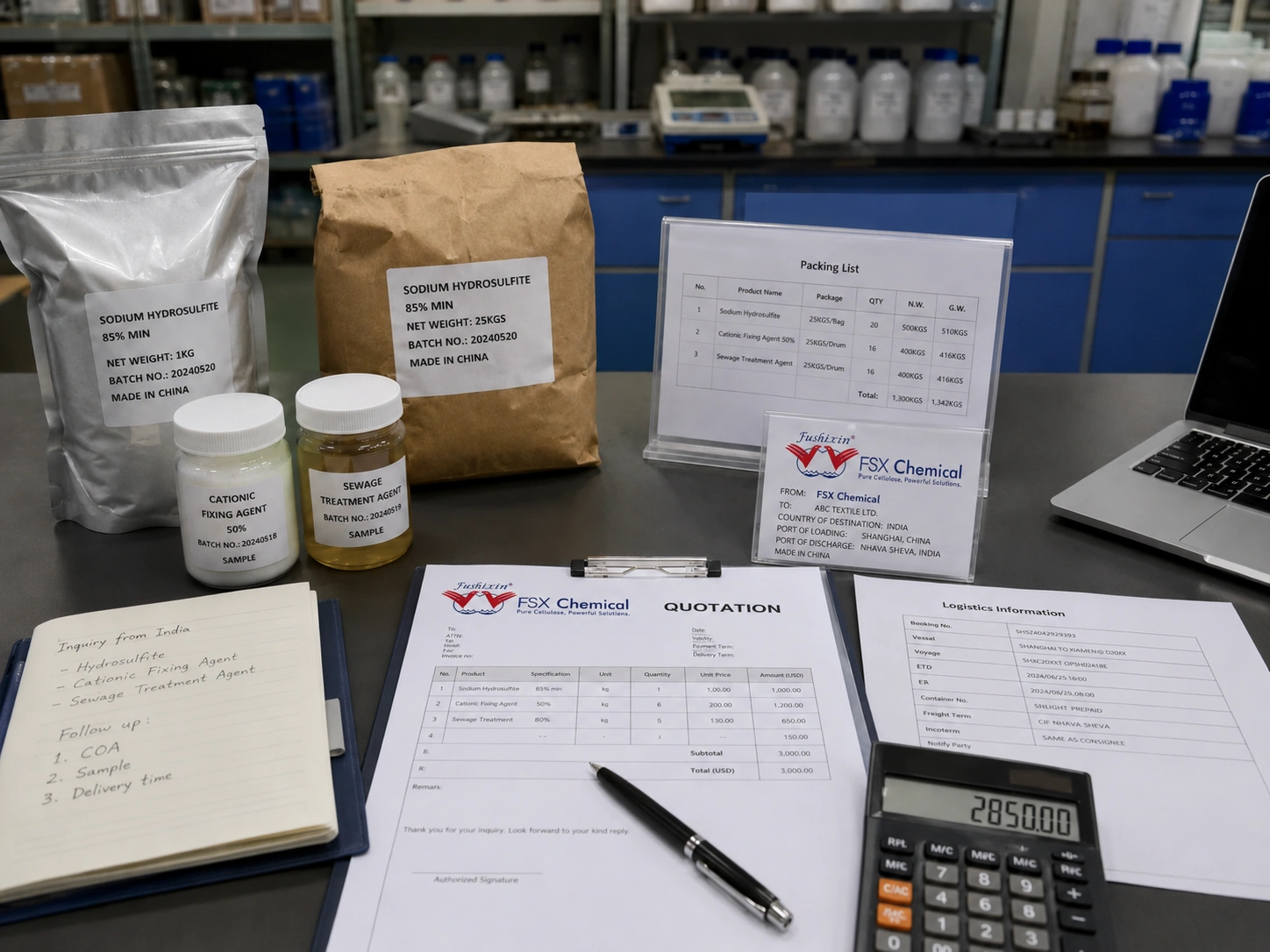
- Подтвердить упаковку и экспортные документы — перед отправкой проверьте размеры упаковки, этикетки, возможность отслеживания партии, паспорт безопасности (SDS), счет-фактуру, упаковочный лист и другие необходимые документы.
- CСвяжитесь с нашей технической службой — обсудите, какой сорт альгината натрия и какая документация подходят для вашего текстаПриложение для печати на плитке📧 Электронная почта: Service@fsxchemical.com