RU
RU  EN
EN  BN
BN  ES
ES  TR
TR  FR
FR  ID
ID  AR
AR  UR
UR  VI
VI  TL
TL  HI
HI  UK
UK  KK
KK  KA
KA  UZ
UZ 
В данном руководстве объясняется, на что следует обратить внимание покупателям при закупке альгината натрия текстильного качества у производителя.
Почему альгинат натрия текстильного назначения требует технической экспертизы
Одного только названия продукта недостаточно
Термин “альгинат натрия текстильного назначения” может охватывать различные сорта. Два продукта могут выглядеть одинаково в виде порошка, но при приготовлении печатной пасты они могут демонстрировать разные эксплуатационные характеристики.
Перед утверждением продукта покупателям следует ознакомиться с фактическим диапазоном технических характеристик, методом испытаний, результатами испытаний образцов и данными по партии.
Стабильность вязкости имеет важное значение для печатной пасты
В пасте для текстильной печати вязкость влияет на процесс приготовления пасты, прохождение через трафарет, контроль качества рисунка и технологию производства. Если вязкость значительно меняется от партии к партии, предприятию, возможно, придется вновь скорректировать рецептуру.
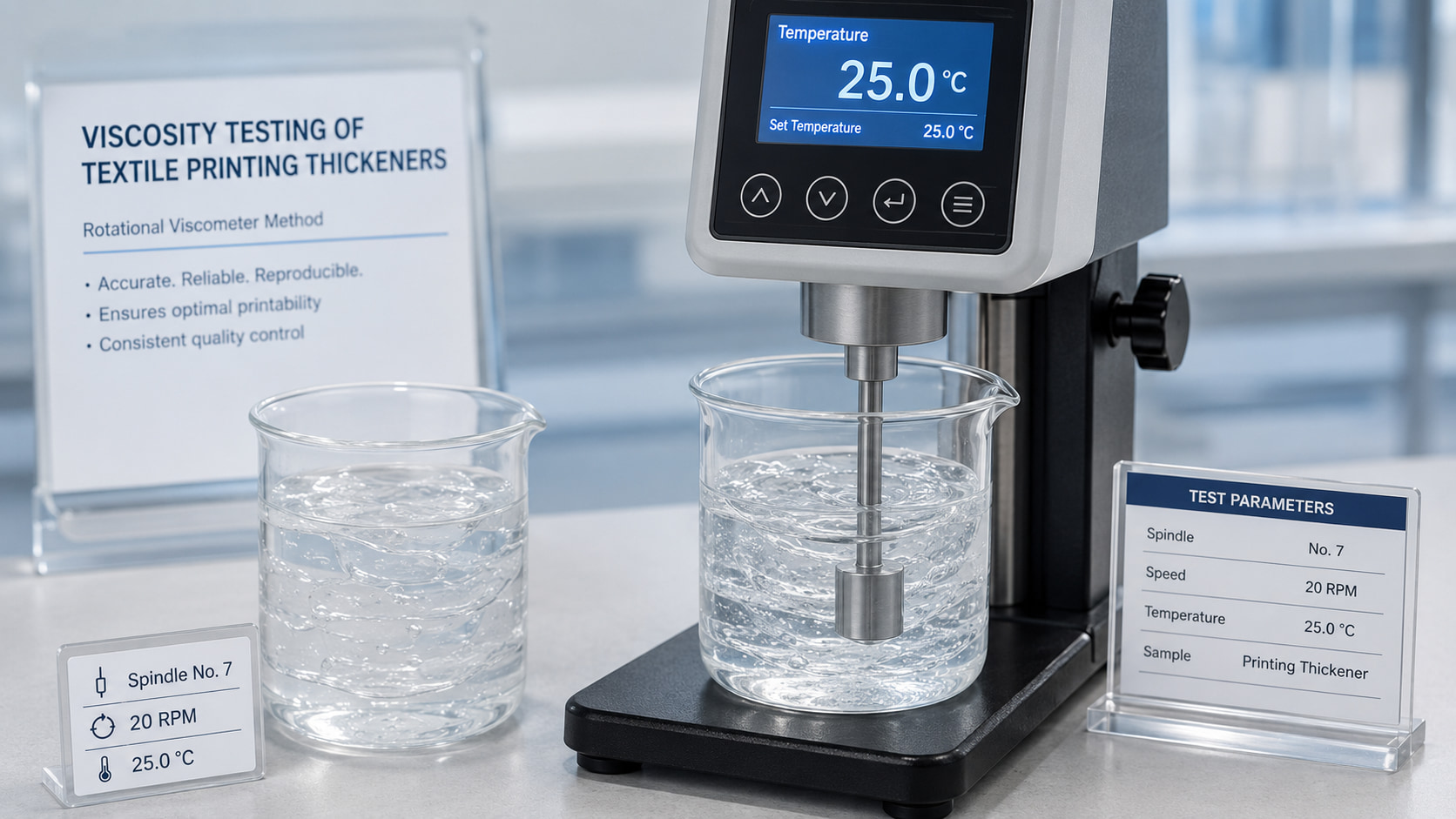
Надежный производитель должен предоставлять четкие данные о вязкости и объяснять в техническом описании продукта (TDS) концентрацию, температуру, единицы измерения и метод, использованные при испытаниях.
Утверждение образца должно быть увязано с оптовыми поставками
Результаты анализа образца полезны, однако покупатели должны убедиться, что партия товара будет соответствовать тем же техническим характеристикам, что и утвержденный образец.
Перед размещением оптового заказа покупателям следует ознакомиться с данными сертификата соответствия (COA), информацией о партии, сведениями об упаковке и согласованными параметрами качества.
Основные технические характеристики, которые необходимо проверить
Класс вязкости и метод испытаний
Вязкость является одним из важнейших параметров при выборе альгината натрия текстильного назначения. Более высокий класс вязкости не всегда является лучшим. Подходящий класс зависит от технологии печати, концентрации пасты, типа ткани и требуемых характеристик пасты.
Покупателям следует уточнить диапазон вязкости, концентрацию раствора для испытаний, температуру, метод измерения и единицы измерения. Без этих сведений значения вязкости, предоставленные разными поставщиками, могут оказаться несопоставимыми.
Размер ячейки и особенности растворения
Размер ячейки сетки может влиять на процесс диспергирования и гидратации альгината натрия при приготовлении пасты. Однако фактический результат растворения также зависит от качества воды, скорости перемешивания, способа добавления и времени приготовления.
Покупателям следует проверить характеристики растворения в условиях собственного технологического процесса, а не полагаться исключительно на данные о размере ячейки сетки.
Влажность, pH и внешний вид
Влажность, уровень pH и внешний вид — это основные, но важные показатели качества. Они влияют на условия хранения, обращение с продукцией, контроль качества и повторные покупки.
Эти параметры следует проверить в техническом описании продукта (TDS) и подтвердить данными сертификата анализа (COA) для каждой партии.

Пригодность состава для реактивной печатной пасты
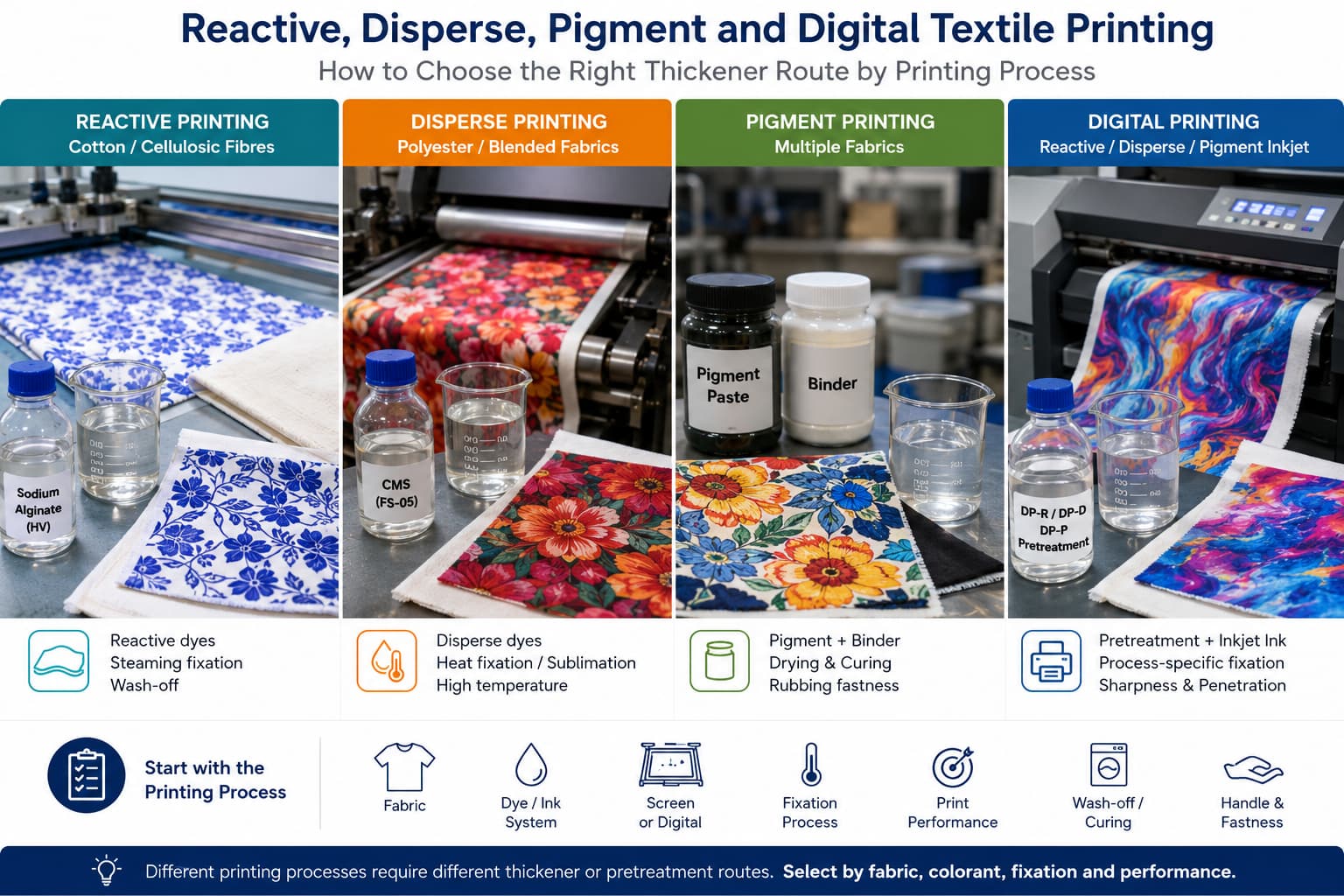
Альгинат натрия текстильного качества часто используется для изготовления паст для реактивной печати, однако выбор подходящего сорта по-прежнему зависит от рецептуры заказчика и условий технологического процесса.
Перед тем как обращаться за рекомендацией, покупателям следует указать используемый метод печати, тип ткани, требуемую вязкость, способ приготовления пасты, а также текущие проблемы в производстве.
Документы, которые следует запросить покупателям
TDS для проверки технического задания
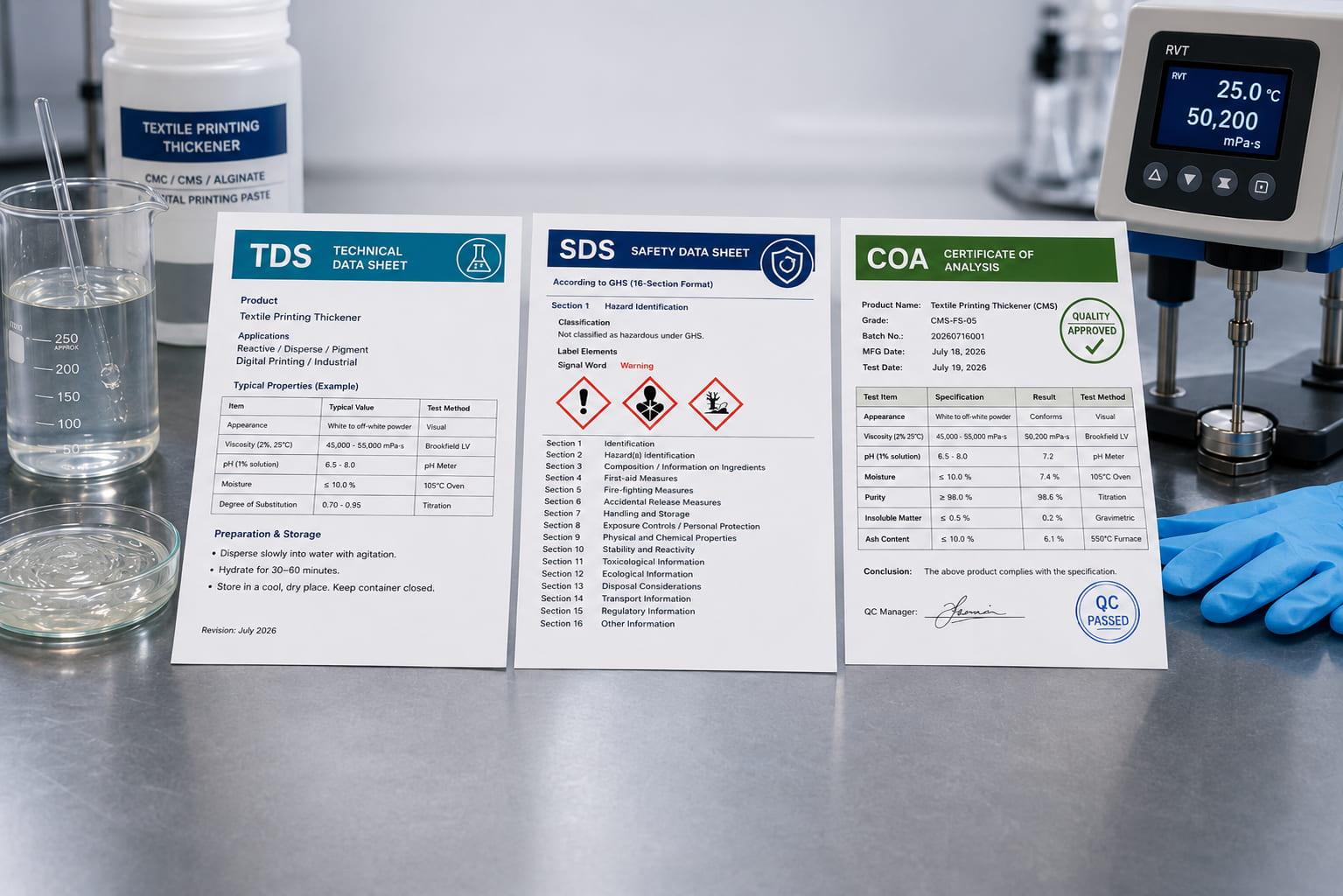
Технический паспорт помогает покупателям ознакомиться со стандартным ассортиментом продукции. В него должны быть включены такие ключевые параметры, как внешний вид, вязкость, размер ячейки сетки, влажность, pH, условия хранения и метод испытаний.
При печати на текстиле необходимо четко указать метод определения вязкости.
COA для подтверждения партии
Сертификат анализа подтверждает фактические данные по конкретной производственной партии. Он играет важную роль при размещении оптовых заказов, повторных закупках, поставках дистрибьюторам и внутреннем контроле качества.
Покупатели могут сравнивать данные сертификатов соответствия (COA) по разным партиям, чтобы проверить, находятся ли ключевые параметры в пределах согласованного диапазона.
Паспорт безопасности (SDS) и экспортные документы — при необходимости
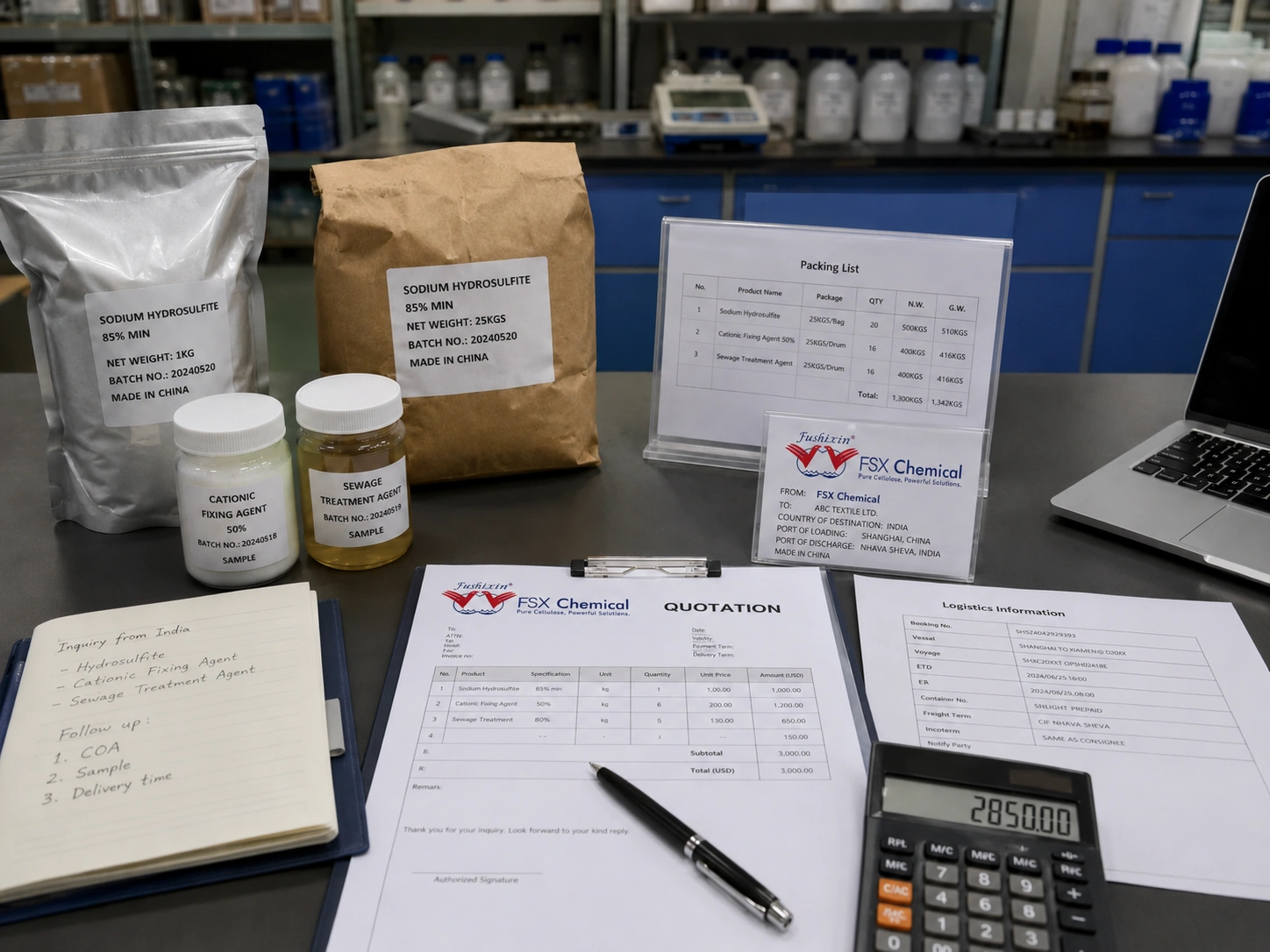
При осуществлении международных закупок покупателям могут также потребоваться паспорта безопасности (SDS), счета-фактуры, упаковочные листы, этикетки и другие документы, связанные с экспортом. Перечень необходимых документов может варьироваться в зависимости от страны назначения, типа продукции и внутренних процедур закупок.
Перед отправкой груза следует уточнить требования к документации, чтобы избежать задержек при внутренней проверке или при взаимодействии с таможенными органами.
Как провести испытание альгината натрия текстильного качества
Испытание в составе реальной пасты
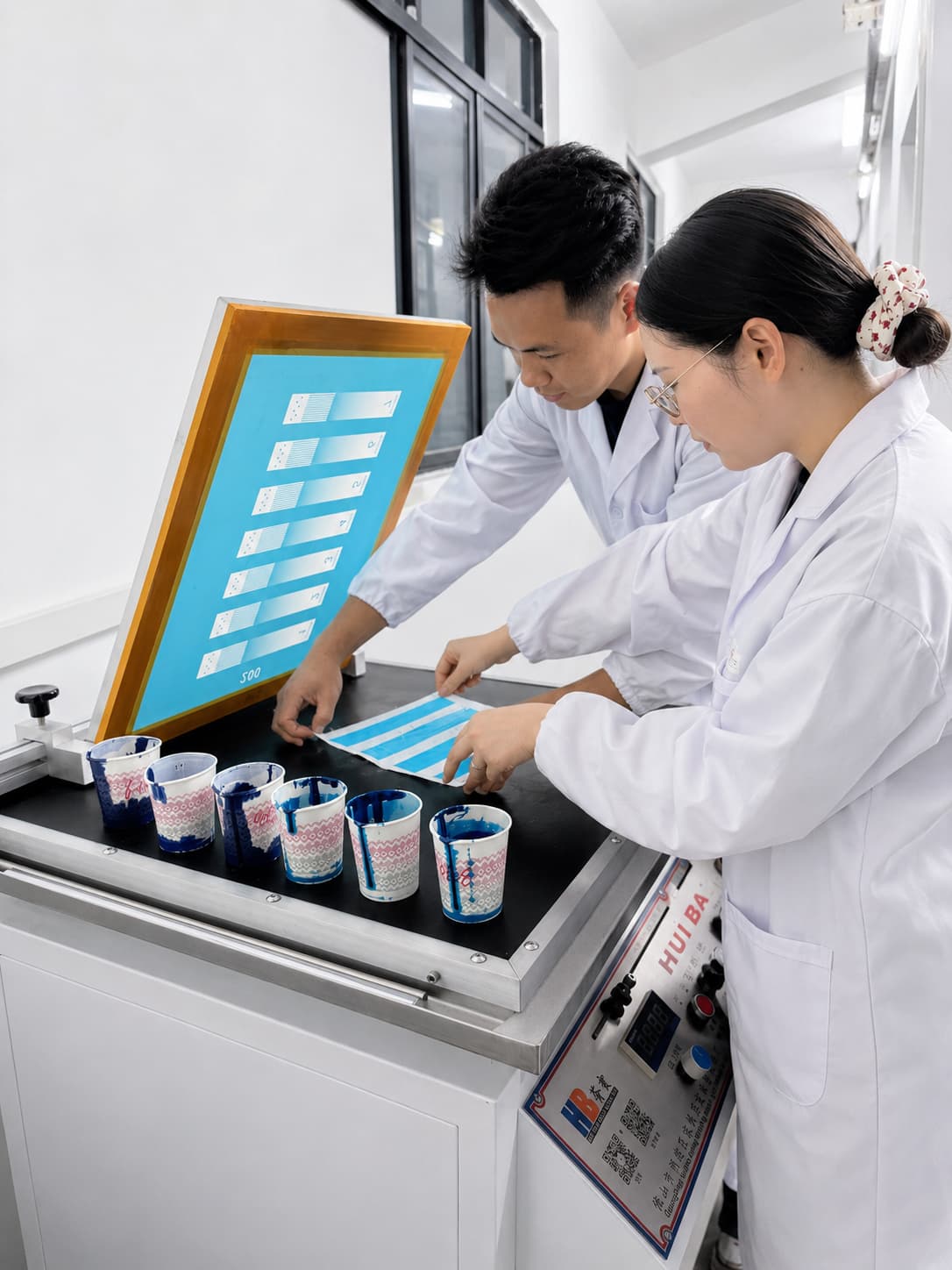
Испытания образцов следует по возможности проводить с использованием пасты, приготовленной по рецептуре самого покупателя. На конечные свойства пасты могут влиять красящие вещества, вспомогательные вещества, качество воды, уровень pH, способ перемешивания и время хранения.
Проведение испытаний исключительно в чистой воде может оказаться недостаточным для подтверждения того, подходит ли данный сорт альгината натрия для реального производства.
Проверьте однородность пасты и степень фильтрации
При тестировании образцов покупателям следует обратить внимание на скорость растворения, однородность пасты, наличие комков, характеристики фильтрации, стабильность вязкости и удобство нанесения.
При нанесении пасты эти практические наблюдения зачастую имеют такое же значение, как и основные технические характеристики.
Сравнение утвержденного образца и оптового заказа
Перед подтверждением оптового заказа покупателям следует уточнить, будут ли утвержденный образец и оптовая партия соответствовать одним и тем же требованиям в отношении диапазона вязкости, размера ячейки сетки, стандартов упаковки, отслеживаемости партии и данных сертификата анализа (COA).
Это позволяет снизить риск несоответствия между пробой и основной партией.
Что делает производителя более надежным?
Четкая техническая коммуникация
Надежный производитель альгината натрия текстильного назначения должен уметь четко объяснять технические характеристики продукции. К ним относятся диапазон вязкости, размер ячейки, влажность, pH, внешний вид, условия хранения и методы испытаний.
Если у покупателя уже имеется марка материала, производитель должен иметь возможность сопоставить её с требуемыми техническими характеристиками и порекомендовать подходящую исходную марку для проведения испытаний.
Отслеживание партий и контроль упаковки
При размещении оптовых заказов важно обеспечить отслеживаемость партий. Перед отгрузкой покупатели должны проверить информацию на этикетке продукта, номер партии, вес нетто, дату производства и формат упаковки.
Четкая информация об упаковке и партии может помочь в управлении складом, сравнении сертификатов анализа (COA) и обработке отзывов клиентов.
Реалистичное обсуждение вместо общих утверждений
Профессиональный производитель должен избегать преувеличенных заявлений. Конечные эксплуатационные характеристики по-прежнему зависят от рецептуры покупателя и условий технологического процесса.
Поставщик должен разъяснить, что можно определить путем выбора марки, а что необходимо подтвердить путем испытания образцов.
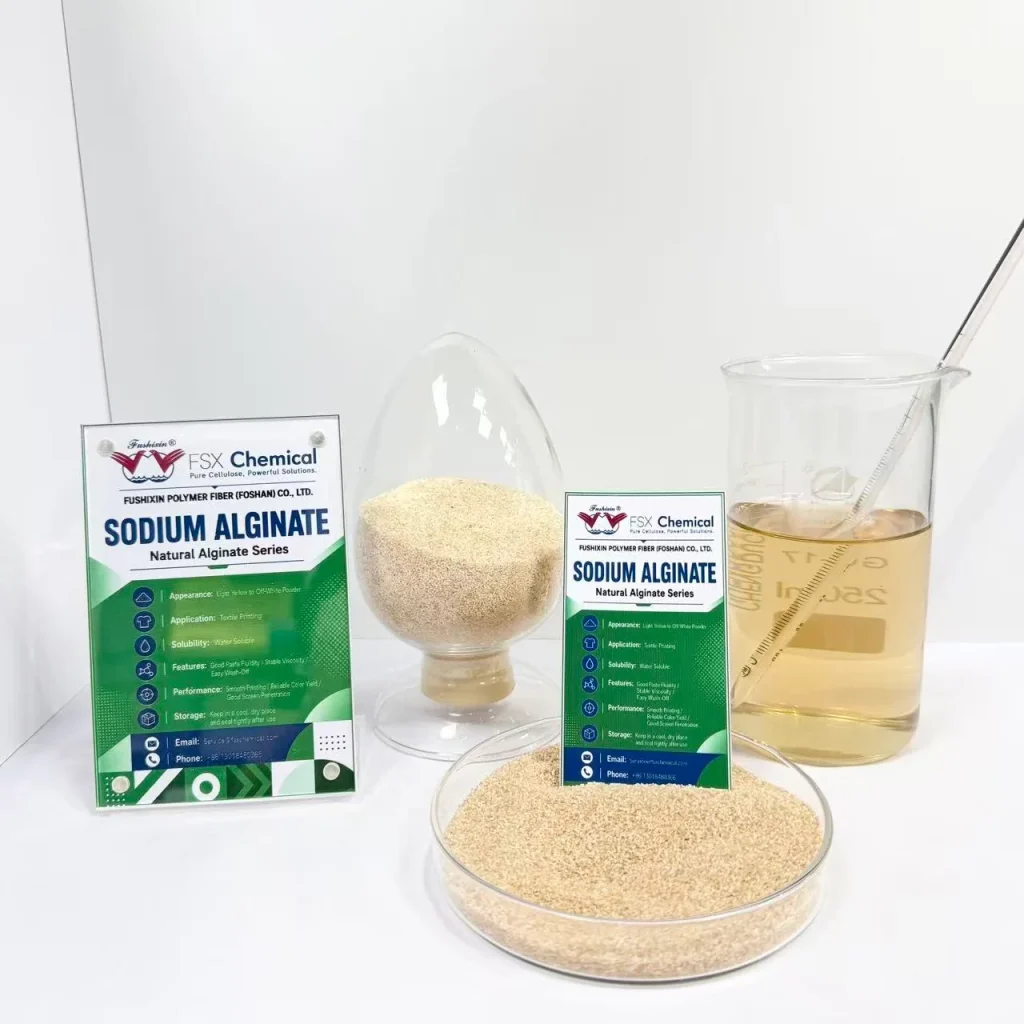
Как компания FSX Chemical оказывает поддержку покупателям альгината натрия
Мы не рекомендуем ориентироваться при выборе альгината натрия текстильного назначения исключительно на цену, название продукта или общие заявления поставщика. Перед оптовой закупкой рекомендуется изучить техническую документацию по данному сорту и проверить его в собственной рецептуре покупателя.
Следующие шаги
- Запросить TDS — проанализировать диапазон вязкости, размер ячейки сетки, pH, влажность, внешний вид, условия хранения и метод испытаний.
- Запросить сертификат подлинности (COA) — перед отгрузкой убедиться, что данные по партии соответствуют согласованному диапазону технических характеристик.
- Попросите о приравнивании оценок — сообщите нам о процессе печати, типе ткани, требуемой вязкости, текущем составе и, если возможно, о существующем сорте продукции.
- Запросить образец — Перед оформлением оптовых заказов протестируйте рекомендованный альгинат натрия текстильного качества при использовании ваших собственных рецептур пасты и условий печати.
- Подтвердить упаковку и экспортные документы — перед отправкой проверьте размеры упаковки, этикетки, возможность отслеживания партии, паспорт безопасности (SDS), счет-фактуру, упаковочный лист и другие необходимые документы.
- Свяжитесь с нашей технической службой — обсудите, какой сорт альгината натрия подходит для вашей задачи по печати на текстиле📧 Электронная почта: Service@fsxchemical.com