 RU
RU  EN
EN  BN
BN  ES
ES  TR
TR  FR
FR  ID
ID  AR
AR  UR
UR 
This guide explains what buyers should review when sourcing sodium alginate for reactive dye printing applications.
Why Sodium Alginate Is Used as a Reactive Dye Thickener
It Helps Build Printing Paste Viscosity
In reactive dye printing, the thickener helps build the paste structure needed for preparation and application. Sodium alginate is often selected where viscosity control, paste formation, and printing paste handling are important.
The suitable grade depends on the target paste viscosity, printing method, fabric type, dye system, and production conditions. A higher viscosity grade is not always the best choice for every process.
Dissolution Behavior Affects Paste Preparation
Dissolution behavior is important during paste preparation. If sodium alginate hydrates unevenly, it may create lumps, poor paste smoothness, or filtration difficulty.
Buyers should test how the product dissolves under their own water quality, stirring method, addition method, preparation time, and formulation conditions.
Final Performance Depends on the Whole Formulation
Sodium alginate performance cannot be judged only by powder appearance or a single viscosity number. Dyes, auxiliaries, pH, water quality, fabric type, paste concentration, and storage time can all affect the final result.
This is why sample testing in the buyer’s own formulation is necessary before confirming a bulk order.
Основные технические характеристики, на которые следует обратить внимание покупателям
Класс вязкости и метод испытания
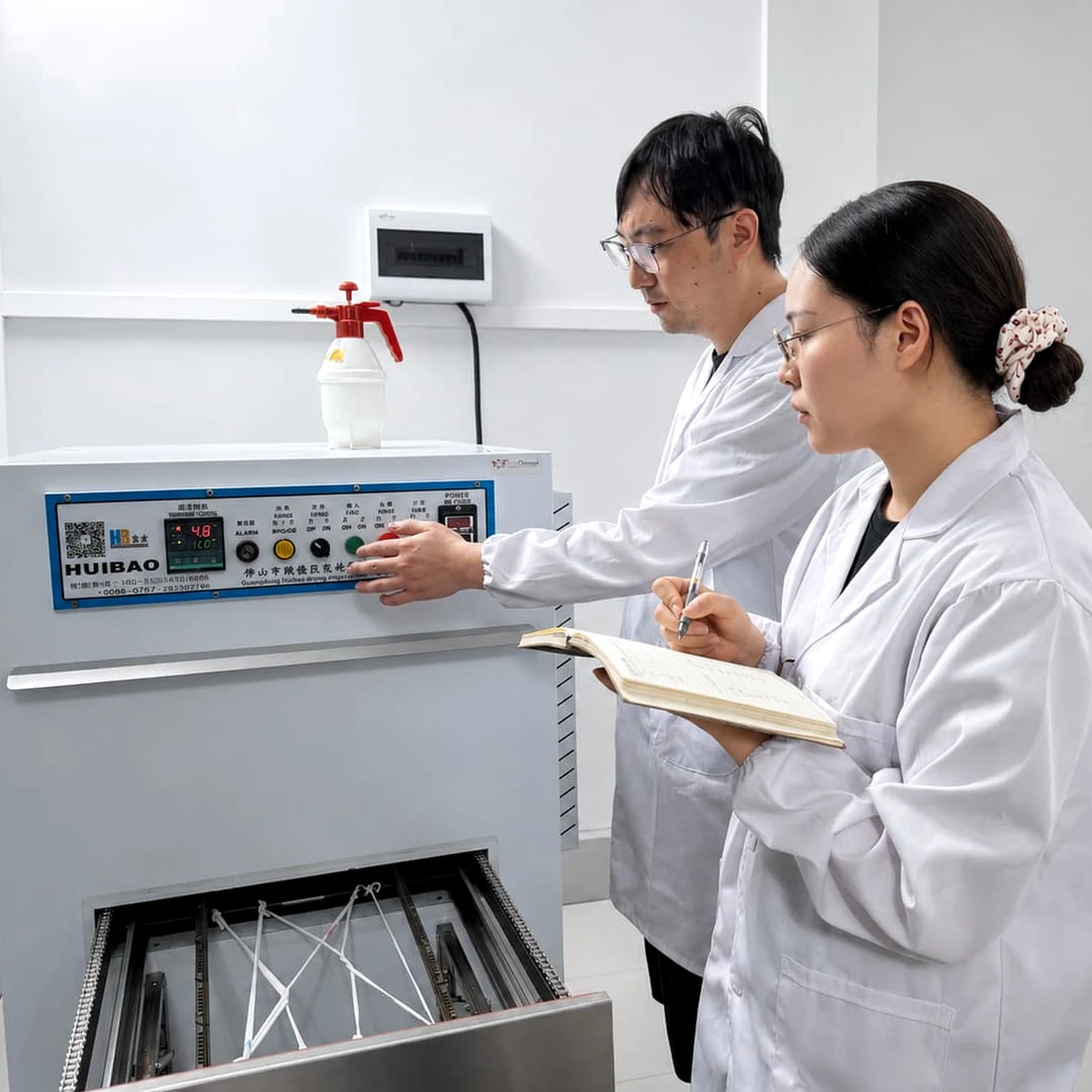
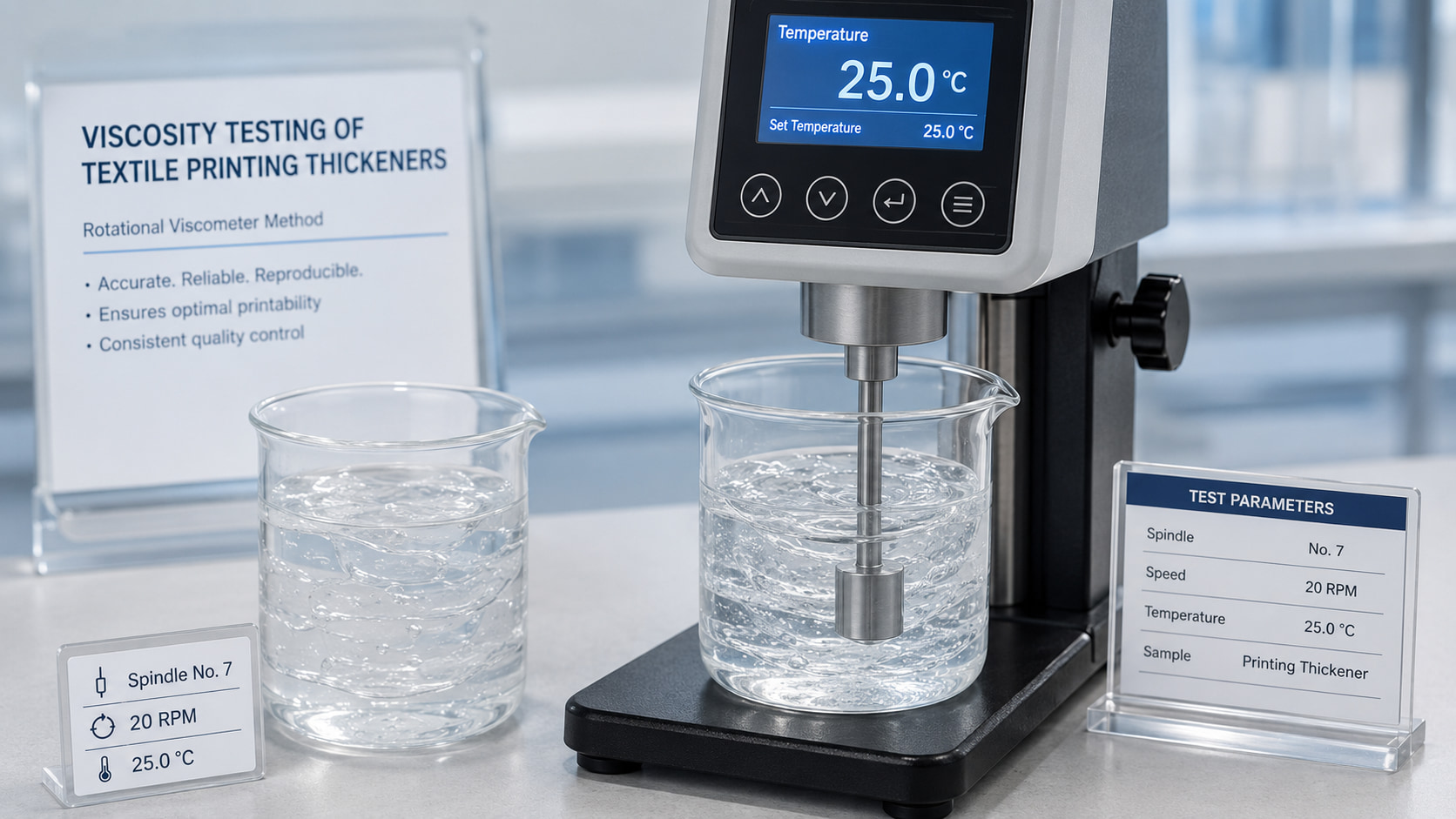
Viscosity is one of the most important parameters for sodium alginate used in reactive dye printing paste. Buyers should check the viscosity range together with the test concentration, temperature, instrument method, and unit.
В отсутствие четко определённого метода испытаний значения вязкости, полученные у разных поставщиков, могут оказаться несопоставимыми напрямую.
Размер ячейки и особенности растворения
Mesh size can influence dispersion and hydration during paste preparation. However, the actual dissolution result also depends on stirring speed, water quality, addition method, and preparation time.
Buyers should not select a grade only by mesh size. The product should be tested in the real paste preparation process.
Влажность, pH и внешний вид
Влажность, уровень pH и внешний вид — это основные, но важные показатели качества. Они влияют на условия хранения, обращение с продукцией, контроль качества и повторные покупки.
Эти параметры следует проверить в техническом описании продукта (TDS) и подтвердить данными сертификата анализа (COA) для каждой партии.
Согласованность партий и данные сертификата анализа
For repeat orders, batch consistency matters. If viscosity, moisture, or dissolution behavior changes significantly between batches, the printing factory may need to adjust the formulation again.
The COA helps buyers confirm actual batch data and compare whether the shipment remains within the agreed specification range.
Как проверить альгинат натрия перед оптовой закупкой
Test in the Actual Reactive Printing Paste Formulation
Sample testing should be done in the buyer’s own reactive printing paste formulation whenever possible. Dyes, auxiliaries, water quality, pH, stirring method, paste concentration, and storage time can all affect final paste behavior.
Проведение испытаний исключительно в чистой воде может оказаться недостаточным для подтверждения пригодности данного сорта альгината натрия для производства.
Проверьте однородность пасты и степень фильтрации
При тестировании образцов покупателям следует обратить внимание на скорость растворения, однородность пасты, наличие комков, характеристики фильтрации, стабильность вязкости и удобство нанесения.
For textile printing paste, these practical observations are often as important as the basic specification data shown in the TDS.
Check Printing Trial Results Carefully
If a printing trial is arranged, buyers can review paste handling, screen passing, pattern edge condition, bleeding tendency, and washing behavior under their own production conditions.
The evaluation should be based on the buyer’s process and internal quality standard rather than broad supplier claims.
Сравнение утвержденного образца с партией товара
Before confirming a bulk order, buyers should ask whether the approved sample and the bulk shipment will follow the same viscosity range, mesh size, packaging format, batch traceability, and COA requirements.
Это позволяет снизить риск несоответствия между пробой и основной партией.
Common Mistakes When Choosing Reactive Dye Thickener Sodium Alginate
Selecting Only by High Viscosity
A high viscosity grade may not automatically match every reactive printing paste system. If the viscosity is too high for the formulation, preparation and application handling may become difficult.
Buyers should select the grade according to the target paste viscosity, process requirement, and testing result.
Comparing Supplier Data Without Test Method
Viscosity values measured under different concentrations, temperatures, or instruments may show different results.
Before comparing suppliers, buyers should ask how the viscosity was tested and whether the method matches their own evaluation process.
Relying on Broad Performance or Compliance Claims
Claims such as “eco-friendly,” “compliant,” “high-performance,” or “preferred solution” should be supported by actual documents or test data when they are important to the buyer’s purchasing process.
For practical product selection, buyers should focus first on TDS, COA, sample testing, batch consistency, and application suitability.
Документы, которые следует запросить покупателям
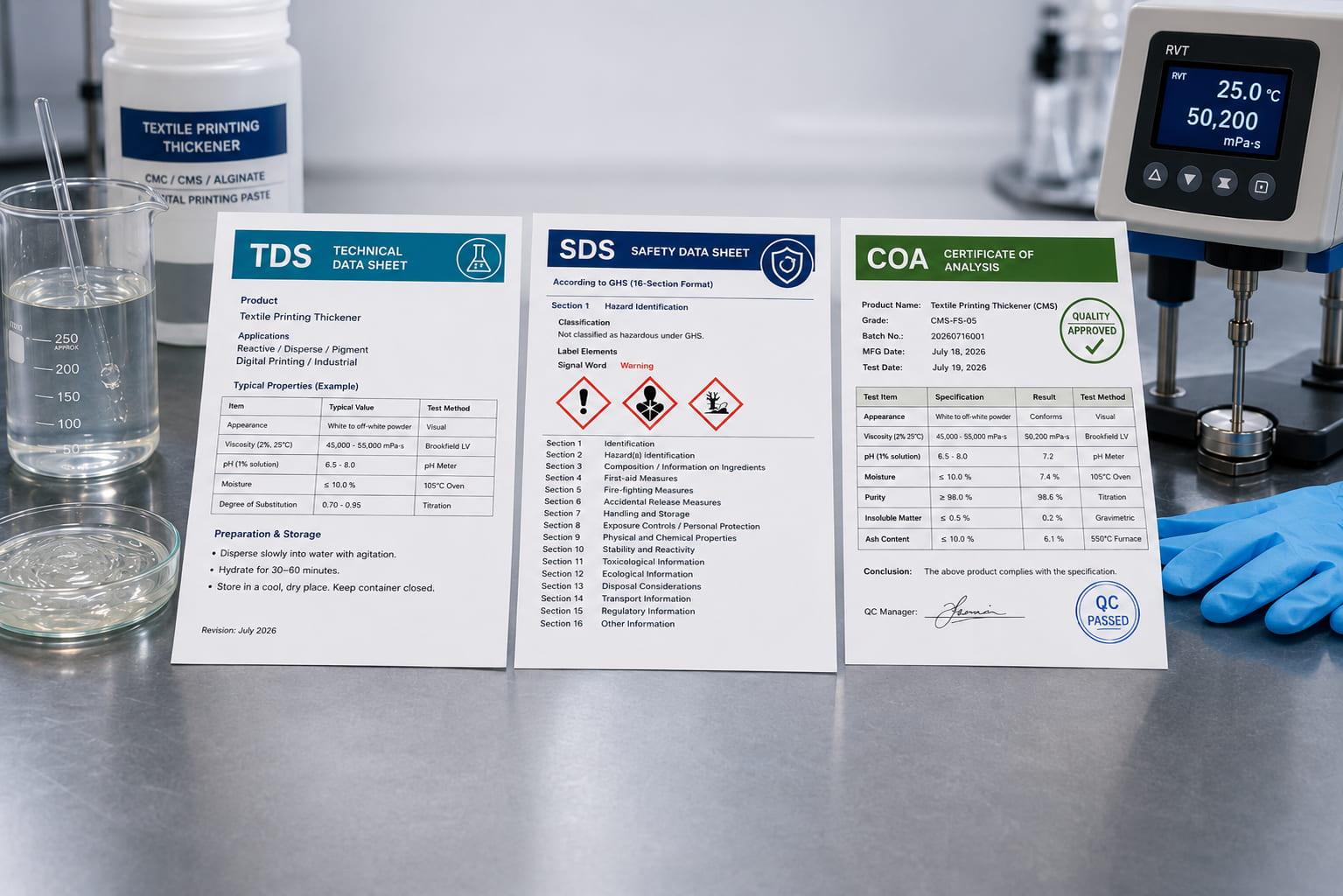
TDS для проверки технического задания
The Technical Data Sheet should include key parameters such as appearance, viscosity, mesh size, moisture, pH, storage conditions, and testing method.
For reactive dye thickener sodium alginate, the viscosity test method should be clearly stated.
COA для подтверждения партии
Сертификат анализа подтверждает фактические данные по конкретной производственной партии. Он играет важную роль при размещении оптовых заказов, повторных закупках, поставках дистрибьюторам и внутреннем контроле качества.
Покупатели могут сравнивать данные сертификатов соответствия (COA) по разным партиям, чтобы проверить, находятся ли ключевые параметры в пределах согласованного диапазона.
Паспорт безопасности (SDS) и экспортные документы — при необходимости
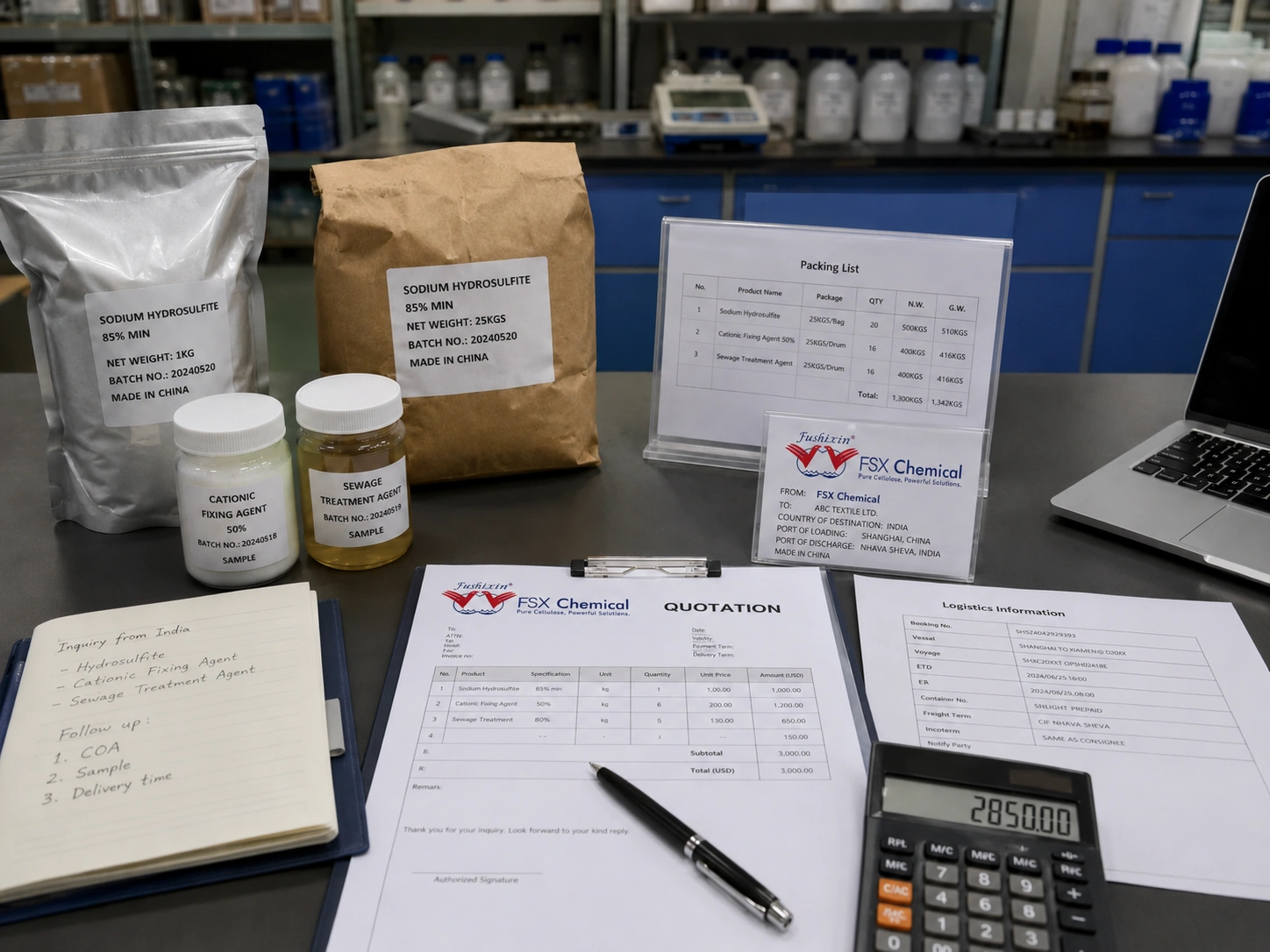
При осуществлении международных закупок покупателям могут также потребоваться паспорта безопасности (SDS), счета-фактуры, упаковочные листы, этикетки и другие документы, связанные с экспортом. Перечень необходимых документов может варьироваться в зависимости от страны назначения, типа продукции и внутренних процедур закупок.
Перед отправкой груза следует уточнить требования к документации, чтобы избежать задержек при внутренней проверке или при взаимодействии с таможенными органами.

Как компания FSX Chemical оказывает поддержку покупателям альгината натрия
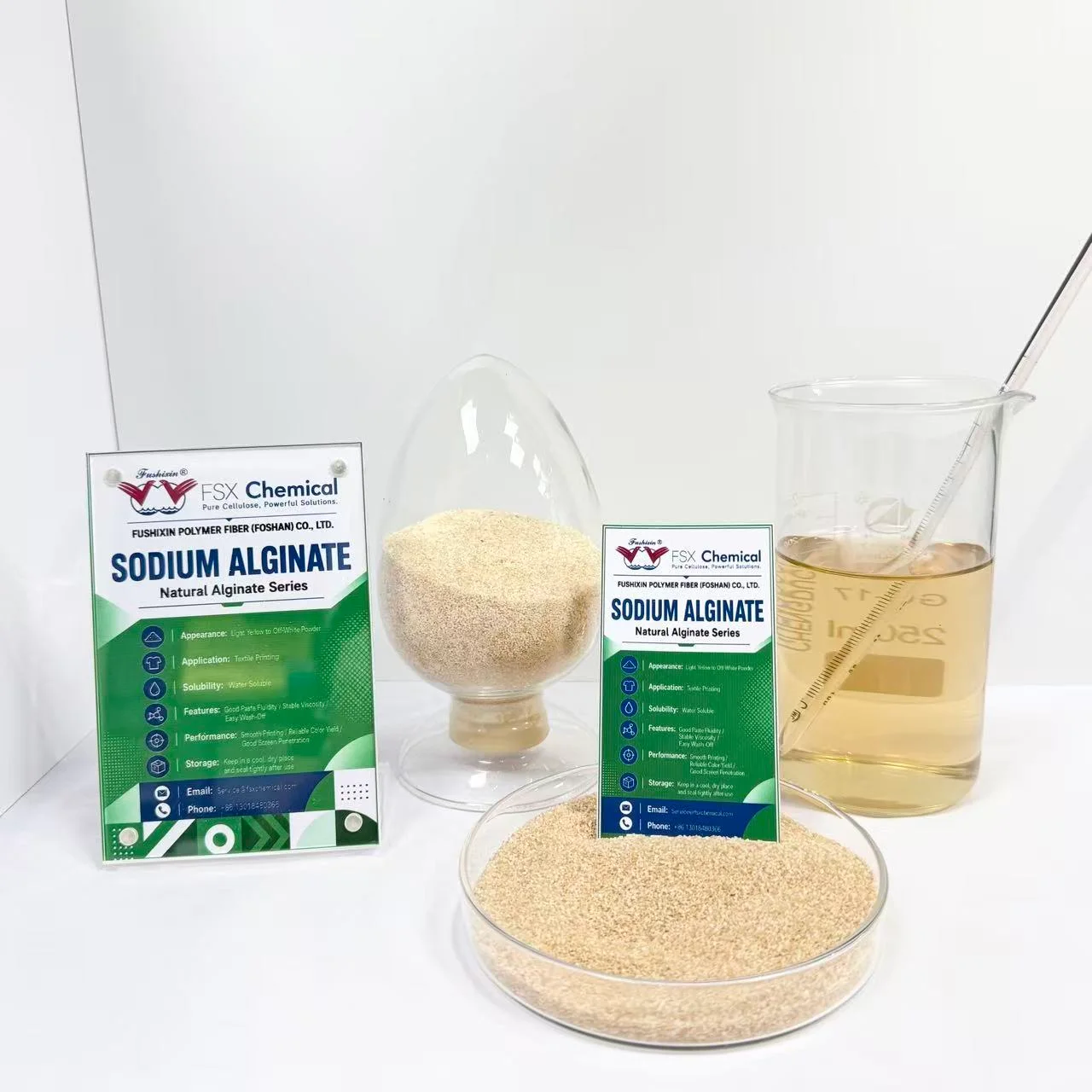
Компания FSX Chemical поставляет альгинат натрия и сопутствующие химикаты для печати на текстиле предприятиям по печати на текстиле, фабрикам по крашению и печати, а также дистрибьюторам химической продукции.
We do not suggest confirming reactive dye thickener sodium alginate only by price, product name, or broad supplier claims. The recommended grade should be reviewed through technical documents and tested in the buyer’s own formulation before bulk purchase.
Следующие шаги
- Запросить TDS — проанализировать диапазон вязкости, размер ячейки сетки, pH, влажность, внешний вид, условия хранения и метод испытаний.
- Запросить сертификат подлинности (COA) — перед отгрузкой убедиться, что данные по партии соответствуют согласованному диапазону технических характеристик.
- Попросите о приравнивании оценок — share your reactive printing process, fabric type, target viscosity, current formulation, and existing product grade if available.
- Запросить образец — Перед оформлением оптовых заказов протестируйте рекомендуемый сорт альгината натрия в условиях, характерных для вашего процесса приготовления пасты и печати.
- Подтвердить упаковку и экспортные документы — перед отправкой проверьте размеры упаковки, этикетки, возможность отслеживания партии, паспорт безопасности (SDS), счет-фактуру, упаковочный лист и другие необходимые документы.
- CСвяжитесь с нашей технической службой — discuss which sodium alginate grade is suitable for your reactive dye printing paste📧 Электронная почта: Service@fsxchemical.com