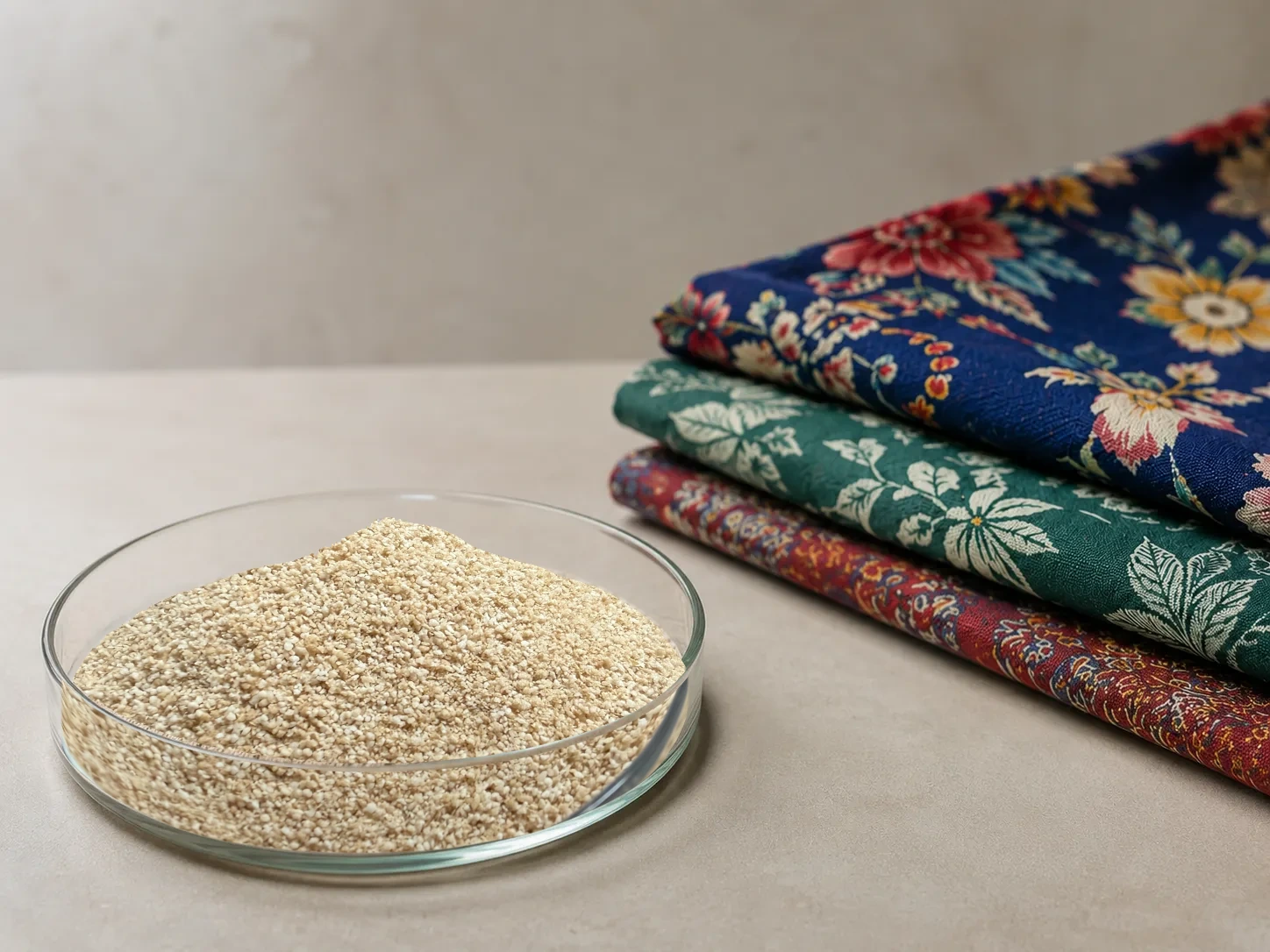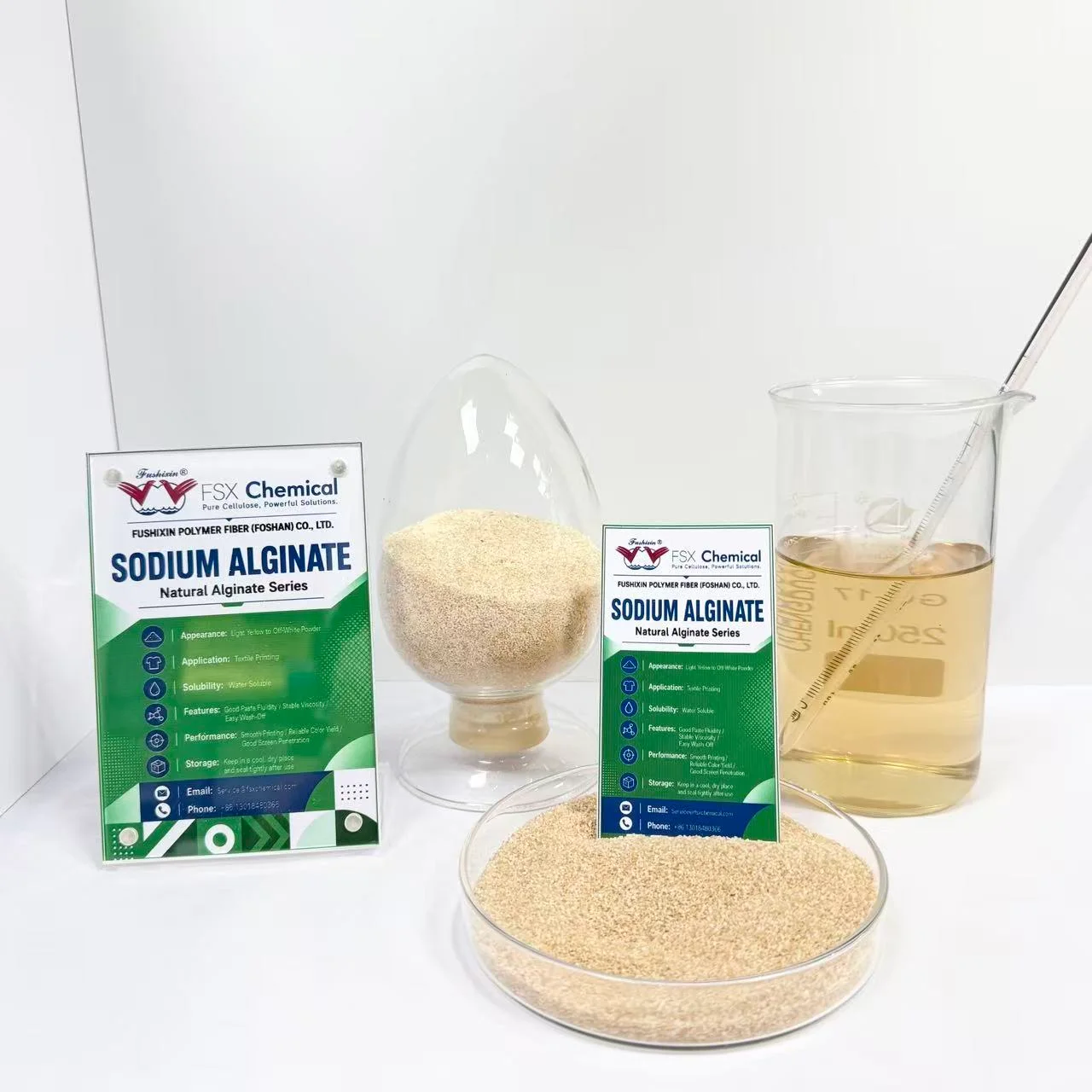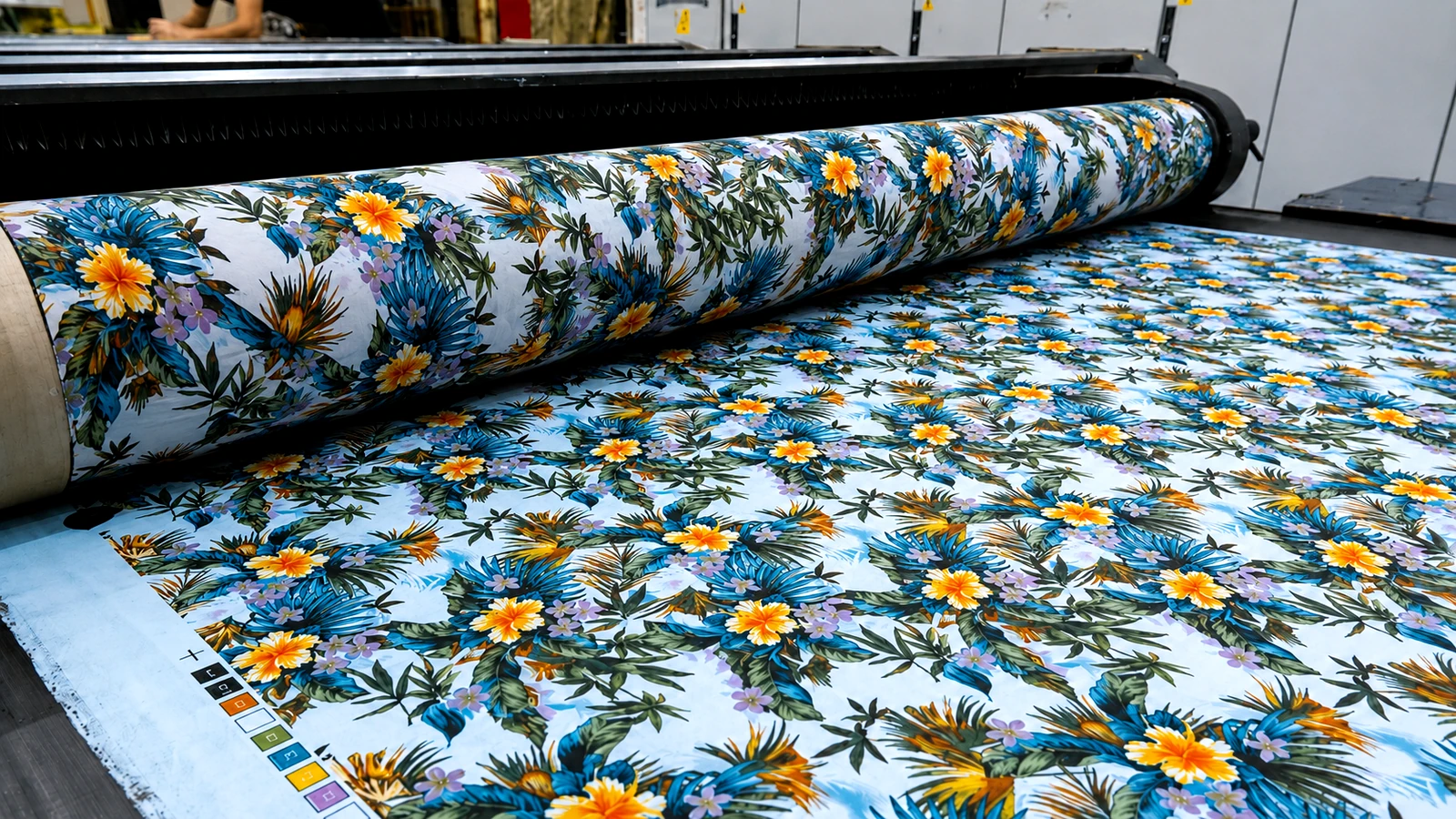
















Альгинат натрия для печати на текстиле is produced by extracting alginate from brown seaweed, purifying it, converting it to the sodium form, then drying and milling it to specification. For textile buyers, seaweed source alone does not determine performance: extraction control and finished-product QC determine viscosity consistency, insoluble matter, filtration, hydration, moisture and batch stability.
Degree of substitution (DS) is not a sodium alginate specification; it applies to cellulose ethers such as CMC. Compare sodium alginate quotations using a defined viscosity method, purity or active-content basis, moisture, pH, insoluble matter, particle size and recent multi-batch COA data.
Откуда берётся альгинат натрия: сырьё из морских водорослей
Виды морских водорослей, используемые в промышленном производстве альгинатного натрия
Альгинат натрия получают из бурых водорослей (Phaeophyceae). Конкретные виды, используемые для его получения, варьируются в зависимости от региона производства и влияют на свойства получаемого альгината. К наиболее значимым с коммерческой точки зрения видам относятся:
- Macrocystis pyrifera (гигантская ламинария) — собирается преимущественно у побережий Калифорнии и Чили; из неё получают альгинат с относительно высокой молекулярной массой и хорошей вязкостью
- Ламинария гиперборейская — собирается в Норвегии и других регионах Северной Атлантики; как правило, из него получают альгинат с высокой молекулярной массой и хорошими гелеобразующими свойствами
- Laminaria japonica (также известная как Saccharina japonica) — широко культивируется в Китае и Японии; основной источник сырья для производства альгинатного натрия в Китае
- Аскофиллум узловатый — добывается в водах Северной Атлантики; из него получают альгинат с более низкой молекулярной массой по сравнению с видами рода Laminaria
- Саргассум вид — используется в некоторых регионах производства, в частности в Азии; как правило, дает альгинат с более низкой вязкостью, чем Laminaria
В технических паспортах продуктов на основе альгината натрия не всегда указывается конкретный вид альгината, но об этом стоит поинтересоваться — особенно если для вашей области применения важны стабильные показатели вязкости и молекулярной массы. Различные виды альгината отличаются содержанием альгината и соотношением М/Г (соотношением маннуроната к гулуронату), что влияет на свойства геля и динамику изменения вязкости.
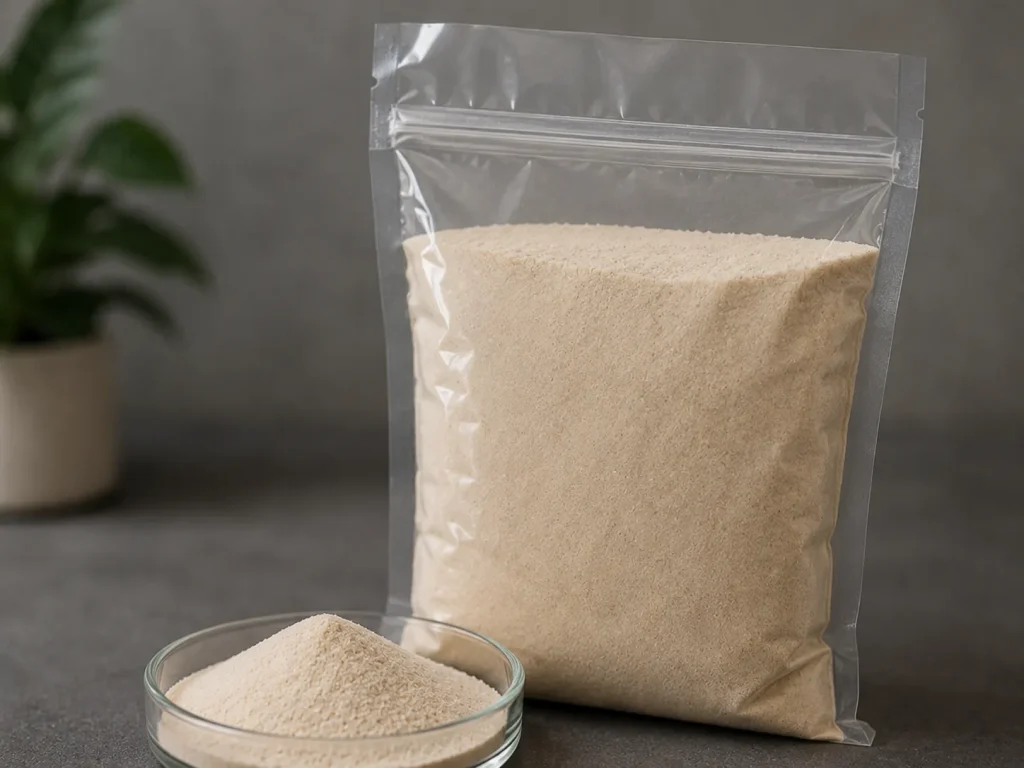
Как варьируется качество сырья
Seaweed quality varies with harvest location, season, water temperature, and cultivation versus wild-harvest conditions. Cultivated supply can improve traceability and harvest planning, while well-managed wild-harvest sources can also provide consistent raw material. Buyers should evaluate supplier controls and finished-product batch data rather than infer quality from the harvest method alone.
К ключевым показателям сырья, влияющим на качество готового альгината натрия, относятся:
- Содержание альгината в морских водорослях — higher alginate content can improve extraction yield, but it does not by itself prove finished-product quality; purification and process control remain decisive
- Содержание тяжелых металлов — морские водоросли поглощают микроэлементы из морской воды; содержание тяжелых металлов в сырых водорослях влияет на показатели содержания тяжелых металлов в готовом продукте
- Сезонные колебания — Содержание альгината и молекулярная масса в морских водорослях варьируются в зависимости от сезона; ответственные производители осуществляют заготовку в оптимальные сроки и обеспечивают стабильные характеристики сырья
При оценке поставщика альгината натрия стоит поинтересоваться источниками его сырья — видами водорослей, регионом сбора, а также тем, используются ли в производстве водоросли культивированные или дикорастущие, — это даст вам полезную информацию для оценки стабильности качества продукции на протяжении времени.
Процесс производства альгината натрия
Обзор этапов экстракции и очистки
Промышленное производство альгината натрия включает в себя несколько ключевых этапов технологического процесса. Понимание этих этапов помогает объяснить, откуда берутся примеси и как контроль производственного процесса влияет на качество готовой продукции.
1. Предварительная обработка морских водорослей — Собранные водоросли промывают для удаления соли, песка и биологических остатков, а затем сушат и измельчают, чтобы увеличить площадь поверхности для экстракции.
2. Щелочная экстракция — Измельчённые морские водоросли обрабатывают разбавленным раствором карбоната натрия или гидроксида натрия, в результате чего нерастворимая альгиновая кислота и альгинат кальция, содержащиеся в клеточных стенках водорослей, превращаются в растворимый альгинат натрия. Этот этап проводится при контролируемой температуре и в течение определённого времени, что позволяет оптимизировать выход продукта и одновременно ограничить разложение полимерных цепей альгината.
3. Отделение раствора альгината от остатков морских водорослей — Раствор альгината отделяют от нерастворимых остатков морских водорослей (целлюлозы, белков, пигментов) путем фильтрации или центрифугирования. Это один из важнейших этапов, обеспечивающих чистоту продукта — при неполном отделении в продукте остаются остатки, которые приводят к появлению нерастворимых веществ в готовом альгинате натрия.
4. Осадки — Очищенный раствор альгината осаждается в виде альгиновой кислоты (путем подкисления) или альгината кальция (путем добавления хлорида кальция). Осадок отделяется от раствора, который уносит с собой большую часть растворимых примесей, включая хлорид натрия.
5. Превращение в альгинат натрия — Осадок альгиновой кислоты или альгината кальция обрабатывают карбонатом натрия или гидроксидом натрия для превращения его в альгинат натрия.
6. Сушка и измельчение — Альгинат натрия высушивают для снижения содержания влаги, затем измельчают до заданного размера частиц (классификация по меш) и расфасовывают.
Где в технологическом процессе возникают примеси
Понимание того, на каких этапах технологического процесса образуются те или иные примеси, помогает объяснить, почему требования к чистоте имеют такое большое значение и на каких этапах контроль технологического процесса со стороны поставщика оказывает наибольшее влияние:
- Хлорид натрия (NaCl) — образуется на этапах щелочной экстракции и осаждения; содержание остаточного NaCl в готовом продукте снижается за счет тщательной промывки осадка перед переработкой и сушкой. Марки с более высокой степенью чистоты требуют более тщательной промывки, что приводит к увеличению себестоимости продукции.
- Нерастворимые вещества — возникает в результате неполного отделения остатков водорослей на этапе фильтрации, а также из-за частично разложившихся или сшитых цепей альгината, которые не растворяются в стандартных условиях. Для снижения содержания нерастворимых веществ требуется более тщательная фильтрация и более совершенное оборудование для отделения.
- Тяжёлые металлы — присутствуют в сырье из морских водорослей; их содержание снижается за счет отбора сырья и этапов промывки в процессе переработки. Уровень содержания тяжелых металлов в готовом продукте в значительной степени определяется источником сырья и не может быть полностью устранен в ходе переработки.
- Влажность — зависит от условий сушки; более высокое содержание влаги снижает эффективное содержание активного вещества на единицу массы и может ускорить микробиологическую активность во время хранения.
Как регулируется молекулярная масса
На молекулярную массу альгината натрия — которая напрямую определяет класс вязкости — влияют вид морских водорослей, условия экстракции (температура, время и концентрация щелочи), а также любая последующая обработка. Более высокая температура экстракции и более длительное время экстракции, как правило, приводят к снижению молекулярной массы в результате термического разложения цепей альгината.
Производители регулируют молекулярную массу, корректируя параметры экстракции в соответствии с требуемым классом вязкости. Для обеспечения стабильной молекулярной массы в разных партиях необходимо строгое технологическое управление этими параметрами, поэтому стабильность вязкости от партии к партии является важным показателем качества производственного процесса.
Некоторые производители также регулируют молекулярную массу путем контролируемой деполимеризации высокомолекулярного альгината — с использованием тепла, окислителей или облучения — для получения конкретных марок с низкой вязкостью. Метод, используемый для регулирования молекулярной массы, может влиять на другие свойства продукта, поэтому при выборе сорта с низкой вязкостью стоит уточнить, производится ли он путем контролируемой деполимеризации или путем прямой экстракции, ориентированной на данный диапазон молекулярной массы.
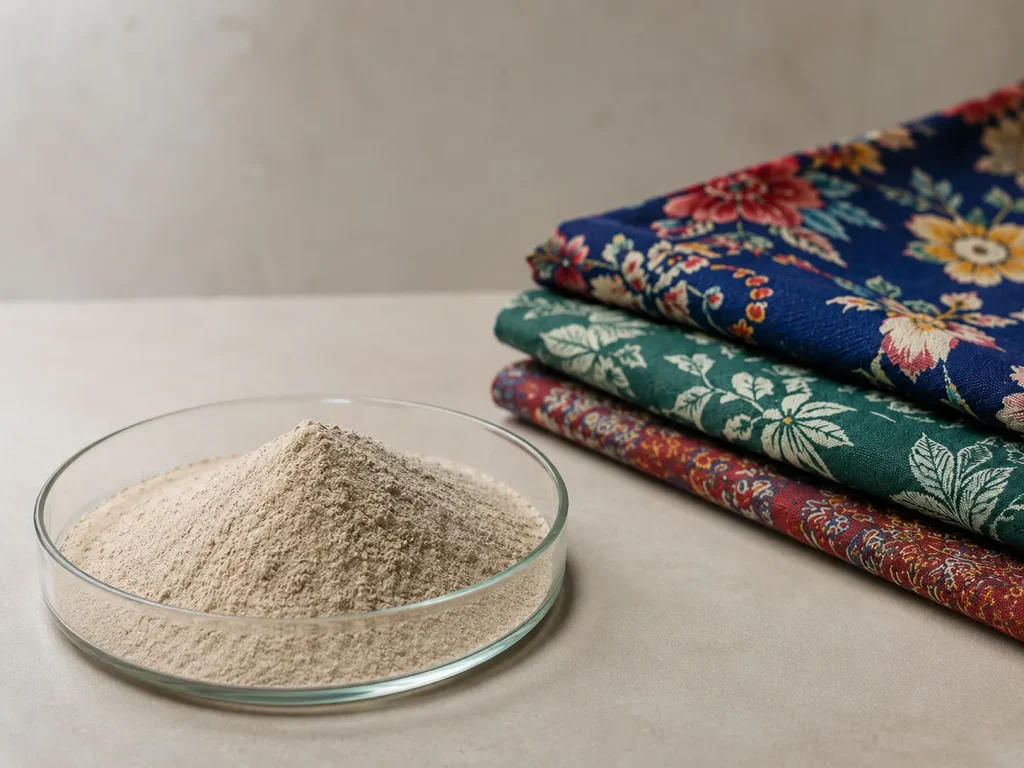
Почему технологический процесс влияет на стабильность качества от партии к партии
Технологические переменные, определяющие вариацию партий продукции
Межпартийные колебания вязкости, чистоты и растворимости альгината натрия могут быть обусловлены различными факторами на разных этапах производственного процесса. К наиболее распространенным источникам таких колебаний относятся:
- Колебания качества сырья — сезонные колебания или изменения в составе сырья, влияющие на содержание альгината в морских водорослях или его молекулярную массу, оказывают цепное воздействие на весь технологический процесс, что сказывается на вязкости готового продукта
- Изменение условий экстракции — отклонения температуры или времени на этапе щелочной экстракции влияют на молекулярную массу и, следовательно, на вязкость
- Изменение эффективности фильтрации — изменения состояния фильтра или эффективности сепарации влияют на содержание нерастворимых веществ
- Изменение условий сушки — влияет на содержание влаги и может привести к чрезмерному высушиванию (что может повлиять на свойства продукта) или недостаточному высушиванию (что повышает содержание влаги и сокращает срок хранения)
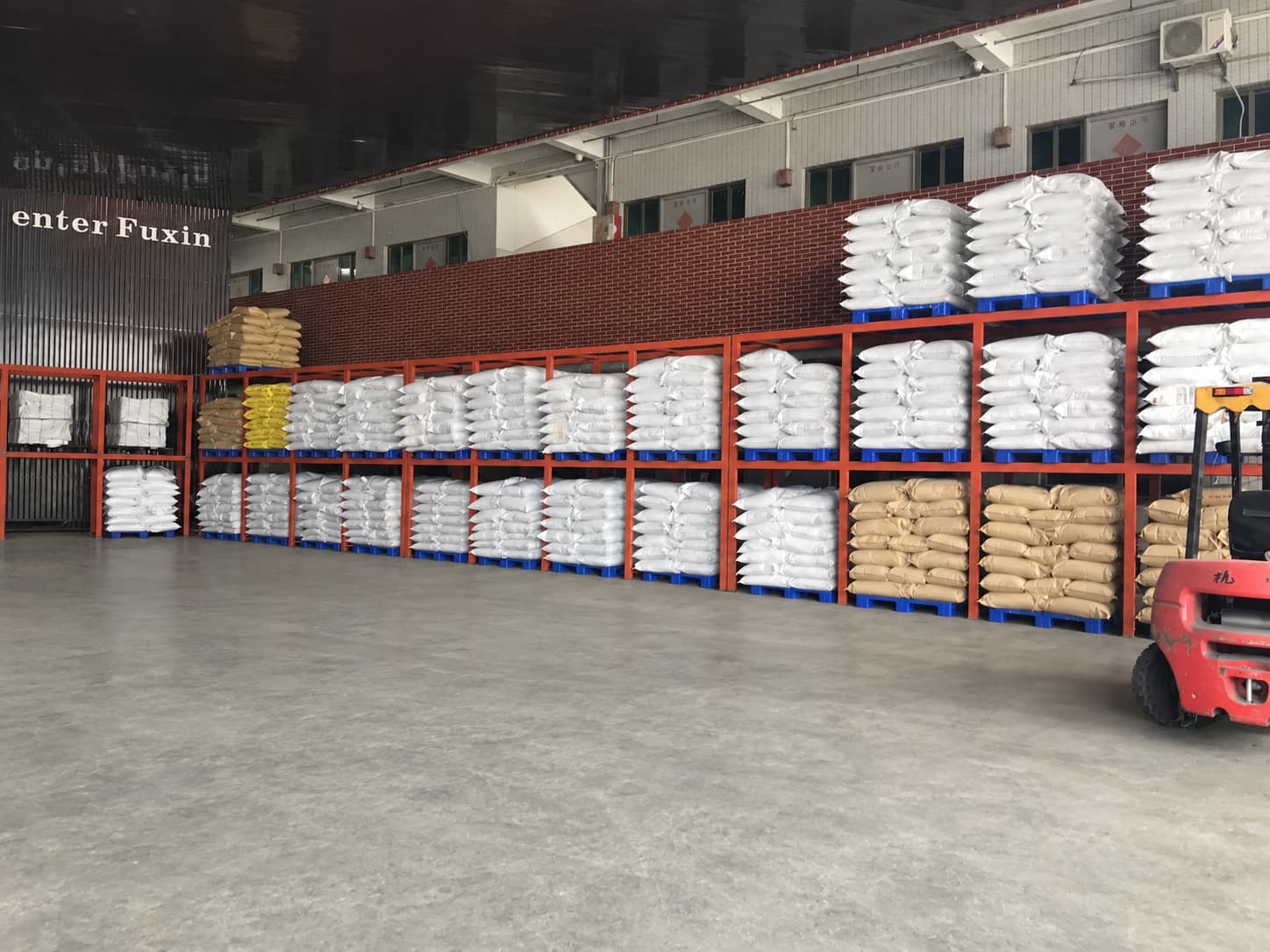
Поставщики, обеспечивающие стабильные поставки сырья, автоматизированный контроль производственных процессов и тщательный контроль качества на этапах производства, имеют больше возможностей для обеспечения стабильного качества продукции от партии к партии, чем те, у которых источники сырья меняются или контроль производственных процессов осуществляется вручную.
Как выглядит последовательный производственный процесс в документации
С точки зрения закупок, стабильность производства отражается в документации, предоставляемой поставщиком. Стабильное производство обеспечивает:
- Значения CoA, которые плотно сгруппированы вокруг значений, указанных в спецификации TDS, — а не значения CoA, которые значительно колеблются в широком диапазоне, предусмотренном спецификацией
- Значения вязкости по нескольким партиям, характеризующиеся низким стандартным отклонением по отношению к диапазону, указанному в технических условиях
- Показатели содержания нерастворимых веществ, которые стабильно значительно ниже указанного максимального значения, а не периодически достигают этого предела или приближаются к нему
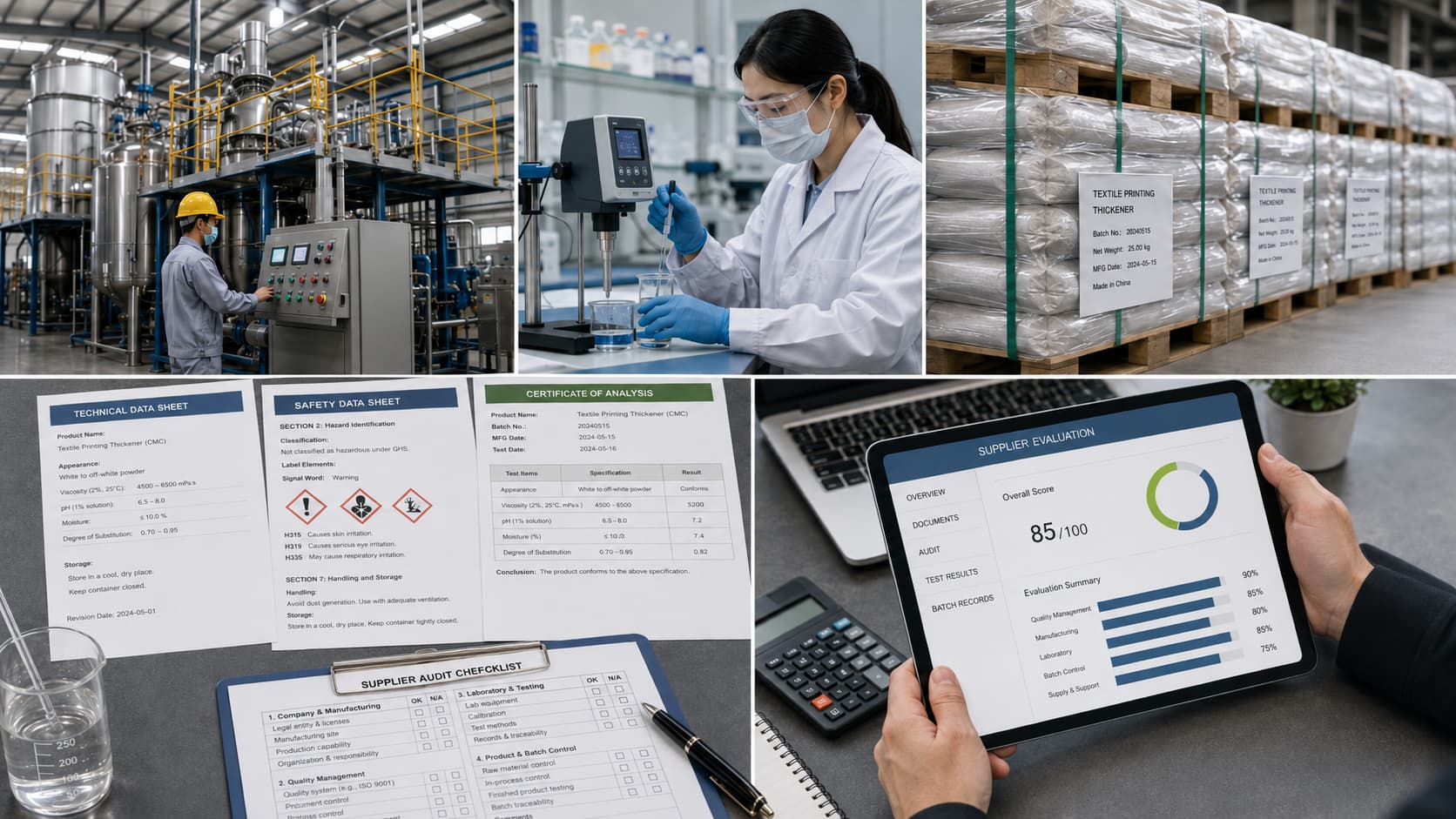
При оценке нового поставщика альгината натрия запрос данных сертификата анализа (CoA) по пяти–десяти последним производственным партиям (а не по одной партии) дает гораздо более полное представление о фактической стабильности производства, чем результаты анализа любой отдельной партии.
Textile-Grade Sodium Alginate QC Checkpoints
| QC checkpoint | Why it matters in textile printing | Buyer verification |
|---|---|---|
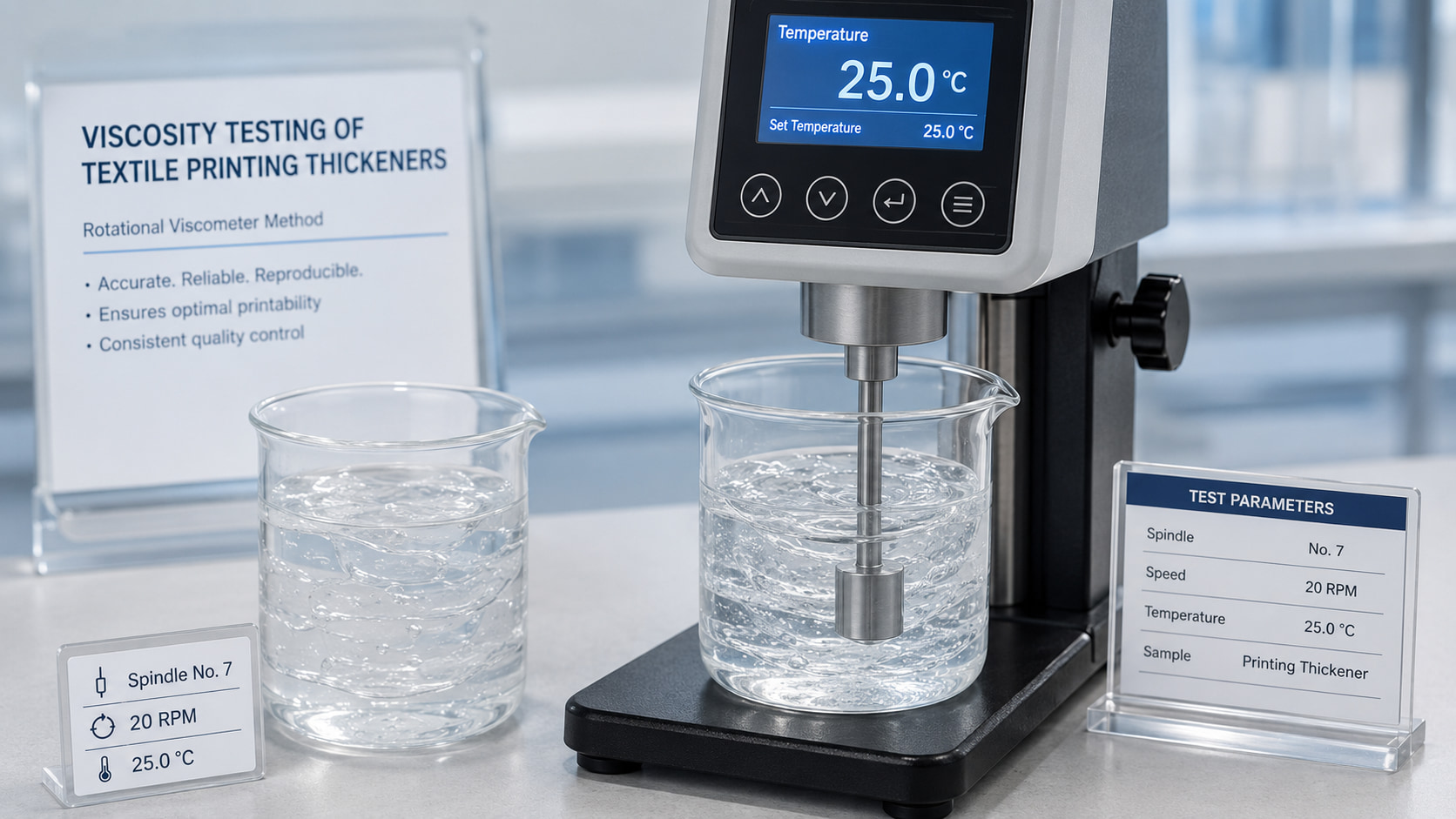
| Defined viscosity method | Controls paste body and comparability between grades | Confirm concentration, temperature, instrument, spindle, speed, hydration and reading time |
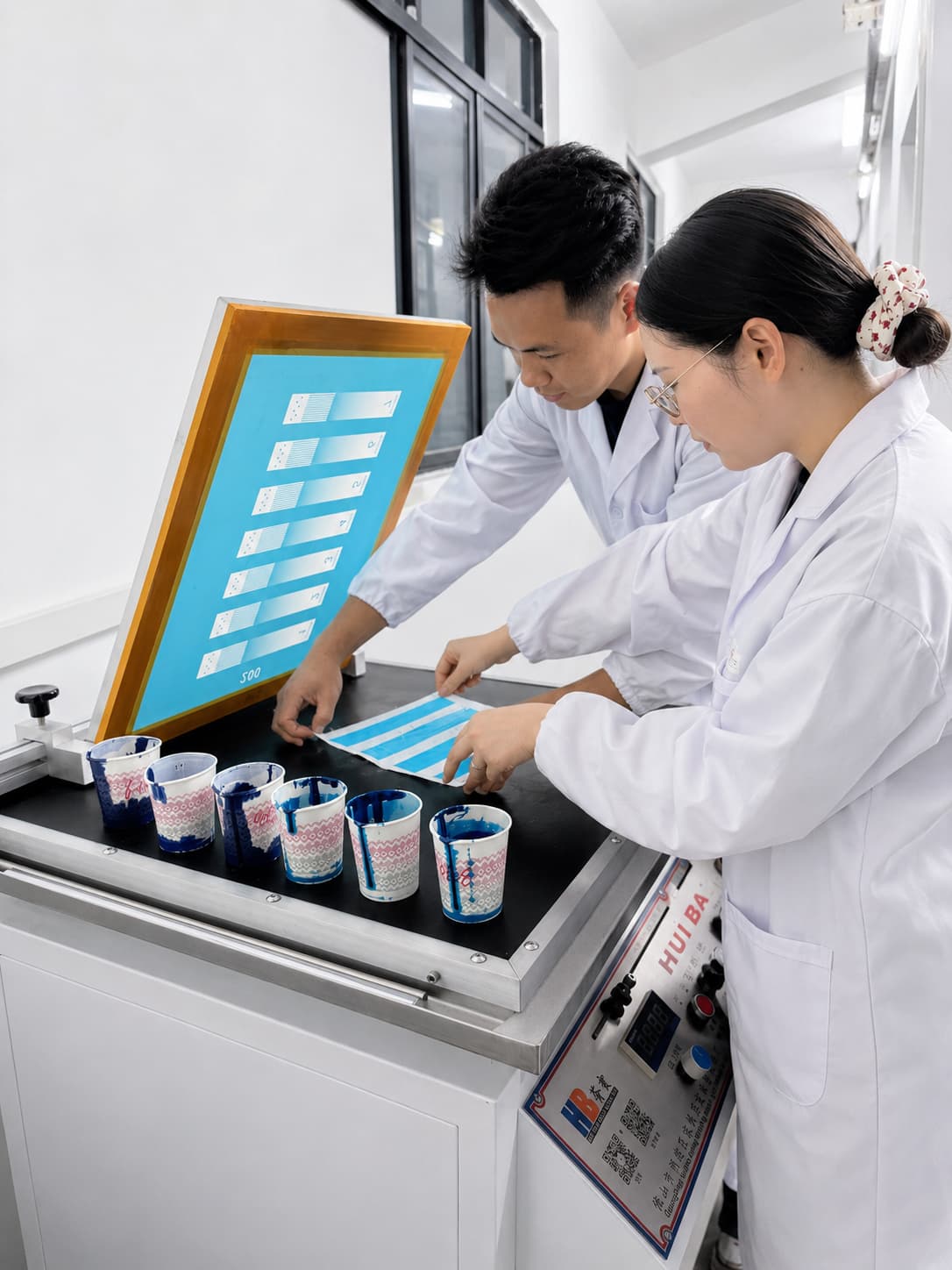
| Insoluble matter and filtration | Influence screen cleanliness, paste uniformity and print defects | Use a defined sieve or filtration test on the prepared solution |
| Влажность | Affects active-solids basis, storage and dosage comparison | Review the batch COA and verify during incoming inspection |
| pH | Can influence hydration and compatibility with the complete paste | Compare at a defined solution concentration and temperature |
| Particle size and hydration | Influence wetting, lump formation and preparation time | Record addition method, mixing time and full-hydration time |
| Стабильность партии | Reduces adjustment, shade variation and production risk | Review recent multi-batch COAs and confirm with repeated trials |
Вопросы, которые следует задать поставщику альгината натрия о его производственном процессе
Следующие вопросы помогут вам оценить производственные возможности поставщика и его систему контроля за сырьем — информацию, которая имеет важное значение для обеспечения надежности поставок в долгосрочной перспективе и стабильного качества продукции:
- Какой вид морских водорослей используется в качестве сырья для данного сорта, и являются ли они культивируемыми или собираются в дикой природе?
- Откуда поступают водоросли и как вам удается поддерживать стабильное качество сырья в разные сезоны?
- Каковы типичные пределы колебаний вязкости от партии к партии для данной марки? Можете ли вы предоставить данные сертификата анализа (CoA) по последним партиям?
- Регулируется ли молекулярная масса путем контролируемой деполимеризации для каких-либо марок, и если да, то какой метод при этом используется?
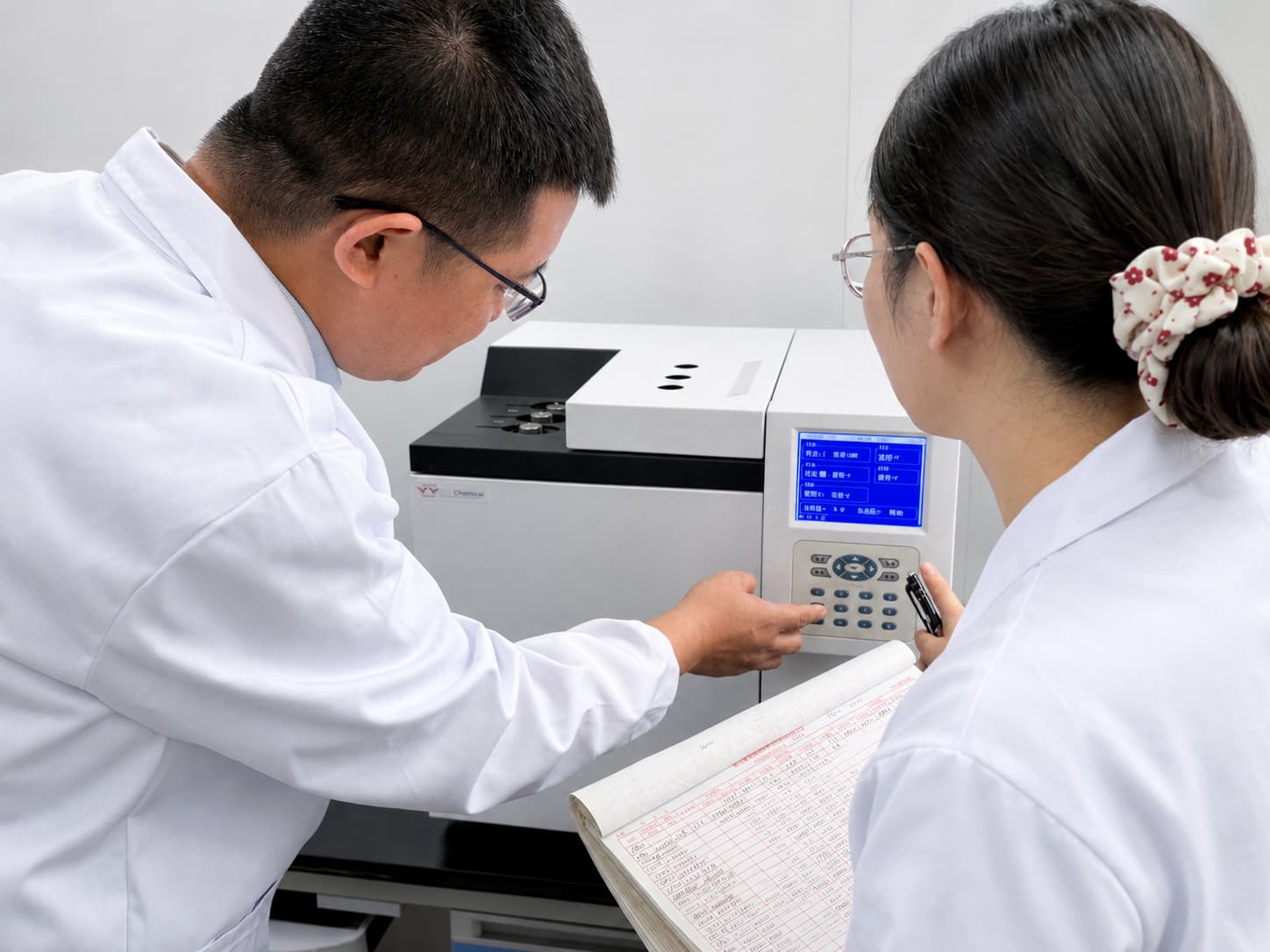
- Какие испытания в рамках контроля качества в процессе производства проводятся и на каких этапах производства?
- Какова ваша годовая производственная мощность по данному сорту, и какие сроки выполнения заказов действуют для стандартных и срочных заказов?
Поставщик, способный чётко ответить на эти вопросы и предоставить подтверждающие данные, демонстрирует прозрачность своего производственного процесса — что является важным показателем надёжности поставок, выходящим за рамки самих технических характеристик продукции.
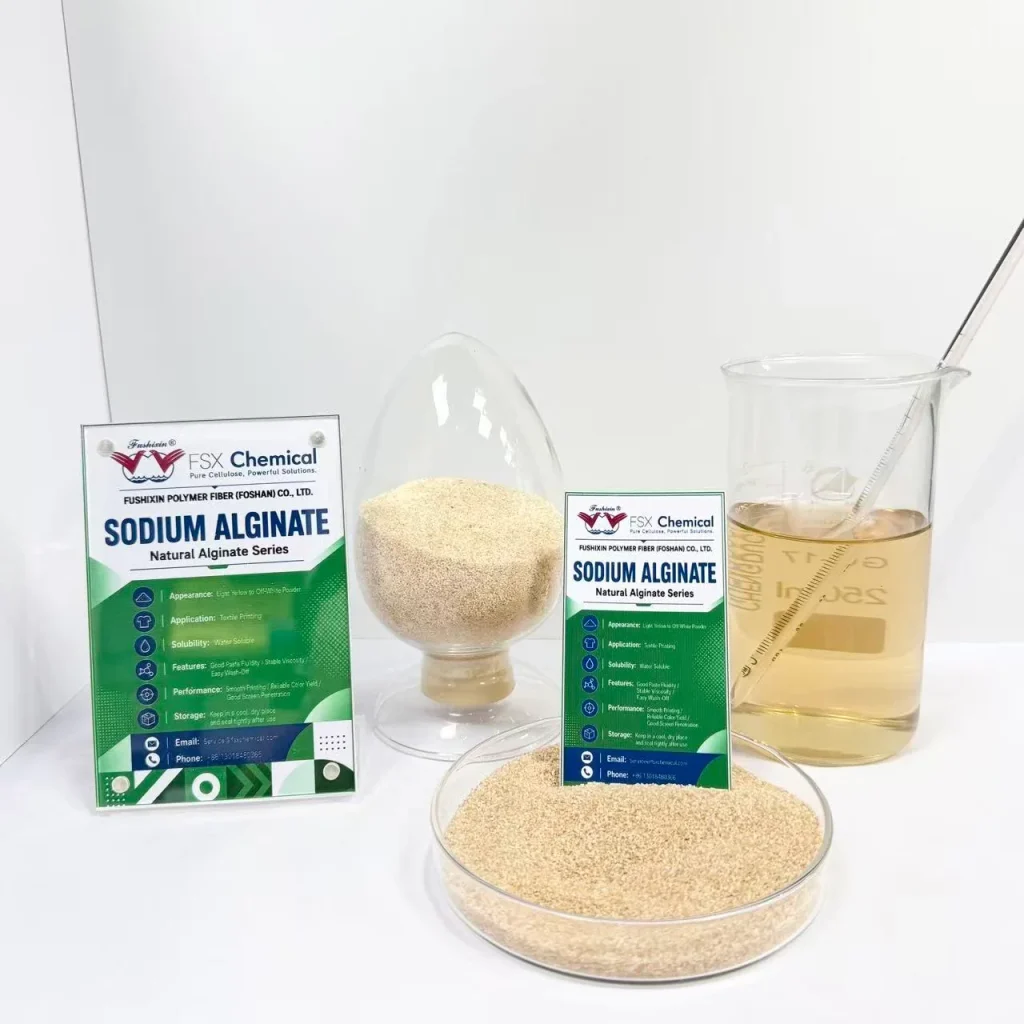
Sodium Alginate Raw Material and Manufacturing FAQ
Which seaweed species produces the best sodium alginate?
No single species guarantees the best textile-printing performance. Species, season and origin influence the feedstock, but extraction conditions, purification, molecular-weight control, drying and milling determine the finished commercial grade. Compare batch data and application results rather than species name alone.
Does higher viscosity mean higher sodium alginate quality?
No. Viscosity is a grade parameter, not a complete quality score. The suitable range depends on fabric, printing method, paste concentration and rheology requirements, while purity, filtration, hydration, wash-off and batch consistency must also be checked.
What should a textile buyer compare on the COA?
Compare viscosity under one defined method, moisture, pH, insoluble matter and any agreed purity or particle-size limits. Review several recent batches because one COA cannot demonstrate routine manufacturing consistency.
How should a new sodium alginate supplier be qualified?
Start with documents and multi-batch data, then test a representative sample using the buyer’s standard paste recipe. Confirm hydration, filtration, rheology, color yield, penetration, definition and wash-off before a controlled production trial and bulk approval.
Как FSX Chemical помогает принимать обоснованные решения о закупках
Компания FSX Chemical поставляет альгинат натрия для печати на текстиле и связанных с этим промышленных применений. В качестве стандартной документации ко всем заказам мы предоставляем технические паспорта, сертификаты анализа по конкретным партиям и паспорта безопасности.
Если у вас возникнут вопросы относительно источника сырья, технологического процесса или стабильности партий по любому из поставляемых нами сортов, наша техническая служба готова предоставить разъяснения, которые помогут вам в оценке поставщиков.
Следующие шаги:
- Запросить TDS — review grade specifications including viscosity test method, purity, pH, insoluble matter, and moisture content
- Запрос данных о сертификатах анализа (CoA) по нескольким партиям — оценить стабильность качества от партии к партии, прежде чем заключать договор о поставках
- Запросить образец — оценить эксплуатационные характеристики продукта в условиях вашей подготовки и производства
- Свяжитесь с нашей технической службой — for questions about raw material sourcing, manufacturing process, or grade-specific production details📧 Электронная почта: Service@fsxchemical.com