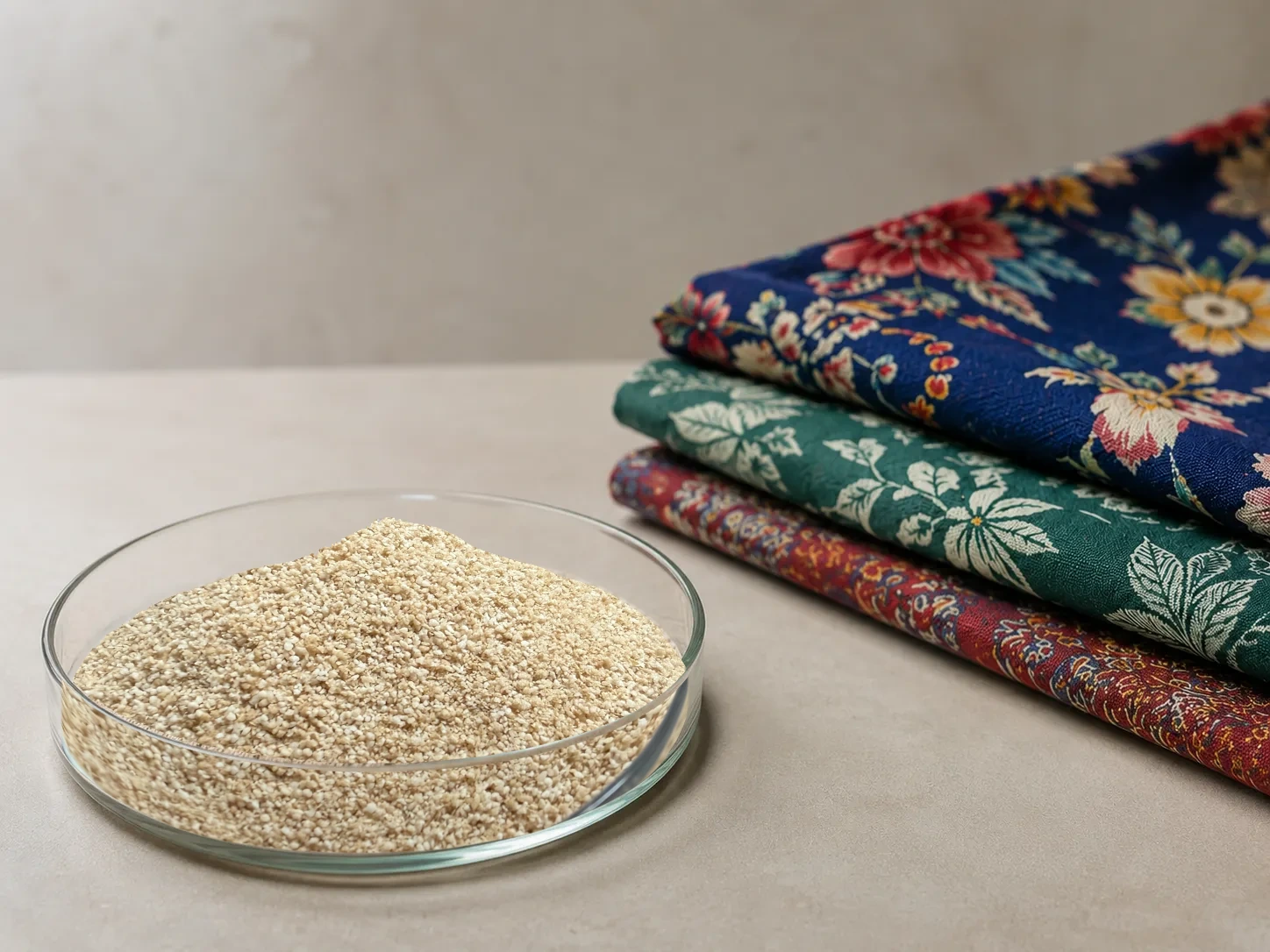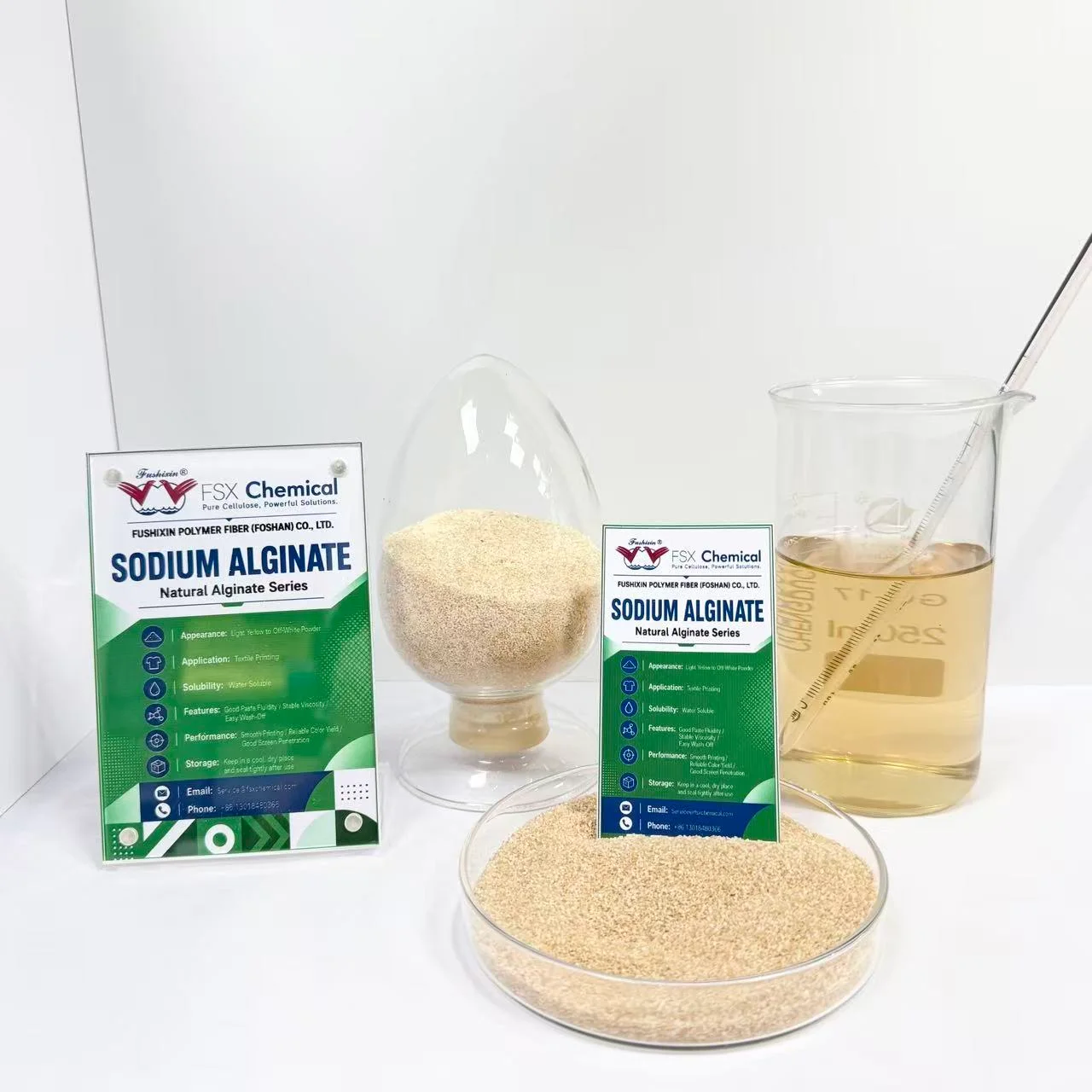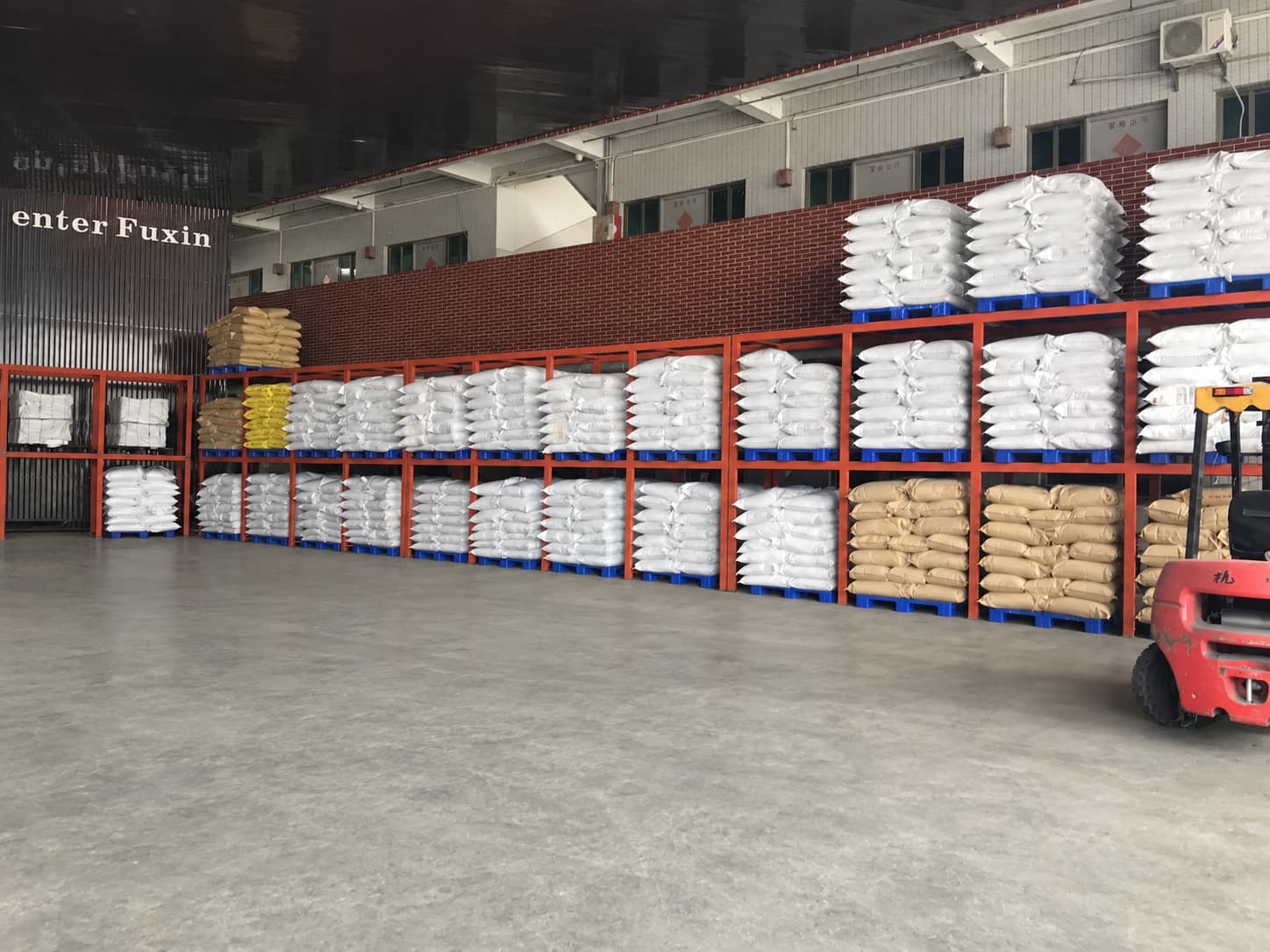
















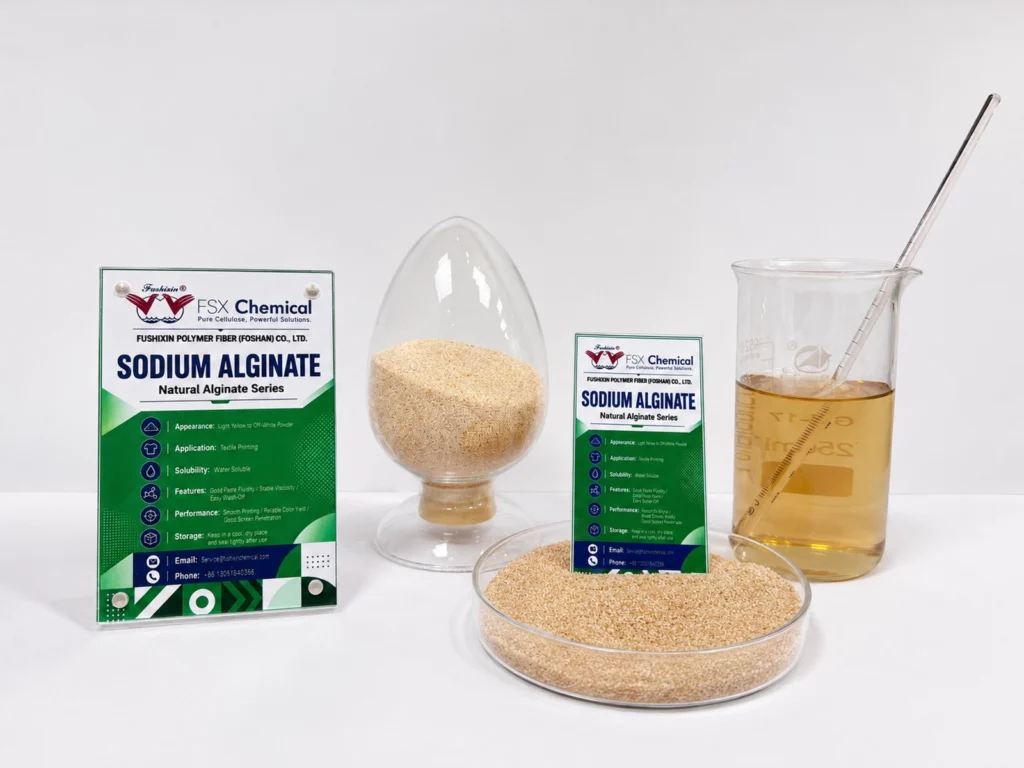
Храните порошок альгинат натрия в герметичной, влагостойкой упаковке в прохладном и сухом месте, как правило, при температуре ниже 25 °C, вдали от кислот, окислителей и источников загрязнения кальцием. При надлежащих условиях хранения срок годности многих текстильных марок, указанный поставщиком, составляет 12–24 месяца; всегда следуйте указаниям на этикетке партии и в техническом паспорте продукта (TDS). Приготовленная паста менее стабильна, и ее использование следует контролировать путем проверки времени, температуры, гигиены и вязкости, а не по дате истечения срока годности порошка.
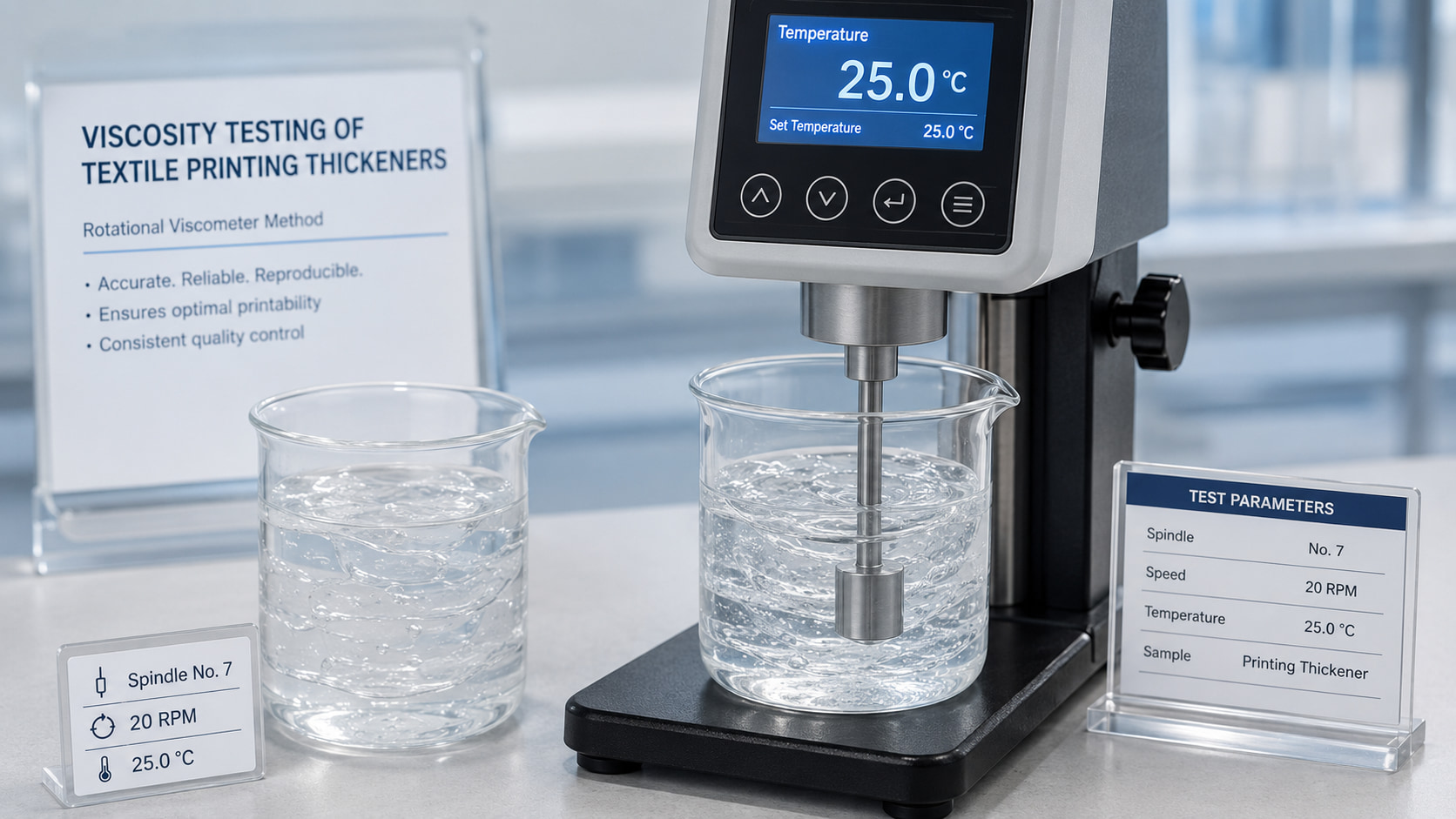
Перед отправкой хранящегося порошка или пасты в производство необходимо сравнить их внешний вид, запах, растворимость и вязкость, используя те же параметры концентрации, качества воды, температуры, приборов, шпинделя, скорости и времени гидратации, что и при входном контроле качества. Наличие действующего срока годности само по себе не гарантирует работоспособности материала при печати.
Хранение порошка альгинатного натрия
Требования к температуре и влажности
Порошок альгината натрия следует хранить в прохладном и сухом месте. Обычно рекомендуемая температура хранения составляет не более 25 °C; продукт следует хранить вдали от источников тепла, прямых солнечных лучей и мест с значительными перепадами температуры. Повышенная температура хранения ускоряет поглощение влаги и может способствовать развитию микроорганизмов в условиях высокой влажности.
Контроль влажности является наиболее важным фактором при хранении порошка альгината натрия. Альгинат натрия обладает гигроскопичностью — он поглощает водяной пар из окружающего воздуха. В условиях высокой влажности порошок, не упакованный должным образом, будет постепенно поглощать влагу, что приводит к увеличению фактического содержания влаги в продукте, снижению содержания активного альгината натрия на единицу массы, а также может вызвать слеживание частиц порошка и их частичную гидратацию.
Частично увлажнённый порошок сложнее равномерно распределить при приготовлении пасты, что повышает риск образования комков. В тропических или прибрежных производственных условиях, где влажность воздуха постоянно высокая, контроль влажности в зоне хранения приобретает особое значение.
Целостность упаковки и требования к таре
Порошок альгината натрия обычно поставляется в многослойных бумажных мешках с полиэтиленовой внутренней вставкой или в герметичных волокнистых бочках. Внутренняя вставка или уплотнение бочки служат барьером от влаги — после вскрытия упаковки оставшийся порошок следует после каждого использования как можно плотнее закрывать.
Частично использованные пакеты или бочки следует закрывать зажимом или скотчем сразу после извлечения необходимого количества. Не оставляйте открытые ёмкости с порошком альгината натрия на производственной площадке на ночь, особенно в условиях повышенной влажности. Если оригинальную упаковку невозможно надлежащим образом заново закрыть, пересыпьте оставшийся порошок в герметичную ёмкость.
Не храните порошок альгинат натрия в металлических ёмкостях, подверженных коррозии — частицы ржавчины или ионы металла, попадающие из корродирующих ёмкостей, могут повлиять на ионный состав пасты и её рабочие характеристики. Для пересылки любого количества продукта используйте чистые ёмкости из полиэтилена или пищевого пластика.
Изоляция от несовместимых материалов
Порошок альгината натрия следует хранить вдали от сильных кислот, сильных окислителей и материалов, содержащих кальций. Кислоты могут вызывать гидролитическое разложение полимерной цепи альгината, что приводит к снижению молекулярной массы и вязкости. Источники кальция — в том числе хлорид кальция, карбонат кальция или осадок из жёсткой воды — могут вызывать сшивание цепей альгината, что приводит к гелеобразованию или комкованию хранящегося порошка.
В помещениях, где хранятся химикаты для текстильной промышленности, следует держать альгинат натрия вдали от зон, в которых хранятся или используются кислотные чистящие средства или кальцийсодержащие вспомогательные вещества для текстиля. Даже кальциевая пыль, попадающая в воздух с близлежащих материалов, со временем может повлиять на открытые или плохо закрытые ёмкости с альгинатом натрия.
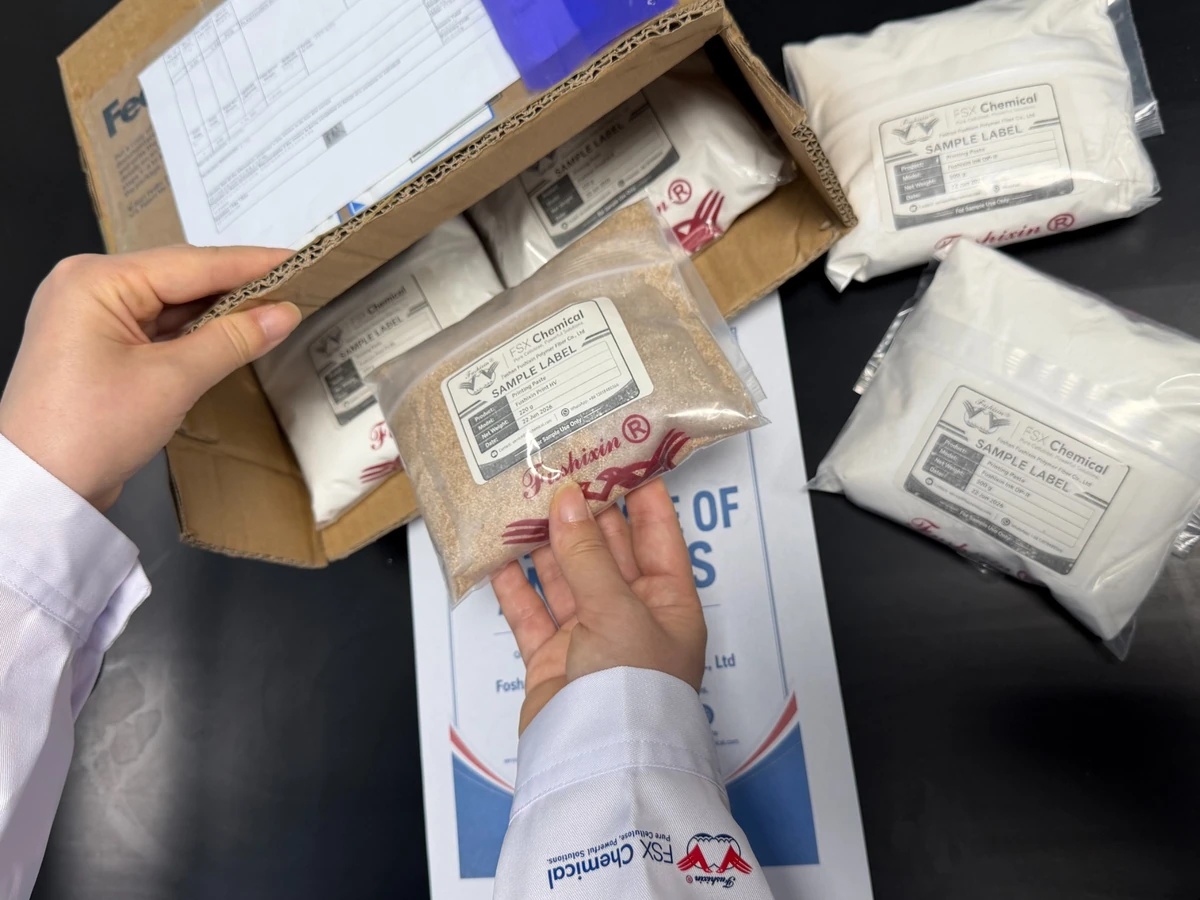
Ожидаемый срок хранения порошка
При соблюдении надлежащих условий хранения — в герметичной упаковке, при температуре ниже 25 °C и низкой влажности — срок хранения порошка альгината натрия обычно составляет от 12 до 24 месяцев с даты изготовления. Указанный диапазон соответствует типичным техническим характеристикам поставщика; при этом приоритет имеет фактический срок хранения, указанный в техническом паспорте продукта (TDS) или на этикетке упаковки.
Срок хранения является ориентировочным показателем для поддержания характеристик, соответствующих техническим требованиям, а не строгим сроком годности, по истечении которого продукт становится непригодным к использованию. Порошок, хранившийся дольше указанного срока хранения, может по-прежнему демонстрировать приемлемые характеристики, если условия хранения были надлежащими и отсутствуют признаки деградации, — однако перед использованием в производстве его следует подвергнуть испытаниям, особенно в случаях, когда вязкость играет важную роль.
Порошок, хранящийся в ненадлежащих условиях — при высокой влажности, повышенной температуре или в поврежденной упаковке — может утратить свои свойства в течение указанного срока годности. Не следует полагать, что партия соответствует техническим требованиям только потому, что указанный срок годности еще не истек.
Прием и проверка поступающих поставок
Визуальный осмотр по прибытии
При поступлении партии альгината натрия перед приемкой товара осмотрите упаковку. Проверьте:
- Повреждение упаковки — разорванные наружные мешки, поврежденные уплотнения бочек или проколотые внутренние вкладыши, что могло привести к попаданию влаги на порох во время транспортировки
- Признаки проникновения влаги — комкование или слеживание порошка, заметное через упаковку или при вскрытии, что свидетельствует о нарушении влагобарьера
- Запах — порошок альгината натрия должен иметь слабый запах или быть практически без запаха; посторонний запах может свидетельствовать о развитии микроорганизмов во время транспортировки или хранения
- Маркировка — убедиться, что номер партии, дата изготовления и класс качества, указанные на упаковке, соответствуют сертификату анализа (CoA), предоставленному поставщиком
Зафиксируйте любые повреждения упаковки при получении и сообщите об этом поставщику до начала использования поврежденного материала. Использование поврежденного или потенциально некачественного материала без уведомления затрудняет подачу претензии по качеству в случае возникновения последующих проблем с эксплуатацией.
Входной контроль качества
Для операций, в которых характеристики альгината натрия имеют решающее значение, целесообразно проводить базовый входной контроль качества каждой партии. Как минимум, следует растворить взвешенную пробу в растворе со стандартной концентрацией и измерить вязкость при стандартных условиях испытания (температура, метод измерения). Результат следует сравнить со значением, указанным в сертификате анализа (CoA) для данной партии.
Если вязкость значительно ниже значения, указанного в сертификате анализа (CoA) — например, более чем на 15% ниже указанных технических характеристик — необходимо провести проверку перед использованием данной партии в производстве. Наиболее распространенными причинами являются поглощение влаги во время транспортировки (что снижает эффективное содержание активного вещества на единицу массы) или деградация в результате длительного или ненадлежащего хранения.
Для более тщательного контроля качества поступающей продукции анализ на содержание нерастворимых веществ (растворение, фильтрация через откалиброванный фильтр, сушка и взвешивание остатка) позволяет непосредственно определить один из наиболее значимых с практической точки зрения параметров чистоты для применения в трафаретной печати.
Хранение приготовленной пасты из альгината натрия
Почему готовая паста портится быстрее, чем порошок
После растворения порошка альгината натрия в воде с образованием печатной пасты её стабильность значительно снижается по сравнению с сухим состоянием. Водная среда способствует росту микроорганизмов, кроме того, паста подвергается химическому разложению под воздействием щелочи (при её наличии) и температурных факторов, влияющих на полимерную цепь.
Готовую пасту следует рассматривать как скоропортящийся материал с ограниченным сроком годности после приготовления, а не как стабильный промежуточный продукт, который можно хранить в течение длительного времени без потери качества.
Температура хранения готовой пасты
Приготовленную пасту альгината натрия следует хранить при самой низкой возможной температуре — в идеале ниже 20 °C — для замедления роста микроорганизмов и снижения скорости потери вязкости во время хранения. При температуре окружающей среды выше 25 °C, особенно в тропических условиях или в летний период, стабильность пасты значительно снижается, а срок годности сокращается.
Хранение в холодильнике (при температуре от 4 до 10 °C) позволяет продлить срок годности пасты, однако при этом возникает практическая проблема: перед использованием пасту, извлечённую из холодильника, необходимо довести до комнатной температуры, а перед печатью следует проверить её вязкость, поскольку вязкость при низкой температуре отличается от вязкости при рабочей температуре.
Не замораживайте приготовленную пасту из альгината натрия. Замораживание вызывает необратимые структурные изменения в сетке альгинатного геля, что приводит к постоянному снижению вязкости и неоднородной текстуре пасты после размораживания.
Требования к таре и погрузочно-разгрузочным операциям при транспортировке пасты
Храните приготовленную пасту в закрытых ёмкостях, чтобы предотвратить высыхание поверхности (в результате чего образуется плёнка, которая может загрязнить пасту под ней) и загрязнение из окружающей среды. Используйте чистые ёмкости из пищевого пластика или нержавеющей стали — не используйте открытые металлические ёмкости, которые могут подвергаться коррозии и выделять ионы металла в пасту.
На каждой партии пасты следует указать дату и время приготовления, марку и концентрацию альгината натрия, а также любые другие добавленные компоненты (щелочь, мочевину, краситель). Такая маркировка позволяет легко определить, как долго партия хранилась, и установить связь между проблемами с эксплуатационными характеристиками и конкретными параметрами приготовления.
Не добавляйте свежую пасту в частично использованную тару со старой пастой — это приводит к попаданию нового материала в партию, которая, возможно, уже утратила свои свойства, и делает невозможным отслеживание фактической даты приготовления смешанного материала.
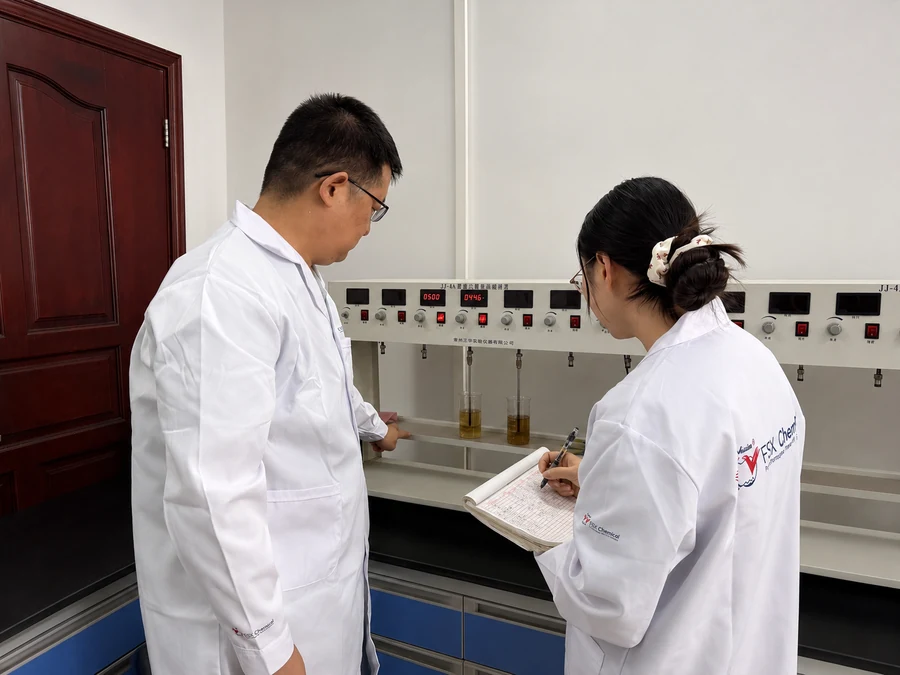
Срок хранения пасты в зависимости от условий производства
Срок хранения пасты значительно зависит от температуры окружающей среды и от того, добавлен ли в пасту щелочь:
- Паста без щелочи, хранится при температуре не выше 20 °C: как правило, срок годности составляет от 48 до 72 часов
- Паста без щелочи, хранящаяся при температуре 25–30 °C: как правило, срок годности составляет от 24 до 48 часов
- Паста без щелочи, хранящаяся при температуре выше 30 °C (в тропических условиях): по возможности использовать в рамках одной производственной смены; микробиологическое разложение может начаться в течение 12–24 часов
- Клей с добавлением щелочи: еще больше сократить ожидаемый срок хранения — щелочь ускоряет химическое разложение альгинатной цепи, особенно при повышенной температуре. Пасту, содержащую щелочь, лучше всего готовить и использовать в течение одной смены
Указанные диапазоны являются общими рекомендациями. На фактическую стабильность пасты влияют конкретный сорт материала, условия окружающей среды и качество воды. Определите собственные пределы срока хранения путем наблюдений — измеряйте вязкость при приготовлении и через определенные промежутки времени во время хранения, чтобы установить, как быстро изменяется вязкость в ваших производственных условиях.
Выявление признаков порчи пасты и порошка
Признаки порчи порошка
Порошок альгината натрия, который разложился или утратил свои свойства в процессе хранения, может иметь следующие признаки:
- Склеивание или комкование — указывает на впитывание влаги; комковатый порошок сложнее рассеять и он может не раствориться полностью
- Изменение цвета — пожелтевший или потемневший порошок может свидетельствовать об окислительном разложении или микробиологическом загрязнении
- Посторонний запах — запах затхлости или брожения свидетельствует о жизнедеятельности микроорганизмов
- Вязкость пасты ниже ожидаемой — деградированные полимерные цепи при той же концентрации обладают более низкой вязкостью; это является наиболее надежным функциональным показателем деградации
Порошок, у которого наблюдается какой-либо из этих признаков, следует проверить перед использованием и изолировать от производственного процесса до получения результатов. Если проверка вязкости подтвердит порчу продукта, данную партию не следует использовать для производства продукции, чувствительной к вязкости, и об этом необходимо уведомить поставщика, если срок годности еще не истек.
Признаки разрушения пасты
Ухудшившаяся готовая паста демонстрирует один или несколько из следующих признаков:
- Снижение вязкости — наиболее надежный показатель; сравните с начальной вязкостью препарата для данной партии
- Посторонний запах — кислый или бродильный запах свидетельствует об активном микробиологическом разложении
- Изменение цвета — паста, которая потемнела или приобрела желтоватый оттенок
- Поверхностный слой или пленка — означает высыхание на поверхности из открытой тары
- Фазовое разделение или осаждение — в составах, содержащих другие компоненты, расслоение может свидетельствовать о разрушении пасты
Пасту с ухудшенными характеристиками не следует использовать в производстве. Возникающие в результате этого дефекты печати — размывание рисунка, снижение цветоотдачи, проблемы со стойкостью — будет сложно диагностировать, что может привести к необходимости переделки или браку ткани до того, как проблема с качеством пасты будет выявлена.
Практический контрольный список по хранению для предприятий, занимающихся печатью на текстиле
В приведенном ниже контрольном списке обобщены основные правила хранения альгината натрия в условиях текстильной печати:
- Храните порошок в плотно закрытой оригинальной упаковке в прохладном (ниже 25 °C) и сухом месте, вдали от источников тепла и прямых солнечных лучей
- Частично использованные мешки или бочки следует сразу же закрывать после извлечения необходимого количества
- Храните порошок вдали от кислот, окислителей и материалов, содержащих кальций
- Перед приемкой проверьте поступающие партии на наличие повреждений упаковки и несоответствие внешнего вида техническим требованиям
- Перед запуском в производство проводите базовую проверку вязкости каждой поступающей партии
- Храните приготовленную пасту в закрытых и маркированных ёмкостях при минимально возможной температуре
- Не добавляйте свежую пасту в ёмкости, в которых хранится паста более ранних партий
- Установите и соблюдайте установленный срок годности пасты для вашей производственной среды
- Измеряйте вязкость пасты на этапе приготовления и контролируйте её в ходе длительных производственных циклов
- Утилизируйте пасту, у которой наблюдается посторонний запах, изменение цвета или отклонение вязкости за пределы допустимых значений
Как FSX Chemical способствует оптимизации ваших процессов хранения и обеспечения качества

Компания FSX Chemical поставляет альгинат натрия для печати на текстиле с полным комплектом документации, включая указания по сроку годности, рекомендуемые условия хранения и сертификаты анализа по каждой партии. Паспорта безопасности содержат информацию о требованиях к хранению, несовместимых материалах и мерах предосторожности при обращении.
Если у вас возникли проблемы с производительностью, которые могут быть связаны с условиями хранения или ухудшением качества партии, наша техническая служба готова помочь в диагностике на основе информации об условиях хранения, данных сертификата анализа (CoA) партии и записей о приготовлении пасты.
Следующие шаги:
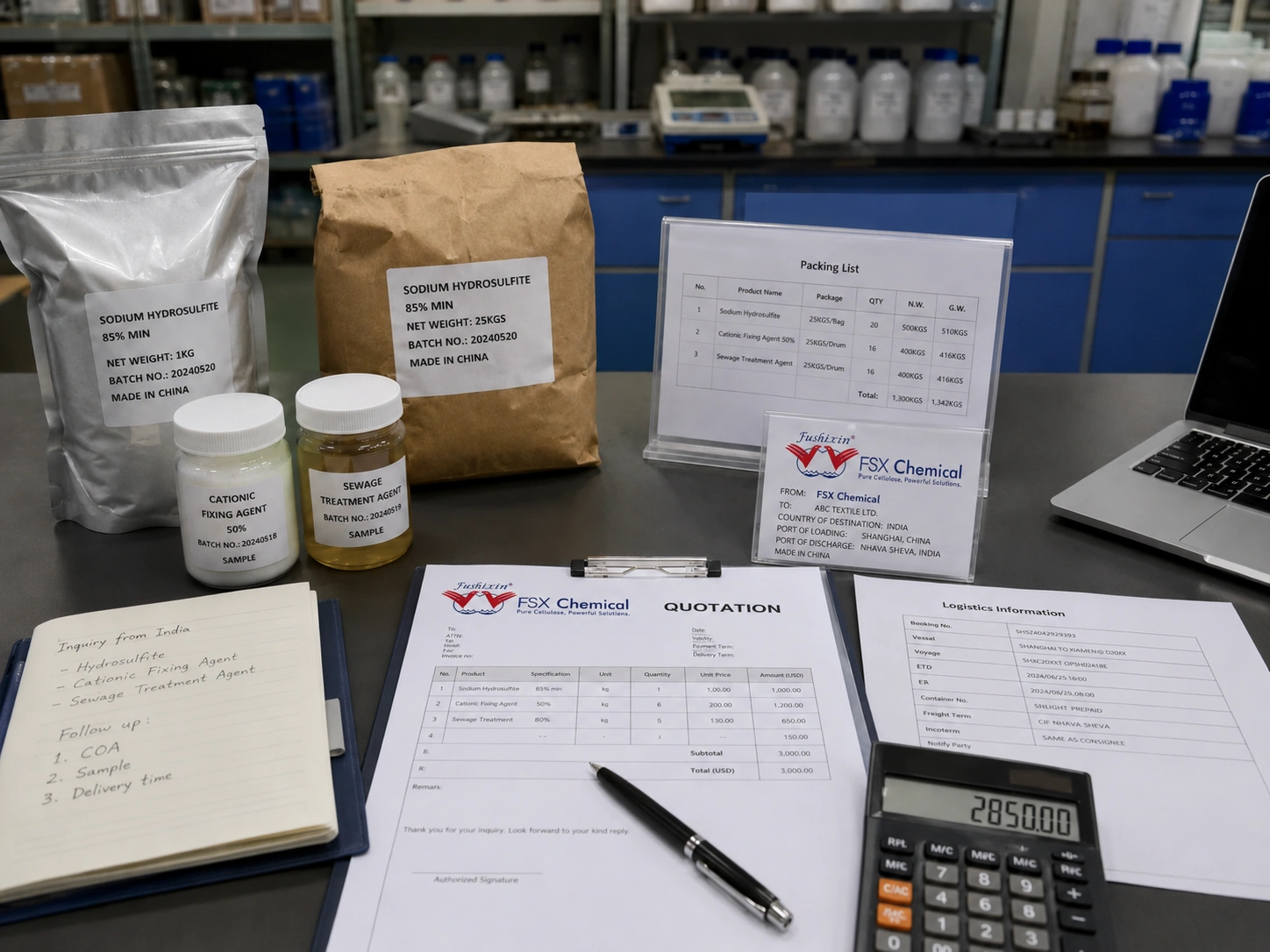
Запросить сертификат анализа (CoA) — подтверждать данные о вязкости и чистоте конкретной партии поступающих поставок
📧 Электронная почта: Service@fsxchemical.com