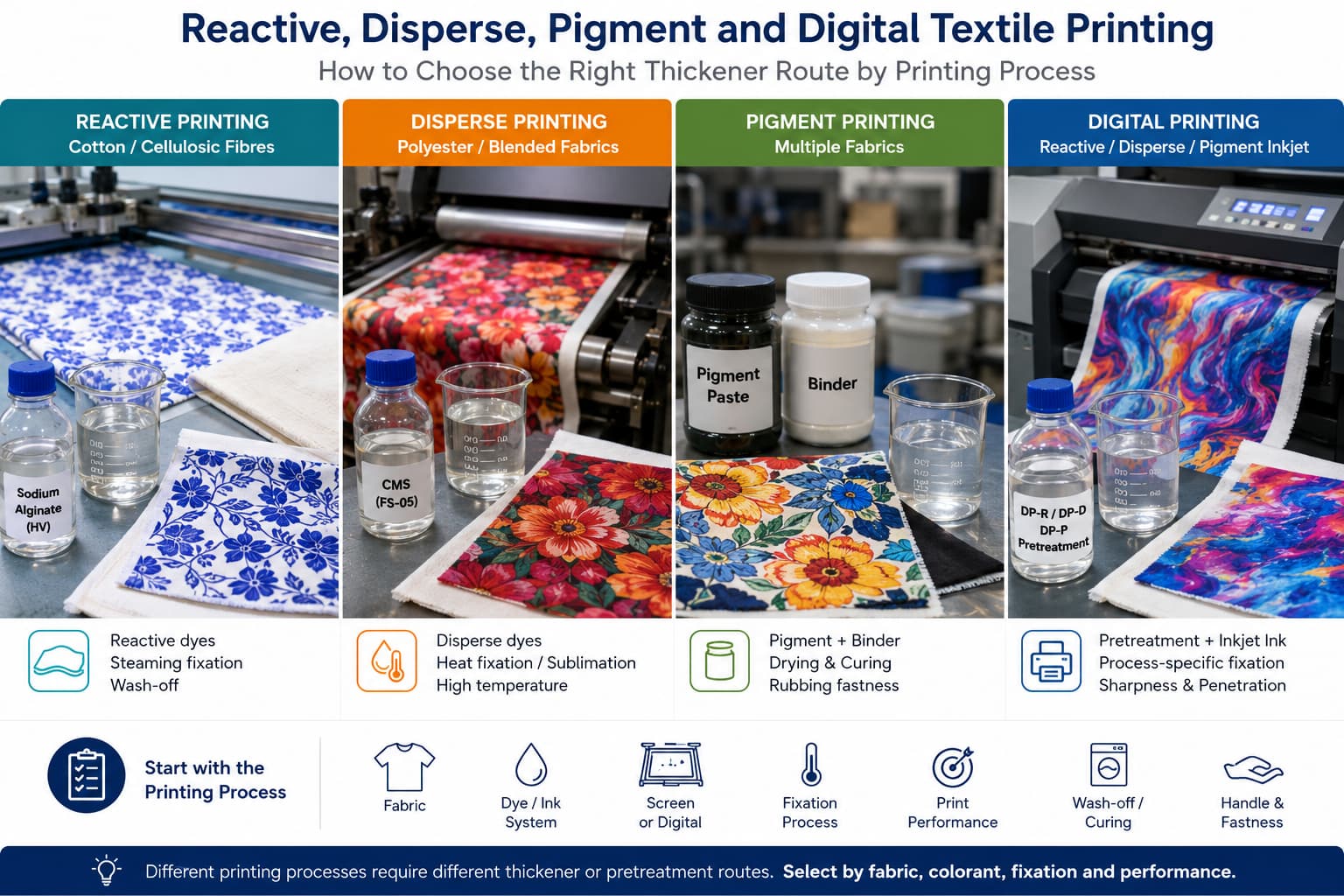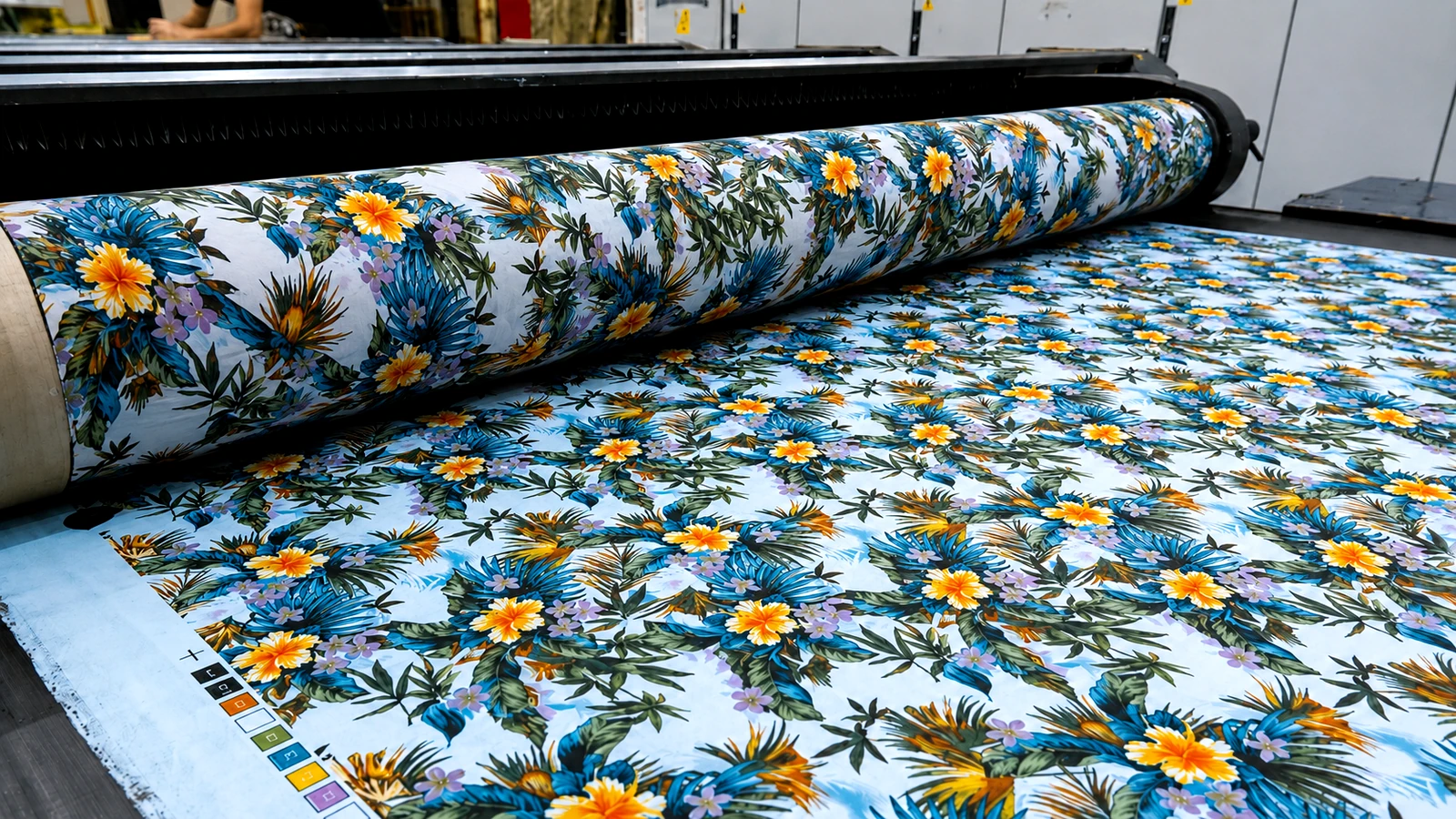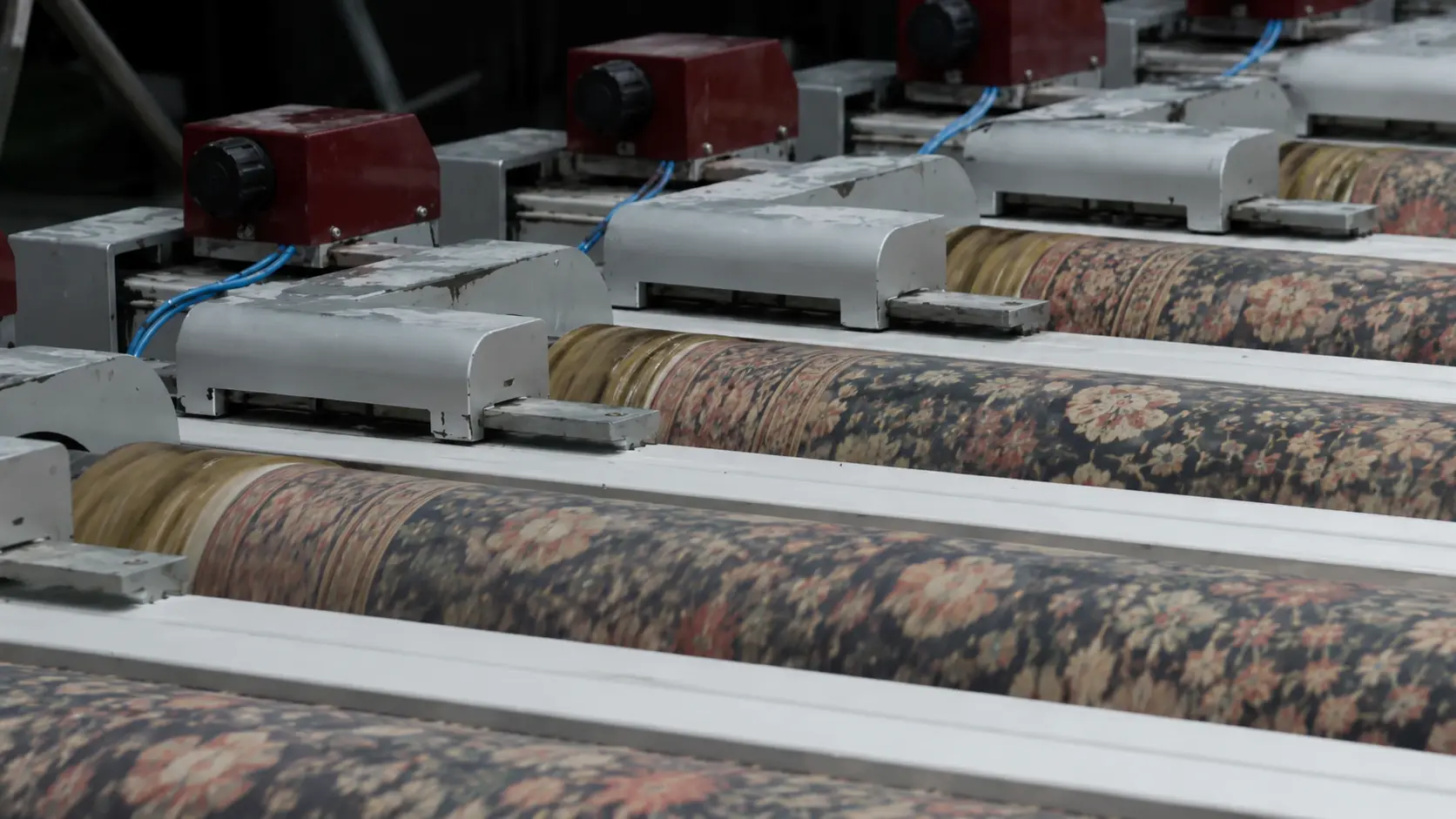
















Cellulose-based textile printing pastes use derivatives such as CMC to control viscosity, flow and transfer. The correct grade depends on the dye or pigment route, fabric, electrolyte level, viscosity method, filtration and final wash-off or curing result. A supplier should be approved using an application trial, not a viscosity number or “cellulose paste” label alone.
\nCellulose Paste Route Selection
\n| Заявка | CMC or cellulose-paste role | Critical approval checks |
|---|---|---|
| Pigment screen printing | Rheology component in a binder system | Binder compatibility, outline, curing, handle and fastness |
| Реактивная трафаретная печать | Candidate high-DS/purified grade or blend | Dye/alkali/salt compatibility, color yield and wash-off |
| Дисперсионная печать | Route- and formulation-dependent thickener | Rheology, fixation, residue and cleaning |
| Цифровая предварительная обработка текстиля | Coating or padding formulation component, not ink additive | Filtration, coating uniformity, pickup, ink response and storage |
What Is Cellulose-Based Printing Paste
Role of CMC in Printing Paste Formulations
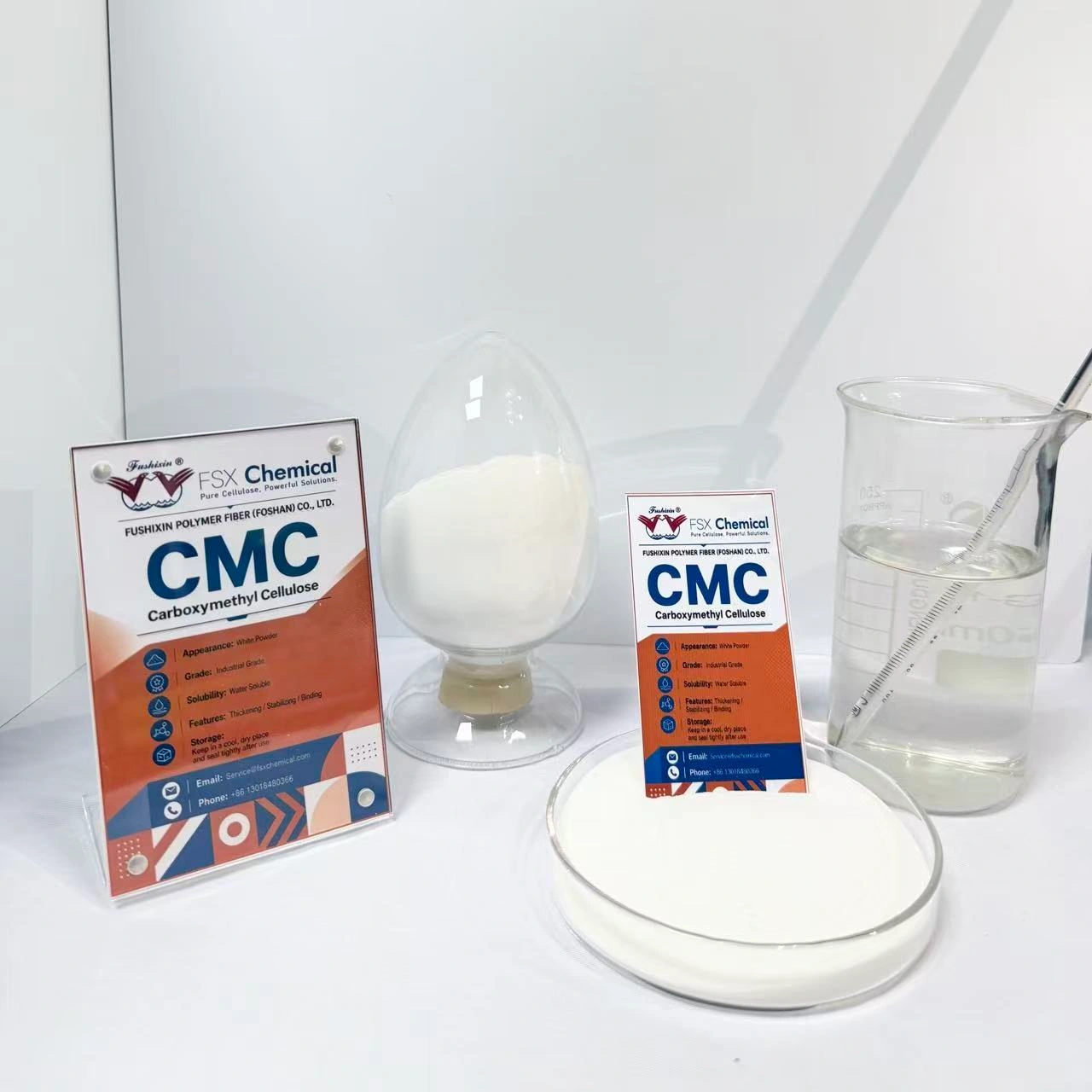
Carboxymethyl cellulose (CMC) is used as a primary thickener and stabilizer in printing paste formulations. It controls paste viscosity during application, prevents dye migration before fixation, and contributes to clean pattern definition on the fabric surface.
CMC-based pastes are compatible with pigment printing systems and certain reactive dye formulations. They are water-soluble, relatively straightforward to prepare, and can be adjusted in concentration to match different printing equipment and fabric types.

How It Differs from Sodium Alginate-Based Paste
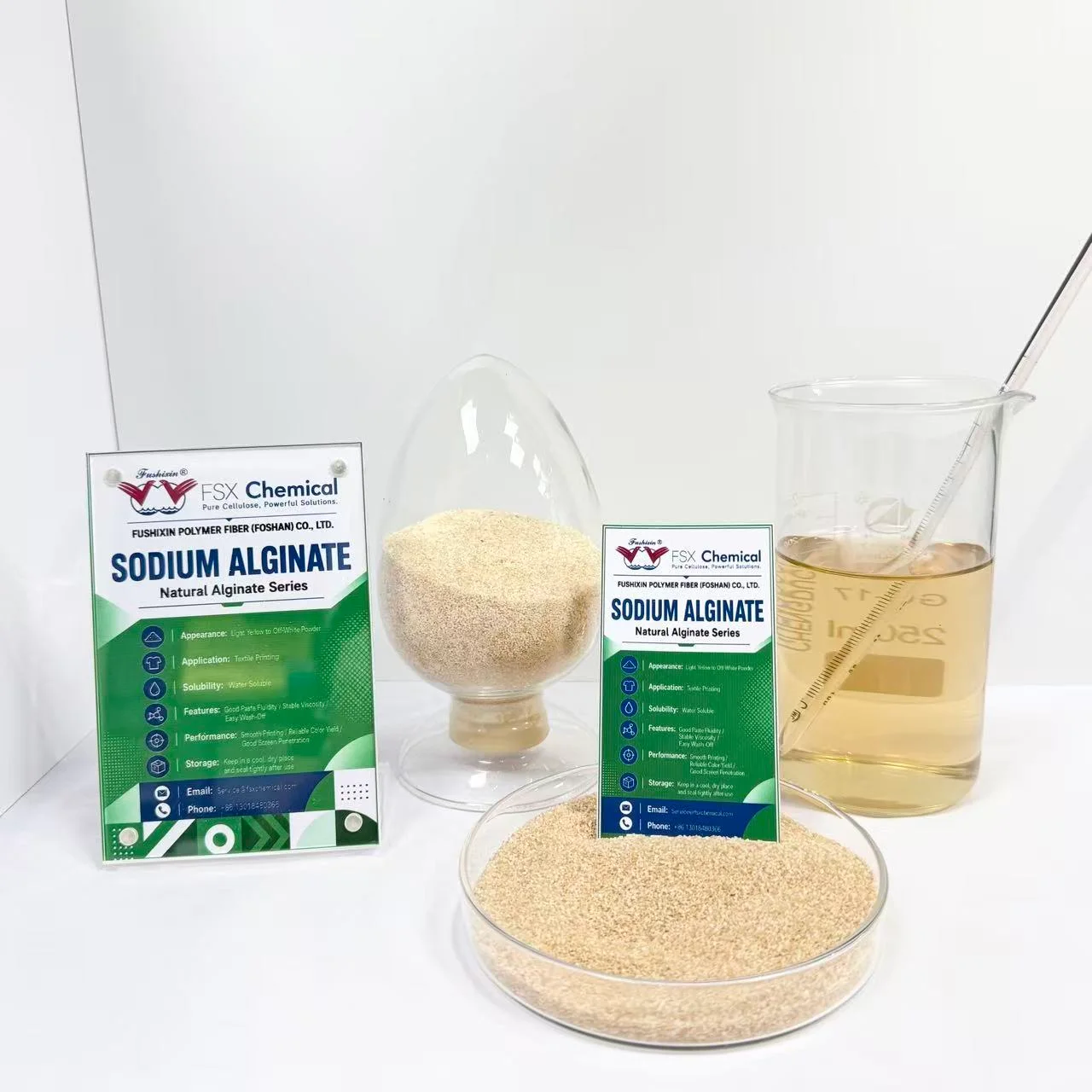
Sodium alginate remains the standard thickener for reactive dye printing on cotton, primarily because it does not react with reactive dyes and delivers consistent color yield. CMC is more commonly used in pigment printing or as a co-thickener in blended formulations.
The practical distinction matters for procurement: if your production line runs reactive dyes on cotton, sodium alginate is typically the better-matched base. If you are running pigment systems, or looking for a cost-effective alternative thickener in blended paste recipes, CMC-based paste is worth evaluating. Discuss your dye system with your supplier before switching.
Key Performance Parameters to Evaluate
When assessing printing paste suppliers, these parameters should appear in the technical datasheet and be verifiable through sample trials.
Viscosity and Rheology
Paste viscosity determines how the paste flows through screens and how it holds position on fabric after application. For screen printing, viscosity is typically measured at a defined shear rate — low-shear viscosity affects paste transfer, while high-shear behavior affects how paste recovers after screen contact.
Ask your supplier for the recommended viscosity range for your fabric type and printing method, and confirm how viscosity behaves over a standard storage period (typically 24–72 hours after preparation).
Wash Fastness and Color Stability
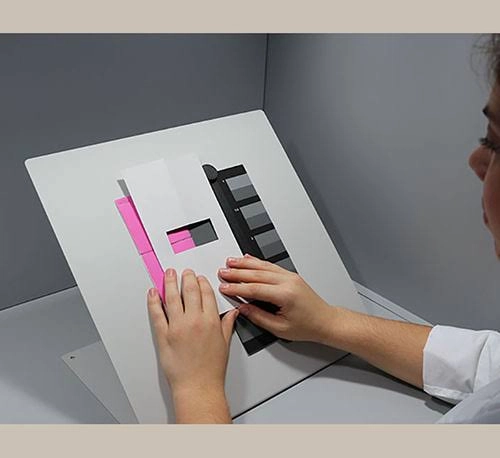
Wash fastness is a critical end-product requirement, particularly for export orders where buyer specifications often reference ISO or AATCC test standards. The paste formulation — including the thickener type, binder, and fixative — all influence the final wash fastness result.
When requesting samples, specify the wash fastness standard your buyers require (e.g., ISO 105-C06 or equivalent) so you can run trials under comparable conditions. Paste performance on this metric should be confirmed through your own lab testing, not taken from supplier claims alone.
Compatibility with Dye Systems
Not all CMC grades are compatible with every dye system. Some dye auxiliaries, fixatives, or binders can cause viscosity breakdown or paste instability when combined with certain CMC formulations.
Before scaling up, run a small compatibility test with your existing dye chemistry. Share your current paste recipe and dye system details with your supplier — this allows them to recommend the appropriate CMC grade and flag any known compatibility issues.
Common Applications by Printing Method
Пигментная печать
CMC-based paste is widely used in pigment printing, where the dye is fixed to the fabric surface through a binder rather than a chemical reaction with the fiber. In this system, paste composition directly affects hand feel, color brightness, and durability after washing.
The paste needs to be compatible with the binder system in use. Low-viscosity CMC grades are often preferred here to maintain a soft hand feel while providing adequate thickening for paste body.
Печать реактивными красителями
\nSodium alginate remains a common benchmark for reactive printing on cellulosic fabrics. A purified or high-DS CMC grade, or a CMC-containing blend, may be screened only after checking dye, alkali and electrolyte compatibility, color yield, print definition and wash-off. Do not promise a universal one-to-one replacement.
\nIf you are considering CMC as a substitute or supplement in reactive dye paste, run a direct comparison trial on your substrate and confirm color yield and pattern sharpness before changing your production recipe.
\nDigital and Inkjet Textile Printing
\nIn digital textile printing, CMC is used in pre-treatment paste applied to fabric before inkjet printing, rather than as a direct ink component. Pre-treatment helps improve ink uptake, reduce bleeding, and enhance color definition on the fabric surface.
The requirements for CMC in pre-treatment applications differ from direct paste use — typically lower viscosity and higher solubility are needed. Confirm with your supplier whether the grade you are considering is suitable for digital pre-treatment or direct paste use.

What to Ask a Printing Paste Supplier Before Ordering
Technical Documentation Checklist
Before committing to a supplier, request the following documents and review them against your production requirements:
- Технический паспорт (TDS) — viscosity range, solids content, recommended dilution, and application method
- Паспорт безопасности (ПБ) — handling, storage temperature, and shelf life
- Сертификат анализа (CoA) — batch-specific test results confirming key parameters
- Compatibility notes — any known limitations with specific dye systems or auxiliaries
If a supplier is unable to provide these documents on request, that is a meaningful signal in your evaluation.

Sample Trial Recommendations
- Preparing paste at your standard concentration and assessing viscosity at preparation and after 24 hours
- Running a small-scale print on your target fabric using your standard dye and fixation process
- Evaluating color sharpness, paste penetration, and hand feel before washing
- Running a wash fastness test under your buyer’s specified standard
Document your trial results so you have a clear baseline for comparison if you later need to switch grades or suppliers.
\nЧасто задаваемые вопросы
\n\n\nIs every cellulose-based printing paste a CMC product?
\nNo. The description may cover CMC, modified cellulose blends or formulated products. Request the exact grade identity, TDS, SDS and batch COA.
\nМожет ли CMC заменить альгинат натрия в реактивной печати?
\nNot universally. Screen a suitable high-DS or purified CMC grade or blend against the alginate reference under the same dye, alkali, salt, fixation and wash-off conditions.
\nWhich CMC parameters matter for textile printing?
\nReview DS with its method, purity, salt tolerance, viscosity with the complete test method, solubility, filtration and batch consistency.
\nDoes the thickener determine wash fastness?
\nIt can affect paste placement and wash-off, but dye or pigment chemistry, binder, fixation or curing and washing conditions determine the complete result.
\nHow should a new supplier be qualified?
\nCompare documents and retained samples, prepare both products with the same method, then run lab and production-relevant trials. Use Образцы и подбор продукции with your current TDS and process data.
\nКак FSX Chemical помогает в процессе поиска поставщиков
FSX Chemical supplies CMC-based printing paste and related textile thickener products for pigment and reactive dye printing applications. Technical datasheets, safety data sheets, and sample quantities are available on request.
If you are currently using a different thickener and considering a transition to CMC-based paste, our technical team can assist with grade selection and provide guidance on trial formulation adjustments.
Следующие шаги:
- Запросить TDS — review specifications for the paste grade relevant to your application
- Запросить образец — run paste trials before committing to bulk volume
- Попросите о приравнивании оценок — share your dye system, fabric type, and printing method for a specific recommendation
- Свяжитесь с нашей технической службой — for formulation support or supplier transition guidance: Service@fsxchemical.com