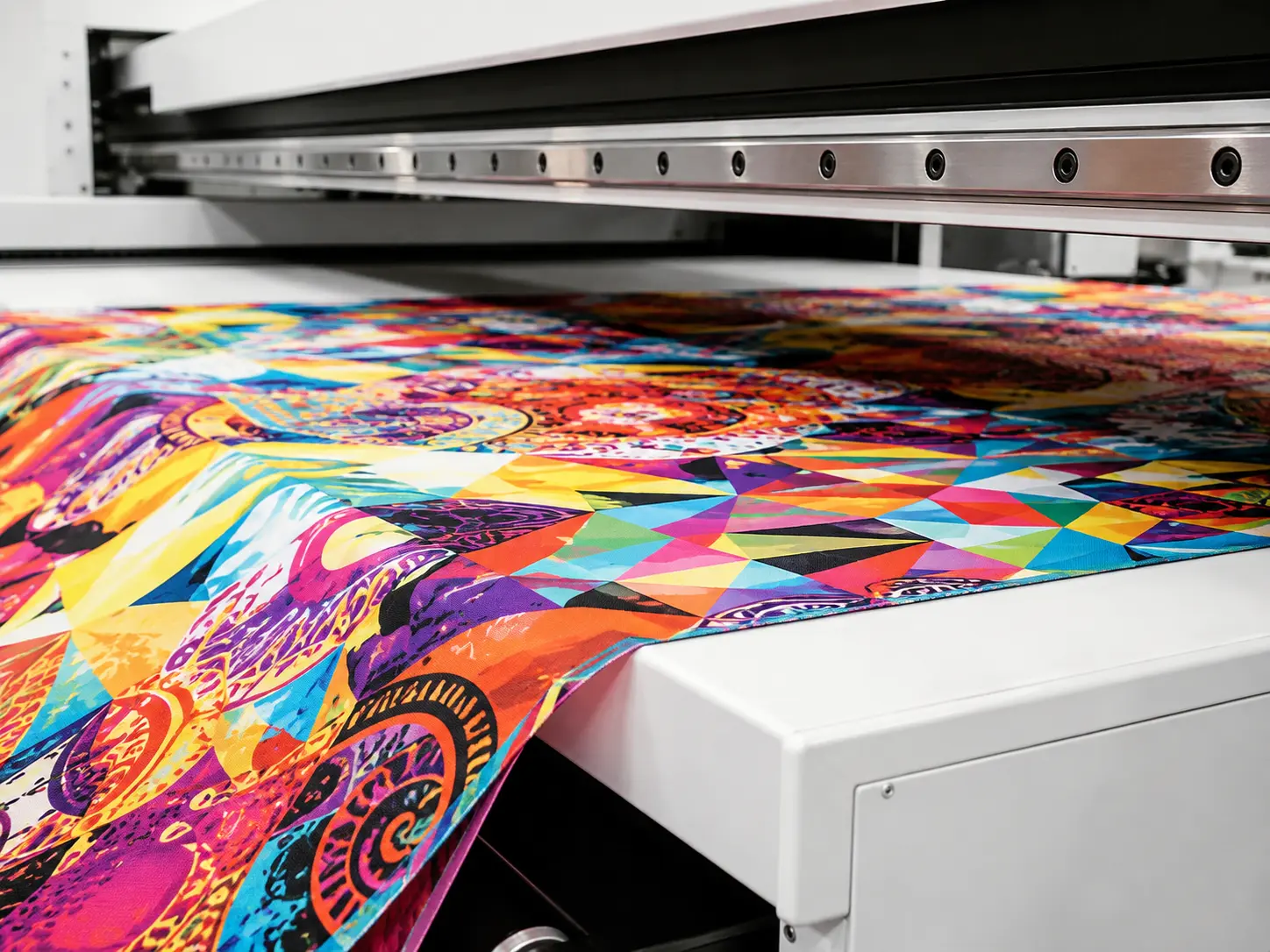
Textile Chemical Evaluation: Five Trial Scenarios and Buyer Checklists

Five illustrative workflows for evaluating textile thickeners and digital pretreatments, with controlled trials, acceptance criteria,...

A textile chemical candidate should be approved only after it meets defined requirements in the complete printing process and remains traceable from the trial sample to commercial supply. Similar viscosity or a lower price per kilogram is not enough. Compare preparation, application, fixation or curing, finished-fabric quality and total cost on the same production basis.

About these examples: The scenarios below are illustrative evaluation workflows, not documented FSX customer case studies or measured product-performance claims. They show what a buyer could test and record. No customer outcome, improvement percentage or guaranteed result is asserted.

Define the Application Before Selecting a Grade

Record the dye or ink system, fabric construction and preparation, printing equipment, product addition point, fixation route and final quality requirements. Distinguish conventional printing paste from fabric pretreatment and ink formulation. A textile pretreatment thickener must not be assumed suitable for addition to inkjet ink.

Область примененияCandidate evaluationApproval evidence
Reactive screen printing on cellulosic fabricGrade, hydration, complete-paste rheology, screen transfer and holding stabilityPrinted fabric after the specified steaming and washing sequence
CMC, CMS or compound alternativeExact commercial identity, dye compatibility and effective dosageControlled comparison at a technically suitable dosage for each candidate
Реактивная цифровая предварительная обработкаUniform application, chemical add-on, moisture and ink spreadingPrint quality, fixation and wash-off using the intended ink and fabric
Direct disperse digital printing on polyesterFabric preparation, disperse-ink compatibility, drying and thermal fixationDefinition, shade, fastness and surface quality after the actual post-treatment
Repeat commercial supplyGrade identity, batch records and incoming QCTraceable comparison with retained approved samples and production records

Scenario 1: Qualifying a Reactive Printing Thickener

Decision to make

A mill considering a second source needs to know whether the candidate works within its established process. Sodium alginate can be considered for reactive printing on suitable cellulosic fabric, but the commercial grade still requires qualification.

Suggested trial

  1. Record the current grade, dosage, water source and viscosity method.
  2. Prepare the benchmark and candidate with controlled mixing, hydration and temperature.
  3. Check filtration, appearance and holding stability in the complete dye-and-auxiliary recipe.
  4. Print matched fabric using the same screen, squeegee settings and operating conditions.
  5. Complete the specified steaming and washing sequence.
  6. Compare definition, penetration, shade, background cleanliness, fastness and residue.

Decision rule: Set acceptance criteria before the test. Approve the candidate only if the final fabric and production behavior meet them. Similar stock-paste viscosity is an intermediate observation, not proof of equivalent performance.

Related reading: sodium alginate grade selection for reactive textile printing.

Scenario 2: Comparing CMC, CMS and Compound Alternatives

Start with the exact product identity and intended application. A commercial CMS series name does not, by itself, establish the composition or suitability of every grade. Request the current product documentation and confirm which dye system and process the candidate is designed to support.

Evaluate each candidate at a suitable dosage instead of assuming a universal 1:1 replacement. Control water quality, hydration, temperature and measurement conditions. Then test the complete paste, filtration, holding behavior, print transfer and finished fabric.

Decision rule: First identify technically acceptable options. Compare their effective chemical consumption, preparation time, waste and production losses only after the working dosage has been established. A cheaper kilogram is not necessarily a cheaper acceptable metre of fabric.

Related reading: comparing thickener and pretreatment routes.

Scenario 3: Matching Reactive Digital Pretreatment

For reactive inkjet printing, evaluate the pretreatment on the intended cellulosic fabric with the actual ink set. Specify whether the process uses dried fabric or a defined wet-printing route. Wet pick-up and dry chemical add-on should be recorded separately.

  1. Prepare a controlled reference and candidate pretreatment.
  2. Apply both to matched fabric and measure application uniformity.
  3. Use the specified drying or moisture condition.
  4. Print with controlled ink limits and printer settings.
  5. Steam and wash using the same process.
  6. Assess bleeding, fine lines, solid areas, shade, wash-off and hand.

Decision rule: Select on finished output and production consistency. Equal water-solution viscosity does not establish equal spreading control, surface retention or fixation behavior.

Scenario 4: Evaluating Direct Disperse Pretreatment

For direct disperse inkjet printing on polyester, define the fabric preparation, ink, pretreatment application, drying, thermal fixation and subsequent cleaning requirements. Do not transfer a reactive-cotton recommendation directly to this route or confuse it with sublimation transfer printing.

Use a controlled trial to compare application uniformity, ink spreading, definition, solid-area appearance and final fastness. If surface residue or harsh hand appears, investigate the complete pretreatment and post-treatment sequence before attributing it to one polymer.

Decision rule: Keep a candidate only if it meets the agreed quality requirements under the actual polyester process. No specific temperature, dose or performance improvement is implied by this scenario.

Scenario 5: Connecting an Approved Sample to Bulk Supply

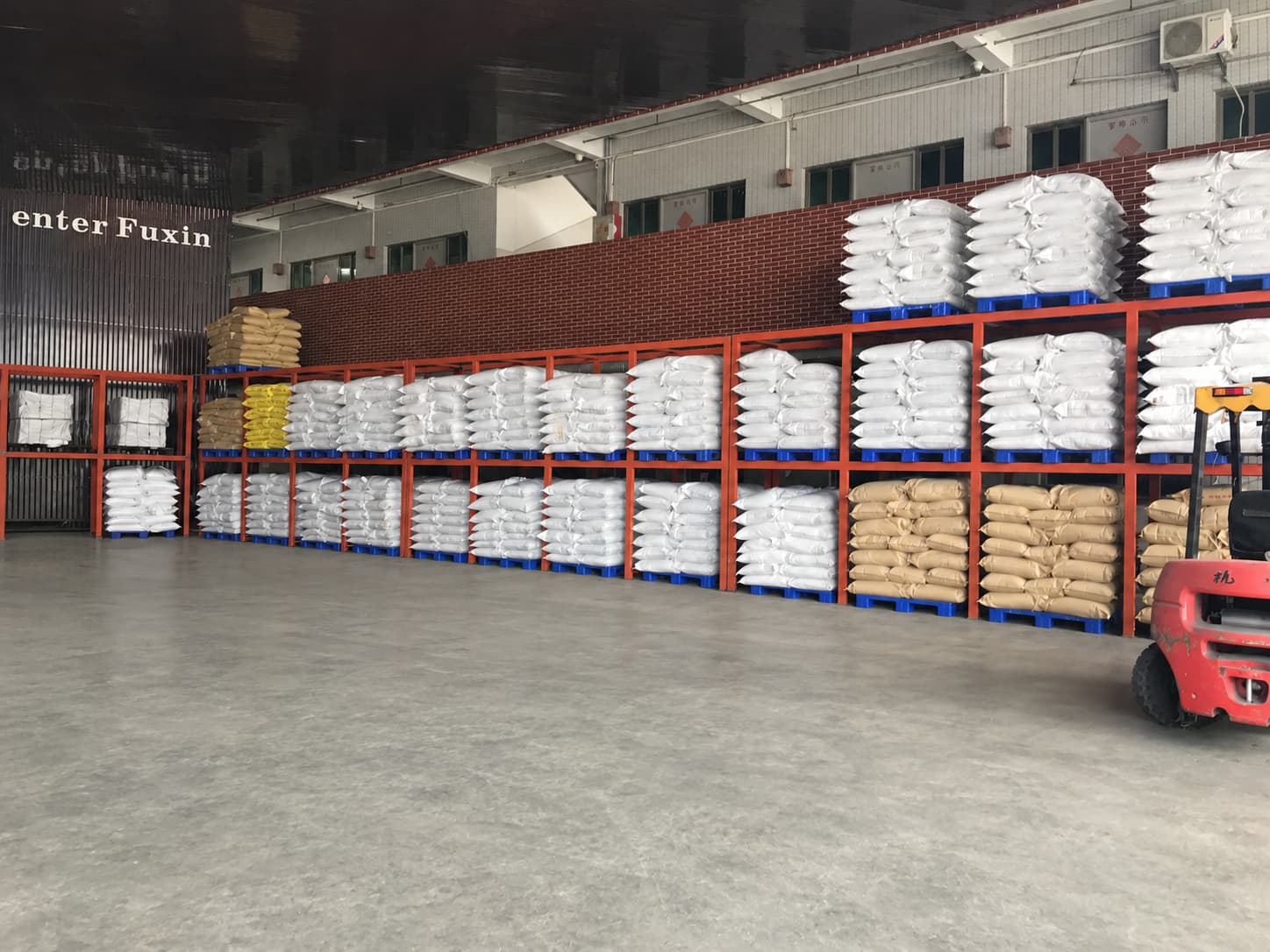
Record the commercial grade and sample identity before ordering. Agree which specifications and test methods will be used for incoming acceptance. Retain representative samples of the approved trial material and subsequent batches under suitable storage conditions.

  • Match the order, label and batch certificate to the agreed grade.
  • Repeat the selected incoming tests using the same method.
  • Link the batch to paste preparation and fabric production records.
  • Record deviations in water, recipe, fabric or machine conditions.
  • Investigate differences against the retained reference before concluding that the material caused a defect.

What to Record in a Useful Trial Report

ЭтапMinimum useful record
материалыSupplier, exact grade, lot, sample date and relevant TDS or COA
ВязкостьConcentration and basis, water, hydration, temperature, instrument, spindle, speed and reading time
Область примененияComplete recipe, addition order, paste age, fabric, equipment and add-on
Post-treatmentActual steaming, thermal fixation, curing or washing conditions
OutcomeDefined acceptance criteria, method, raw observations, reference comparison and decision
CommercialChemical consumption, preparation cost, waste, downtime, reprocessing and acceptable output

Calculate Total Cost on One Consistent Basis

Choose a common unit such as cost per tonne or per 1,000 metres of acceptable fabric. Chemical cost equals delivered price per kilogram multiplied by kilograms consumed on that production basis. Add preparation, waste treatment, cleaning, downtime and quality-loss costs measured on the same basis, avoiding double counting.

Dosage is an input to chemical consumption, not a currency amount to add directly to price. If a cost item is unknown, mark it as unmeasured rather than zero. Finalize the comparison after a technically acceptable process has been established.

What Makes a Publishable Customer Case Study?

A documented case needs a traceable project record, a defined baseline, identified material and process conditions, comparable testing and an authorized account of the result. Customer permission is needed for identifiable details, images or confidential information. Anonymizing a story does not replace the underlying evidence.

These workflows can guide a trial record, but they should not be presented as proof that a named FSX product has achieved a particular result. Product-specific claims require the relevant data.

Prepare a Sample-Matching Request

Share the current grade or TDS, printing route, fabric, dye or ink system, preparation method and the problem to solve. Include viscosity results with their full method and the acceptance criteria for the finished fabric. Share proprietary formulation details only through an agreed confidential process.

Request sample and grade matching или contact FSX Chemical to discuss the next evaluation step.

Быстрый контакт

Отправьте запрос

или

Бесплатные образцы · Ответ в течение 24 часов

Запросы о продукции и техническая поддержка

Отправьте свои требования к продукции

Сообщите название продукта, область применения, количество, пункт назначения, а также предоставьте техническое описание продукта (TDS), фотографию образца или имеющиеся у вас документы. Компания FSX Chemical рассмотрит эту информацию и порекомендует дальнейшие действия для подготовки коммерческого предложения, подбора образца или выбора продукта.

Информация о продукте Название продукта, марка, модель, фото этикетки или данные о продукте текущего поставщика.
Доступные документы TDS, SDS, COA, фотография образца, перечень продукции или данные испытаний.
Детали заказа Предполагаемый объем, упаковка, страна назначения, порт или условия торговли.
Область применения или проблема Процесс печати на текстиле, требования к составу, текущие проблемы или целевые показатели.