
















Связанные публикации

Как сравнить методы определения вязкости загустителей для текстильной печати

Узнайте, почему значения вязкости загустителей для текстильной печати нельзя сравнивать без учета таких факторов, как концентрация, температура, прибор, шпиндель, скорость, метод подготовки проб и время испытания.

Загустители для текстильной печати в зависимости от красителя и метода печати
Узнайте, как выбирать загустители и способы предварительной обработки для реактивной, дисперсной, пигментной и цифровой печати на текстиле с учетом требований к ткани, красителю или чернилам, фиксации, вымываемости и качеству печати.

CMC, CMS, альгинат натрия и паста для цифровой печати: практическое руководство по выбору
Сравните CMC, CMS, альгинат натрия и пасту для цифровой печати на текстиле. Узнайте, насколько каждый из этих материалов подходит для реактивной, дисперсной, пигментной и цифровой печати, а также на что покупателям следует обратить внимание перед тестированием образцов, подбором марки и оптовой закупкой.
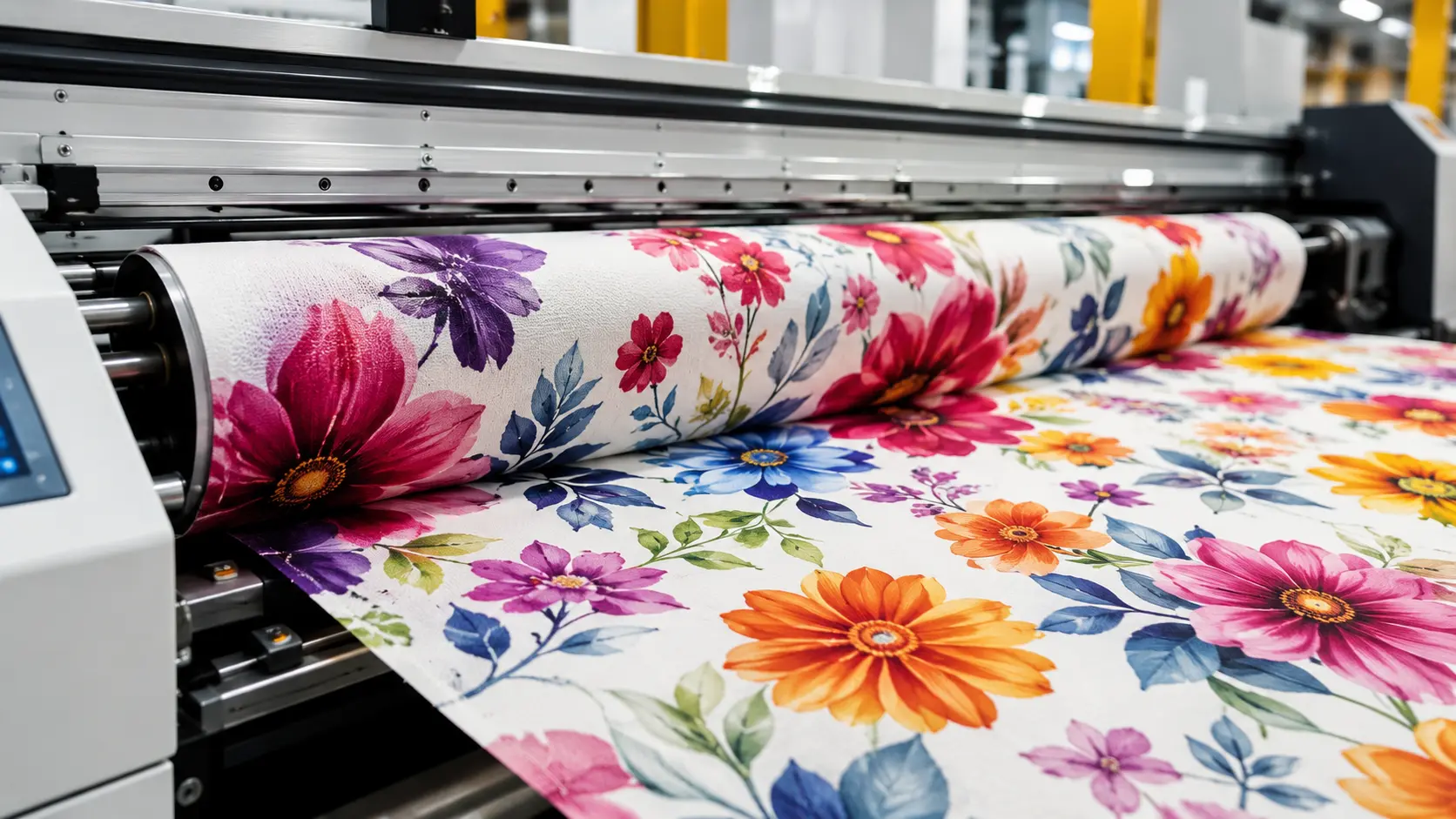
Sodium Alginate for Polyester Printing: Limitations and Thickener Selection
Альгинат натрия является стандартным загустителем для печати активными красителями на хлопке, однако он не подходит для печати дисперсными красителями на полиэстере. В данном руководстве объясняется, почему это так, в чем заключаются химические различия между красителями и какие типы загустителей подходят для печати на полиэстере и полиэстеровых смесях.
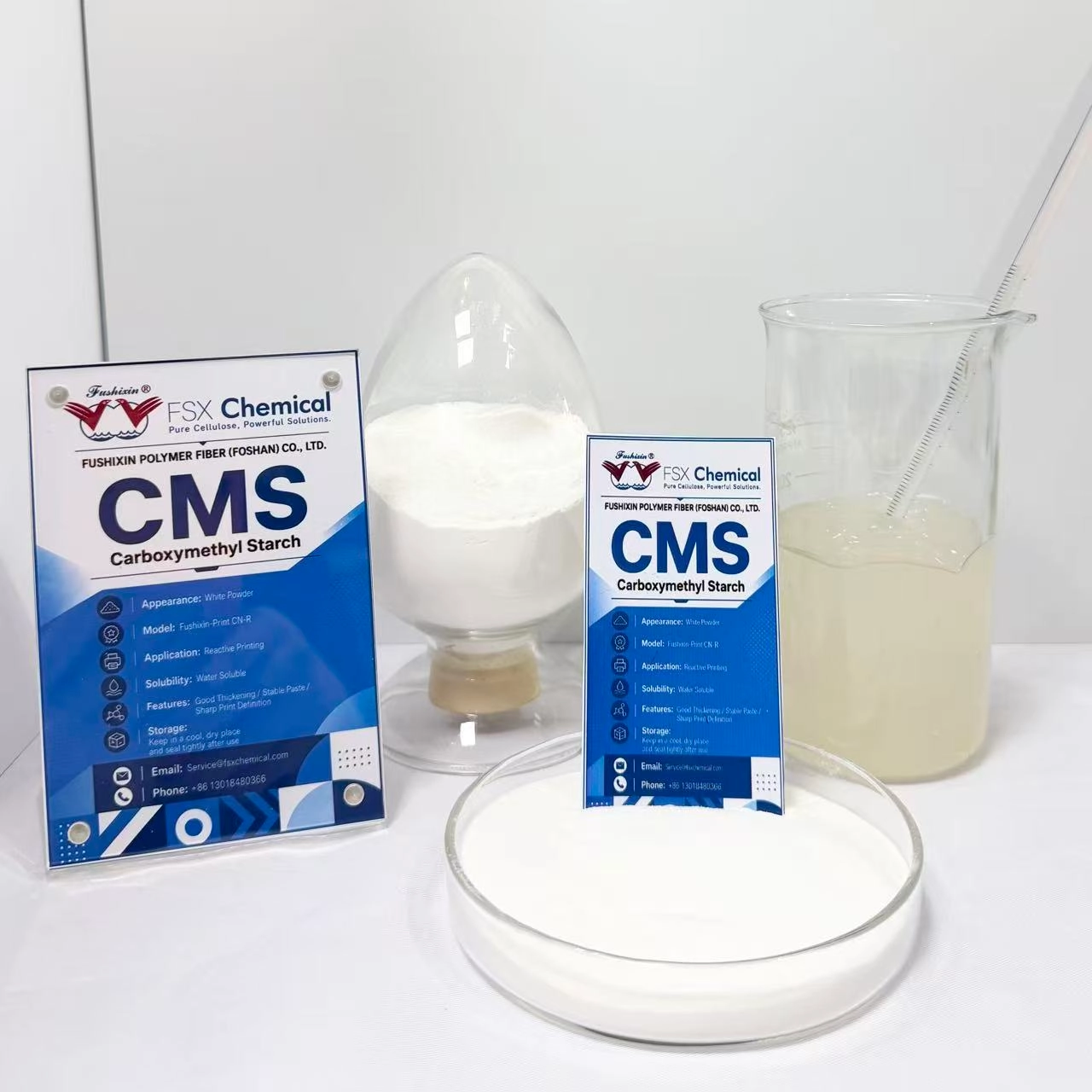
CMS для пасты для печати на текстиле: руководство по подбору марок и испытанию образцов
CMS для пасты для текстильной печати помогает регулировать вязкость, улучшать рабочие характеристики пасты и обеспечивать стабильные эксплуатационные показатели состава. В данном руководстве объясняется, как покупатели могут оценивать марки CMS по таким показателям, как вязкость, сухой остаток (DS), растворимость, pH, влажность, а также на основе результатов испытаний образцов перед оптовой закупкой.

Поставщик целлюлозного сырья для текстильной и полиграфической промышленности: на что следует обратить внимание покупателям
Сырье на основе целлюлозы используется в текстильной печати, при приготовлении печатных паст, в качестве загустителя и в качестве компонента рецептуры. В данном руководстве объясняется, как покупатели могут оценивать CMC, CMS, альгинат натрия, загустители для текстильной печати и продукты для печатных паст на основе технических характеристик, документации, испытаний образцов и поддержки со стороны поставщиков.

Поставщики производных целлюлозы для текстильной и полиграфической промышленности: полное руководство по экспортным закупкам
Производные целлюлозы широко используются в текстильной печати, при приготовлении печатных паст, в качестве загустителей и в качестве компонентов рецептур. В данном руководстве объясняется, как зарубежные покупатели могут закупать CMC, CMS, альгинат натрия, загустители для текстильной печати и продукты для печатных паст у компании FSX Chemical с предоставлением технических спецификаций (TDS), сертификатов анализа (COA), тестирования образцов, подбора сортов и содействия в оформлении экспортных документов.
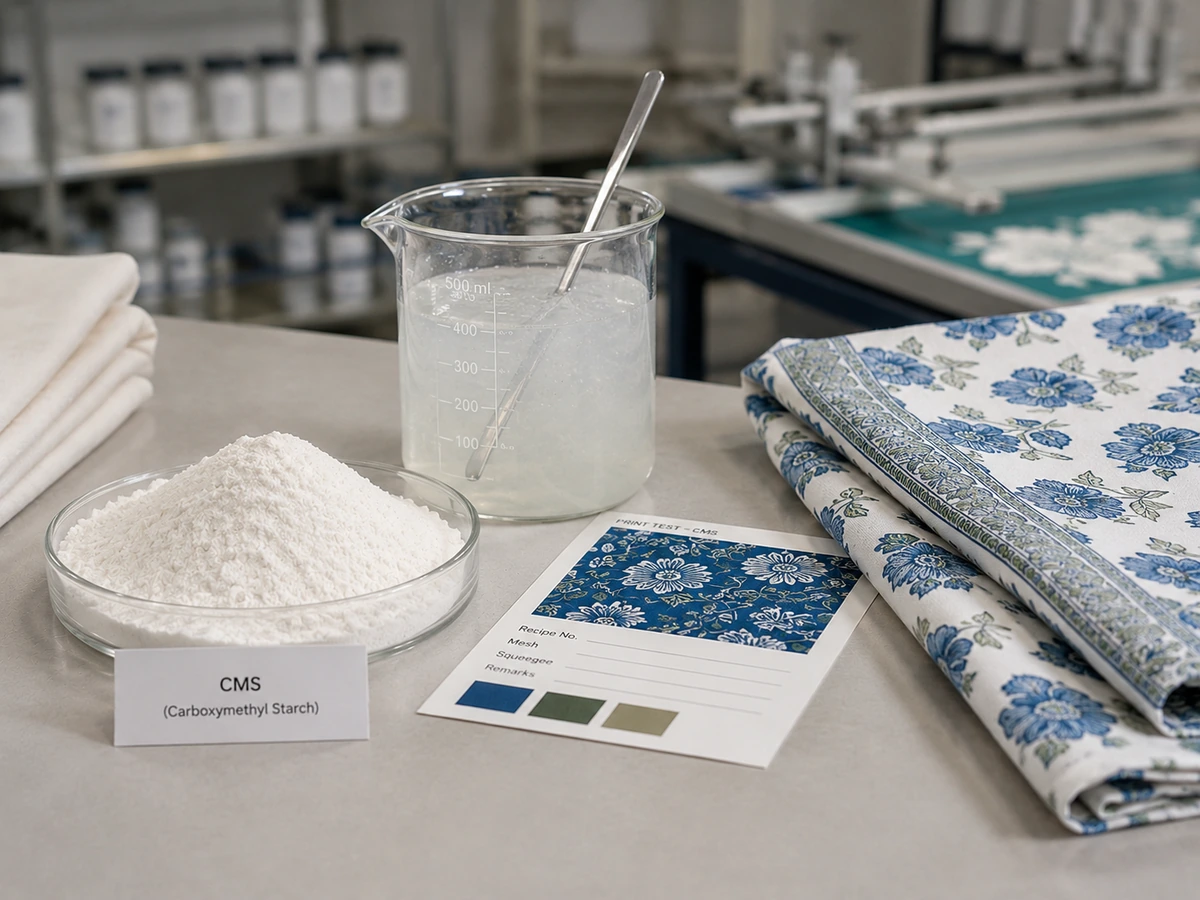
Поставщик химикатов для текстильной промышленности: Руководство по подбору продукции для покупателей в сфере печати
Выбор химических веществ для текстильной промышленности — это нечто большее, чем просто сравнение названий продуктов. В данном руководстве объясняется, как закупщикам в сфере текстильной печати подбирать CMC, CMS, альгинат натрия, загустители для текстильной печати и печатные пасты с учетом области применения, технических характеристик, спецификаций (TDS), сертификатов анализа (COA), результатов испытаний образцов и стабильности партий.
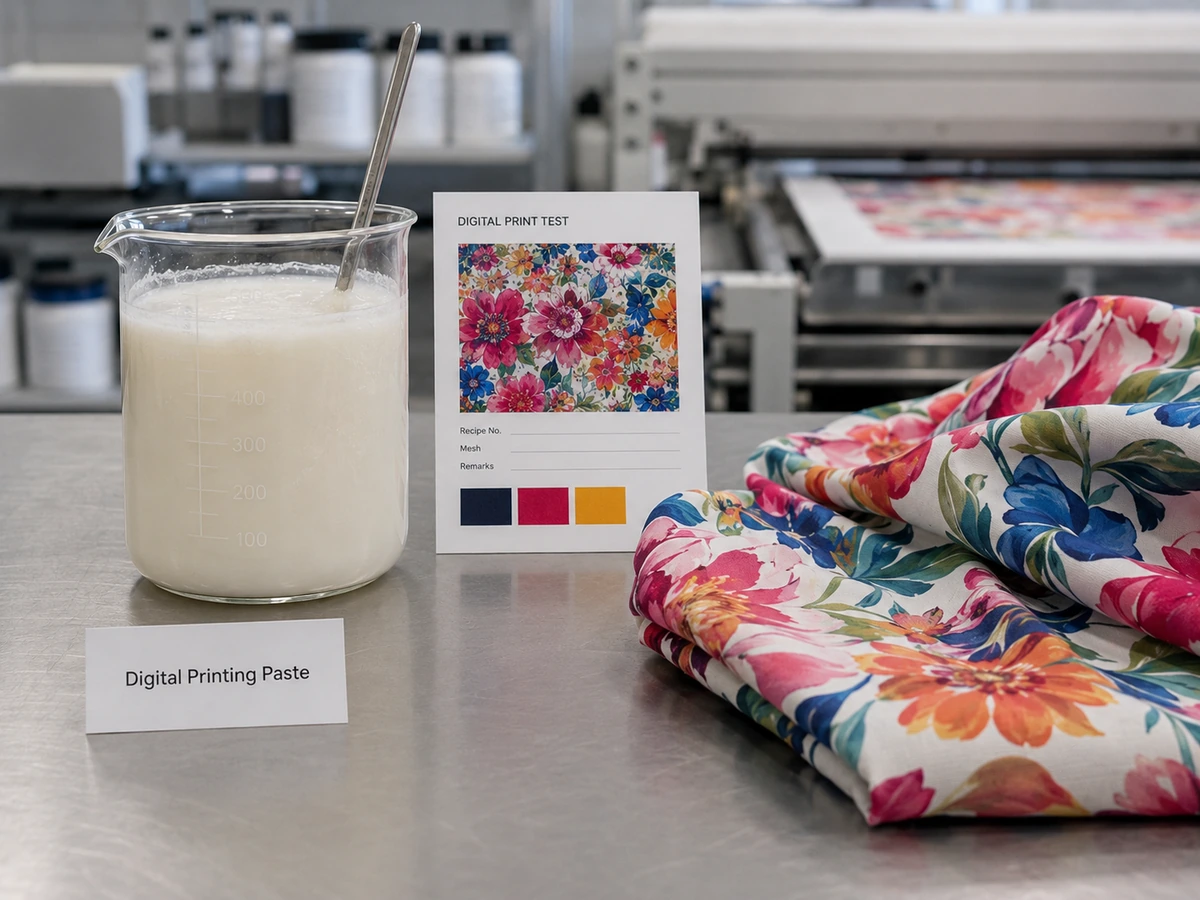
Поддержка в разработке химических составов для текстильной и полиграфической промышленности: что должны предоставить заказчики
Сопровождение разработки химических рецептур для текстильной печати должно начинаться с предоставления четкой информации о применении. В данном руководстве объясняется, какую информацию должны предоставлять покупатели при запросе подбора продукта, корректировки рецептуры, тестирования образцов, а также при запросе технических спецификаций (TDS), сертификатов анализа (COA), паспортов безопасности (SDS) и технической поддержки в отношении CMC, CMS, альгината натрия, загустителей для текстильной печати и пастообразных продуктов для печати.
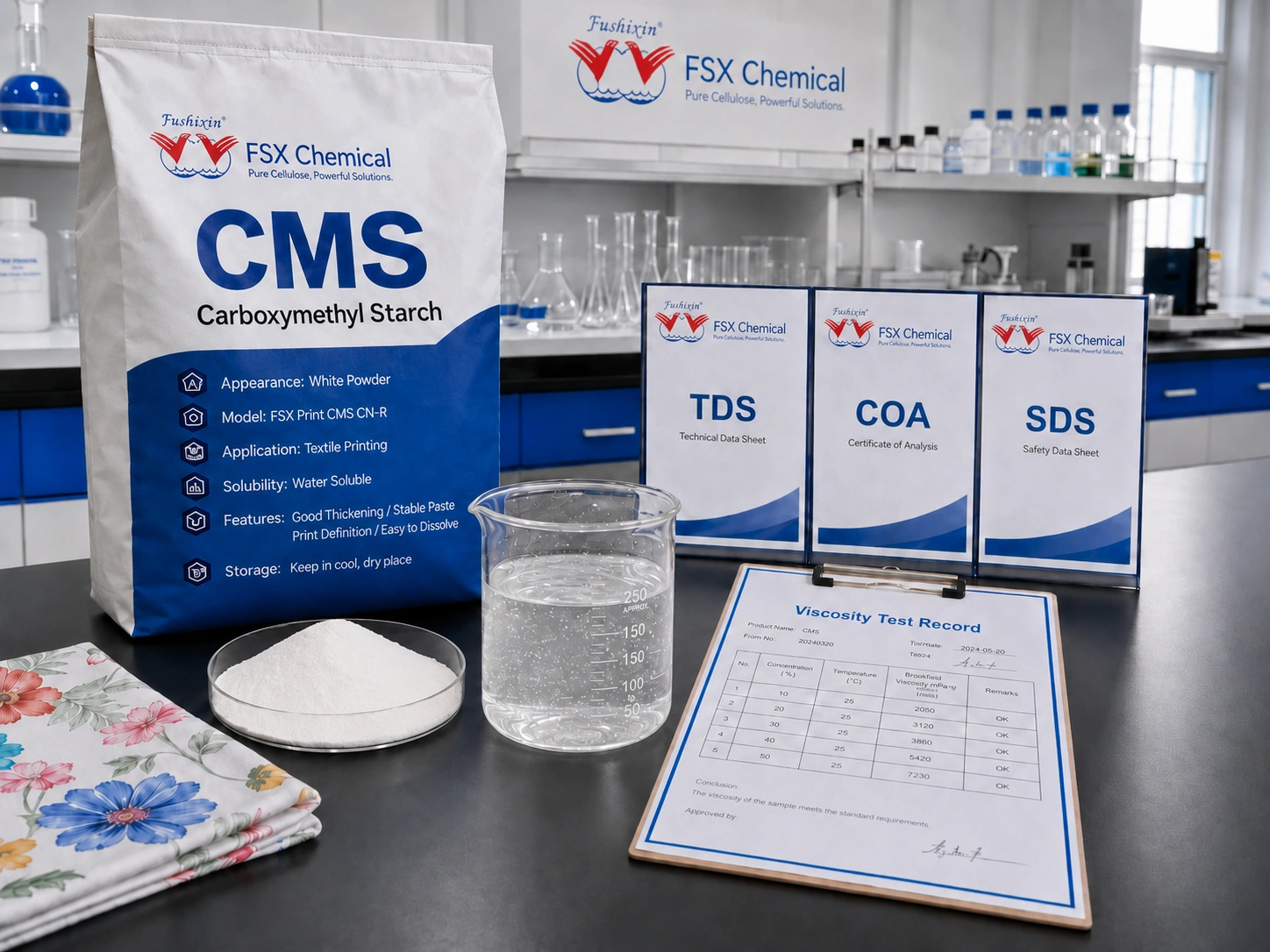
Как выбрать карбоксиметилкрахмал (CMS) для проклеивания текстиля и цифровой печати
Карбоксиметилкрахмал (CMS) может применяться в определённых системах пропитки текстиля, печатных паст и составах для цифровой печати. В данном руководстве объясняется, как покупателям следует оценивать класс вязкости, растворимость, рН, влажность, свойства плёнки, совместимость с другими компонентами рецептуры, TDS, COA, SDS, результаты испытаний образцов и стабильность партий перед закупкой больших партий.
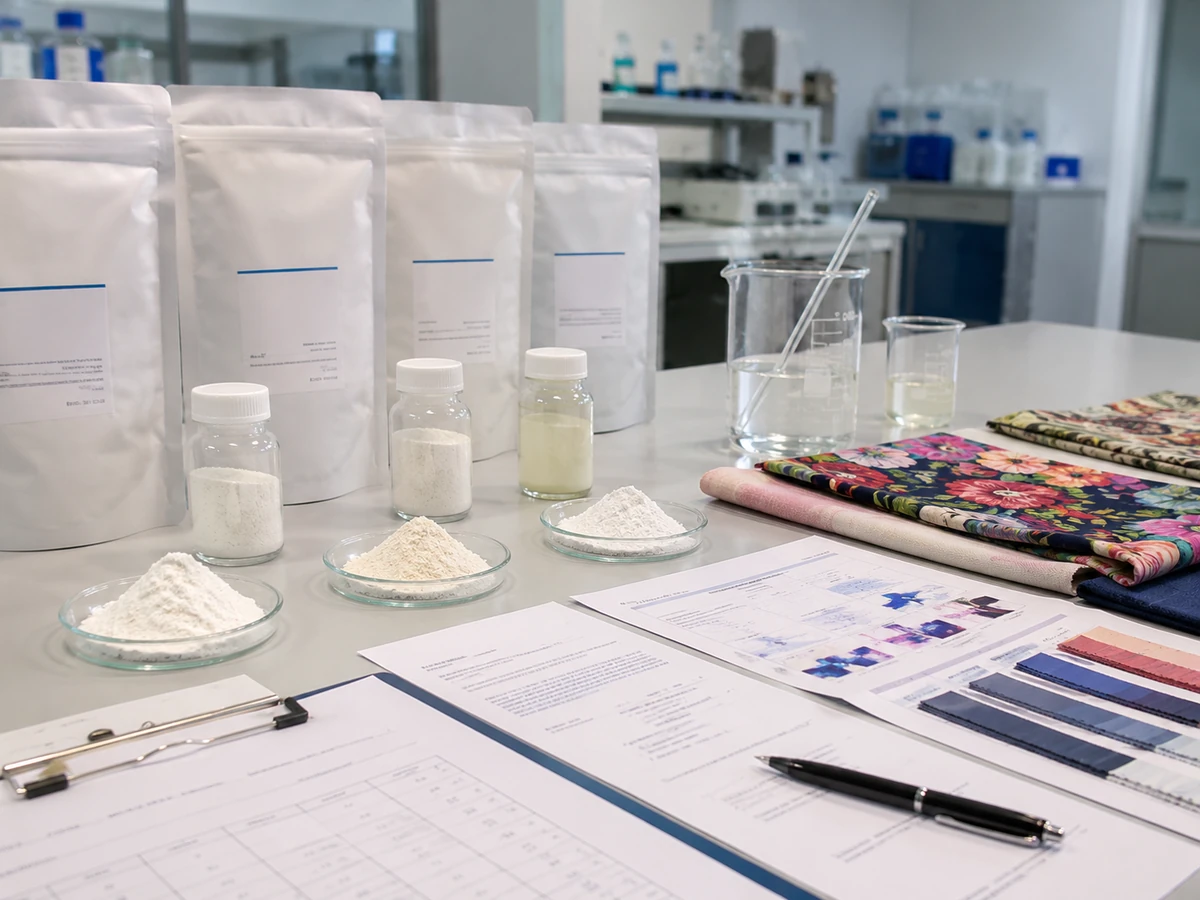
Как выбрать подходящий загуститель для печати на ткани
Выбор подходящего загустителя для текстильной печати зависит не только от типа ткани. Покупателям следует подбирать загуститель с учетом системы красителей или пигментов, метода печати, требуемых реологических характеристик, требований к стойкости к стирке, а также фактических условий производственных испытаний.
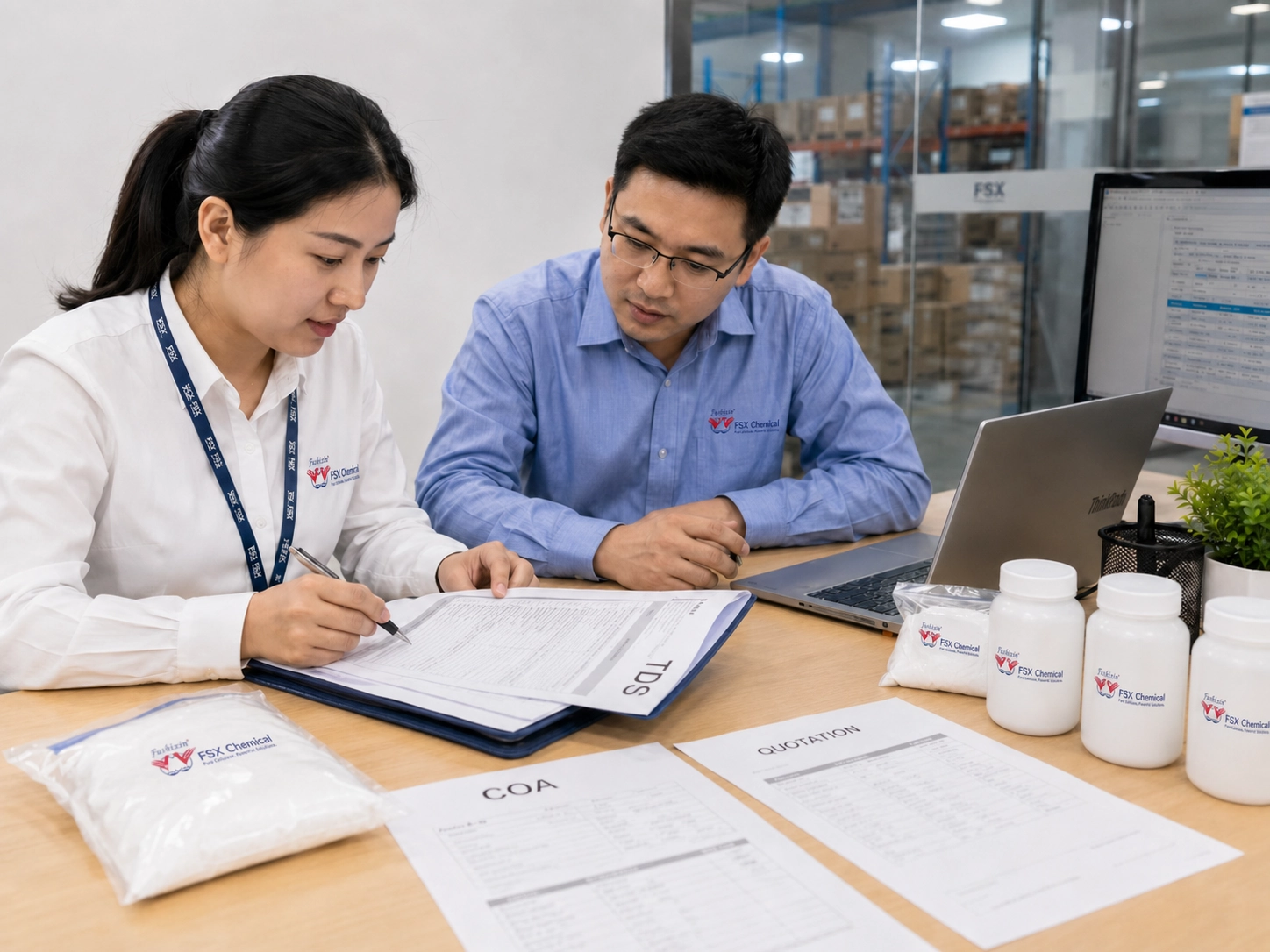
Химические вещества для печати на текстиле и их функции: 10 основных групп
Эффективность печати на текстиле зависит от сбалансированной химической системы, а не от одной универсальной добавки. В данном руководстве описаны десять важных групп химических веществ, их функции, сферу применения, а также то, что покупатели должны проверить перед проведением производственных испытаний.
