This guide explains how buyers can evaluate sodium alginate for textile printing by reviewing application trends, product specifications, document support, sample testing, batch consistency, packaging, and export requirements.
Why Sodium Alginate Remains Important in Textile Printing
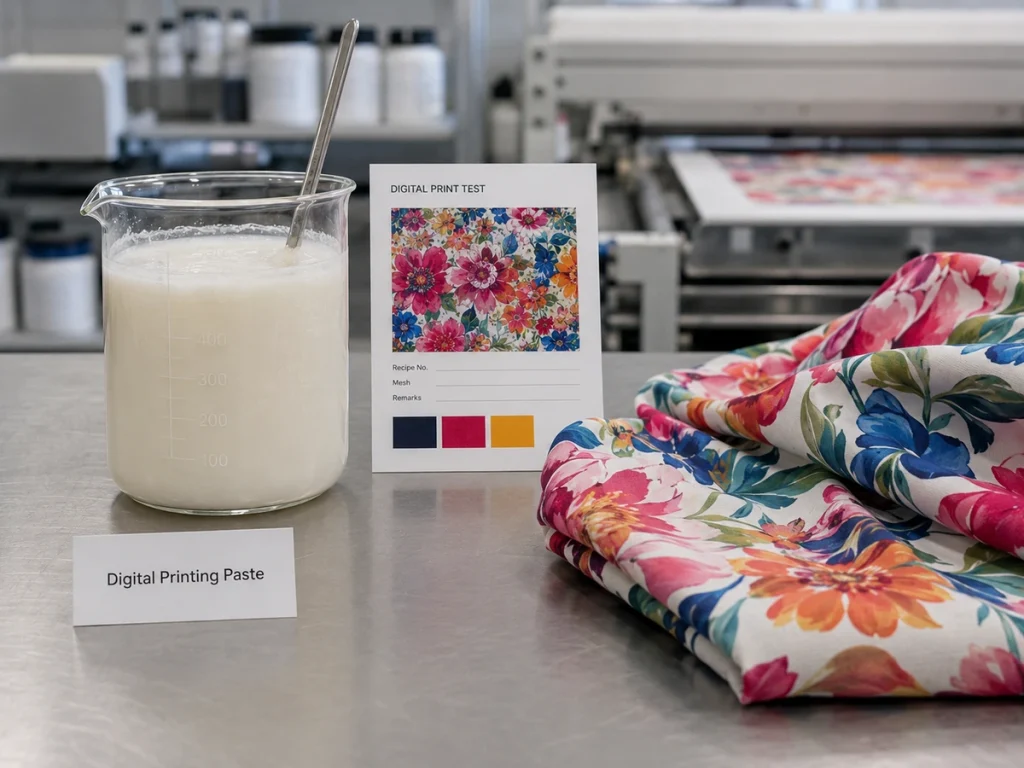
Reactive Printing Paste Requires Controlled Viscosity
The suitable grade depends on the target paste viscosity, printing method, fabric type, dye system, water quality, and preparation process.
Dissolution and Paste Smoothness Affect Production Handling
Besides viscosity, dissolution behavior is also important. If sodium alginate hydrates unevenly, the paste may contain lumps, show poor smoothness, or create filtration difficulty.
Buyers should evaluate dissolution behavior under their own water quality, stirring method, addition sequence, preparation time, and formulation conditions.
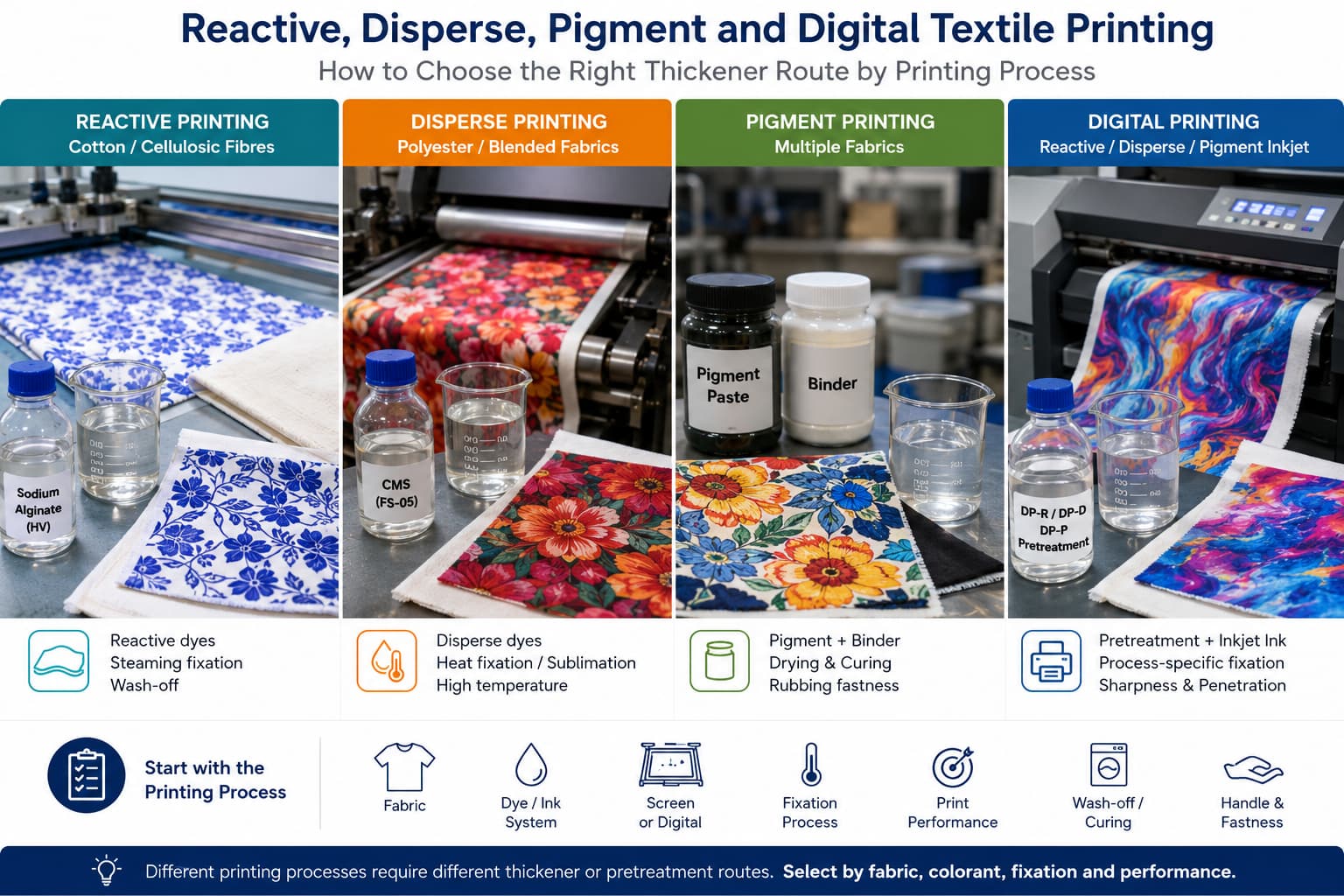
Different Printing Processes May Need Different Grades
There is no single sodium alginate grade that fits every textile printing process. A grade suitable for one formulation may not perform the same in another production system.
For this reason, grade selection should be based on actual application data and sample testing rather than broad supplier claims.
How Buyers Should Treat Eco-Friendly and Performance Claims
Environmental Claims Need Supporting Documents
Terms such as “eco-friendly,” “biodegradable,” “non-toxic,” or “compliant” should be reviewed carefully in B2B chemical sourcing. If these claims matter to the buyer’s internal approval or customer audit, supporting documents should be requested before order confirmation.
Depending on the buyer’s requirement, this may include SDS, supplier statements, restricted-substance information, customer questionnaires, or third-party testing documents where applicable.
Performance Claims Should Be Tested in the Buyer’s Formulation
Claims about color performance, printing sharpness, paste stability, or production efficiency should not be accepted only as marketing language. Final performance depends on the buyer’s formulation and production process.
Buyers should test the recommended sodium alginate grade in their own paste preparation and printing conditions before bulk purchase.
Regulatory or Certification Requirements Should Be Clarified Early
If the buyer needs specific certification, restricted-substance confirmation, or customer compliance documents, those requirements should be discussed before quotation or shipment.
Надежный поставщик должен четко объяснить, какие документы могут быть предоставлены, а какие заявления требуют проведения официальных испытаний или сертификации третьей стороной.
Основные технические характеристики, на которые следует обратить внимание покупателям
Класс вязкости и метод испытания
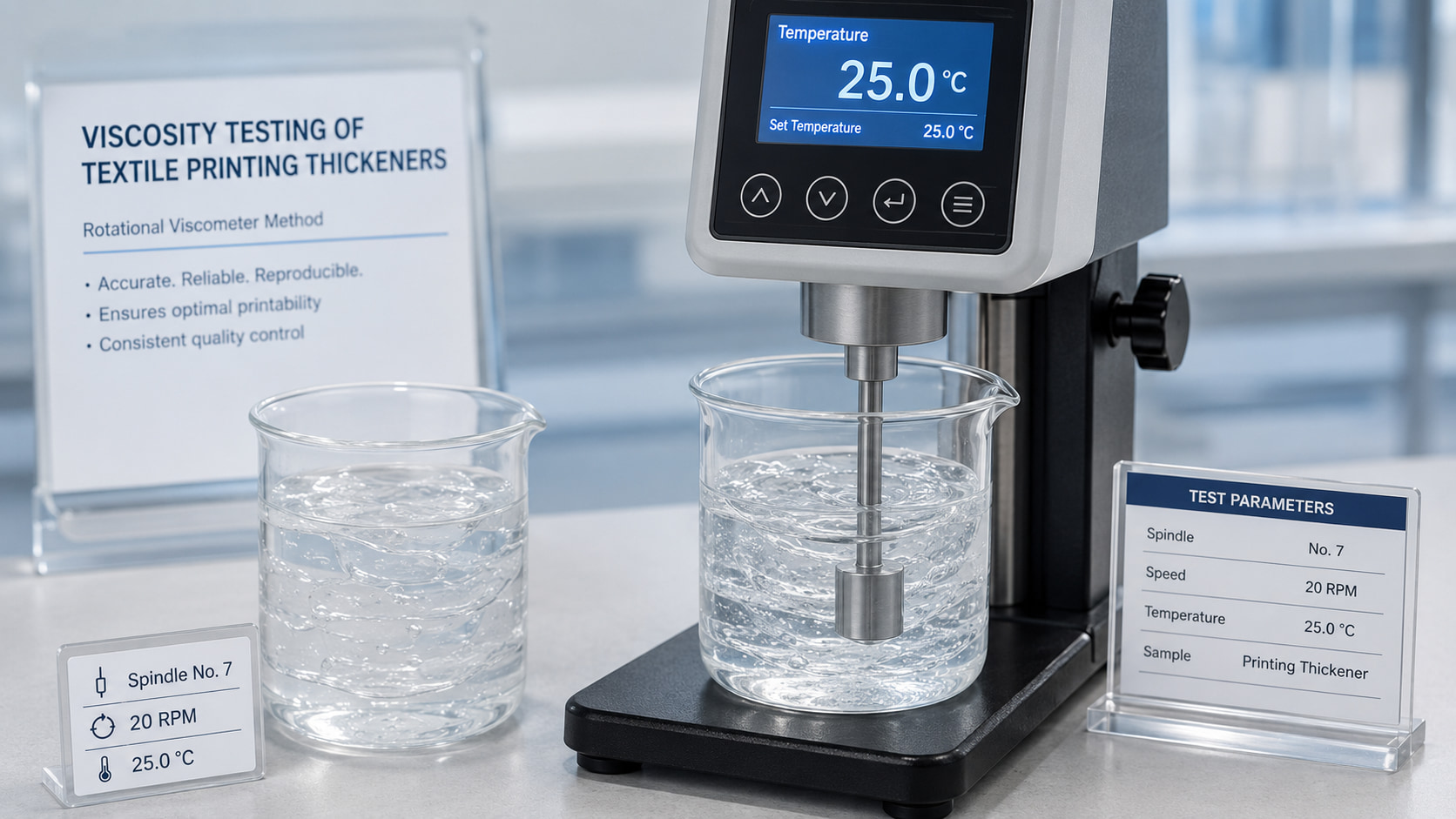
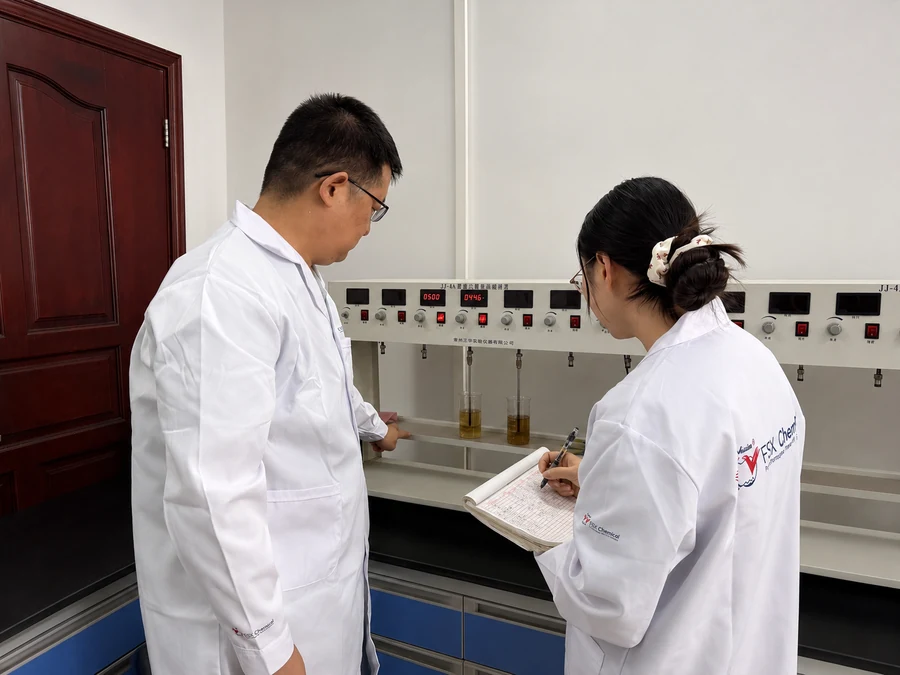
Viscosity is one of the most important parameters for sodium alginate used in textile printing paste. Buyers should review the viscosity range together with the test concentration, temperature, instrument method, and unit.
В отсутствие четко определённого метода испытаний значения вязкости, полученные у разных поставщиков, могут оказаться несопоставимыми напрямую.
Размер ячейки и особенности растворения
Mesh size can influence dispersion and hydration during paste preparation. However, actual dissolution behavior also depends on water quality, stirring speed, addition method, and preparation time.
Buyers should test the product under their own preparation conditions instead of relying only on mesh size data.
Влажность, pH и внешний вид
Влажность, уровень pH и внешний вид — это основные, но важные показатели качества. Они влияют на условия хранения, обращение с продукцией, контроль качества и повторные покупки.
Эти параметры следует проверить в техническом описании продукта (TDS) и подтвердить данными сертификата анализа (COA) для каждой партии.
Согласованность партий
For repeat orders, batch consistency matters. If viscosity, moisture, pH, or dissolution behavior changes significantly between batches, the buyer may need to adjust the formulation again.
COA review helps buyers confirm whether batch data remains within the agreed specification range.
Documents Buyers Should Request Before Purchase
TDS для проверки технического задания
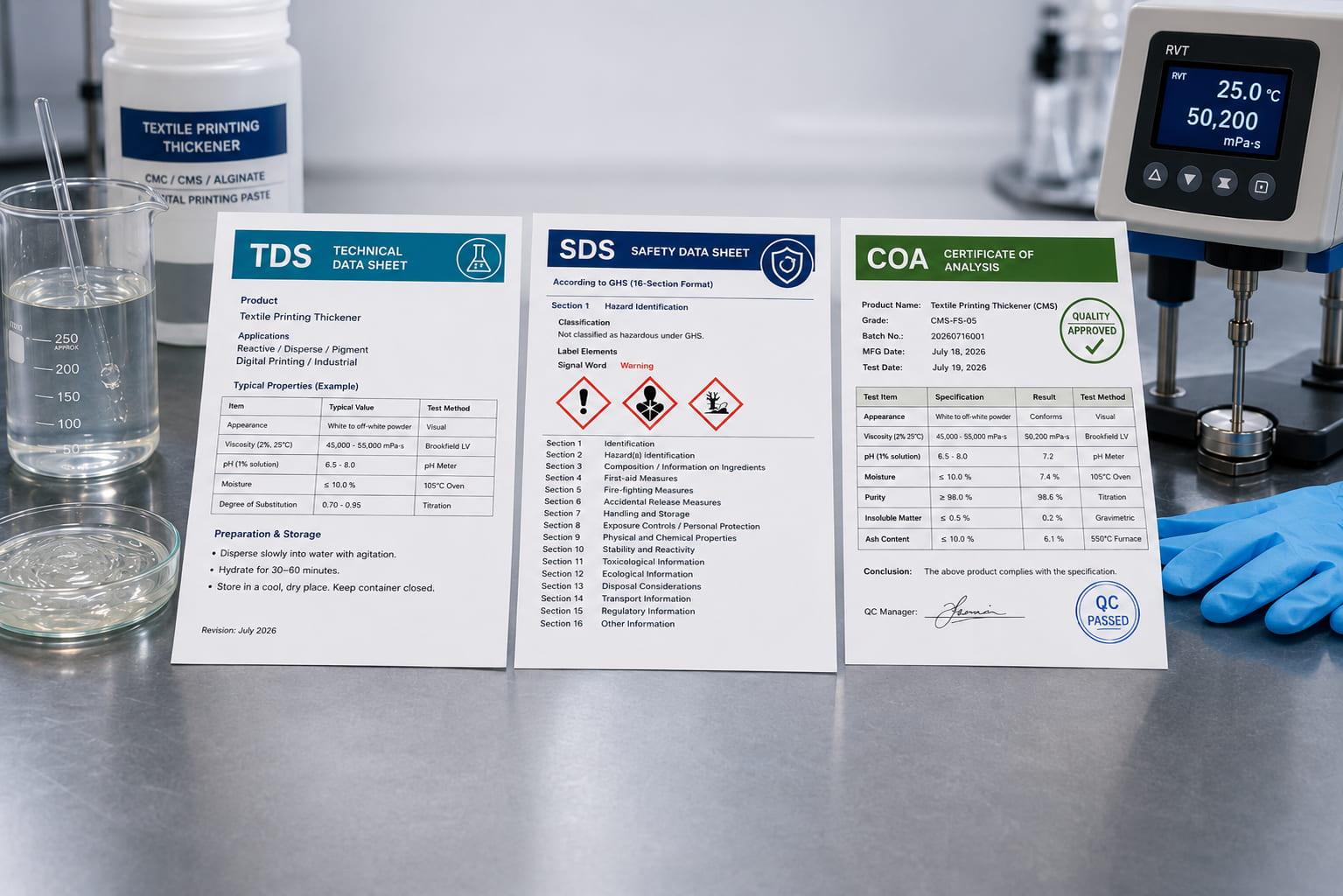
Технический паспорт помогает покупателям ознакомиться со стандартными техническими характеристиками продукции. В него должны быть включены такие ключевые параметры, как внешний вид, вязкость, размер ячейки сетки, влажность, pH, условия хранения и метод испытаний.
The TDS is useful for technical comparison, but it should not replace sample testing in the buyer’s own formulation.
COA для подтверждения партии
Сертификат анализа подтверждает фактические данные по конкретной производственной партии. Он играет важную роль при размещении оптовых заказов, повторных закупках, поставках дистрибьюторам и внутреннем контроле качества.
Buyers can compare COA records across shipments to check whether key parameters remain stable over time.
Обзор паспортов безопасности (SDS) по обращению и транспортировке
Паспорт безопасности служит руководством по обращению, хранению, транспортировке и проведению внутренней проверки безопасности. При международных закупках паспорт безопасности может также потребоваться для оформления отгрузки и ведения переписки с таможенными органами.
Покупатели должны убедиться, что название продукта в паспорте безопасности (SDS) и данные о поставщике соответствуют документам заказа.
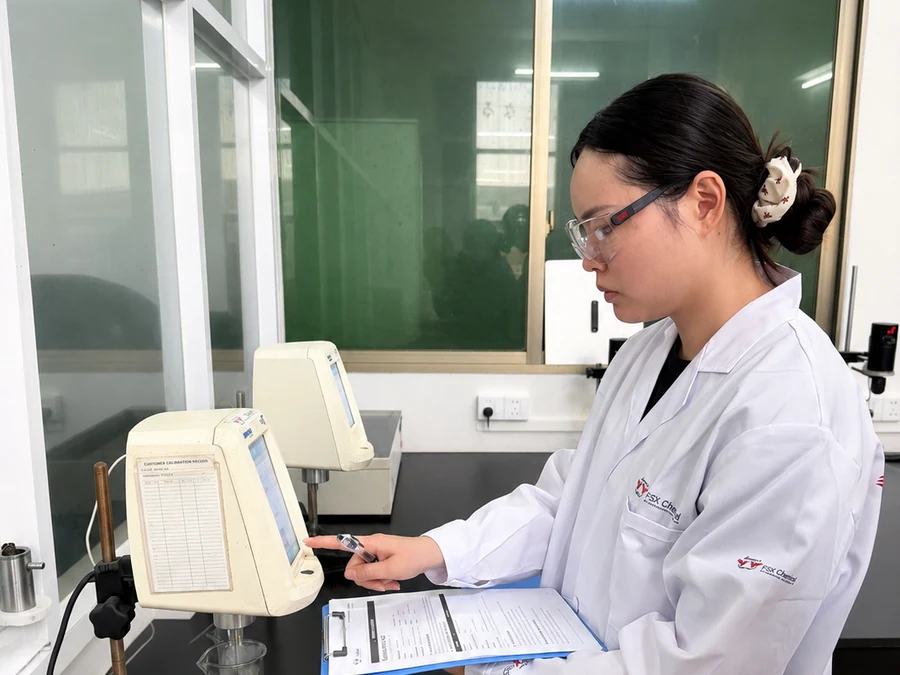
Дополнительные документы, касающиеся охраны окружающей среды или веществ, подлежащих ограничению
If the buyer needs environmental statements, restricted-substance information, customer audit documents, or certification support, these requirements should be clearly requested before order confirmation.
Поставщики должны пояснить, какие документы могут быть предоставлены, а какие заявления требуют проведения независимых испытаний или официальной сертификации.
Как проверить альгинат натрия перед оптовой закупкой
Испытание реальной рецептуры печатной пасты
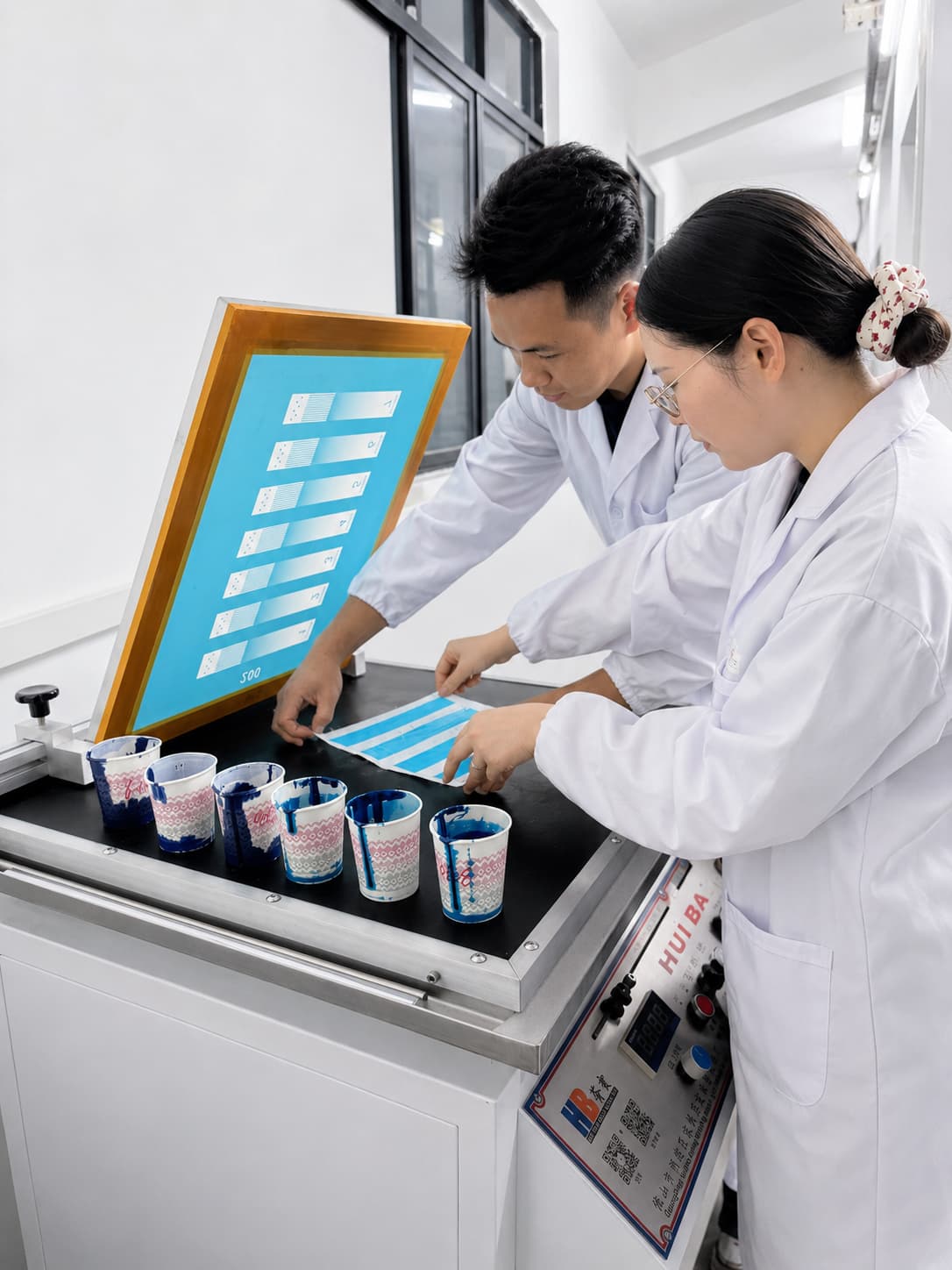
Испытания образцов следует по возможности проводить с использованием собственной рецептуры заказчика. На конечные свойства пасты могут влиять красящие вещества, вспомогательные вещества, качество воды, pH, способ перемешивания, концентрация пасты и время хранения.
Проведение испытаний исключительно в чистой воде может оказаться недостаточным для подтверждения пригодности данного сорта альгината натрия для производства.
Проверьте однородность пасты и степень фильтрации
During testing, buyers should observe dissolution speed, paste smoothness, lump formation, filtration behavior, viscosity stability, and application handling.
Для текстильной печатной пасты эти практические наблюдения часто так же важны, как основные параметры, указанные в TDS.
Сравнение утвержденного образца с партией товара
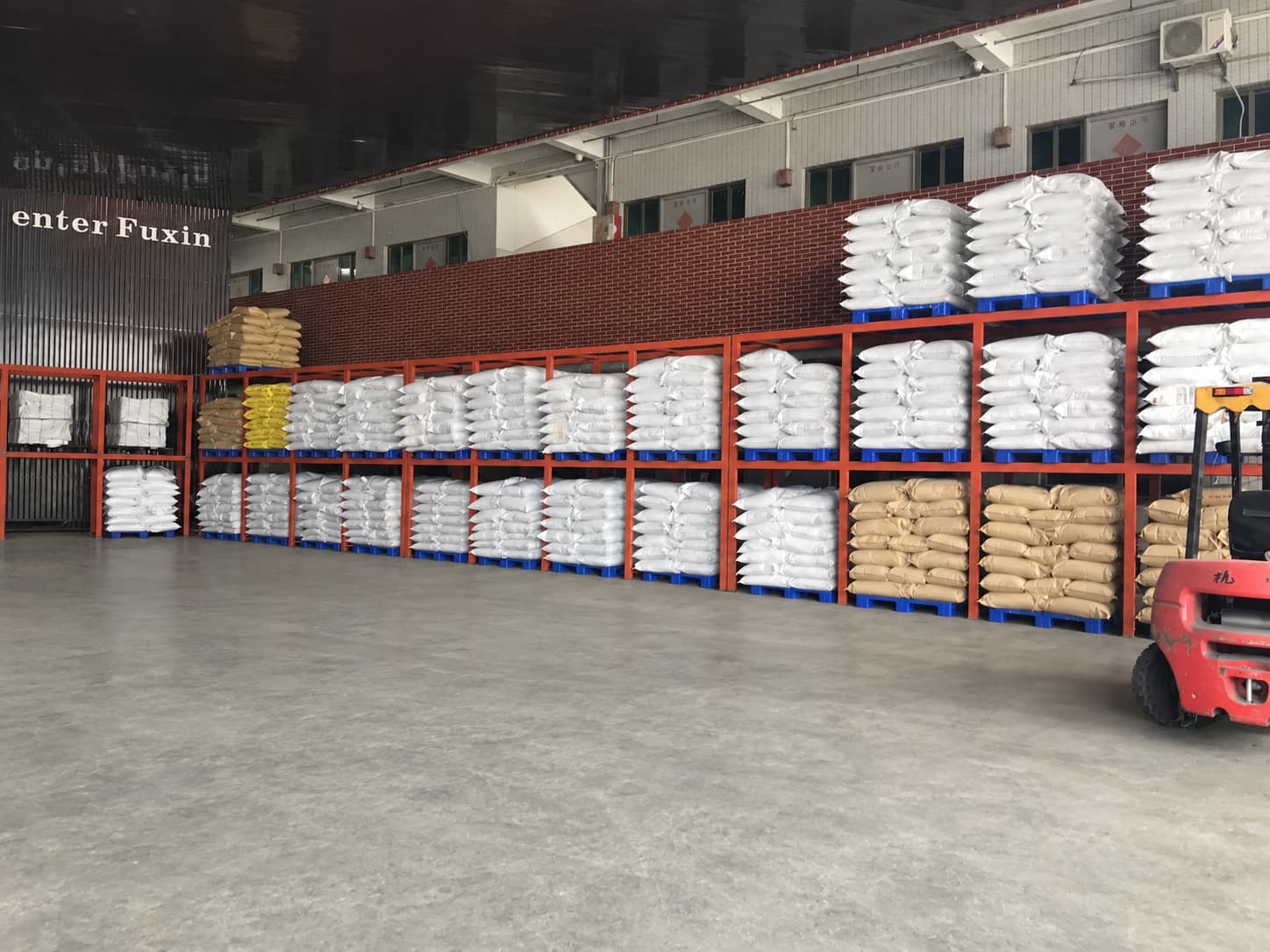
Перед подтверждением оптового заказа покупателям следует убедиться, что утвержденный образец и оптовая партия будут соответствовать одним и тем же требованиям в отношении диапазона вязкости, размера ячейки сетки, формата упаковки, отслеживаемости партии и сертификата анализа (COA).
Это позволяет снизить риск несоответствия между пробой и основной партией.
Common Mistakes When Following Sodium Alginate Trends
Choosing by Trend Words Instead of Application Needs
Words such as “green,” “high-performance,” or “advanced” do not define whether a sodium alginate grade is suitable for a specific printing process.
Buyers should start with application requirements, not marketing descriptions.
Ignoring the Viscosity Test Method
Значения вязкости, измеренные при разных концентрациях, температурах или на разных приборах, могут различаться.
Before comparing suppliers, buyers should check whether the test method is clearly stated.
Overlooking Sample-to-Bulk Consistency
Это особенно важно для дистрибьюторов и заводов, которым необходимы стабильные и регулярные поставки.
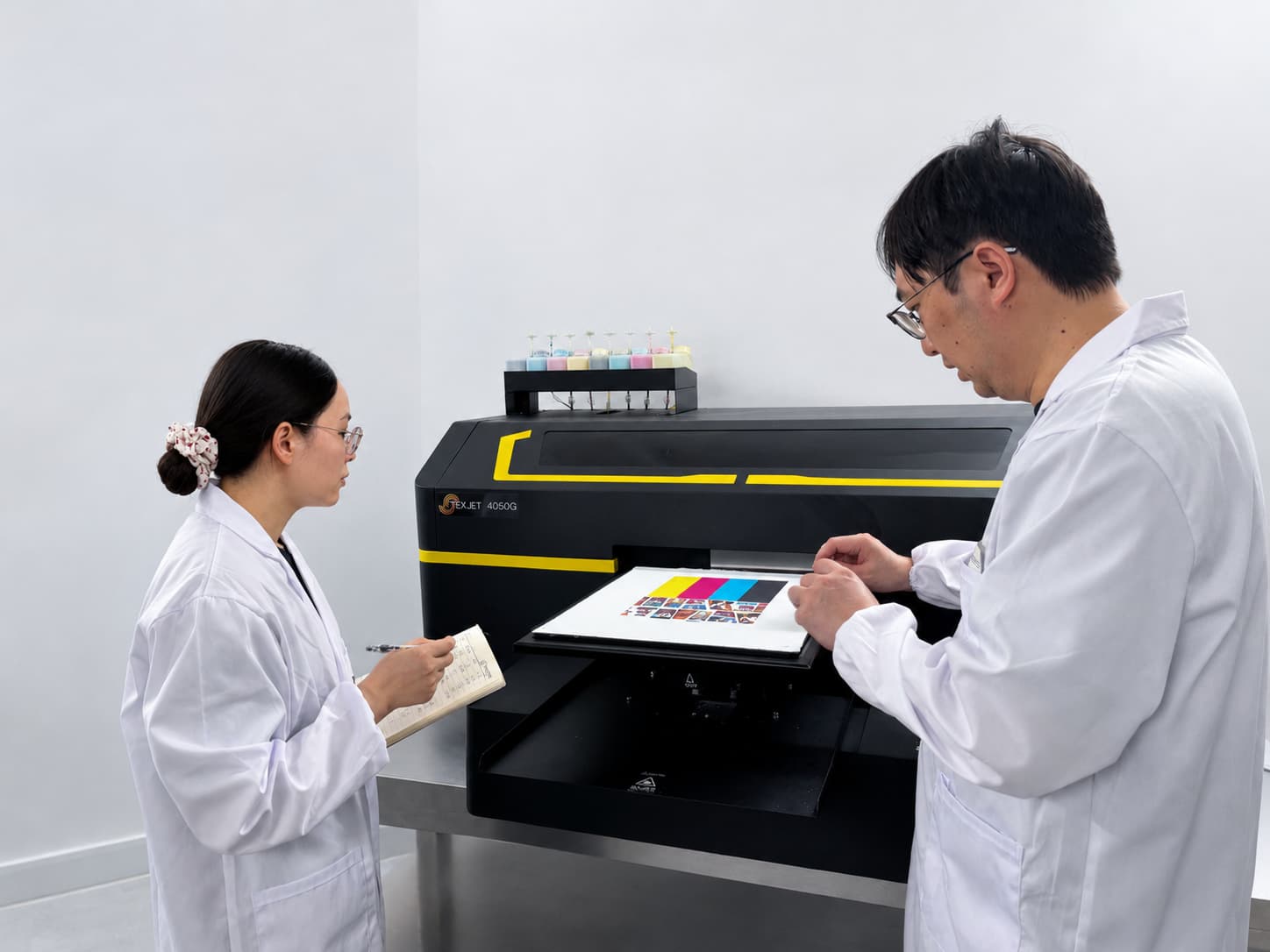
Как компания FSX Chemical оказывает поддержку покупателям альгината натрия
Следующие шаги
- Поделитесь своим приложением — Сообщите нам, какой процесс печати вы используете, тип ткани, систему окрашивания, целевую вязкость и текущий состав пасты.
- Clarify Document Requirements — Укажите, требуются ли вам паспорта безопасности (SDS), заявления об ограниченных веществах, анкеты для клиентов или документы о сертификации третьей стороной.
- Запросить TDS — проанализировать диапазон вязкости, размер ячейки сетки, pH, влажность, внешний вид, условия хранения и метод испытаний.
- Запросить сертификат подлинности (COA) — перед отгрузкой убедиться, что данные по партии соответствуют согласованному диапазону технических характеристик.
- Запросить образец — Перед оформлением оптовых заказов протестируйте рекомендуемый сорт альгината натрия в условиях, характерных для вашего процесса приготовления пасты и печати.
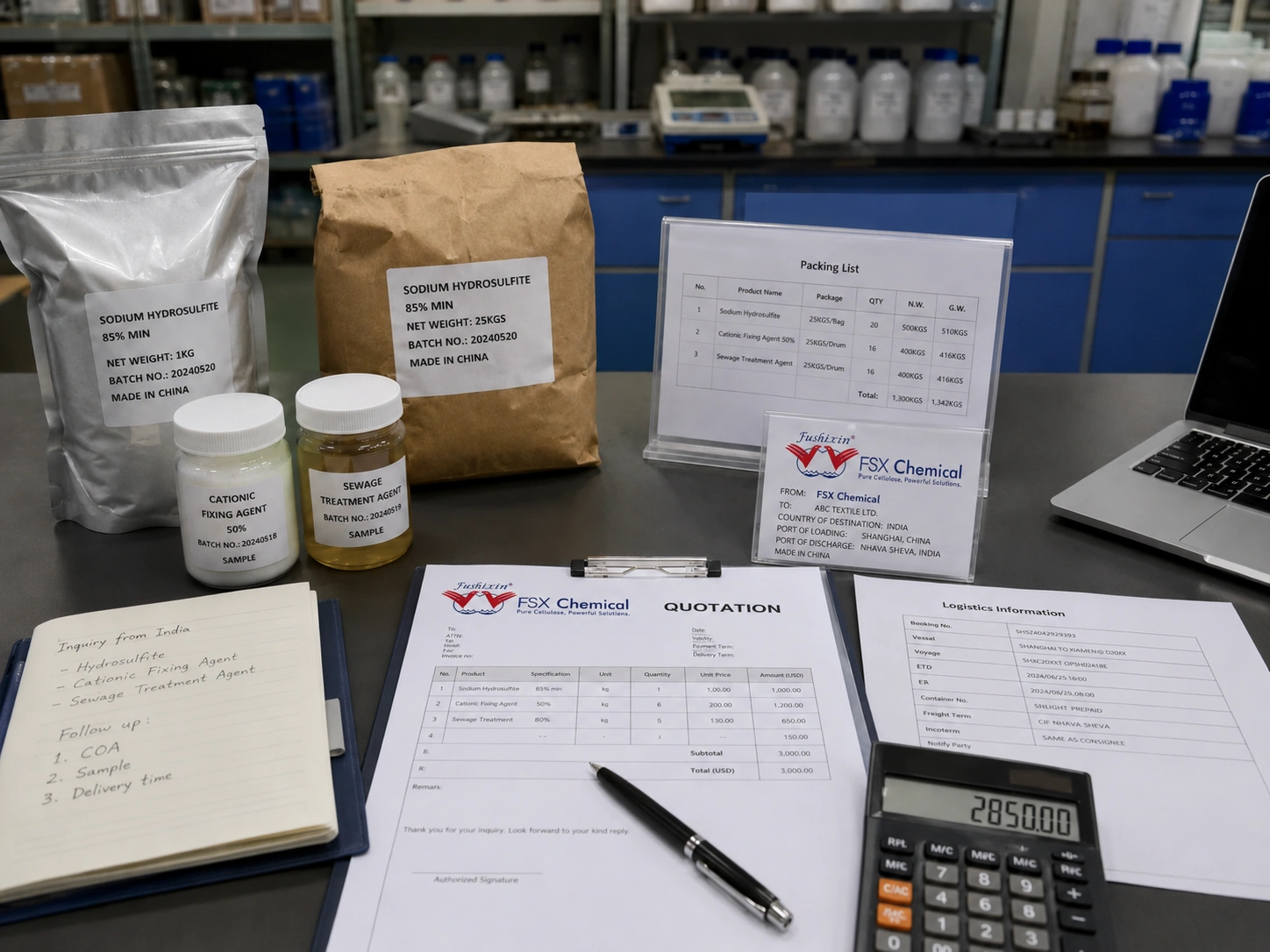
- Подтвердить упаковку и экспортные документы — перед отправкой проверьте размеры упаковки, этикетки, возможность отслеживания партии, паспорт безопасности (SDS), счет-фактуру, упаковочный лист и другие необходимые документы.
- Свяжитесь с нашей технической службой — discuss which sodium alginate grade and document support are suitable for your textile printing application📧 Электронная почта: Service@fsxchemical.com