Step-by-Step: Matching Textile Thickener Grades to Your Printing Process
Matching textile thickener grades requires more than finding the same viscosity. Follow a step-by-step process...
Matching textile thickener grades requires much more than finding the same viscosity. A reliable matching process begins with the printing chemistry and fabric, aligns laboratory methods, compares rheology and filtration, evaluates the complete printing paste and then confirms performance through fabric and production trials.
Textile printing mills frequently need to qualify a new thickener grade. The objective may be to establish a second supplier, reduce total cost, improve screen passage, solve a filtration problem, increase production stability or replace a product that is no longer commercially convenient.
At first, grade matching can appear straightforward. A mill takes the viscosity specification of its current product, asks another supplier for the same value and tests the candidate.
In practice, this method is incomplete.
Sodium alginate, CMC, CMS and compound thickeners can have similar viscosity values while showing different hydration, shear response, filtration, chemical compatibility and printing behavior.
The printing process must therefore come before the viscosity number. Professional grade matching connects the product to the actual fabric, colorant chemistry, machine, formulation and finished-textile requirements.
This step-by-step guide explains how to move from an existing approved thickener to a technically relevant candidate without assuming that a similar product name or laboratory number guarantees equivalent performance.
What Does Textile Thickener Grade Matching Mean?
Textile thickener grade matching is the process of identifying a candidate commercial grade that can operate within the technical and production requirements already established by the printing mill.
A matched grade does not necessarily mean that the candidate is chemically identical to the current product.
Instead, the objective is to determine whether the new product can provide comparable or acceptable performance under the customer’s actual manufacturing conditions.
A successful match can require similarity in
Effective viscosity
Характеристики гидратации
Реология
Фильтрация
Стабильность пасты
Химическая совместимость
Screen passage or application behavior
Определение термина «печать»
Проникновение
Фиксация или отверждение
Wash-off where applicable
Эффективная доза
The final acceptance criteria should be defined by the printing process rather than by one laboratory number alone.
Why the Printing Process Must Come First
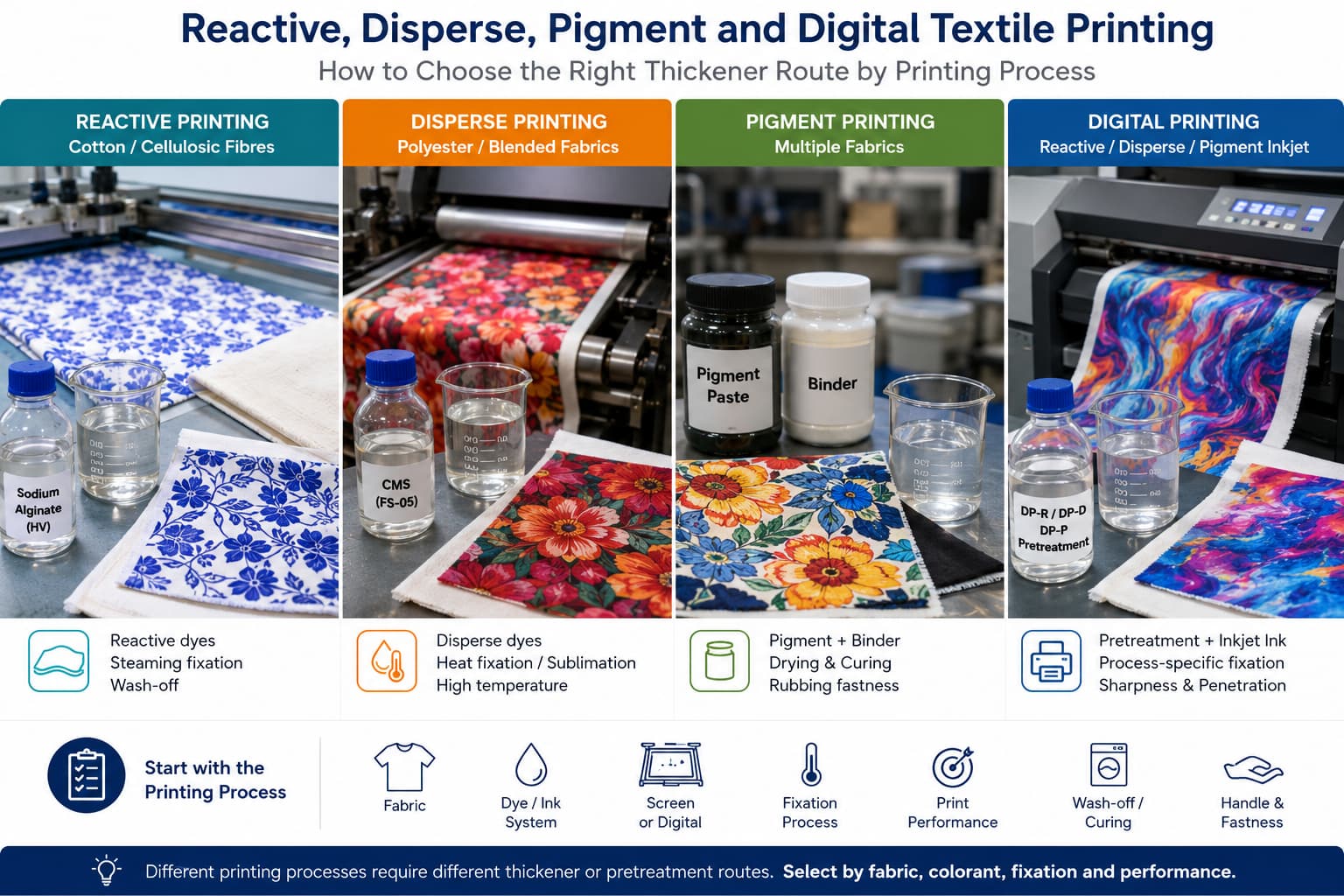
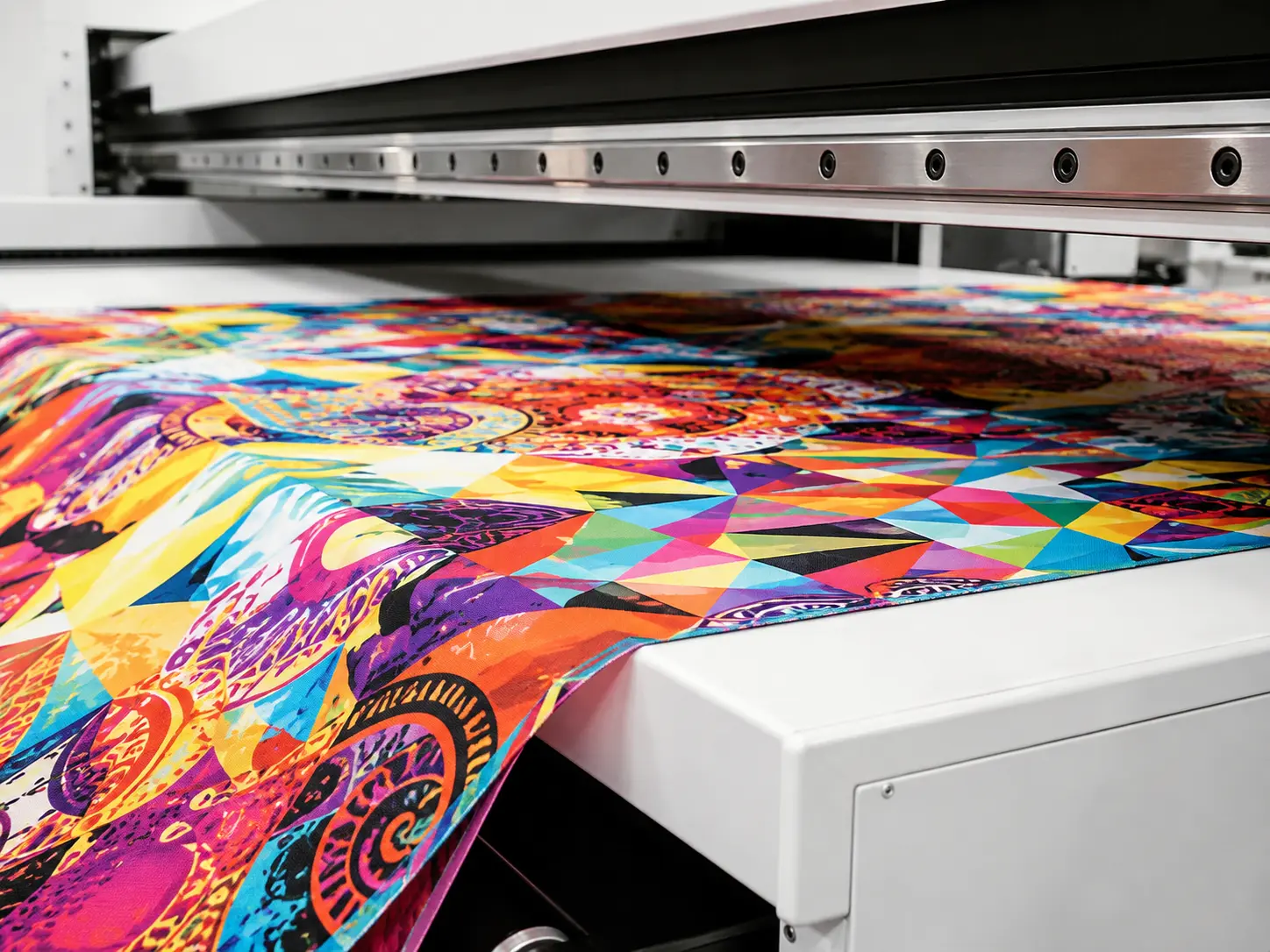
The same thickener cannot be assumed to perform identically across reactive, disperse, pigment and digital textile printing.
Each process exposes the polymer to different dyes or pigments, electrolytes, pH conditions, fabrics, application forces and post-treatment.
Печать активными красителями
The thickener needs to perform inside a dye paste that can contain reactive dye, alkali and other auxiliaries and must later pass through fixation and washing.
Дисперсионная печать
The system is commonly associated with polyester and thermal fixation, creating different compatibility and application requirements.
Пигментная печать
The rheology system must work with pigment dispersion, binder and curing chemistry.
Digital printing
The pretreatment is normally applied to the fabric rather than used as a conventional screen-printing paste.
Grade matching should therefore begin with the question: Where and how will this product actually be used?
Step 1: Define the Printing Process
Before comparing grades, record the exact production route.
Identify the printing technology
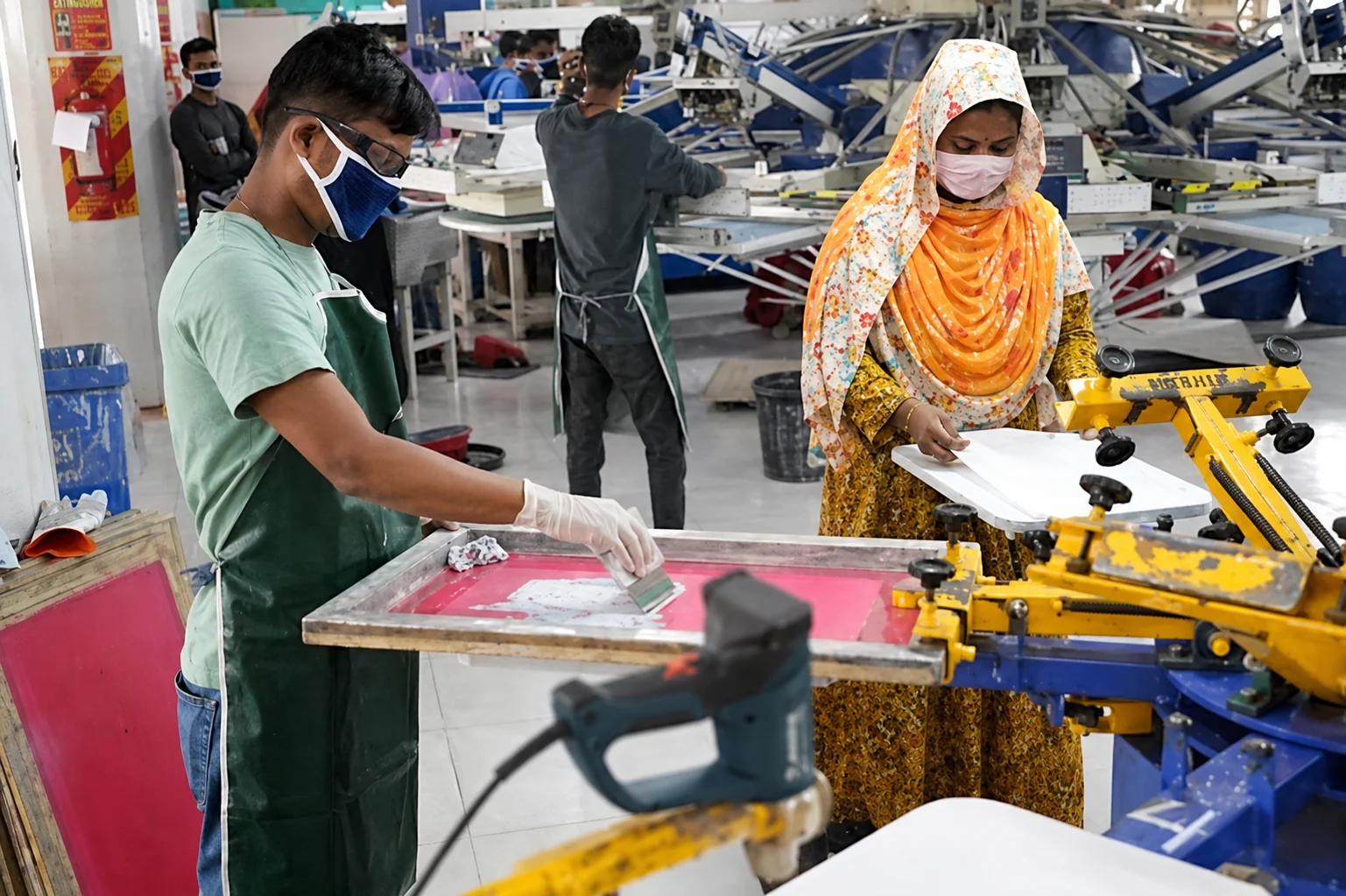
Плоскошаблонная печать
Ротационная трафаретная печать
Digital inkjet printing
Other application-specific printing systems
Identify the colorant chemistry
Реактивный краситель
Disperse dye or ink
Пигмент
Other application-specific systems
Identify the post-treatment
Приготовление на пару
Thermal fixation
Отверждение
Стирка
Отделка
This information immediately eliminates thickener routes that are not technically relevant to the process.
Step 2: Identify the Fabric and Dye or Ink System
Fabric chemistry and structure strongly influence paste penetration, surface spreading and final print definition.
Record the fiber composition
Хлопок
Viscose or rayon
Полиэстер
Нейлон
Шерсть
Шёлк
Смеси
Record the fabric construction
Вязаное или тканое
Плотность ткани
Плотность
Текстура поверхности
Stretch where relevant
Two fabrics made from the same fiber can still require different rheological behavior because their absorbency and construction differ.
The dye or ink route should then be connected with the fabric before a candidate thickener chemistry is selected.
Step 3: Document the Current Approved Thickener
If the printing mill already has a product that performs successfully, that material should become the reference.
Запись
Manufacturer
Exact commercial grade
Семейство продуктов
Текущие данные TDS
Recent COA where available
Физический эталонный образец
Текущая дозировка
Current preparation procedure
Current viscosity method
Known strengths
Known weaknesses
Do not describe the benchmark only as “high-viscosity sodium alginate” or “textile-grade CMC.”
The exact commercial grade provides a much stronger technical target.
Step 4: Align the Viscosity Test Method
One of the most common causes of failed grade matching is comparing viscosity values generated by different methods.
Всегда записывайте
Концентрация полимера
Основа расчета концентрации
Качество воды
Powder-addition procedure
Скорость перемешивания
Время смешивания
Время гидратации
Температура измерения
Вискозиметр
Шпиндель, ротор или геометрия
Скорость вращения
Время чтения
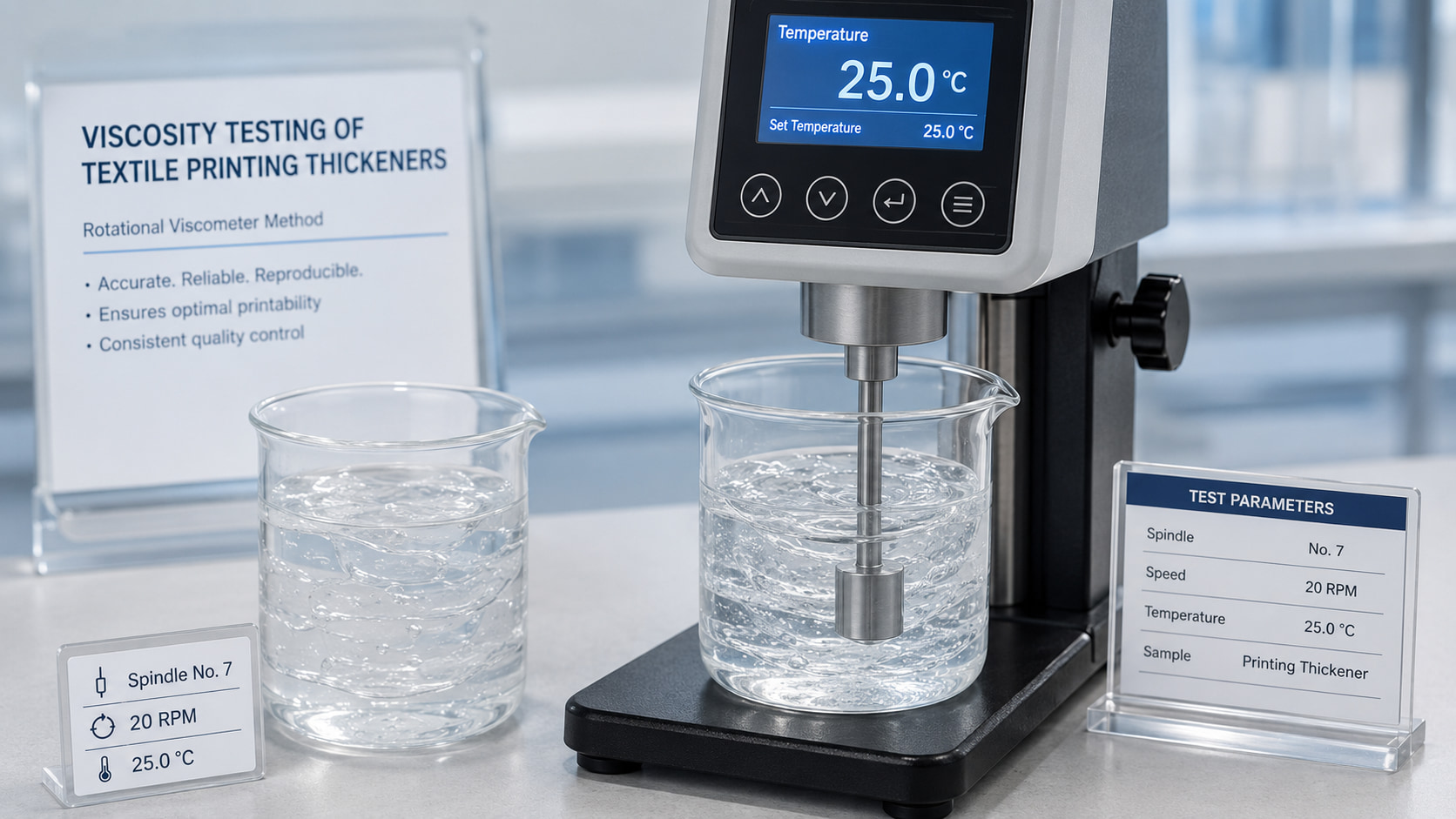
Reported unit
A reference product measured at one concentration cannot be fairly compared with a candidate reported at another concentration.
Similarly, changing temperature, spindle or rotational speed can change the result.
The test method must therefore be matched before the numerical target.
Step 5: Select the Candidate Thickener Chemistry
Once the application and reference product are understood, choose the technically relevant polymer route.
Процесс печати
Common Starting Direction
Important Matching Criteria
Реактивная трафаретная печать
Альгинат натрия
Rheology, filtration, definition, fixation and wash-off
Selected Compound Systems
CMC, CMS or blended thickener
Compatibility, rheology, dosage and application performance
Дисперсная печать
CMS или загуститель, предназначенный для конкретного применения
Stability, screen passage, transfer and thermal process
Пигментная печать
Synthetic or compound rheology system
Binder compatibility, electrolytes, curing and handle
Reactive Digital
Реактивная цифровая предварительная обработка
Pickup, migration control, definition and wash-off
Disperse Digital
Цифровая предварительная обработка методом диспергирования
Uniformity, filtration and thermal compatibility
Pigment Digital
Pigment-compatible pretreatment
Binder compatibility, definition, curing and hand feel
These are starting directions rather than universal replacement rules.
Matching Sodium Alginate Grades
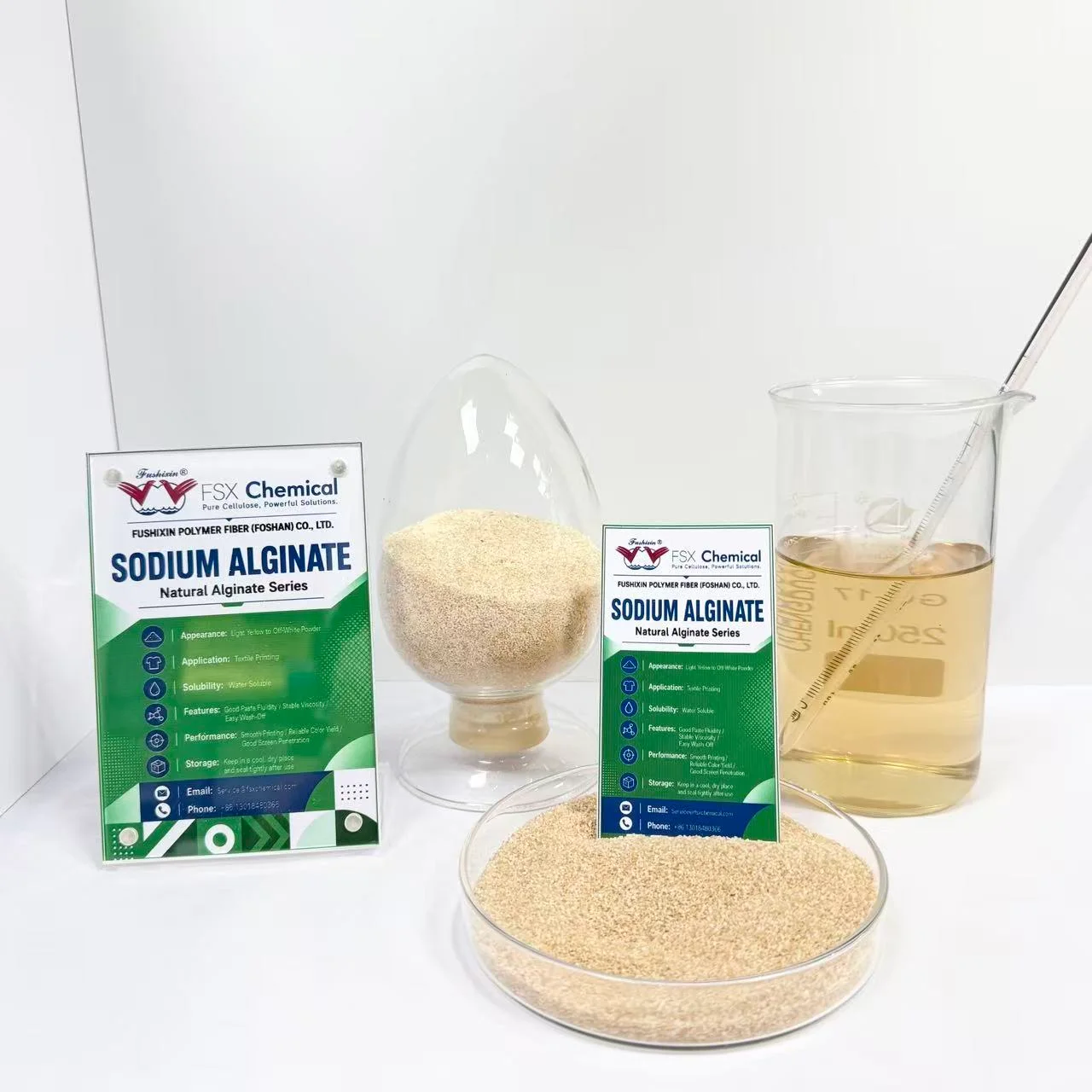
Альгинат натрия is a common benchmark route for conventional reactive printing on suitable cellulosic textiles.
Do not match only HV, MV or LV
These labels are supplier-defined categories and should not be assumed to represent identical numerical ranges across manufacturers.
Сравнить
Actual viscosity
Концентрация в тесте
Гидратация
Фильтрация
Реология
Отрывок с экрана
Reactive-paste behavior
Определение термина «печать»
Фиксация
Смываемость
A higher-viscosity candidate is not automatically a better match.
Matching CMC Grades
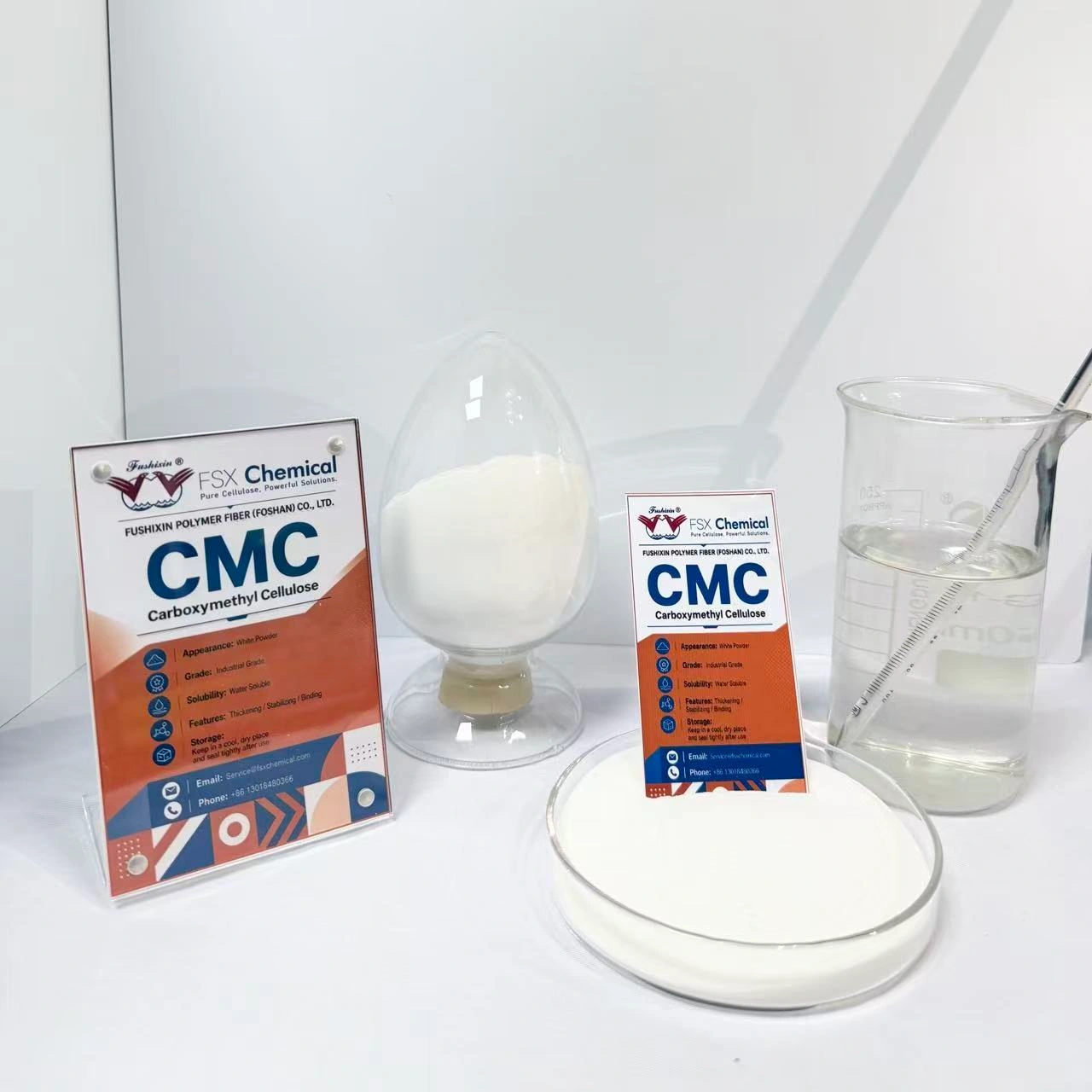
Карбоксиметилцеллюлоза is available in multiple grades with different structural and rheological characteristics.
Important CMC matching parameters include
Степень замещения
Вязкость
Концентрация в тесте
Purity-related specification where applicable
Гидратация
Растворение
Фильтрация
Реакция электролитов
Реология
Similar degree of substitution does not prove equivalent printing behavior, just as similar viscosity does not prove identical CMC.
Final approval must be made through the complete formulation and printing process.
Matching CMS Grades
Карбоксиметилкрахмал can be evaluated in selected disperse, compound and other printing systems according to the specific grade.
Сравнить
Идентичность коммерческого уровня
Метод измерения вязкости
Гидратация
Фильтрация
Стабильность пасты
Отрывок с экрана
Реология
Эффективная доза
Finished-textile performance
A CMS grade should not be selected simply because its raw-material price is lower than another polymer.
The meaningful comparison is technical performance at the optimized commercial dosage.
Matching Compound Thickeners
Compound thickeners require a slightly different matching strategy because the product may combine several polymers or rheology-control components.
Do not try to identify the match from one polymer percentage alone
Two compound products can achieve similar printing behavior through different formulation structures.
Instead compare functional performance
Базовая вязкость
Shear behavior
Восстановление конструкции
Фильтрация
Толерантность к электролитам
Стабильность держания
Определение термина «печать»
Эффективная доза
Compound-thickener matching is therefore particularly dependent on complete-paste and fabric testing.
Matching Digital Printing Paste
Паста для цифровой печати should be matched according to the ink system and fabric rather than treated as a generic high-viscosity polymer.
First identify
Reactive, disperse or pigment ink
Состав ткани
Pretreatment application method
Current dosage or pickup
pH
Drying process
Fixation or curing route
Digital pretreatment paste should not simply be added directly into inkjet ink. The fabric pretreatment and the ink formulation serve different technical functions.
Matching should therefore compare final printed textiles using the same ink and printer settings.
Step 6: Compare Hydration and Stock-Paste Properties
Once a candidate grade has been selected, prepare the reference and candidate under identical conditions.
Observe powder addition
Compare wetting, lump formation and dispersion during preparation.
Record hydration time
Some polymers develop viscosity gradually and should not be judged immediately after mixing.
Compare basic properties
Внешний вид
Solution uniformity
Вязкость
pH
Пена
Физическая устойчивость
Preparation efficiency is part of commercial performance because difficult hydration can increase labor, mixing and filtration costs.
Step 7: Compare Rheology
Similar single-point viscosity does not guarantee similar behavior during printing.
At low shear
The paste may need sufficient structure to remain stable during storage and holding.
Under higher shear
The paste must flow through pumping, circulation or screen systems.
After application
Structural recovery can influence lateral spreading, penetration and pattern definition.
Where possible, compare the reference and candidate under several controlled shear conditions rather than relying on one viscosity reading.
Step 8: Compare Filtration
Filtration is an important practical test for printing thickeners.
Standardize
Концентрация полимера
Способ приготовления
Время гидратации
Количество образцов
Материал фильтра
Opening size or mesh
Filtration conditions
Inspect the retained residue
Residue may consist of incompletely hydrated polymer, gels, contamination or material formed through chemical incompatibility.
Test stock paste and complete paste separately
This helps determine whether the problem originates from the thickener or from another formulation component.
Step 9: Prepare the Complete Printing Paste
A thickener should not be approved from its performance in water alone.
The reference and candidate should be tested with the actual production formulation.
Depending on the process, this may include
Красители
Пигменты
Соли
Щелочи
Папки
Увлажнители
Смачивающие вещества
Пеногасители
Другие вспомогательные средства
Monitor after each major addition when necessary
Staged addition can identify which chemical causes viscosity loss, precipitation, separation or filtration changes.
Complete-formula compatibility is one of the strongest tests of a candidate grade.
Step 10: Print the Actual Fabric
The purpose of a textile thickener is ultimately to perform during textile printing, so the actual production fabric should be tested.
Use a diagnostic design containing
Тонкие горизонтальные линии
Тонкие вертикальные линии
Мелкий шрифт
Острые углы
Мелкие точки
Adjacent colors
Large solid areas
Dark shades where useful
Evaluate during printing
Отрывок с экрана
Перенос с помощью наклейки
Распространение
Проникновение
Равномерность по площади твердой фазы
Evaluate after post-treatment
Complete the normal steaming, fixation, curing and washing process before making the final technical comparison.
Wet-print appearance alone is not sufficient for final approval.
Step 11: Optimize Effective Dosage
The first technical comparison should usually use a controlled baseline. After the candidate demonstrates acceptable performance, dosage can be optimized.
Do not assume weight-for-weight replacement
Different grades can have different thickening efficiency and rheological behavior.
Регулируйте постепенно
Test a controlled range around the successful concentration instead of making a large dosage reduction immediately.
Repeat critical quality checks
Lowering dosage may change definition, penetration, stability or machine behavior.
Calculate commercial cost after optimization
Comparing price before determining the practical dosage can lead to an incorrect purchasing decision.
Step 12: Conduct a Production Trial
Laboratory approval is not the final stage.
Production changes batch size, mixer geometry, circulation, holding time, temperature and mechanical shear.
During the production trial, record
Время приготовления
Batch viscosity
Стабильность держания
Фильтрация
Насосная подача
Отрывок с экрана
Machine interruptions
Расход пасты
Print quality
Check the entire production run
Compare fabric from the beginning, middle and end instead of approving the candidate from only the first meters.
A product should be considered successfully matched only after it performs inside the real production window.
Проверка соответствия образца партии
A successful sample should remain traceable when the buyer moves to a commercial order.
Цепочка квалификаций должна связывать
Пример кандидата
Permanent commercial grade
TDS
Laboratory approval
Пробная печать
Рекомендуемая доза
Commercial quotation
Заказ на поставку
Производственная партия
Этикетка на упаковке
Batch-specific quality documentation where applicable
Verify the first commercial batch
Repeat the critical incoming laboratory checks before the first bulk shipment is released into unrestricted production.
This step is especially important when changing suppliers.
Reactive Printing Grade-Matching Example
Consider a cotton printing mill using a sodium alginate grade successfully in flat-screen reactive printing.
The wrong approach
Ask a new supplier only for the same viscosity and replace the current alginate at the same dosage.
The better approach
Record the current alginate grade and viscosity method.
Prepare reference and candidate at identical concentration.
Compare hydration, viscosity, rheology and filtration.
Prepare the actual reactive color paste.
Print the same cotton fabric.
Compare screen passage and definition.
Complete fixation and wash-off.
Optimize candidate dosage.
Run a controlled production trial.
This provides much stronger evidence of equivalence than matching the viscosity number alone.
Disperse Printing Grade-Matching Example
For polyester disperse printing, the candidate may be a CMS or another application-specific thickener.
Important comparison areas include
Stock-paste stability
Disperse color compatibility
Фильтрация
Отрывок с экрана
Перевод
Равномерность по площади твердой фазы
Thermal fixation performance
Final polyester surface quality
The product with the closest laboratory viscosity is not necessarily the product that performs most similarly on polyester.
Pigment Printing Grade-Matching Example
Pigment printing requires the thickener to operate with the pigment dispersion and binder system.
Сравнить
Реология
Совместимость связующих веществ
Реакция электролитов
Стабильность пасты
Определение термина «печать»
Curing behavior
Dry and wet rubbing performance where required
Тканевая ручка
A candidate that matches the viscosity but interacts poorly with the binder is not a successful replacement.
Digital Printing Grade-Matching Example
Digital textile printing requires a different comparison because the pretreatment is evaluated on the fabric side.
Match the ink route first
Determine whether the system uses reactive, disperse or pigment ink.
Then compare pretreatment
Подготовка
Viscosity where relevant
Фильтрация
pH
Забор ткани
Drying behavior
Миграция чернил
Четкость тонких линий
Use the same printer and ink
Changing the ink or printer settings during the same comparison makes it difficult to isolate the effect of the candidate pretreatment.
Final evaluation should occur after the appropriate fixation, curing and washing route.
Flat-Screen vs Rotary-Screen Matching
A grade that performs well on one screen-printing technology should not automatically be assumed to behave identically on another.
Flat-screen printing emphasizes
Перенос с помощью ракеля
Отрывок с экрана
Определение шаблона
Проникновение
Постоянство повторения
Rotary-screen printing emphasizes
Continuous circulation
Насосная подача
Практическая фильтрация
Shear behavior
Long-run stability
Equipment should therefore be included in the grade-matching specification.
Troubleshooting a Poor Grade Match
Выявленная проблема
Возможная причина
Что нужно проверить
Candidate viscosity is lower
Different efficiency or incomplete hydration
Concentration, mixing, hydration and test method
Viscosity matches but edges bleed
Different rheological recovery
Shear behavior, fabric absorbency and dosage
Viscosity matches but screen passage is poor
Filtration or flow difference
Residue, hydration, rheology and screen condition
Stock paste matches but color paste changes
Chemical incompatibility
Dye, salt, alkali, binder or auxiliary interaction
Fine lines break
Плохая передача или чрезмерное сопротивление
Rheology, viscosity, screen and pressure
Тестирование в лабораторных условиях прошло успешно, но в производственных условиях произошел сбой
Scale-up difference
Batch size, mixer, circulation and holding time
Candidate needs much higher dosage
Different thickening efficiency
Optimized concentration and total cost in use
Bulk batch differs from sample
Sample-to-bulk or QC issue
Grade identity, COA, retained sample and test method
Troubleshooting should always consider fabric, machine, formulation and post-treatment as well as the thickener itself.
Commercial Cost Comparison
Once the candidate has achieved acceptable technical performance, compare the commercial economics.
Delivered product cost
Compare prices using the same quantity, packing, destination and trade term.
Эффективная доза
Use the optimized production dosage rather than equal kilograms of two different grades.
Стоимость подготовки
Consider hydration, mixing, filtration and labor.
Эффективность оборудования
Include screen cleaning, downtime, printing speed and production interruptions.
Quality cost
Include rejected fabric, reprinting and additional post-treatment.
The most economical matched grade is therefore not necessarily the product with the lowest price per kilogram.
What Information to Send Your Supplier
Providing complete application information significantly improves the accuracy of a grade-matching recommendation.
Current product
Manufacturer
Commercial grade
Семейство продуктов
TDS
Recent COA where available
Физический образец
Laboratory method
Вязкость
Концентрация
Вода
Mixing procedure
Время гидратации
Температура
Прибор
Spindle and speed
Printing process
Reactive, disperse, pigment or digital
Состав ткани
Flat screen, rotary screen or digital equipment
Current formula
Текущая дозировка
Фиксация или отверждение
Washing where applicable
Performance target
Better filtration
Sharper edges
Improved screen passage
Lower effective dosage
Better stability
Alternative supplier qualification
The more accurately the current process is defined, the more useful the candidate-grade recommendation can be.
Customers who already use another commercial product can begin with their current material as the benchmark.
Через Образцы и подбор продукции , buyers can provide an existing TDS, physical sample, viscosity method and printing-process information for candidate-grade review.
A practical matching project can include
Review of the current product and application
Alignment of important test methods
Selection of a technically relevant candidate
Подготовка проб
Customer laboratory comparison
Full printing-paste trial
Fabric evaluation
Оптимизация дозировки
Production validation
Commercial quotation and bulk verification
The recommendation should be treated as a trial-grade starting point. Final suitability depends on the customer’s actual formulation, fabric, equipment and production conditions📧 Электронная почта: Service@fsxchemical.com
Узнайте, почему значения вязкости загустителей для текстильной печати нельзя сравнивать без учета таких факторов, как концентрация, температура, прибор, шпиндель, скорость, метод подготовки проб и время испытания.
Узнайте, как выбирать загустители и способы предварительной обработки для реактивной, дисперсной, пигментной и цифровой печати на текстиле с учетом требований к ткани, красителю или чернилам, фиксации, вымываемости и качеству печати.
Сравните CMC, CMS, альгинат натрия и пасту для цифровой печати на текстиле. Узнайте, насколько каждый из этих материалов подходит для реактивной, дисперсной, пигментной и цифровой печати, а также на что покупателям следует обратить внимание перед тестированием образцов, подбором марки и оптовой закупкой.
Альгинат натрия широко используется в текстильной печати в качестве стабильного и стойкого к стирке загустителя для реактивных печатных паст. Узнайте, как перед покупкой оценить класс вязкости, степень чистоты и пригодность продукта для конкретного применения, а также о том, как компания FSX Chemical оказывает поддержку покупателям по всему миру, предоставляя технические данные и образцы.
Карбоксиметилцеллюлоза (КМЦ) широко используется в процессах печати, проклеивания и окрашивания текстиля. В данном руководстве рассказывается, как оценивать марки КМЦ, какие параметры являются наиболее важными и как компания FSX Chemical может помочь в принятии решений о закупках.
Карбоксиметилцеллюлоза используется в качестве загустителя и стабилизатора в чернилах на водной основе, в глубокой печати и при предварительной обработке для струйной печати. В данном руководстве рассмотрены основные параметры марок этого материала и рекомендации по его закупке для специалистов по снабжению.
Печатная паста на основе CMC используется в пигментной, реактивной и цифровой текстильной печати. В данном руководстве объясняется, какие параметры имеют значение, как сравнивать поставщиков и что следует уточнить перед размещением оптового заказа.
И альгинат натрия, и CMC используются в качестве загустителей при печати на текстиле, однако они подходят для разных систем окрашивания и условий производства. В данном руководстве объясняются основные различия между ними и приводятся рекомендации по их применению.
Цифровая струйная печать на текстиле предъявляет иные требования к пасте и предварительной обработке материала, чем трафаретная печать. В данном руководстве объясняется, как альгинат натрия используется в цифровой печати на текстиле и какие параметры качества должны указывать специалисты по закупкам.
Пищевой и промышленный CMC имеют одинаковый химический состав, но значительно различаются по степени очистки, диапазону степени дефибринации (DS) и нормативным требованиям. В данном руководстве объясняются основные различия и причины, по которым использование несоответствующего класса продукта приводит к проблемам в производстве.
При печати на текстиле реактивными красителями правильная подготовка пасты не менее важна, чем выбор сорта краски. В данном руководстве рассматриваются методы растворения альгината натрия, диапазоны концентраций в зависимости от области применения, условия хранения, а также способы устранения типичных проблем при подготовке пасты.
Альгинат натрия — это природный биоразлагаемый полимер, однако его использование в текстильной печати приводит к образованию сточных вод, требующих соответствующей обработки. В данном руководстве рассматриваются экологические характеристики альгината натрия, свойства сточных вод после вымывания, а также то, что специалистам по закупкам необходимо знать о выборе загустителя и его воздействии на окружающую среду.
Сообщите название продукта, область применения, количество, пункт назначения, а также предоставьте техническое описание продукта (TDS),
фотографию образца или имеющиеся у вас документы. Компания FSX Chemical рассмотрит
эту информацию и порекомендует дальнейшие действия для подготовки коммерческого предложения, подбора образца
или выбора продукта.
Информация о продуктеНазвание товара, класс, модель, фотография этикетки или артикул поставщика.
Доступные документыTDS, SDS, COA, фотография образца, перечень продукции или данные испытаний.
Детали заказаПредполагаемый объем, упаковка, страна назначения, порт или условия торговли.
Область применения или проблемаПроцесс печати на текстиле, требования к составу, текущие проблемы или целевые показатели.